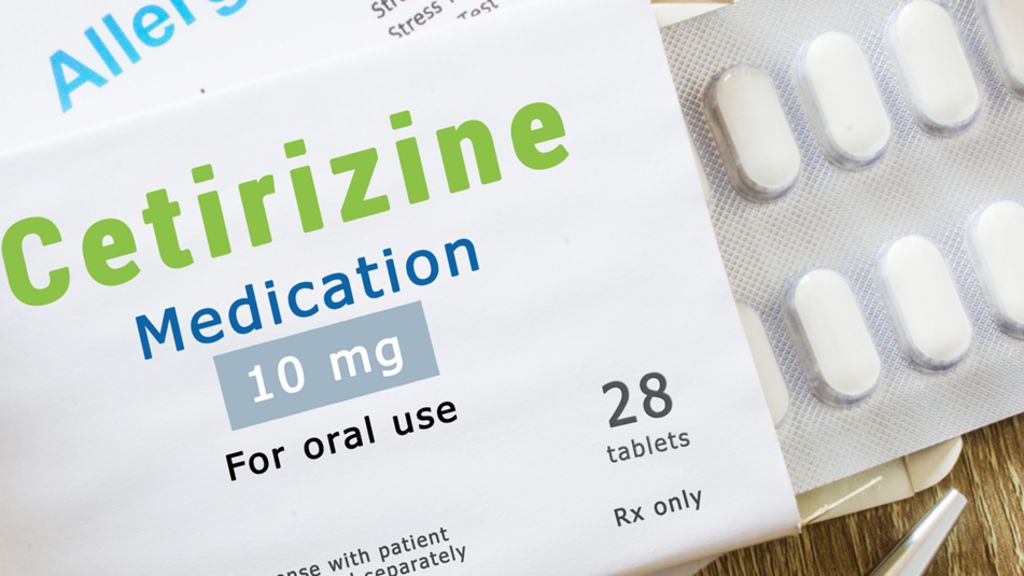
A dangerous unregulated health trend spreading rapidly across Kenyan social media platforms, most notably TikTok, has prompted urgent public safety alerts from the Pharmaceutical Society of Kenya (PSK) and the country’s health ministry. Viral posts have been falsely promoting cetirizine — a widely accessible over-the-counter oral antihistamine designed to alleviate common allergy symptoms including sneezing, runny nose, itchy eyes, and hives — as an off-label vaginal insert that purportedly tightens vaginal tissue to boost sexual pleasure.
While oral cetirizine can cause temporary bodily dryness as a mild side effect, leading social media users to incorrectly conflate that effect with muscle tightening, leading pharmacists and medical experts have emphatically debunked that myth. The PSK, the national professional regulatory body for Kenyan pharmacists, clarified in an official Thursday statement that dryness induced by off-label vaginal insertion of the pill does not equate to strengthened pelvic muscles, and instead drastically elevates risks of painful friction, tissue laceration, irritation, and long-term reproductive harm. The tablets are formulated exclusively for oral consumption, with none of their active or inactive ingredients tested for compatibility with the highly sensitive mucosal lining of the vaginal canal.
Public health data and local pharmacy reports have already documented tangible ripple effects of the misinformation: spikes in consumer demand for cetirizine, sharp unregulated price hikes, and even localized stock shortages in the capital city of Nairobi, leaving patients who rely on the antihistamine to manage severe seasonal and chronic allergy symptoms facing barriers to accessing their necessary medication. The PSK has issued a firm advisory to pharmaceutical retailers against price gouging or facilitating the misuse of the drug, and instructed its licensed pharmacist members to refuse dispensing medications they know will be used for unapproved, unsafe purposes, while reporting any adverse events linked to this trend to national health regulators immediately.
For individuals who have already attempted the unsafe practice, health officials are urging them to discontinue use right away and seek immediate clinical care if they experience symptoms including persistent pelvic pain, abnormal bleeding, burning sensations, unusual discharge, or fever. A senior official from Kenya’s Ministry of Health, Ouma Oluga, noted with concern that many social media users have been dismissing expert medical guidance as trivial jokes, ignoring the potentially life-altering health consequences of untested home health hacks. Oluga added that the ministry is evaluating the feasibility of rolling out a national drug distribution and purchase tracking system to flag and prevent widespread misuse of common over-the-counter medications, though no formal policy on this measure has been finalized to date.
Both the PSK and health ministry have also called out social media influencers and digital content creators for their role in amplifying unvetted medical claims, urging all creators to exercise extreme due diligence before sharing health-related content that could expose their audiences to preventable harm. The PSK closed its public advisory with a clear reminder that unsubstantiated online viral trends should never supersede evidence-based guidance from licensed medical professionals, and that all members of the public should consult a pharmacist or doctor before using any medication for a purpose outside of its officially approved, tested indication.
Kenyan pharmacists warn against viral craze of using allergy drug for vaginal tightening