As Kenya prepares to make history as the first African nation to host the World Athletics Championships in 2029, World Anti-Doping Agency (WADA) president Witold Banka has issued a clear call: the country must cement its reputation as a credible, clean home of global athletics to live up to the moment.
Banka wrapped up a three-day working visit to Nairobi last week, where he held high-level talks with Kenyan President William Ruto, senior government and sports officials, leadership from the Anti-Doping Agency of Kenya (ADAK), active athletes, and national law enforcement representatives. The trip was framed as a progress check at a pivotal juncture, coming months after Nairobi won its bid to host the 2029 flagship event.
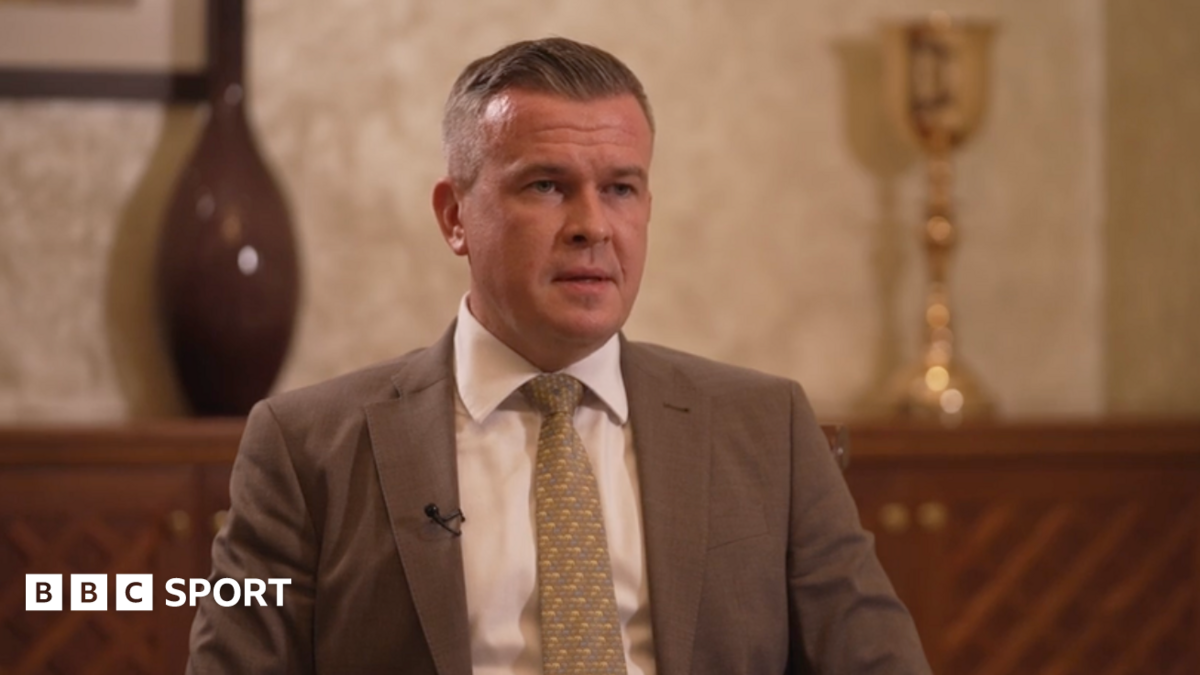
“Kenya calls itself probably ‘home of champions’, but every home has to have a good host and has to be clean to be credible,” Banka shared in an interview with BBC Sport Africa during his visit. “We absolutely need to instill the culture of clean sport.”
Kenya’s selection as host in September 2024 brought longstanding scrutiny of its doping challenges into the global spotlight. Since 2017, the Athletics Integrity Unit has issued suspensions to more than 140 Kenyan athletes, the vast majority of whom are elite distance runners – a discipline that has long been the cornerstone of Kenya’s global sporting legacy. Just one recent high-profile example: former half-marathon world record holder Kibiwott Kandie received a seven-year competition ban for anti-doping rule violations.
During his meetings, Banka confirmed that he received a formal, unwavering commitment from President Ruto’s administration to enforce a zero-tolerance policy for doping in Kenyan sport. However, he emphasized that tangible outcomes will be the true measure of success, rather than political pledges alone.
“WADA will monitor this situation and observe the dynamic. Action speaks louder than words,” Banka said. Talks also centered on shoring up the operational independence of ADAK and ensuring the agency receives consistent, sufficient financial and political support from the Kenyan government to carry out its mandate effectively.
Beyond policy commitments, Banka identified two core systemic challenges that Kenya must address ahead of 2029. First, he noted that the global anti-doping movement already has clear, robust rules and global standards – the gap that remains is consistent, effective enforcement at the national level.
Second, a critical gap in regional testing infrastructure remains. The only Wada-accredited doping control laboratory on the African continent, based in Bloemfontein, South Africa, lost its accreditation earlier this year. WADA first suspended the facility in March 2024 over multiple failures to meet the organization’s International Standard for Laboratories, and formally revoked its accreditation in May 2025 after compliance issues were not resolved. While Banka confirmed Kenya has expressed strong political will to develop its own accredited laboratory, he cautioned that the accreditation process takes multiple years to complete, and it is highly unlikely a new Kenyan facility will be ready in time for the 2029 championships. As a result, Banka said Kenya’s immediate priority should be strengthening its existing testing framework rather than pinning hopes on a new in-country lab.
Pushback against framing doping as an African or Kenyan-exclusive issue, Banka stressed that the problem crosses all geographic and national boundaries. “Doping has no colours and flags,” he said, pointing to high-profile doping cases in long-established sporting powerhouses including the United States, Germany, and his native Poland. “The problem would be to ignore this issue, not to tackle, or to pretend that there is no doping here.”
A key point Banka emphasized throughout his visit is the limit of WADA’s own authority: the agency can investigate anti-doping violations in sport, but it lacks the legal mandate to dismantle the transnational criminal networks that traffic performance-enhancing substances to athletes.
“We are not a superpower. We are not law enforcement,” he said. “They [Kenyan law enforcement agencies] have tools to really go after those who are destroying the credibility of the sport and the country.”
Banka added that WADA intelligence confirms prohibited performance-enhancing drugs are already being produced within Kenya’s borders, and that Africa as a whole has become a significant market for illicit doping substances. He argued that athletes are too often the easiest targets in the anti-doping system, when they are frequently exploited by powerful, well-resourced actors who see elite competitors as a profit stream. To truly clean up the sport, Banka said authorities must not only sanction rule-breaking athletes, but also hold accountable the coaches, doctors, team managers, and criminal suppliers that enable doping in the first place.
In closing, Banka noted that rising detection rates of positive doping tests are actually a sign that Kenya’s anti-doping monitoring system is working as intended, and he reaffirmed that WADA will continue to support Kenya as it builds out its clean sport framework ahead of the 2029 World Championships, which represent a defining moment for both Kenyan athletics and the broader African sporting community.