Across Kenya’s vibrant agricultural export sector, anticipation has reached a fever pitch as May 1 approaches — the date when China will implement a sweeping zero-tariff policy covering a broad range of eligible African exports. Industry leaders and producers across the country are framing this policy shift as an unprecedented opportunity that could reshape long-standing trade dynamics between Africa and the world’s second-largest economy, opening access to a massive, fast-evolving consumer market that many had only partially tapped into before.
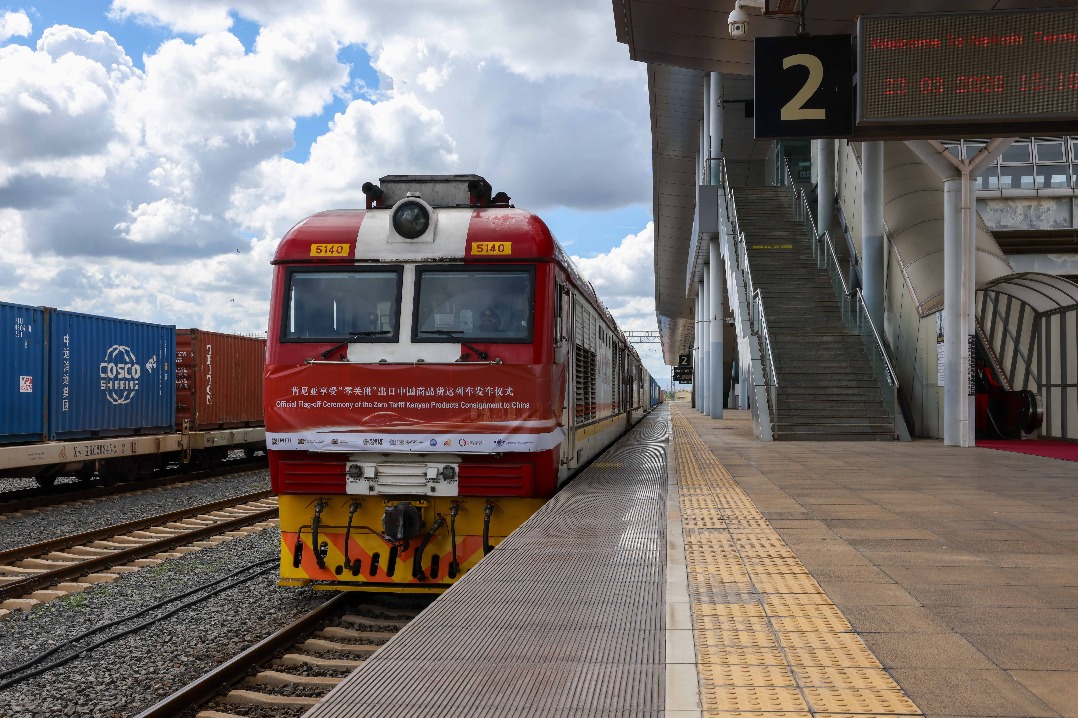
On March 23, Kenya took its first formal step under the new framework, flagging off an inaugural zero-tariff consignment from the Standard Gauge Railway Nairobi Terminus. According to the country’s Ministry of Investments, Trade and Industry, the shipment included 54 containers loaded with fresh avocados, processed avocado oil, roasted Kenyan coffee, and green beans, bound for the Port of Mombasa before sailing for China. This symbolic departure marked the start of what many hope will be a new era of bilateral trade between the two nations.
Joel Mwiti Kobia, managing director of Kenyan exporter Nutri Nuts and Fruits, noted that shifting consumer trends in China have already created ideal conditions for African agricultural products to thrive. China’s rapidly expanding middle class, driven by rising incomes, rapid urbanization, and growing public awareness of health and nutrition, is increasingly seeking out premium, nutrient-dense food products. “African products, often positioned as natural, organic, and sustainably sourced, are perfectly placed to meet this growing demand,” Kobia explained.
Kobia’s own company has already seen explosive growth in Chinese demand for its products, even before the zero-tariff policy took effect. When Nutri Nuts and Fruits began exporting macadamia nuts to China in 2021, it shipped just one 16-metric-ton container. By 2025, annual exports had surged to 120 tons, a clear reflection of how quickly Chinese consumer appetite for Kenyan agricultural goods has grown. With import tariffs set to drop from 15 percent to zero, Kobia projects that exports will more than double again in the near term, potentially hitting 250 tons annually. Beyond boosting corporate revenue, he added, the growth will create new jobs in local processing facilities and raise household incomes for smallholder farmers across Kenya’s production belts.
Margaret Njoki, head of commercial for fresh and frozen produce at Vertical Agro Group, echoed that optimism, particularly for Kenya’s fast-growing avocado sector. Her company became the first Kenyan firm to export frozen avocados to China in 2021, followed by fresh avocado shipments in 2022. What started as a cautious, small-scale entry into an unfamiliar new market has quickly transformed into a major growth stream, as Chinese demand for Kenyan avocados has skyrocketed over just a few years.
Currently, Vertical Agro Group exports dozens of containers of avocados to China during peak production season, but Njoki said the real industry breakthrough will come once zero tariffs are implemented. “Right now, we compete with established suppliers from Peru and Mexico, but lower tariffs will let us offer more competitive pricing, allowing us to grow both the volume and quality of our exports to China,” she said. Like Kobia, she emphasized that the benefits will spread across the entire avocado value chain: more farmers will be incentivized to expand avocado production, creating new employment opportunities and lifting rural incomes across the country.
Even Kenyan tea producers, who have long been sidelined from the Chinese market despite Kenya’s status as one of Africa’s largest tea exporters, are expressing newfound optimism. For decades, Kenya’s top tea export destinations have been European nations and South Asian markets such as Pakistan, with price competitiveness keeping most producers out of China’s large consumer market. That could soon change, according to Kelvin Mbugi of Kenya Tea Packers Limited.
“Currently, we cannot meaningfully enter the Chinese market because our prices are not competitive,” Mbugu explained. “But with zero tariffs, we will not only be able to deliver our high-quality Kenyan tea — we will also gain a clear pricing advantage.” Kenyan tea exporters are already positioning specialty, health-focused teas to capture Chinese consumer interest: products such as antioxidant-rich purple tea and anti-aging marketed white tea align perfectly with the growing preference for wellness-oriented products among China’s middle class. While the market is still in early stages of development, Mbugi projects that annual Kenyan tea exports to China could gradually climb to 100 tons as consumer awareness grows.
For larger established exporters such as Kenya Nut Company Limited, the zero-tariff policy opens the door to a strategic shift beyond low-margin bulk commodity exports, toward higher-value branded finished products. Currently, the company exports premium macadamia nuts, dried fruits, and coffee to major global markets, and executives say zero tariffs will make it easier to pursue strategic partnerships to build market share in China’s premium retail segment. Instead of shipping raw unprocessed produce, the company plans to focus on value-added goods such as roasted nuts, packaged healthy snacks, and specialty coffee — products tailored to meet the demands of China’s growing upscale consumer market.
The opportunities created by the new policy are not limited to traditional food and agricultural exports either. Smaller manufacturers are already exploring entry into China with niche specialty products. Irene Nzovo, a producer of pet food including beef hide dog chews and camel-derived pet products, already has a strong foothold in European and U.S. markets, and said zero tariffs will remove a key barrier to scaling up supplies and reaching more Chinese customers.
The zero-tariff policy covers 53 African countries that maintain diplomatic relations with China. By eliminating import duties, the framework is designed to deliver mutual benefits: it will lower retail prices for Chinese consumers while boosting the competitiveness of African goods and driving growth in African export volumes.
Still, industry leaders have highlighted key steps Kenya must take to fully capitalize on the opportunity. Erick Rutto, president of the Kenya National Chamber of Commerce and Industry, emphasized that smallholder farmers and new exporters need targeted training to help them meet China’s strict sanitary and phytosanitary standards, which are required to access the Chinese market. Rutto also called for closer collaboration between the private sector and financial institutions, to make affordable financing accessible to exporters looking to scale up production and increase bulk export capacity.