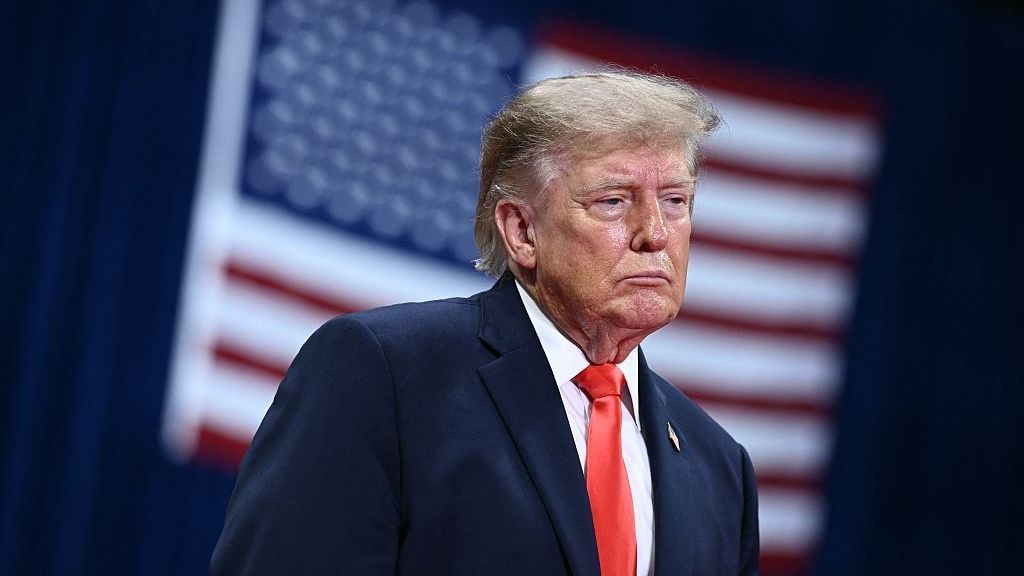
In a Tuesday court ruling out of a Florida federal district, U.S. District Judge Jeffrey Kuntz has greenlit the core defamation claim in former (and current U.S.) President Donald Trump’s $10 billion civil lawsuit against the British Broadcasting Corporation, rejecting the public broadcaster’s motion to dismiss the high-profile legal action. The ruling marks a partial win for Trump, who framed the decision as a “huge victory” in a public post on his Truth Social platform hours after the order was published. The lawsuit stems from a 2021 episode of the BBC’s flagship investigative documentary series Panorama, which spliced together two disjointed segments of a speech Trump delivered shortly before the January 6 U.S. Capitol riot. The suit alleges the network “intentionally, maliciously and deceptively doctored” the footage to create a false narrative that Trump had explicitly called for violent action against lawmakers during the insurrection. The BBC previously issued a formal apology acknowledging the broadcast had generated “the mistaken impression that Trump made a direct call for violent action,” but later moved to have the entire case thrown out. The network’s dismissal motion rested on two core arguments: first, that the edited footage did not meet the strict legal threshold for defamation under U.S. jurisprudence, and second, that the Panorama episode was never made accessible to audiences within the United States via any of the BBC’s official distribution channels. During earlier pre-trial proceedings, Trump’s own legal team conceded they could produce no evidence the documentary was streamed on the BritBox subscription platform, BBC Select, the BBC’s U.S.-focused website, or carried by any U.S. domestic broadcast partner. Trump also previously agreed to remove BBC Studios, the broadcaster’s commercial production subsidiary, from the suit after the network demonstrated the arm had no involvement in creating or producing the contested Panorama episode. While Kuntz ruled the defamation claim had sufficient legal standing to move forward, he explicitly declined to issue any judgment on the underlying merits of the allegation, noting that questions of whether Trump can prove the BBC acted with actual malice and demonstrate measurable damages would be reserved for a later summary judgment hearing or full trial. “Whether President Trump can prove these claims and establish he sustained damages at summary judgment or trial is left for another day,” Kuntz wrote in his 12-page formal order. The judge did, however, fully dismiss the second parallel claim in Trump’s suit, which alleged the BBC had violated Florida’s Deceptive and Unfair Trade Practices Act. Kuntz ruled that the investigative documentary qualified as protected non-commercial speech, and therefore did not fall under the purview of the state’s consumer protection statute. A BBC spokesperson responded to the ruling in a formal statement, noting the network was surprised by the decision but would respect the court’s authority to move the case to its next procedural stage. “We remain confident in our position and will continue to respond through the proper legal process,” the spokesperson added. The ruling comes weeks after a separate pre-trial order mandated Trump submit to a sworn deposition in the case no later than December 11, after he cancelled a previously scheduled October deposition at the last minute. A BBC legal representative confirmed in court filings that Trump had skipped the planned testimony to attend a campaign rally in Georgia, prioritizing his 2024 presidential electoral activities over the legal obligation to give evidence under oath.