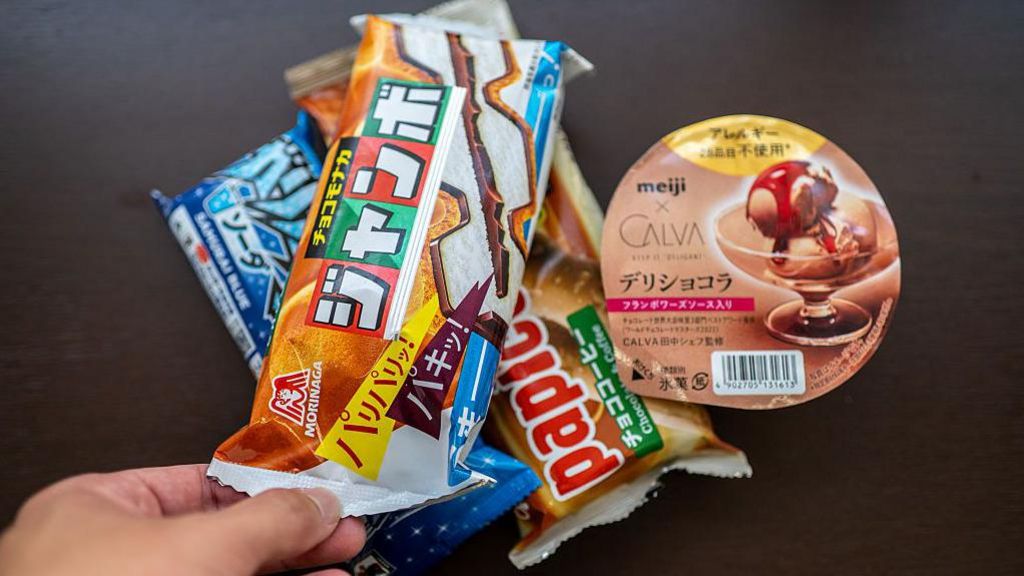
As Japan grapples with another summer of record-breaking high temperatures that have sent consumer demand for frozen treats soaring, the country’s top competition regulator has launched a sweeping crackdown on six major domestic ice cream manufacturers accused of colluding to artificially inflate product prices.
Officials from the Japan Fair Trade Commission (JFTC) executed on-site inspection raids at the headquarters and facilities of the targeted firms on Tuesday, according to confirmation from the companies themselves. The list of firms under investigation includes industry leaders Meiji, Morinaga Milk Industry, Lotte, Morinaga, Ezaki Glico — the producer of the globally popular Pocky snack brand — and Akagi Nyugyo. None of the core allegations have been proven as of the investigation’s early stages.
Multiple companies have publicly acknowledged the inspection in recent days, with official statements confirming that the probe centers on suspicions of violating Japan’s Antimonopoly Act through coordinated price-fixing for ice cream and other frozen dessert products. Meiji, the brand behind the well-known Hello Panda snack line, released a formal comment noting that it takes the investigation extremely seriously and has committed to full cooperation with JFTC authorities. Ezaki Glico echoed that commitment, stating it would respond to the inquiry in good faith and cooperate fully with the regulator’s process. Morinaga Milk also confirmed it would work alongside investigators to address the allegations.
Japanese public broadcaster NHK, citing anonymous sources familiar with the case, reported that the six firms are alleged to have improperly raised the prices of their most popular ice cream products multiple times over recent years, with increases ranging from 5% to 10% per adjustment. Regulators suspect that the price hikes went far beyond what would be justified by rising raw material costs, taking advantage of sustained high consumer demand during consecutive hot summers. The accused companies distribute their products through wholesale channels to nearly every supermarket and convenience store chain across Japan, meaning any collusive price increases would impact millions of consumers nationwide.
The JFTC has declined to issue any public comment on the ongoing investigation, per standard procedure for active antitrust probes. The BBC has reached out to all six targeted firms to request additional comment beyond their initial statements, with no further responses released as of reporting.
The investigation comes at a particularly charged moment for Japanese consumers, who are already navigating broader nationwide inflation trends and facing an unusually intense summer heat. Just months ago, after recording the hottest summer on record in 2025, the Japanese government officially introduced a new terminology category for days when temperatures reach 40 degrees Celsius (104 degrees Fahrenheit) or higher: *kokushobi*, translated by global and local media as “cruelly hot,” “brutally hot,” or “severely hot” days. Forecasts for 2026 have already matched the record heat of the previous year, pushing demand for cooling products like ice cream to unprecedented levels and putting consumer price pressures in the national spotlight.
Additional reporting from Chika Nakayama in Tokyo.