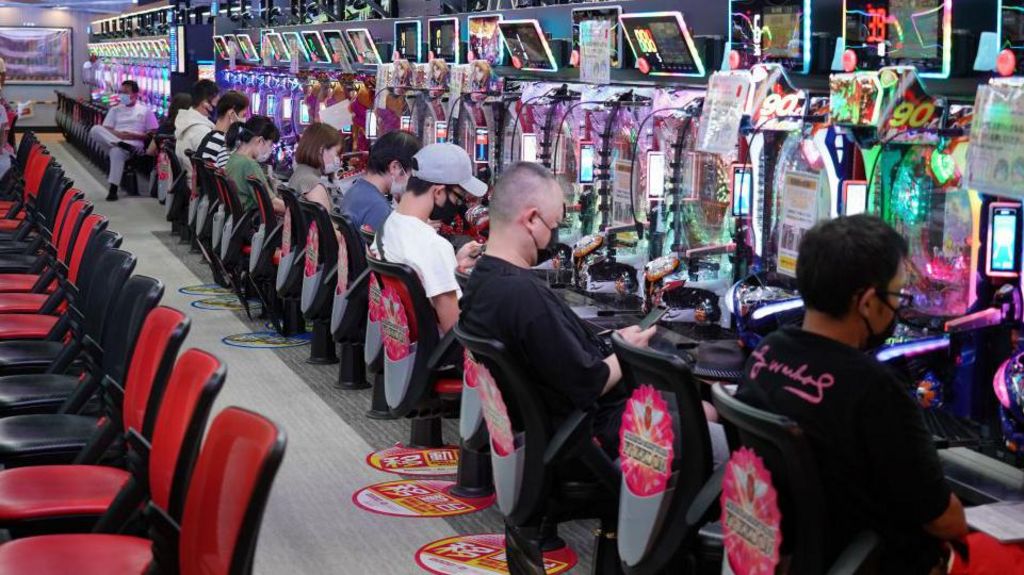
After more than a year without capital punishment carried out across the country, Japan has resumed executions with the hanging of 58-year-old Sunao Takami, a man convicted of a fatal 2009 arson attack at an Osaka pachinko gaming parlour that left five people dead.
The 2009 attack, which unfolded near Takami’s residential neighborhood, saw the perpetrator douse the interior of the popular gambling venue in gasoline before igniting the blaze. The attack killed four customers who were inside at the time and one on-site employee, leaving survivors and local communities reeling from the violence.
Takami’s legal journey concluded in 2011, when a six-member jury and three-judge panel rejected the defense team’s core argument that the defendant was experiencing severe mental incapacity at the time of the crime. The court handed down a death sentence by hanging, which was carried out this week.
Japan remains one of only two Group of Seven (G7) nations that still actively practices capital punishment, alongside the United States. A defining feature of Japan’s capital punishment system is its policy of last-minute notification: death row inmates are typically informed of their upcoming execution only a few hours before it is carried out, a practice that has drawn widespread criticism from global human rights organizations.
Speaking to reporters on Friday, Japanese Justice Minister Hiroshi Hiraguchi confirmed the execution, noting that the decision came only after a comprehensive, careful review of the case. This execution marks the first death sentence carried out under the newly formed Takaichi administration.
The last execution Japan conducted was in June of last year, when the country put to death Takahiro Shiraishi, infamously known as the “Twitter Killer.” Shiraishi, who targeted vulnerable people he contacted through the social media platform, murdered and dismembered nine people in 2017. His crimes were exposed in October 2017, when police searching for one of his missing victims discovered dismembered body parts at his home in Zama, a city located just outside of Tokyo.