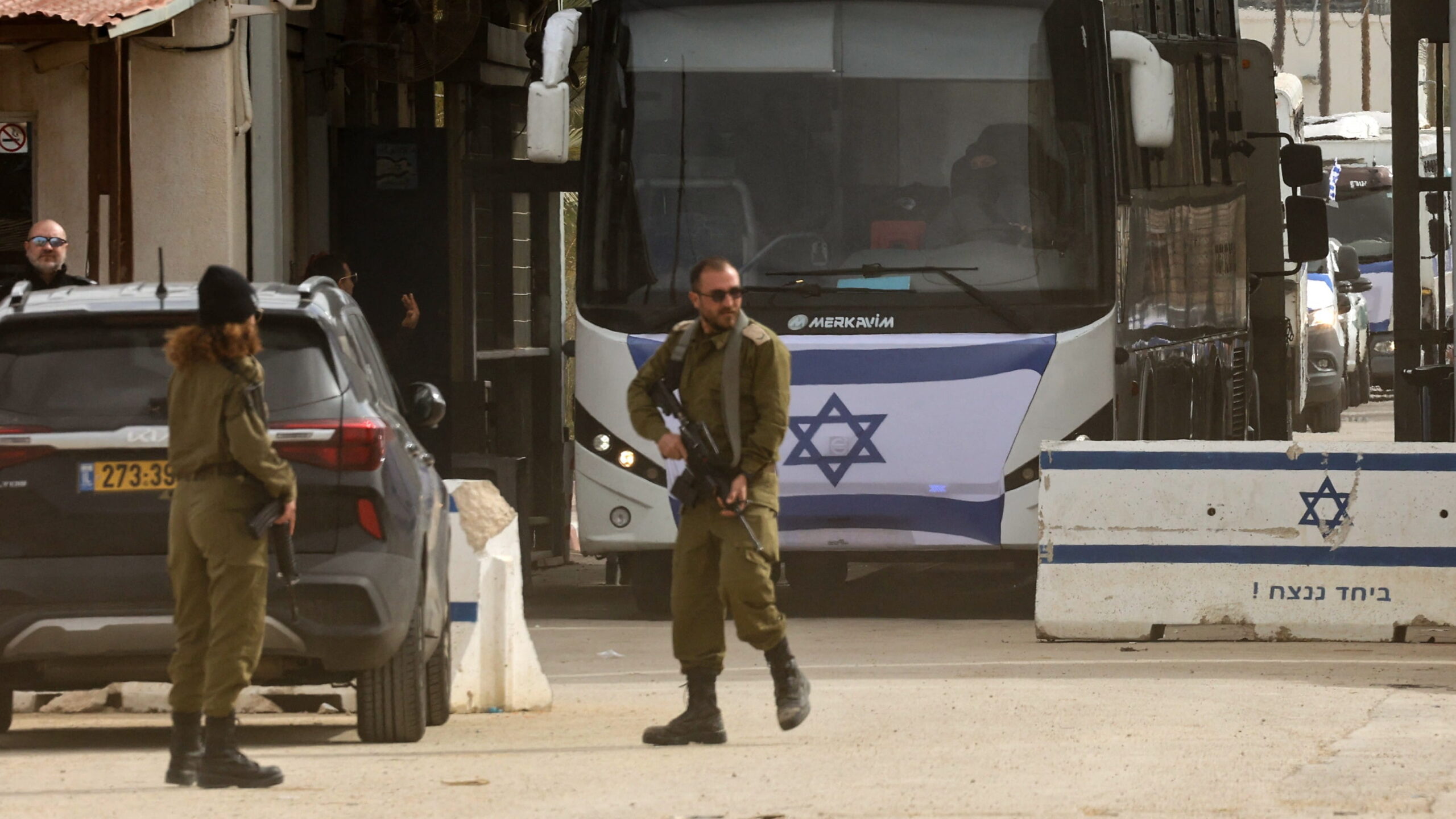
A bitter legal clash is brewing between the state of Israel and one of the world’s most prominent newspapers, after The New York Times stood by a high-profile opinion column that documented allegations of systemic sexual assault and rape against Palestinian detainees held in Israeli custody.
The confrontation moved forward this week after the paper reaffirmed its support for the reporting of veteran columnist Nicholas Kristof, prompting Israel’s Ministry of Foreign Affairs (MFA) to announce it would move forward with a defamation lawsuit against the outlet, the agency confirmed in a post on the social platform X Thursday.
Kristof’s deeply researched investigative opinion piece opens with a unifying call for readers: regardless of where they stand on the decades-long Israeli-Palestinian conflict, all people should be able to join in condemning sexual violence as a human rights abuse. The column centers on harrowing, first-hand testimonies from Palestinian survivors of assault by Israeli security personnel, including accounts of assault using military dogs, vegetables, and batons that left serious internal injury.
One detailed account comes from 46-year-old Palestinian journalist Sami al-Sai, who told Kristof he was sexually assaulted by both male and female Israeli soldiers while they filmed the attack, describing being violently grabbed in his genitals until he begged for the assault to stop.
In a statement defending the column, a New York Times spokesperson emphasized that Kristof’s work was the product of rigorous, in-depth reporting. But Israeli officials and public figures have pushed back fiercely, dismissing the allegations as a modern iteration of the medieval ‘blood libel’ – a centuries-old antisemitic falsehood that was used to justify mass violence against Jewish communities across Europe for hundreds of years.
Following the paper’s decision to uphold the reporting, Prime Minister Benjamin Netanyahu and Foreign Minister Gideon Sa’ar have formally ordered the MFA to launch the defamation proceeding against The New York Times. In an official statement, the MFA called Kristof’s piece one of the most ‘hideous and distorted lies’ ever published against the Israeli state by a major modern media outlet.
This is not the first time such allegations have come to light: independent outlet Middle East Eye published a similar report last month, based on investigation from the West Bank Protection Consortium. The coalition of human rights groups documented a minimum of 16 separate cases of sexual violence perpetrated by Israeli soldiers and settlers in the occupied West Bank, in a report focused on how gender-based violence is used to force Palestinian displacement from the region.
Kristof’s reporting draws on corroborating evidence from multiple independent human rights organizations that have documented sexual violence by Israeli personnel, including Euro-Med Monitor, Save the Children, the Committee to Protect Journalists, and leading Israeli human rights group B’Tselem. The columnist also interviewed Israeli legal professionals who confirmed that the sexual abuse of Palestinian detainees is a widespread, underreported problem.
In his column, Kristof argued that decades of systemic dehumanization of Palestinians by Israeli institutions has created conditions that enable these abuses to continue with impunity. He added that the true scale of violence is almost certainly far higher than documented, because sexual assault is deeply stigmatized in conservative Palestinian society, leaving most survivors unwilling to come forward publicly. Very few of the survivors he interviewed agreed to be named, but Kristof noted overlapping patterns in their testimonies that point to a systemic, institutional problem rather than isolated incidents.
Kristof also drew direct connection to United States policy, noting that American taxpayer funding subsidizes the Israeli security establishment, making the U.S. complicit in the sexual violence documented in the piece.