In a landmark move to deepen cooperation and drive shared development across the island of Ireland, the Irish cabinet has approved a €377m (£325m) allocation from the government’s Shared Island Fund to deliver 12 new cross-border projects between 2027 and 2030. This latest round of investment pushes total commitments from the fund past the €1bn (£862m) mark, fulfilling the initiative’s core mission of backing infrastructure, environmental, cultural, and social projects that deliver tangible benefits to communities in both the Republic of Ireland and Northern Ireland.
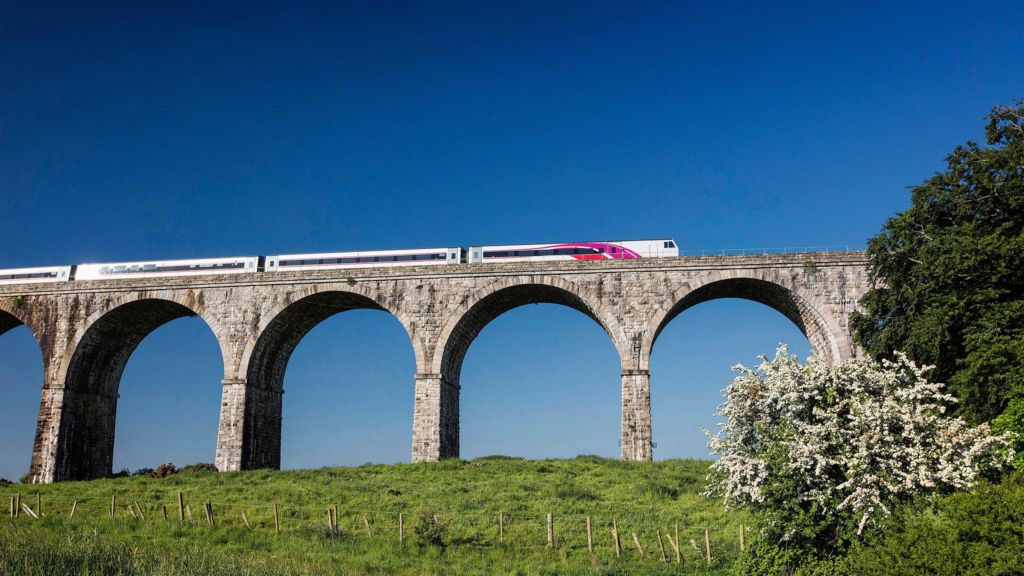
The single largest slice of this new funding, €228m (£197m), is earmarked for upgrading intercity rail connections across the two jurisdictions. Of this total, €193m (£166m) will go toward modernizing critical infrastructure along the Londonderry-Belfast-Dublin corridor, while the remaining €35m (£30m) will secure hourly Dublin-Belfast passenger services through at least 2030. Working in partnership, the Irish and Northern Irish governments have also set a target of cutting transfer times between the Dublin-Belfast and Belfast-Derry lines to just 15 to 20 minutes, slashing travel friction and boosting seamless connectivity between the three major urban centers.
Beyond rail upgrades, the funding package supports a wide range of cross-border priorities spanning sports, infrastructure, environment, and education. A £3m contribution from the fund will go toward redeveloping cricket facilities at Belfast’s Stormont Estate, part of preparations for the 2030 Men’s T20 Cricket World Cup, which will be co-hosted by Ireland and the UK. Cricket Ireland and the Northern Ireland Civil Service Sports Association are each adding an extra £1m to the project, which will bring the Stormont grounds up to the international standard required to host World Cup matches. Expected to draw a global audience of hundreds of millions – the 2022 iteration of the tournament recorded 3.95 billion total viewing hours across all platforms – the 2030 event is set to be the largest broadcast sporting event in the island’s history.
A €40m (£34m) allocation has also been approved for an island-wide port development scheme, designed to expand cargo handling capacity at ports across Ireland to support growing trade and logistics demand. Another €30m (£26m) will fund the third phase of the Ulster Canal restoration project. This stage, which stretches 10km from Clonfad to Castle Saunderson, represents the flagship blueway segment of the wider restoration, creating new and refurbished navigable waterways that connect Clones to the existing Erne System and Shannon-Erne waterway. The project will also deliver a new 9km Ulster Canal Greenway for pedestrians and cyclists running from Clones to Gortnacarrow, boosting recreational tourism across the border region.
One of the most high-profile environmental projects to receive backing is a €33m (£28m) Lough Neagh Catchment Area Water Quality programme, aimed at addressing the severe blue-green algae outbreaks that have blighted the UK’s largest freshwater lake in recent years. The funding follows repeated cross-border discussions on the ecological crisis at the North South Ministerial Council, with Northern Ireland’s Agriculture, Environment and Rural Affairs Minister Andrew Muir describing the declining state of Lough Neagh as “one of the most distressing and visible environmental crises” Northern Ireland has faced in modern times. “This funding represents a joint commitment to our island’s largest freshwater lake and a substantial investment in its future,” Muir noted. The multi-faceted programme will combine on-the-ground infrastructure improvements with targeted resourcing, cross-border knowledge sharing, and collaborative governance to tackle the root causes of poor water quality and reverse ecological damage across the catchment area.
On the social development front, €13.5m (£12m) from the fund will expand professional development opportunities for early years educators across the island, creating 1,000 new upskilling places – 40% of which are reserved for educators based in Northern Ireland. The investment will also roll out a tailored training and capacity-building programme for more than 10,500 early learning and childcare providers, including registered childminders, with specialized resources to support the needs of all young children, including those with additional developmental requirements.
Announcing the approval of the new projects, Irish Taoiseach Micheál Martin emphasized the long-term vision guiding the Shared Island Fund investment. “This is a major investment for our shared future on the island of Ireland with €377m committed through the Shared Island Fund for 12 new programmes,” Martin said. “This brings total government allocations from the fund so far to over €1bn, building a more connected, sustainable and prosperous island for all communities.”