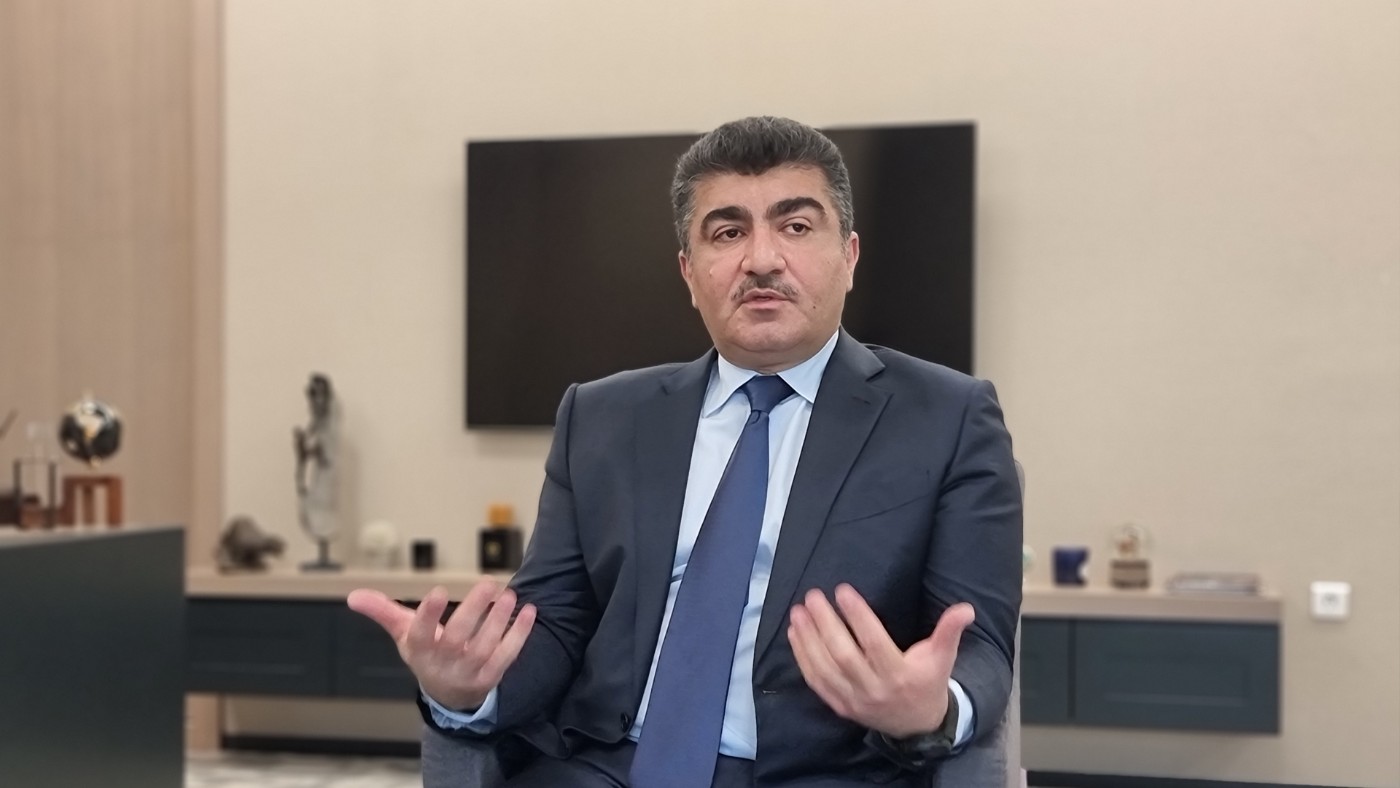
A senior Kurdish military commander in Iraq has vehemently denied any intentions to invade Iran while expressing profound frustration over persistent Iranian attacks on Kurdish positions. Major-General Sirwan Barzani, a prominent Peshmerga leader and successful businessman, revealed that Iran has launched approximately 430 drone and missile assaults against the Kurdistan region of Iraq since the commencement of US-Israeli military operations against Iran on February 28.
Speaking with Middle East Eye on Tuesday, coinciding with a devastating Iranian ballistic missile strike that killed six Peshmerga soldiers and wounded thirty others, Barzani characterized the attack as an act of terrorism. The commander, who bears responsibility for maintaining Kurdish defensive lines against the Islamic State in northern Iraq, emphasized the historical and trade relations between the Kurds and Iranians while questioning the rationale behind the continuous assaults.
Despite his visible anger, Barzani firmly dismissed Western media reports suggesting Iraqi Kurds were facilitating border crossings for Iranian Kurds to combat Iranian forces. “We have not made such a decision. This is not our job,” he stated, clarifying that their duty exclusively involves defending Iraqi Kurdistan.
The situation has grown increasingly complex with the involvement of Iranian-backed Iraqi factions, particularly elements within the Popular Mobilization Forces (PMF). Barzani revealed that 85-90% of attacks on the Kurdistan region originate from these PMF groups, some of which he claims attack Kurdish positions more frequently than Iran itself. These hardline factions have also targeted Iraq’s oil fields, military installations, and intelligence headquarters, potentially jeopardizing the nation’s economy and international relations.
The conflict has drawn in multiple international actors, including a March incident where an Iranian drone strike near Makhmur killed one French soldier and injured six others. Barzani asserted that Iranian intelligence possesses comprehensive knowledge that Western allegations about French training of Kurdish groups are unfounded.
With the US-led coalition scheduled to withdraw from Iraq by September 2026 under a 2024 agreement, regional tensions continue to escalate. Barzani noted that even before the current conflict, several coalition countries had already relocated their forces from Erbil due to security concerns.
The Kurdish commander expressed particular concern about attacks on civilian infrastructure, including his own Korek Mountain Resort which has been struck seventeen times. He warned that Iran’s current policy risks causing irreparable damage to regional relations, suggesting that targeted nations will eventually demand accountability for infrastructure destruction during future negotiations.