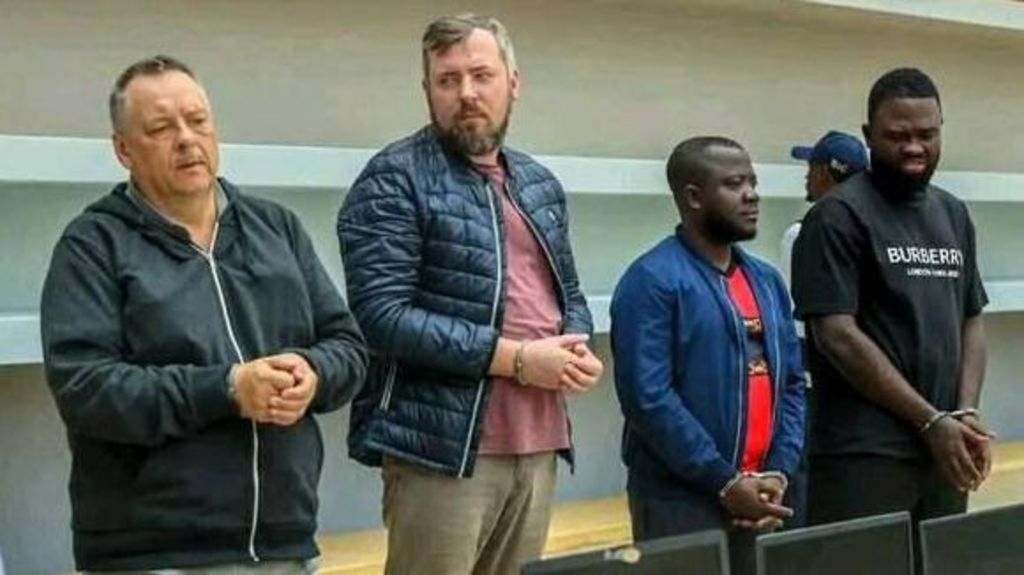
Angola is preparing to try two Russian nationals and two Angolan citizens in a landmark case alleging foreign election interference, disinformation campaigns, and anti-government activities. The defendants—Russian political consultant Igor Ratchin, translator Lev Lakshtanov, Angolan sports journalist Amor Carlos Tomé, and political activist Francisco Oliveira—have been detained in Luanda for eight months facing charges ranging from terrorism and espionage to influence peddling.
According to prosecution documents obtained by the BBC, the Russian defendants allegedly operated under Africa Politology, a shadow network emerging from the dissolved Wagner Group. The indictment claims they orchestrated a sophisticated operation to manipulate Angola’s political trajectory ahead of next year’s presidential election through disinformation dissemination and protest instigation.
The defense teams vigorously challenge these allegations, arguing the indictment lacks concrete evidence and relies on conjecture. Russian counsel maintains their clients were merely establishing a cultural ‘Russian House’ in Luanda without state sponsorship or connections to Wagner operations.
This case unfolds against shifting geopolitical alliances. Angola, a significant oil and diamond producer, has gradually distanced itself from Moscow under President João Lourenço’s administration. Russian entities like diamond miner Alrosa and bank VTB have exited Angola due to Ukraine-related sanctions, while Lourenço has strengthened ties with Western nations.
Analysts interpret the alleged operation as reflecting Russian anxiety over Angola’s geopolitical reorientation. ‘This demonstrates Russian discomfort with Angola’s direction under Lourenço,’ noted Alex Vines of the European Council on Foreign Relations. ‘There’s clear disinformation intent to build sympathy toward Russia.’
The prosecution alleges the network employed multiple tactics: recruiting local journalists, commissioning propaganda articles, and making payments exceeding $24,000 to influence Angolan media. They allegedly impersonated legitimate news sources, with one Facebook page mimicking Angola 24 Horas publishing content criticizing Western-backed infrastructure projects like the Lobito Corridor.
Most seriously, prosecutors claim the group orchestrated July’s deadly protests—the worst since Angola’s civil war ended—that resulted in 29 deaths and 1,200 arrests. The indictment cites phone notes and photographs as evidence, though defense attorneys counter that Ratchin documented protests solely for personal safety.
Local journalists and human rights researchers question the prosecution’s narrative, suggesting authorities may be using foreign defendants as scapegoats for organic discontent driven by poverty affecting 40% of Angolans. The indictment itself contains inconsistencies, including disputed timelines regarding Wagner-linked operative Maxim Shugalei’s whereabouts.
Legal expert Rui Verde notes the prosecution must demonstrate deliberate coordination among the alleged activities to prove subversion intent. If convicted, the Russians face potential repatriation, though Russian diplomatic sources suggest limited official concern for ‘contractors’ not on state missions.