Across the diverse landscapes of Africa, centuries of accumulated wisdom held by indigenous and local communities could hold a critical solution to growing regional food insecurity and biodiversity conservation, according to leading environmental experts. The findings were presented during a recent virtual webinar hosted by the African Forest Forum, where specialists outlined the dual threats facing both forest ecosystems and the traditional knowledge systems that have sustained them for generations.
Doris Mutta, senior program officer at the African Forest Forum, explained that forest and tree-based agricultural systems act as a crucial complement to conventional farming, delivering more nutritionally diverse diets for vulnerable populations across the continent. “Conventional agricultural strategies have failed to eliminate global hunger, leaving billions with unbalanced diets that lack nutritional diversity and forcing low-income communities to bear the full brunt of volatile global food prices,” Mutta noted in her address.
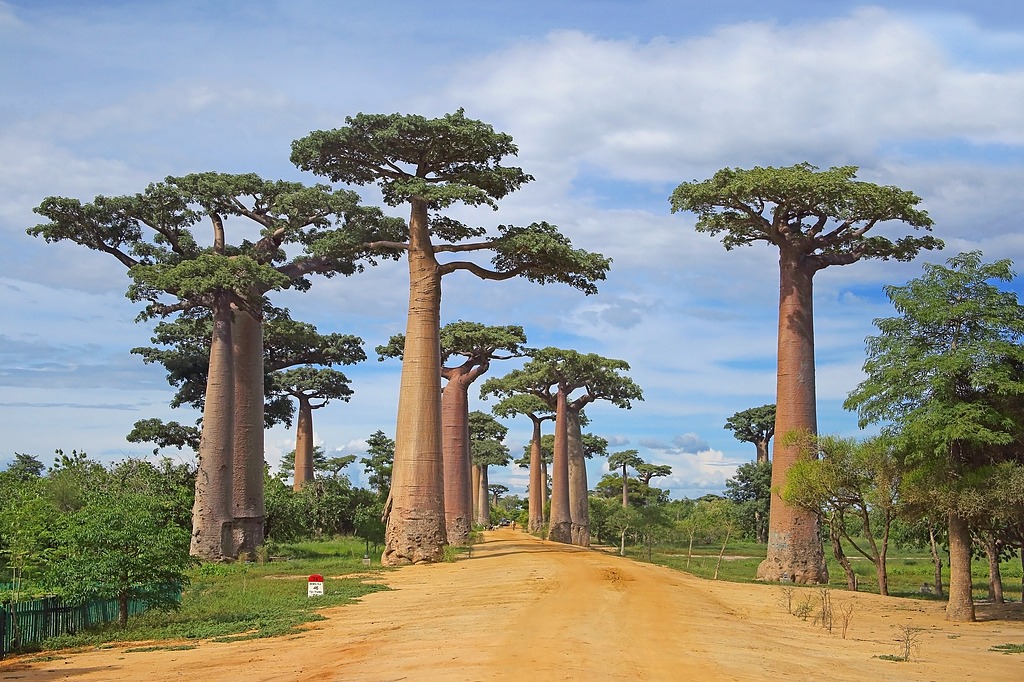
For most rural and indigenous African communities, wild and cultivated forest products are not an alternative food source—they are a core foundation of daily nutrition and a key buffer against the growing impacts of climate change. Native species including baobab, marula, shea, and tamarind do more than fill gaps in household food supplies: they have become valuable commercial products in both local and global markets. Baobab, which is naturally high in vitamin C, is now a popular ingredient in smoothies, energy bars, and commercial dietary supplements, while marula oil is a staple in global cosmetics and pharmaceutical products. Shea butter remains one of the most widely used ingredients in global food and confectionery manufacturing.
Mutta emphasized that indigenous knowledge offers irreplaceable insights into sustainable natural resource management and ecosystem stewardship that drive human development across multiple sectors. Over thousands of years, traditional African farmers have selectively bred crop varieties with adaptive traits that modern agriculture still relies on, including natural drought tolerance, pest resistance, and enhanced nutritional content—all of which directly strengthen long-term food security. Beyond crop development, this traditional knowledge supports sustainable land management and preserves agrobiodiversity, a critical genetic resource that feeds innovation in modern agricultural research.
Despite these profound benefits, Mutta warned that this invaluable knowledge is eroding at an alarming rate, driven by shifting lifestyles that pull younger generations away from rural communities and accelerating environmental degradation across the continent.
Gracias Avakoudjo, a research assistant at the University of Abomey-Calavi’s Laboratory of Applied Ecology in Benin, shared on-the-ground data from the country’s Upper Guinean Forest, a globally recognized biodiversity hotspot that is home to 31 documented tree-based food species. While market demand for these native forest foods continues to grow, Avakoudjo reported that production is declining sharply, driven by deforestation, expanding industrial agriculture, habitat destruction, and poor natural regeneration of native tree populations.
“The loss of traditional knowledge is one of the most pressing issues we face,” Avakoudjo said. “When elder knowledge holders pass away, a wealth of irreplaceable conservation expertise passes with them.”
In the Horn of Africa, independent consultant Berhane Kidane Mengesha reported that researchers have documented 25 native forest food species, one edible leafy vegetable, and one resin-producing species that support household food security across the drought-prone region. “Forest-derived food species provide critical sustenance for local households, directly strengthening food security across the Horn of Africa,” he explained. Mengesha added that traditional knowledge has long guided the management and conservation of biodiversity hotspots across Ethiopia, Eritrea, Somalia, and Djibouti, where pastoral and agro-pastoral communities depend entirely on forest resources for their livelihoods. Even so, the region’s forest resources face growing threats from prolonged drought, expanding human settlement, rapid population growth, illegal charcoal production, and overharvesting.
In South Africa’s Maputaland-Pondoland-Albany biodiversity hotspot, Eco-logic Consulting consultant Derek Berliner has documented 115 edible forest species, at least 35 of which are also used as traditional medicinal plants. Berliner warned that illegal logging, poaching, and unsustainable harvesting of medicinal plants are degrading forest ecosystems and undermining decades of conservation work. He highlighted the critical role of indigenous cultural institutions—including sacred forest protection, traditional harvesting taboos, and community leadership structures—in long-term biodiversity conservation across the region.