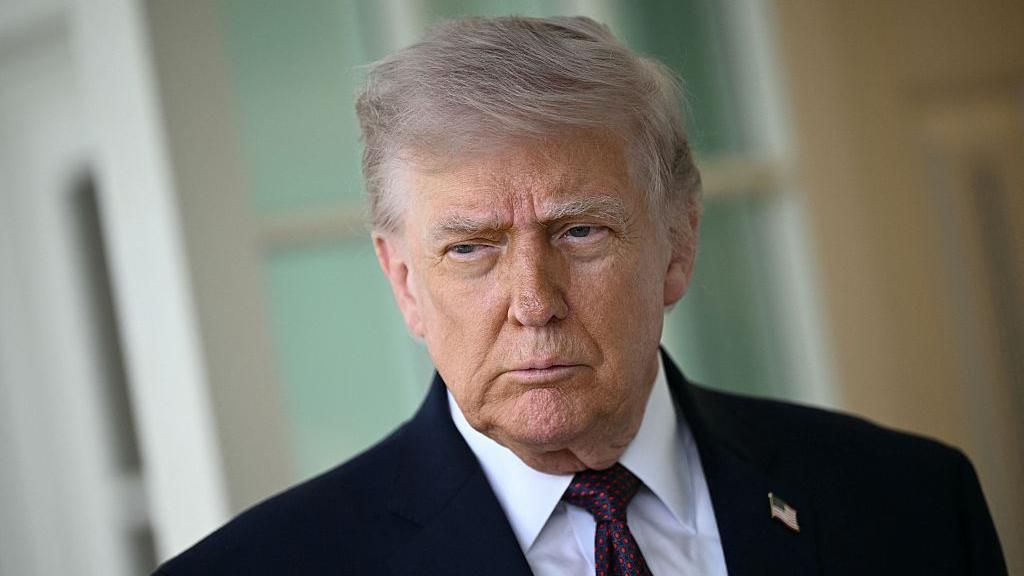
A diplomatic controversy has erupted between India and the United States after former and returning U.S. President Donald Trump shared inflammatory, anti-Indian comments made by podcaster Michael Savage to his Truth Social platform, drawing sharp condemnation from New Delhi and sparking public outrage across the country.
In the shared transcript of Savage’s commentary centered on U.S. birthright citizenship policy, the podcaster claimed immigrants from India and China are systematically abusing the 14th Amendment provision that grants automatic citizenship to children born on U.S. soil. Savage went further, making unsubstantiated claims that Indian and Chinese migrants have taken over high-tech hiring processes in California, displacing qualified white American workers, and referred to India and China as “hellholes” in his remarks.
India’s Ministry of External Affairs issued a formal public response to the incident, stopping short of naming either Trump or Savage directly but leaving no ambiguity about New Delhi’s position. The ministry described the comments as “uninformed, inappropriate and in poor taste,” emphasizing that they do not align with the longstanding foundation of the India-U.S. partnership, which is built on mutual respect and overlapping strategic and economic interests.
The criticism extended beyond the Indian government to the country’s main opposition bloc, the Indian National Congress, which labeled the remarks “extremely insulting and anti-Indian.” The party called on Prime Minister Narendra Modi’s administration to raise the issue directly with the U.S. president and formally register a strong diplomatic objection in a public post on X.
The controversy comes at a fragile moment for bilateral relations between New Delhi and Washington, which have faced growing friction since Trump returned to the U.S. presidency. Trump has repeatedly pressured India to cut all purchases of Russian crude oil, arguing that Indian import revenues help fund Russia’s ongoing military operation in Ukraine. In a temporary reversal earlier this year, however, the U.S. eased some sanctions restrictions to allow India to take delivery of millions of barrels of Russian oil that had been stranded at sea, preventing a potential domestic energy supply disruption.
Trade relations have also been turbulent under the second Trump administration. Last year, Trump imposed steep 50% tariffs on a range of Indian goods, with 25 percentage points of that levy framed as a penalty for India’s continued Russian energy purchases. Earlier this year, the administration rolled those tariffs back to 18% as part of an ongoing broader trade negotiation between the two powers. To advance efforts to repair strained ties, U.S. Secretary of State Marco Rubio is scheduled to conduct an official visit to New Delhi next month, a trip widely viewed as a key step toward resetting the bilateral relationship.
Consistent with his administration’s hardline stance on immigration, Trump has implemented sweeping new restrictions on unauthorized migration since returning to office, and has repeatedly argued that immigrants displace American workers in the U.S. labor market. A key policy target for the current administration has been the H-1B visa program, which allows U.S. companies to hire skilled foreign workers for specialty roles. Indian nationals account for the majority of H-1B visas issued annually; the program is widely credited with boosting U.S. innovation by attracting global talent, but critics, including Trump, claim it suppresses wages for domestic workers and limits employment opportunities for Americans.
Savage’s comments, which Trump amplified via his social media platform, align closely with the administration’s existing views on immigration and the H-1B program. All of Savage’s claims about systemic hiring discrimination against white workers in California’s technology sector were made without any supporting evidence to back the allegations.
The controversy is tied to a pending legal challenge before the U.S. Supreme Court, which is currently hearing arguments against a Trump executive order that seeks to end birthright citizenship for children born in the U.S. to undocumented immigrants and certain temporary visa holders. Savage’s remarks were framed as part of the broader public debate over that policy change.