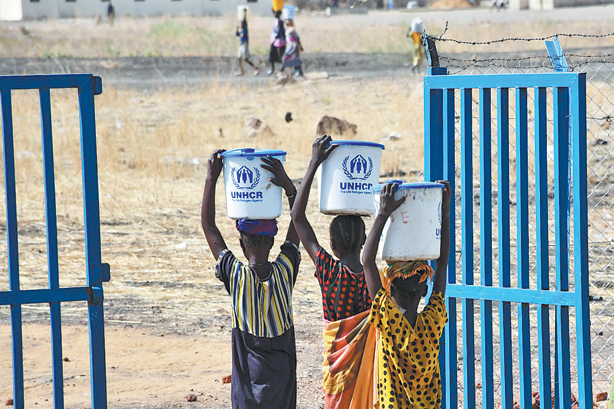
As Sudan prepares to mark the third anniversary of a brutal civil conflict that erupted between the Sudanese Armed Forces and the Rapid Support Forces paramilitary group on April 15, 2023, the nation is sinking deeper into one of the most catastrophic humanitarian emergencies the world has seen in decades. Aid organizations are sounding the alarm that the staggering scale of unmet need among vulnerable Sudanese communities has far outpaced the current international relief response.
New data from the International Rescue Committee underscores the severity of the crisis: over the past three years of continuous fighting, more than 12 million Sudanese people have been forced to flee their homes, and a full 34 million people — roughly two-thirds of the country’s entire population — now require life-saving humanitarian assistance to survive. This officially ranks Sudan’s crisis as the largest single humanitarian catastrophe on the global stage today.
Testimonies from conflict survivors and on-the-ground reports from aid groups paint a grim picture of daily life across vast swathes of Sudan. Displaced families repeatedly forced to flee new outbreaks of violence struggle to access basic necessities including nutritious food, clean drinking water, and life-sustaining medical care, with critical public infrastructure destroyed by ongoing fighting.
“The humanitarian situation in Darfur, and in Sudan in general, is extremely dire,” explained Ali Almohammed, emergency health manager for Doctors Without Borders (Médecins Sans Frontières, MSF). Almohammed characterized the crisis as defined by the total collapse of civilian protection systems, mass forced displacement, the near-total destruction of functional health services, and a catastrophic level of unmet medical and humanitarian needs that has left millions without support.
Women and children, he added, remain the most vulnerable groups caught up in the conflict, facing exponentially elevated risks of preventable disease, acute malnutrition, targeted violence, and total lack of access to essential life-saving care as fighting drags on with no end in sight. A March 30 report from MSF further highlights that danger persists for vulnerable communities even after they flee active front lines. Women and girls face persistent insecurity across every space they occupy — on travel routes, in local markets, when collecting food or tending to farms, and even inside overcrowded displacement camps, even when fighting has moved to other regions.
“Every day, when people go to the market, there are four or five cases of rape. When we go to the farm, this happens,” a 40-year-old woman from Sudan’s Jebel Marra region stated in testimony included in the MSF report.
MSF officials note that survivors of gender-based violence urgently require targeted support, including confidential clinical care, injury treatment, emergency contraception, prevention and treatment for sexually transmitted infections, dedicated child protection services, and clear, functional referral pathways to connect survivors with ongoing support.
As the conflict enters its fourth year, Almohammed says humanitarian organizations across Sudan are urgently calling for expanded international backing to scale up life-saving assistance and reestablish basic protection for civilians caught in the crossfire. Without immediate, concerted international action, aid leaders warn, Sudan’s humanitarian crisis will only continue to deepen, pushing millions more into life-threatening vulnerability in the months ahead.