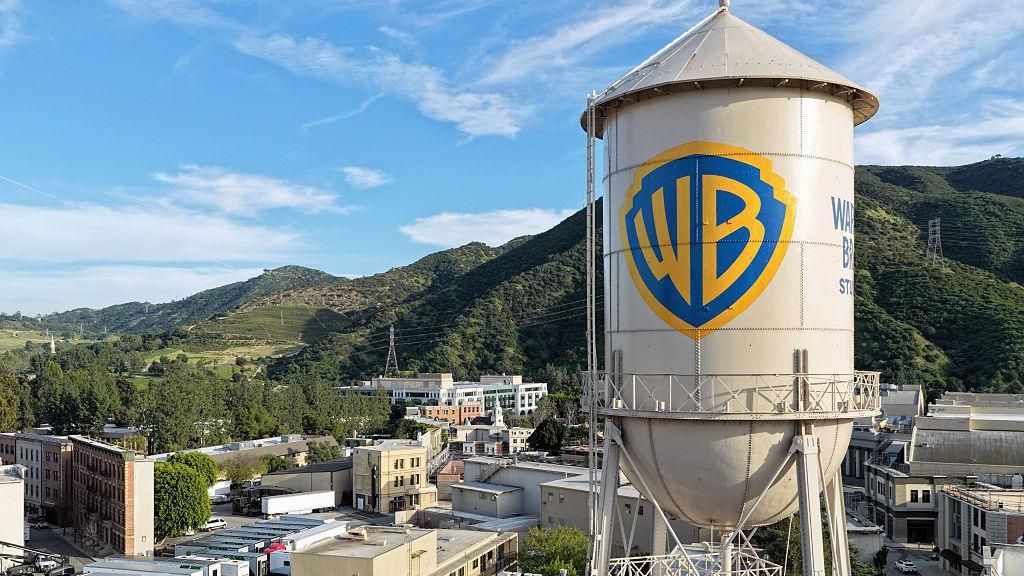
A growing coalition of more than 1,400 actors, directors, and filmmakers, including dozens of A-list Hollywood names, have united to publicly oppose the proposed $111 billion merger between Paramount Skydance and Warner Bros. Discovery, arguing the deal would deliver lasting damage to a U.S. entertainment industry already grappling with multiple crises. High-profile signatories ranging from Oscar winners Javier Bardem and Emma Thompson to comedy icon Ben Stiller and Australian star Rose Byrne have put their names to the open letter, which lays out a stark case against further media consolidation.
The core argument of the letter centers on the already highly concentrated nature of the global media landscape, with signatories warning that combining two major studios would shrink competition at exactly the moment the industry and its audiences can least afford reduced market variety. If the merger goes forward, it would cut the number of major U.S. film studios from five to just four, narrowing opportunities for creators, eliminating jobs across the entire production ecosystem, raising content costs for consumers, and leaving global audiences with less choice in the entertainment they consume, the document reads.
Other prominent industry figures adding their unequivocal opposition include Oscar nominee Kristen Stewart, Academy Award winner Glenn Close, and celebrated British actress Kristin Scott Thomas, with the BBC confirming that new names continue to be added to the signatory list days after the letter was published. The coalition closes its appeal with a formal call for California Attorney General Rob Bonta and other federal and state regulators to formally block the merger from moving forward.
One high-profile signatory, Damon Lindelof — the acclaimed co-creator of *Watchmen* and *Lost* who holds an existing overall deal with Warner Bros. Discovery — expanded on his opposition in public posts on social media. “Hollywood mergers mean fewer movies and fewer TV shows and that means fewer jobs,” Lindelof wrote. “When two storied backlots are owned by the same company, the outcome is intuitive — one becomes a Ghost Town. I’m scared. But I’m not a ghost. And a fight is already lost if it’s never fought.”
The proposed merger traces back to late February, when Paramount Skydance secured a deal to acquire Warner Bros. Discovery after streaming giant Netflix withdrew its months-long acquisition bid for the company, which controls a vast portfolio of iconic media brands including *Harry Potter*, *Friends*, Looney Tunes, and hit HBO series such as *Succession*, *Sex and the City*, and *Game of Thrones*, alongside cable news outlet CNN. Paramount Skydance itself is the product of a 2025 merger between David Ellison’s Skydance Media and the historic Paramount Pictures. Ellison, the company’s CEO and son of tech billionaire Larry Ellison, has already pushed back against critics’ claims, stating his plan is to keep Paramount and Warner Bros. as separate stand-alone film studios while increasing annual theatrical output to at least 30 high-quality feature films.
In an official response to the open letter published Monday, Paramount Skydance reiterated its stance that the merger would strengthen, rather than reduce, opportunities for creators. “As creators we know firsthand that this is also a moment when the industry has been facing significant disruption—and the need for strong, creative-first and well-capitalized companies that can continue to invest in storytelling has never been greater,” the company said. The statement added that the merged entity would be able to greenlight more original projects, back ambitious creative ideas, support talent throughout all stages of their careers, deliver content to global audiences at an unprecedented scale, and ultimately strengthen industry competition. Echoing an earlier response from Paramount, the company reaffirmed its commitment to maintaining independent creative leadership for its iconic brands and licensing existing content, saying the deal would “ensure creators have more avenues for their work, not fewer.”
The merger plan still faces two key remaining hurdles: it must first receive approval from Paramount Skydance and Warner Bros. Discovery shareholders later this month, before clearing review and receiving formal approval from U.S. government antitrust regulators. The BBC has reached out to Warner Bros. Discovery for additional comment on the open letter and the ongoing merger process.
Industry analysts frame the proposed merger as the latest symptom of a sector still struggling to recover from overlapping shocks in recent years: the lasting economic aftereffects of the COVID-19 pandemic, the 2023 dual work stoppages by the Writers Guild of America and SAG-AFTRA that shut down most Hollywood production for months, growing disruption from large tech companies entering the content space, and rapid shifts in consumer viewing habits that have upended traditional revenue models for studios.