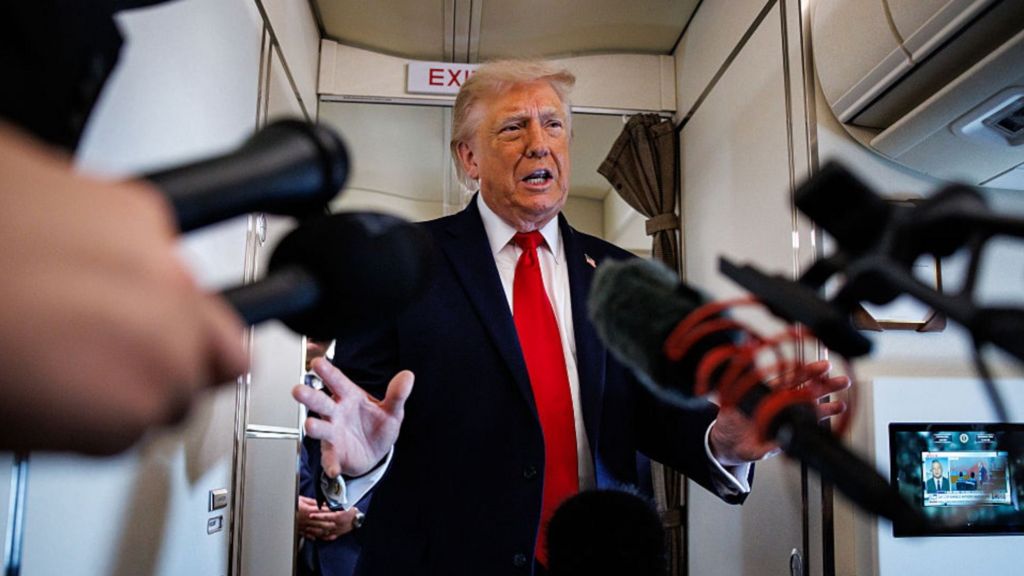
Two months after a fragile ceasefire halted open hostilities between Israel and Iran, the region has been jolted by a fresh escalation: the first mutual missile strikes between the two adversaries since the truce took effect. This sudden breakdown of the ceasefire has reignited urgent debate over the scope of U.S. influence over Israeli security policy, particularly surrounding the question of whether former U.S. President Donald Trump, who oversaw a dramatic shift in Washington’s Iran strategy during his tenure, retains any meaningful control over the trajectory of the long-running Israeli-Iranian conflict. The precarious ceasefire, which had been held together by behind-the-scenes diplomatic pressure and informal understandings, had raised cautious hopes that de-escalation could lead to broader talks. Instead, the exchange of missile strikes has pushed the already volatile Middle East closer to open full-scale conflict, leaving regional and global powers scrambling to assess the new security landscape. Analysts note that the resumption of hostilities underscores the deep mistrust between Israel and Iran, with each side viewing the other’s actions as a deliberate provocation. For Washington, the new outbreak of violence also revives longstanding debates about the extent of U.S. leverage over its closest Middle Eastern ally, as well as the consequences of the Trump administration’s maximum pressure campaign against Iran that reshaped the regional security order years ago.