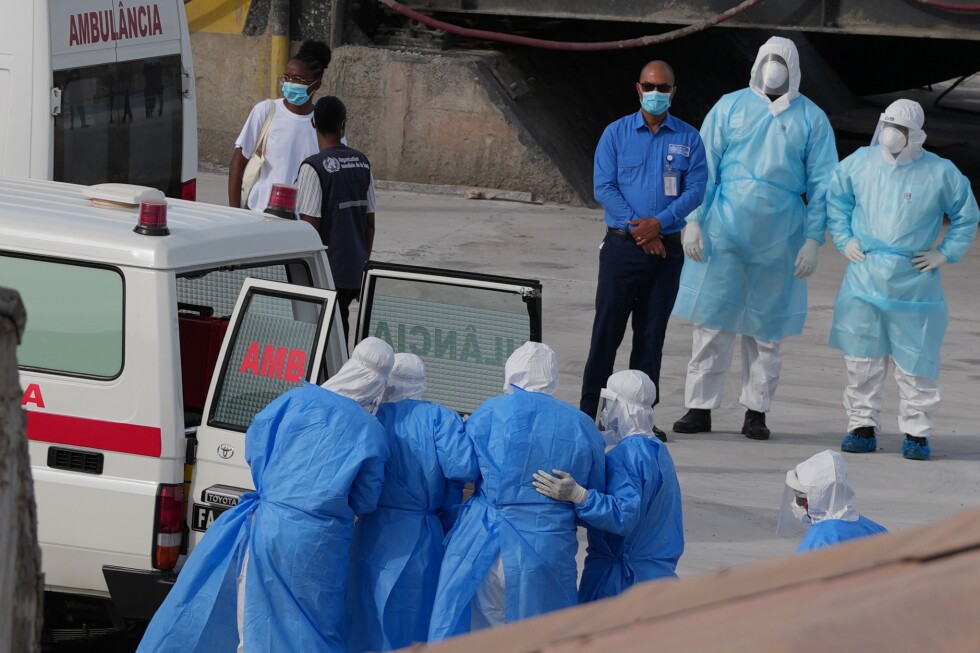
In the wake of three fatalities linked to a deadly hantavirus outbreak aboard an Atlantic cruise ship, Argentine health authorities and infectious disease experts are racing to trace the origin of the infection and confirm whether the virus was contracted within the country’s borders. This high-stakes investigation unfolds as Argentina faces a sharp nationwide surge in hantavirus cases, a trend that leading local public health researchers directly connect to the accelerating impacts of human-caused climate change.
Already ranked by the World Health Organization as the Latin American nation with the highest incidence of this rare rodent-borne illness, Argentina is seeing the virus expand its geographic reach at an alarming rate. Experts explain that rising regional temperatures alter native ecosystems, creating more hospitable habitats for the rodents that carry hantavirus, particularly the Andes strain endemic to South America. People typically contract the virus through direct exposure to infected rodents’ droppings, urine, or saliva.
Hugo Pizzi, a leading Argentine infectious disease specialist, noted that climate change has gradually shifted Argentina’s climatic zones toward more tropical conditions, bringing not just the spread of better-known tropical diseases like dengue and yellow fever, but also new vegetation that produces abundant seeds to fuel rodent population booms. “There is no doubt that as time goes by, the hantavirus is spreading more and more,” Pizzi emphasized.
Official data released by Argentina’s Health Ministry on Tuesday underscores the scale of the surge: the country has recorded 101 confirmed hantavirus infections since June 2025, nearly double the total number of cases reported during the same 12-month period in 2024. The Andes hantavirus causes hantavirus pulmonary syndrome, a severe respiratory illness with a sharply rising mortality rate. Over the past year, nearly one in three confirmed cases have ended in death, up from a 15% average mortality rate recorded over the previous five years. Authorities confirmed that the positive cases detected aboard the MV Hondius, a Dutch-flagged cruise ship, are the Andes strain.
The cruise ship, which departed on an Antarctic voyage from Ushuaia — Argentina’s southernmost port city nicknamed the “End of the World” — has now been linked to three passenger deaths. According to the World Health Organization, the first fatality was a 70-year-old Dutch man who died on April 11, followed by his 69-year-old wife, also Dutch, on April 26, and a third passenger, a German woman, on May 2. Investigators are still working to pinpoint exactly when and where the infected passengers contracted the virus, a challenge complicated by hantavirus’s 1-to-8 week incubation period. The voyage departed Argentina on April 1, meaning infections could have occurred pre-departure in Argentina or Chile, during a scheduled stop at a remote South Atlantic island, or onboard the vessel itself.
Notably, Tierra del Fuego, the province where Ushuaia is located and where the cruise ship docked for weeks before departure, has never recorded a locally acquired hantavirus case. The WHO confirmed the Dutch couple went sightseeing in Ushuaia and traveled through other parts of Argentina and Chile before boarding. Two anonymous investigators familiar with the probe, who are not authorized to speak to media amid ongoing evidence collection, said the Argentine government’s leading working hypothesis is that the couple contracted the virus during a bird-watching trip in the Ushuaia area. Investigators are also tracing the couple’s travel through forested Patagonian hillsides, a region where hantavirus infections have historically clustered.
Raul González Ittig, a genetics professor at the National University of Córdoba and researcher with Argentina’s national science body CONICET, warned that the virus’s overlapping early symptoms with common influenza create additional public health risks. “Tourists might think they just have a cold and not take it seriously. That makes it particularly dangerous,” Ittig explained. Just this week, the Río Negro Provincial government confirmed Bariloche, a popular Patagonian mountain resort town and the most common northern entry point to the Patagonia region, recorded its first confirmed human hantavirus case of 2026, with the patient hospitalized by Wednesday.
Experts point to shifting climate patterns in Argentina as the root cause of the virus’s spread. In recent years, the country has endured historic droughts interspersed with extreme, unseasonal rainfall — part of a global pattern of erratic extreme weather driven by climate change. This climatic volatility creates ideal conditions for hantavirus-carrying rodent populations to expand: prolonged dry periods push rodents out of their native habitats in search of food and water, while heavy rainfall triggers surges in vegetation growth that produce more seeds, increasing food supplies for rodents.
“When precipitation increases, food availability increases, rodent populations grow, and if there are infected rodents, the chance of transmission between rodents — and eventually to humans — also increases,” Ittig said. Where hantavirus cases were once restricted to southern Patagonia, the Health Ministry now reports 83% of all national cases occur in Argentina’s far northern regions. In January, the ministry issued a public health alert over multiple fatal hantavirus outbreaks, including several in Buenos Aires province, Argentina’s most populous.
Pizzi noted that climate change has completely reshaped the country’s epidemiological landscape. “The ship may be an isolated case. But this virus isn’t going anywhere,” he said. Authorities are currently working to map the full travel itineraries of all infected passengers before they boarded the cruise, with plans to trace and monitor close contacts to prevent additional secondary spread of the virus.