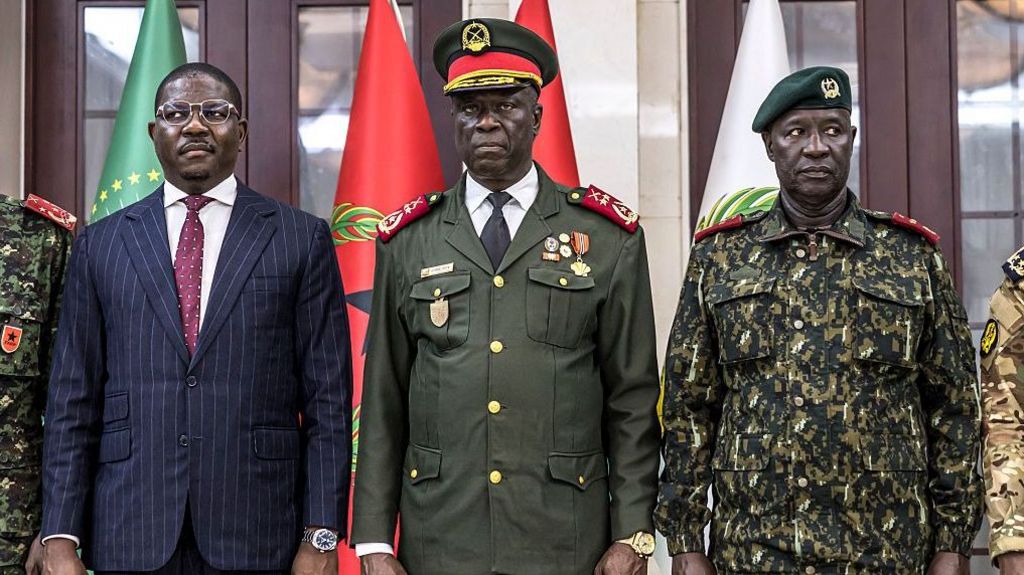
One year to the day after Guinea-Bissau’s armed forces carried out a coup that ousted elected President Umaro Sissoco Embaló, the country’s transitional military leadership has formally pushed back previously scheduled presidential and parliamentary polls by a full two years, extending the timeline for a return to civilian governance to November 2028. In an official public decree issued by Transitional President General Horta N’Tam, elections originally slated for 6 December 2026 have been rescheduled for 26 November 2028, a move that breaks the military’s original public pledge to hand power back to a civilian elected government within 12 months of seizing control. A formal statement released by the transitional presidency justified the unexpected delay, noting that a comprehensive audit of ongoing electoral preparation efforts confirmed critical shortfalls in technical infrastructure, material supplies, and allocated funding that made it logistically impossible to deliver free and fair polls on the original timeline. Officials added that the extended two-year window would allow electoral authorities to address all existing gaps, ensuring the final vote is fully credible, operationally transparent, and politically inclusive, with every registered candidate granted equal access to campaign resources and electoral processes. The transitional government also reaffirmed its long-stated commitment to organizing the country’s first ever local municipal elections, though no specific timeline or funding roadmap for that vote has been released to the public to date. The coup that brought Gen N’Tam to power took place in November 2025, just three days after the conclusion of national general elections and 24 hours before electoral authorities were set to publish provisional vote counts. At the time of the takeover, both ousted incumbent Embaló and his leading opposition challenger Fernando Dias had publicly declared themselves the rightful winner of the contested vote. Embaló has remained in exile in Morocco since being removed from office, and transitional authorities formally barred him from re-entering Guinea-Bissau just one month prior to the election postponement announcement, even after the former president publicly stated his intention to run as a candidate in the now delayed 2026 polls. Since gaining independence from Portuguese colonial rule in 1974, the small West African nation has faced a long history of political instability, marked by more than a dozen successful and attempted military coups over the past five decades.