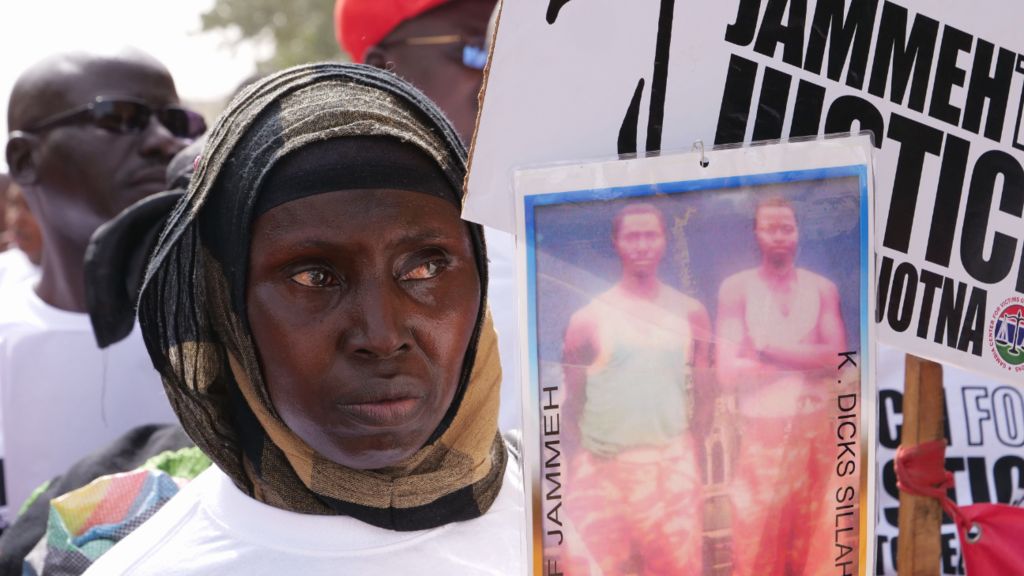
Almost a decade after former Gambian leader Yahya Jammeh suffered an unexpected electoral defeat that forced him from power after 22 years of authoritarian rule, survivors of his regime’s systematic human rights violations have finally secured a landmark step in their long fight for accountability.
British barrister Martin Hackett, a seasoned international war crimes prosecutor with decades of experience investigating grave atrocities, has been named The Gambia’s inaugural special prosecutor to pursue individuals implicated in the widespread repression, enforced disappearances, and extrajudicial killings that marked Jammeh’s time in office. Jammeh fled to exile in Equatorial Guinea in early 2017, after regional military intervention compelled him to step down following his rejection of the 2016 election results.
Hackett will lead a purpose-built new office tasked with adjudicating cases from the Jammeh era, a period that documentation has confirmed was rife with systematic human rights abuses. His appointment comes years after the West African nation established the Truth, Reconciliation and Reparations Commission (TRRC), a transitional justice body created to map the full scale of alleged violations committed under Jammeh’s rule. The TRRC collected harrowing firsthand testimony from hundreds of victims, former state security agents, and other witnesses before delivering its final report to current President Adama Barrow in 2021. In that report, the commission explicitly named the individuals most responsible for abuses and formally recommended criminal prosecution, while also stressing the urgent need for reparations for survivors—warning that inaction would cement a culture of impunity in The Gambia.
To date, the TRRC has begun rolling out phased compensation disbursements, starting with victims of abuses that took place in the immediate aftermath of the 1994 coup that brought Jammeh to power. Yet for the vast majority of survivors, financial reparations remain a secondary priority to holding perpetrators legally accountable for their crimes.
The TRRC’s investigation highlighted dozens of high-profile atrocities, among them the 2004 assassination of independent journalist Deyda Hydara, a killing that drew international condemnation of press freedom violations in The Gambia. Another of the most shocking cases uncovered was the execution of more than 50 mostly West African migrants, who were killed by state security forces on false charges of plotting a coup against Jammeh.
Before Hackett’s appointment, a small number of lower-level perpetrators had already faced conviction outside The Gambia under the principle of universal jurisdiction. Multiple former members of the Junglers—Jammeh’s notorious paramilitary death squad—have been sentenced to prison in Germany and the United States for their roles in atrocities.
Hackett brings extensive international credibility to the new role, having previously served with the UN-backed Special Tribunal for Lebanon and led investigations into war crimes committed by senior military commanders during the Kosovo conflict. Legal and transitional justice observers widely view his appointment as a definitive turning point toward establishing full domestic accountability for decades of abuse.
Gambian Attorney General Dawda Jallow confirmed that Hackett was selected from a large pool of qualified applicants and will serve a four-year mandate in the role. Jammeh, now 60 years old, has repeatedly denied all allegations of wrongdoing during his rule. He refused to cooperate with the TRRC’s investigation and remains in exile in Equatorial Guinea, beyond the reach of Gambian judicial authorities for the time being.