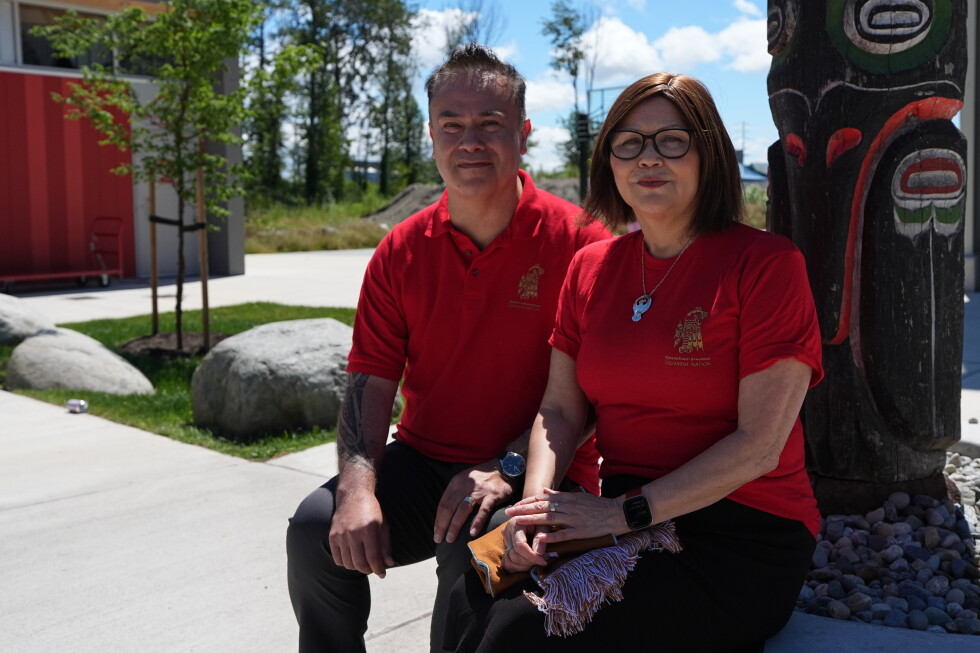
As soccer fans pack Vancouver’s 2026 FIFA World Cup fan festival, filling the air with cheers broadcast on giant screens and the aroma of local Canadian specialties like poutine, one element sets this fan zone apart from those of many past major international tournaments: curated exhibits highlighting the three Indigenous nations that have lived on this land since time immemorial — the Squamish, Musqueam, and Tsleil-Waututh peoples. This inclusion is no afterthought: the three First Nations hold formal partnership status with the local World Cup organizing committee, building on a groundbreaking precedent set at the 2010 Vancouver Winter Olympics.
This model of centering Indigenous voices in mega-sporting events has become an increasingly common industry standard, spreading from the 2023 Women’s World Cup co-hosted by Australia and New Zealand to the upcoming 2028 Summer Olympic Games in Los Angeles. For Vancouver organizers, the core goal was to move beyond performative recognition, seat Indigenous leaders at the planning table from day one, and create a sustainable platform that elevates public awareness of local Indigenous communities while leaving long-term, tangible benefits for future generations.
“What we learned from the 2010 Games, and what we carry forward today, is that a key message of this partnership is to share the incredible cultural diversity that shapes this region,” explained Tewanee Joseph, who leads major events strategy for the Squamish Nation and previously served as CEO of the Four Host First Nations for the 2010 Vancouver Winter Olympics. “We are not a people who only exist in history books. We are still here, we are living, and our cultures are thriving today.”
The 2010 Winter Games marked a historic turning point for Indigenous inclusion in global sports: it was the first time the International Olympic Committee formally granted Indigenous groups status as official co-host partners for the event, which was held on the traditional territories of the Squamish, Tsleil-Waututh, Musqueam, and Lil’Wat nations.
Vancouver is not the only 2026 World Cup host city to embed Indigenous leadership in its planning. In Seattle, the Puyallup Tribe holds the title of official Presenting Legacy Sponsor for the city’s 2026 World Cup host organization, SeattleFWC26. Toronto opened its 2026 World Cup welcoming ceremonies with performances by Indigenous dancers and Grammy-nominated Peguis First Nation musician William Prince, while the city’s fan festival hosts the Tkaronto Market, which showcases handcrafted goods and art from local Indigenous creators. South of the border in Mexico, FIFA has partnered with the National Fund for the Promotion of Handicrafts to elevate Indigenous artisans, who create unique soccer-themed folk art for the tournament.
FIFA has formalized this commitment for the 2026 tournament, naming Indigenous engagement as a central pillar of its global sustainability and human rights strategy, with a mandate to build respectful collaborative relationships with Indigenous communities across all three 2026 host nations: Canada, the United States, and Mexico. This policy builds on work the governing body launched in 2023, when it partnered with the Office of the United Nations High Commissioner for Human Rights to run the Unite for Indigenous Peoples campaign.
The 2023 Women’s World Cup in Australia and New Zealand served as a test case for this new inclusive framework. Led by an advisory panel of six Indigenous women, FIFA fully integrated First Nations culture in Australia and Māori culture in New Zealand into every level of tournament operations. Indigenous place names and terminology were added to all official signage, Indigenous flags were flown full-time at match stadiums, New Zealand featured the traditional Māori karanga welcome call before every match, and Australia included formal Welcome to Country ceremonies led by Aboriginal or Torres Strait Islander elders at all pre-match events.
The push for deeper Indigenous inclusion extends far beyond FIFA’s World Cup events. Organizers for the 2028 Los Angeles Olympics drew on the Indigenous origins of lacrosse to reinstate the sport as an official Olympic medal event for the first time in more than a century, since the 1908 London Games. The Haudenosaunee Confederacy, which is widely recognized as the original creator of lacrosse, has lobbied for years to compete as an independent delegation at the Olympics, though that bid has not yet been successful.
For British Columbia’s Indigenous tourism sector, the World Cup partnership is more than a symbolic win — it delivers meaningful economic opportunity. Data from Destination British Columbia shows Indigenous tourism generates CAD 1.1 billion in annual economic activity for the province, with 31% of international travelers actively seeking out authentic Indigenous cultural experiences during their visits.
Indigenous Tourism BC’s Paula Amos notes that the fan festival exposure is designed to create long-term demand, not just short-term buzz during the tournament. “We’re telling visitors that once the final whistle blows on the World Cup, the experience doesn’t end here,” Amos explained. “We want to inspire people to come back with their families, to explore authentic Indigenous tourism experiences across the province. Vancouver is the perfect gateway to British Columbia, so we’re using this platform to highlight destinations and experiences across every region of the province to encourage longer, deeper visits.”
As formal planning partners, each of Vancouver’s three host First Nations will receive CAD 6 million to fund community legacy projects. The Squamish Nation has already announced plans to use its allocation to build a public youth soccer field in West Vancouver. But community leaders say the most important impact of the partnership cannot be measured in dollars or infrastructure.
For Joseph, the most meaningful outcome is seeing Indigenous community members participate openly and proudly in the global tournament. “My favorite part of this whole experience is seeing our nation’s members walking the streets of Vancouver, joining in the fan festival, gathering at our community watch parties, and carrying themselves with such pride,” he said. “Visitors ask questions about our culture, they want to learn about our role on this land, and that recognition means everything. To see our people front and center, standing tall and proud of who they are — those are the memories that will last. This is all about people, and the connection between different cultures that comes from this work.”