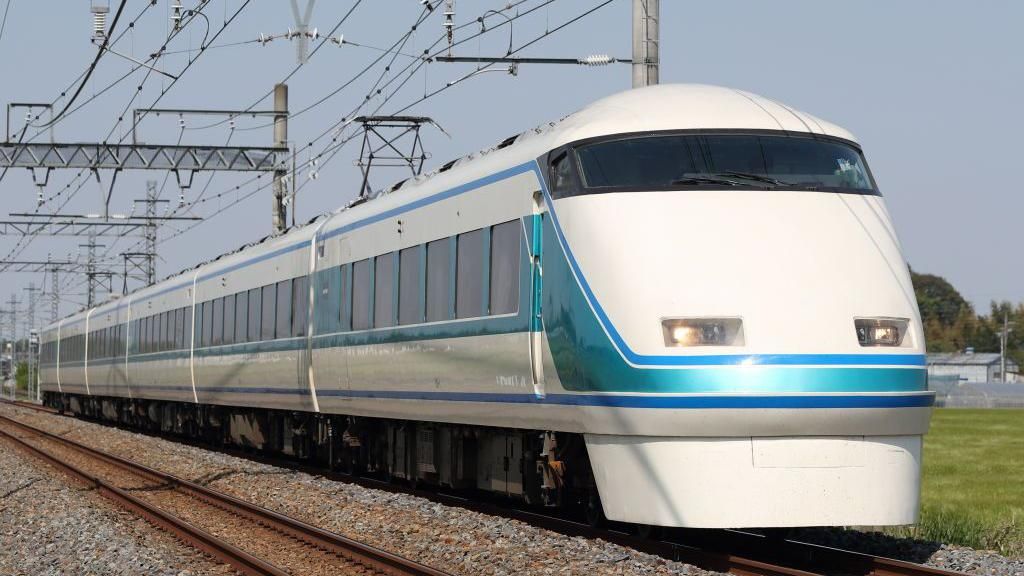
A devastating workplace accident has claimed the lives of four railway maintenance workers in Japan, after they were struck by a high-speed limited express train at Shin-Kanuma Station, located just north of Tokyo, according to official authorities. The collision occurred at approximately 10:46 a.m. local time on Thursday, while the crew was carrying out routine vegetation removal work along the active train tracks, local media outlets have confirmed.
Japanese police reported that when first responders arrived at the accident site, three of the workers were found trapped underneath the train carriages, while the fourth victim was located on the adjacent station platform. All four workers were pronounced dead at the scene.
Tobu Railway, the operator of the Tobu Nikko Line where the crash took place, has suspended all passenger services along the route indefinitely as investigators work to determine the exact cause of the incident. A passenger on the involved limited express train told Japan’s national public broadcaster NHK that they heard an unusual, jarring noise moments before the driver initiated an emergency stop. Passengers were held on board the train for an extended period while railway staff conducted an initial inspection of the train and tracks, the witness added.
NHK confirmed that the train involved in the crash is classified as a limited express service, the second-fastest category of passenger train in Japan’s extensive rail network, outpaced only by the world-famous Shinkansen bullet train.
Japanese daily newspaper Asahi Shimbun noted that standard railway safety protocols require a dedicated lookout employee to be stationed near track work zones to alert maintenance crews of approaching trains and prevent just such collisions. As of Thursday, it remains unclear whether this safety measure was properly implemented at the time of the accident.
Fatal railway incidents are extremely uncommon in Japan, a country that depends on a vast, nationwide rail network carrying millions of passengers daily, and which has a global reputation for rigorous rail safety standards.