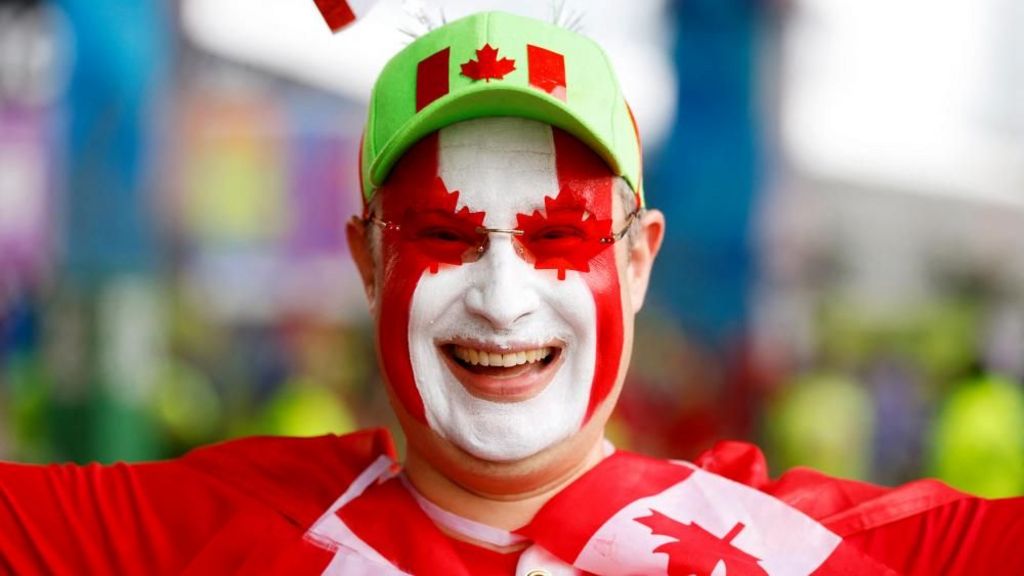
Long labeled the ‘forgotten co-host’ of the 2026 FIFA World Cup shared with the United States and Mexico, Canada has emerged from the tournament with a historic legacy that extends far beyond its 13 hosted matches, transforming domestic soccer culture and uniting the nation behind its men’s national team.
Heading into the tournament, few outside the country expected Canada to make waves on the pitch. Long overshadowed by the nation’s obsession with ice hockey, and competing with the already established popularities of Major League Baseball and the National Basketball Association, men’s soccer has long lived as a largely recreational pastime in Canada, even as the country’s women’s national team has climbed to ninth in the global FIFA rankings. This year, however, the underdog Les Rouges defied every projection to deliver the best men’s World Cup run in Canadian history.
Led by outspoken American head coach Jesse Marsch, Canada captured its first ever World Cup group stage point, claimed its first tournament win, and fought all the way to the knockout round of 16 – a milestone no Canadian men’s side had ever reached before – before bowing out to Morocco. For long-suffering Canadian fans, the historic run has already cemented itself as an unforgettable cultural touchstone. ‘They shocked everyone by making it as far they did,’ Calgary-based fan Matt Lorincz told reporters, echoing a widely shared sentiment across the country.
The co-hosting tenure for Canada wrapped up in early July with a round-of-16 match in Vancouver that saw Switzerland defeat Colombia. Over the tournament’s run, host cities Toronto and Vancouver delivered vibrant, fan-first experiences that earned praise from international visitors and football leaders alike. Portugal manager Roberto Martinez praised Toronto’s compact, temporary-seated stadium, comparing its electric atmosphere to classic old-school Premier League grounds, while Norwegian visitor Gudmund Agotnes noted the unbeatable vantage point that offered views of both the pitch and the city’s iconic skyline.
Beyond the on-pitch magic, the World Cup delivered tangible economic and cultural shifts across Canada. In British Columbia, local food service and hospitality industries saw an approximate 5% jump in alcohol sales compared to 2025, with widespread foot traffic injecting much-needed momentum into a Canadian economy facing ongoing stagnation. ‘It raised the spirits of the entire province. I think the whole conversation for the last four weeks had been about soccer,’ said Ian Tostenson, head of the British Columbia Restaurant and Foodservices Association, adding that the event proved Canadians would spend on shared, high-quality experiences even during economic slowdowns.
Domestic viewership numbers also underscore the growing pull of soccer in Canada: Bell Media, the official host broadcaster, reported the round-of-16 match against Morocco peaked at 11.7 million unique Canadian viewers, making it the most-watched non-final World Cup match in Canadian history. That figure outpaced the 9.8 million total viewers for the 2025 National Hockey League season opener, and average viewership for Canada’s round-of-32 matches beat the typical audience for the long-running iconic broadcast *Hockey Night in Canada*.
This growing momentum has already translated to tangible investment in the future of Canadian soccer. Canada Soccer, the sport’s national governing body, wrapped up a C$25 million fundraising campaign months ahead of schedule, with the windfall earmarked for expanded youth access, coaching development, national team programming, and the creation of a new national training centre.
Canadian political leadership has also leaned into the moment, embracing the opportunity to showcase the country on the world’s biggest sporting stage. Prime Minister Mark Carney, an avowed sports fan who made headlines as the only leader among the three co-host nations to attend multiple in-stadium matches, delivered a rousing pep talk to the Canadian team in the Vancouver locker room following their 6-0 group stage win over Qatar. ‘You showed a level of character that some people never achieve in their life,’ Carney told the squad. ‘And you showed it when a good part of the country and the world is watching.’ Sports Minister Adam van Koeverden framed the hosting opportunity as a meaningful milestone for Canada as a mid-sized global power, calling the experience a ‘sincere privilege’ that the nation did not take lightly.
Still, the 2026 World Cup has not been without controversy for Canadian co-hosts. Critics have pushed back on the C$1.1 billion in taxpayer funding allocated to prepare Canadian stadiums and infrastructure for the tournament, with Toronto alone spending an estimated C$380 million amid ongoing municipal budget pressures. ‘I don’t think that hosting the games made the city’s situation any better,’ Toronto City Councillor Josh Matlow said of the spending. Van Koeverden countered that public spending was prudent, arguing that the widespread economic activity generated by full stadiums, hotels, and restaurants more than recouped the initial investment.
Sports industry observers note that Canada was always set to play a less prominent role than its co-host the United States, which hosted the majority of matches and dominated international media attention amid heightened political attention around the Trump administration. Even so, industry analyst John Kristick, a former executive director of the tri-nation United Bid Committee, said the tournament has still fostered widespread national pride across Canada. ‘Every Canadian knows Canada is hosting it, and I think there’s been a great deal of national pride,’ Kristick said.
For Canadian fans, the biggest win extends far beyond economic numbers or historic match results. In a deeply divided era, the team’s run has drawn diverse communities together around a shared passion. ‘It brought a lot of people together in a very kind of segregated world that we’re living in,’ said Zeileen Reardon, a fan watching the Morocco match at a Calgary bar. ‘So, I think it actually showed the world that we can come together, even for a game.’
The question hanging over Canadian soccer now is whether this World Cup momentum will prove a one-time high or a permanent turning point. For the millions of new fans drawn to the sport over the past month, the ‘forgotten host’ has already secured its place in Canadian sports history.