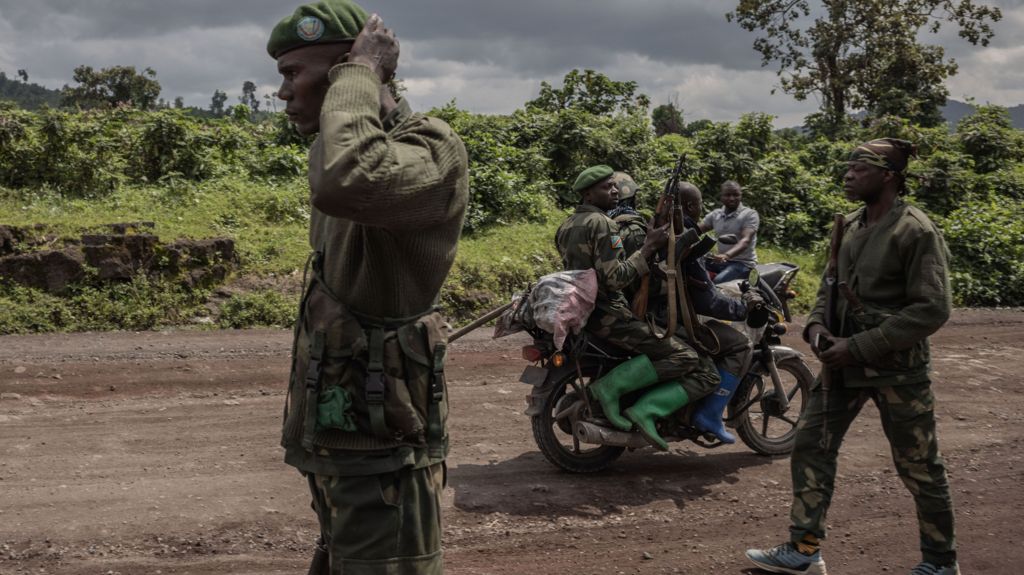
Democratic Republic of Congo’s military judicial system has delivered a sweeping set of rulings against 71 standing army personnel tried in a special military tribunal convened in Walikale, a restive hotspot in the country’s eastern North Kivu province, local independent media outlets confirmed this week. Of the full cohort of defendants, 66 have received the death penalty after being found guilty on multiple counts of cowardice, intentional mutiny, and willful refusal to follow direct operational orders, while four service members were fully acquitted of all charges, and one remaining soldier was handed a 10-year custodial sentence for related lesser offenses. All 71 troops were initially detained on October 20 in the Walikale operational zone, where prosecutors alleged they abandoned their assigned defensive positions and fled en masse during intense, sustained clashes with fighters from the Front for the Refoundation of the Nation (FRN), a powerful rebel coalition that counts the notoriously active M23 armed group among its core members. The Congolese national army’s high command has framed the high-profile mass trial as a deliberate, urgent measure to tighten internal discipline across frontline units, which have long been plagued by organizational chaos, inconsistent command structures, and widespread reports of unprofessional conduct that have repeatedly undermined counter-insurgency operations across eastern DR Congo. This mineral-rich, conflict-battered stretch of eastern DRC has grappled with decades of uninterrupted armed violence, with no durable ceasefire in place to end cycles of fighting between government forces and a shifting constellation of rebel and non-state armed groups. The latest round of mass death sentences comes just one month after a separate military tribunal handed down identical capital punishment rulings against 27 other troops on parallel charges of abandoning frontline posts during rebel engagements. The judicial crackdown follows the DRC government’s formal March 2024 decision to scrap a 20-year national moratorium on the death penalty, a policy shift that officials explicitly justified as a necessary tool to root out what they described as “traitorous” elements within the national armed forces. The revised capital punishment laws also extend the death penalty to individuals affiliated with non-state armed groups, perpetrators of insurrection, treason, and documented war crimes. The move to reinstate capital punishment drew immediate, widespread condemnation from international human rights organizations, which raised alarms over due process gaps and the risk of arbitrary use of the death penalty against low-ranking soldiers facing systemic structural hardships. No formal executions have been publicly recorded since the 20-year moratorium was lifted. Data compiled by leading French public broadcaster RFI shows that since the start of 2025, a total of 507 Congolese soldiers have been convicted in military courts across the country, with 381 of those rulings resulting in death sentences. The most high-profile capital punishment ruling to date came in October 2025, when former long-serving Congolese President Joseph Kabila was sentenced to death in absentia on charges including war crimes and treason; Kabila, who did not appear in court to mount a defense, has repeatedly denied all the allegations, and has since been publicly named as the official leader of the FRN rebel coalition. The DRC government has for years publicly accused neighboring Rwanda of providing material, logistical, and military support to the M23 armed group, a well-documented allegation that both the Rwandan government in Kigali and M23 leadership have consistently rejected. Rank-and-file Congolese soldiers have for decades raised public complaints over abysmally low pay, insufficient rations, outdated or non-existent combat equipment, and inadequate logistical support on the frontlines, issues that independent analysts say have contributed to the low morale and disciplinary failures that military leadership is now attempting to address through harsh judicial measures. Readers can access more in-depth coverage of stories across the African continent at BBCAfrica.com, and follow BBC Africa’s updates on X (formerly Twitter) via @BBCAfrica, on Facebook at the official BBC Africa page, and on Instagram at bbcafrica, alongside the network’s full slate of dedicated Africa-focused podcasts.