In the wake of the Democratic Party’s unexpectedly strong showing in the latest U.S. midterm elections, a veteran political strategist who masterminded former President Barack Obama’s 2012 re-election campaign has disclosed that more than two dozen high-profile Democratic figures are actively laying groundwork for potential 2028 presidential runs.
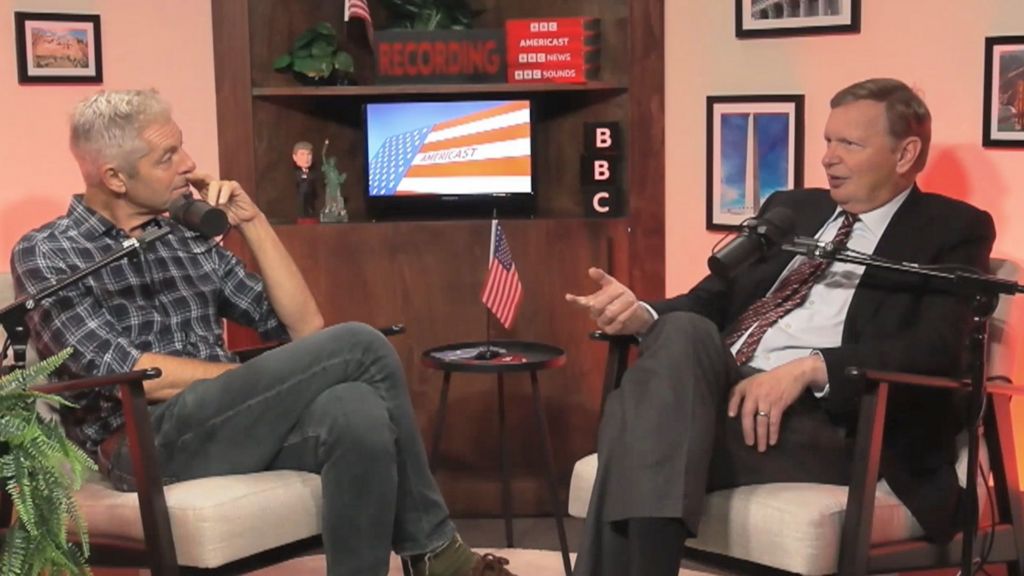
Jim Messina, who also served as Obama’s deputy White House chief of staff, shared his observations during an appearance on the BBC’s Americast podcast, noting that many of these prospective candidates have already launched preliminary operational steps: securing initial funding streams, recruiting core campaign staff, and even relocating key team members to support exploratory efforts for some high-profile gubernatorial hopefuls. Messina projected that the first formal announcements of presidential exploratory committees could come as early as the next two weeks, likely in the immediate aftermath of the Thanksgiving holiday.
While the pool of prospective candidates is currently large, Messina predicted it will narrow significantly in the coming months as contenders face the steep financial pressure of raising the massive war chests required to compete in grueling Democratic primary contests. He explained that in his private consultations with prospective candidates and their teams, he consistently presses them to articulate a clear, actionable economic vision for the country, with specific emphasis on policy frameworks for regulating and harnessing the growth of artificial intelligence.
A defining crossroads for all Democratic hopefuls, Messina argued, will be whether they allow their campaigns to become entirely consumed by responding to sitting President Donald Trump, or instead remain disciplined and centered on their own policy priorities. He went on to label the upcoming 2028 Democratic primary cycle the most fascinating presidential contest the party has navigated since the landmark 2008 race that first elevated Obama to the White House.
Messina attributed the party’s stronger-than-expected midterm performance to a rare display of message discipline: for the first time in years, Democratic candidates across congressional and state-level races avoided getting pulled into divisive partisan social culture war debates, and instead centered their platforms on pocketbook economic issues. This targeted messaging, he noted, allowed the party to flip long-held Republican seats in traditionally red states including Iowa, Kansas, and Texas, as campaigns highlighted the damaging impact of Trump-era trade tariffs on rural communities, where soaring costs for diesel fuel for farm equipment and everyday household goods left many voters disillusioned with incumbent Republican leadership.
Even amid these wins, Messina offered a note of caution to party leaders, emphasizing that the midterm results were not an unreserved public endorsement of the Democratic Party’s broader agenda. Instead, he argued that Trump himself was the de facto “most valuable player” of the Democrats’ midterm victory, as widespread voter frustration with his administration’s economic policies drove unprecedented turnout for Democratic candidates. The next major hurdle for the party, he added, will be bridging longstanding ideological divides between its progressive and centrist factions to pass cohesive legislative priorities in the new congressional session.
Dozens of Democrats eyeing 2028 presidential run, says former Obama aide