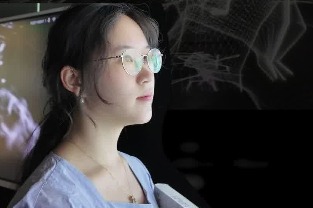
An innovative digital exhibition that blends cutting-edge technology with centuries-old Chinese cultural heritage has opened its doors at the Hong Kong University of Science and Technology (Guangzhou) [HKUST(GZ)], bringing the timeless allure of China’s famed Dunhuang Mogao Grottoes directly to a university campus. Titled ‘Cave Dance’, the Dunhuang-themed exhibition is the result of a groundbreaking cross-institutional and cross-border collaboration between a research team led by Professor Wang Zeyu at HKUST(GZ) and the Center for the Archaeological Materials and Advanced Technologies (CAMLab) at Harvard University.
Unlike traditional cultural exhibitions that rely on physical artifacts or static reproductions, this showcase reimagines Dunhuang’s most iconic cultural elements through immersive digital technology. Visitors can explore digitally reconstructed cave structures of the Mogao Grottoes, the UNESCO World Heritage Site located in Northwest China’s Gansu Province, and interact with dynamic digital renditions of the legendary flying apsaras — the graceful celestial figures that are one of the most recognizable symbols of Dunhuang art.
The project marks a major milestone in innovative cross-disciplinary and cross-border practice, bridging the fields of cultural heritage conservation, digital technology, and contemporary art creation. By leveraging modern digital tools to preserve and reinterpret ancient cultural treasures, the exhibition offers students, scholars, and visitors a new, accessible way to engage with Dunhuang’s thousand-year legacy, opening up fresh pathways for cultural inheritance and creative innovation in the digital age.