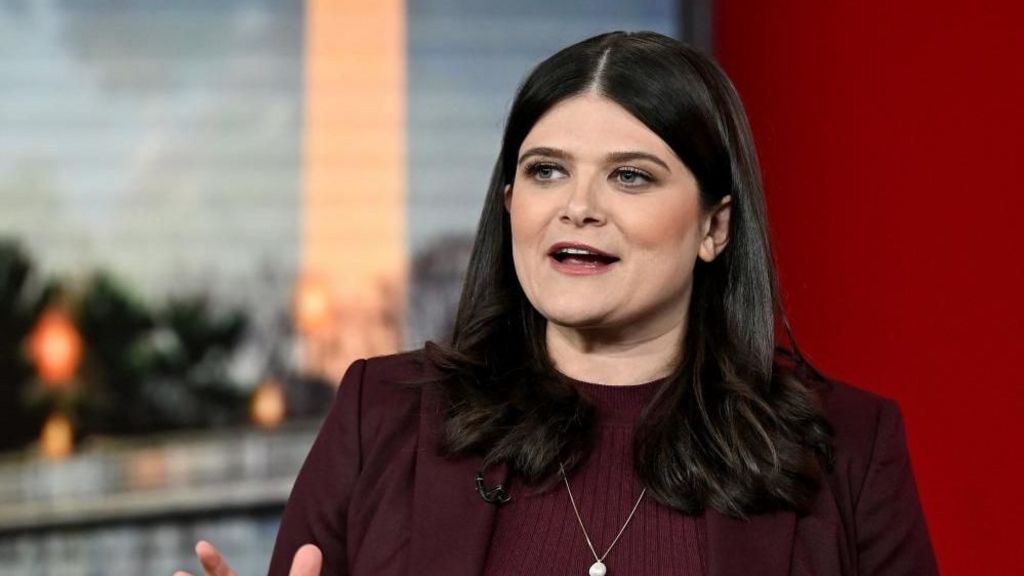
In a stunning eleventh-hour twist that roiled Michigan’s high-stakes 2026 US Senate contest just 48 hours ahead of midterm Election Day, centrist Democratic US Representative Haley Stevens publicly abandoned her party’s nominee Abdul El-Sayed to endorse long-time Republican contender Mike Rogers, sending shockwaves through state and national Democratic leadership. The dramatic reversal marked a complete break from Stevens’ post-primary commitment: after conceding a narrow loss to progressive standard-bearer El-Sayed in the hotly contested August Democratic primary, she had formally endorsed him, and as recently as the Saturday before the election, she was telling CNN she remained fully aligned with her party’s nominee, dismissing rampant rumors of a party defection. Speaking to CNN the following morning, Stevens offered almost no concrete policy justification for her sudden shift, telling reporters simply, “I woke up this morning clear-eyed, fresh and focused on what was in my heart, and that’s that. I changed my mind.” She pushed back against widespread backlash from fellow Democrats, noting that El-Sayed had previously told her “I don’t need your endorsement,” and questioning why party members were reacting with such anger and frustration, while insisting “nothing with me changed” and that she remained “rock solid” in her support for Rogers, despite claiming “I still love my party a whole lot.” The rift between the two Democrats had been simmering for months, centered in large part on deep divisions over US foreign policy toward Israel. The tensions boiled over recently when an outside liberal advocacy group released a campaign ad that tied soaring domestic cost of living in the US to American military and diplomatic support for Israel; Stevens had publicly demanded El-Sayed disavow the ad, and he had previously stated he rejected its messaging and had no involvement in its production, a response Stevens had initially praised. El-Sayed, who would make history as the first Muslim American ever elected to the US Senate if he wins the race, has faced a barrage of unsubstantiated attacks from Republican opponents, including remarks from former President Donald Trump, who invoked the 9/11 terror attacks to label him a “jihadist” with no supporting evidence, a move widely condemned across the political spectrum as blatant Islamophobia. The Rogers campaign and national Republican leadership were quick to celebrate Stevens’ endorsement, with Rogers calling her decision an act of profound “courage” and Trump echoing the praise, saying Stevens had been “very brave” to cross party lines in the final stretch of the campaign. The reaction from Democratic circles, by contrast, was uniformly scathing. Fellow Michigan Democratic US Representative Debbie Dingell described Stevens’ on-air CNN interview defending her choice as “painful” to watch. Senate Majority Leader Chuck Schumer released a statement branding the last-minute switch a “despicable betrayal” of the party. Multiple members of Stevens’ congressional staff reportedly resigned immediately after her endorsement announcement went public. Michigan Democratic Party chair Curtis Hertel took to social media platform X to formally disaffiliate Stevens from the state party, writing that she “is not a current member of the Michigan Democratic Party, nor will she be in the future.” Stevens explained that she had been scheduled to appear alongside El-Sayed at a joint campaign event on the Sunday of her endorsement announcement, but that El-Sayed’s team had asked her not to attend earlier that weekend, claiming she was not welcome on his campaign trail. For his part, El-Sayed brushed off the controversy when speaking to reporters, saying his focus remained on addressing the urgent economic and livelihood challenges facing Michigan residents. “At the end of the day, I don’t think about Haley Stevens. None of this matters,” he told press assembled on Sunday. The Michigan Senate seat, which is currently held by a Democratic incumbent, is widely viewed as one of the most critical battleground races in the 2026 midterm cycle. National election analysts have repeatedly emphasized that Democratic hopes of flipping control of the US Senate hinge entirely on defending this competitive seat and flipping a small handful of vulnerable Republican-held seats across the country, as the party looks to build a legislative check on former President Donald Trump’s policy agenda during his final two years in office.
Democrat Stevens defends endorsement switch to Republican Rogers two days before election