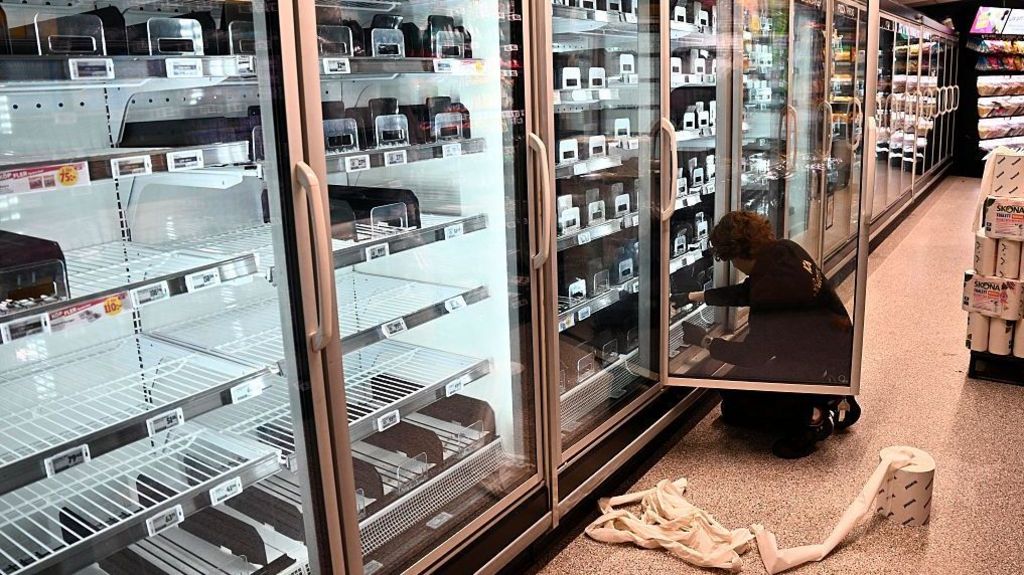
A coordinated cyber incursion targeting connected commercial refrigeration infrastructure has crippled operations at dozens of grocery outlets spanning Belgium, Sweden, and Ireland, forcing retailers to discard massive volumes of frozen and chilled perishables after threat actors maliciously adjusted temperature controls to dangerously high levels. The widespread digital breach follows a nearly identical incident that compromised hundreds of French supermarket locations just one month prior, though law enforcement and cybersecurity teams have not yet publicly identified the perpetrators behind this latest cross-national campaign. In Belgium, two of the country’s largest grocery chains reported widespread disruption: 40 locations under leading domestic retailer Delhaize suffered overnight system failures that rendered their cooling units unresponsive, while 15 Belgian outlets of multinational giant Carrefour confirmed their technical teams are conducting full forensic analysis of the breach to trace the attack vector. Across the North Sea in Sweden, multiple independent ICA grocery stores operating outside the brand’s centralized corporate network fell victim to the hack, with one ICA location in the southern town of Sjöbo posting a public warning on social media that hackers had cranked freezer temperatures all the way to 50°C (122°F) in the middle of the night. The Sjöbo outlet temporarily shuttered to dispose of spoiled stock before resuming normal customer operations, while ICA’s corporate headquarters stated it is deploying dedicated support teams to assist all impacted franchise locations. Separately, 7 of Sweden’s 800 Coop supermarket locations were hit, with brand representatives confirming to the BBC that the incident has been fully contained and no further outlets are at immediate risk. In Ireland, 13 SuperValu stores also reported disruptions to their refrigeration systems linked to the same attack pattern. Local media estimates indicate thousands of euros worth of frozen and chilled food, ranging from frozen meat and dairy to pre-prepared meals, had to be completely discarded to avoid public health risks, as the extreme elevated temperatures rendered all perishable inventory unsafe for human consumption. Industry cybersecurity analysts note that the attack exploits the relatively weak security protections often deployed on internet-connected building management systems in retail settings, which are frequently not segmented from broader store networks or protected with the same rigorous safeguards used for point-of-sale and payment processing infrastructure.