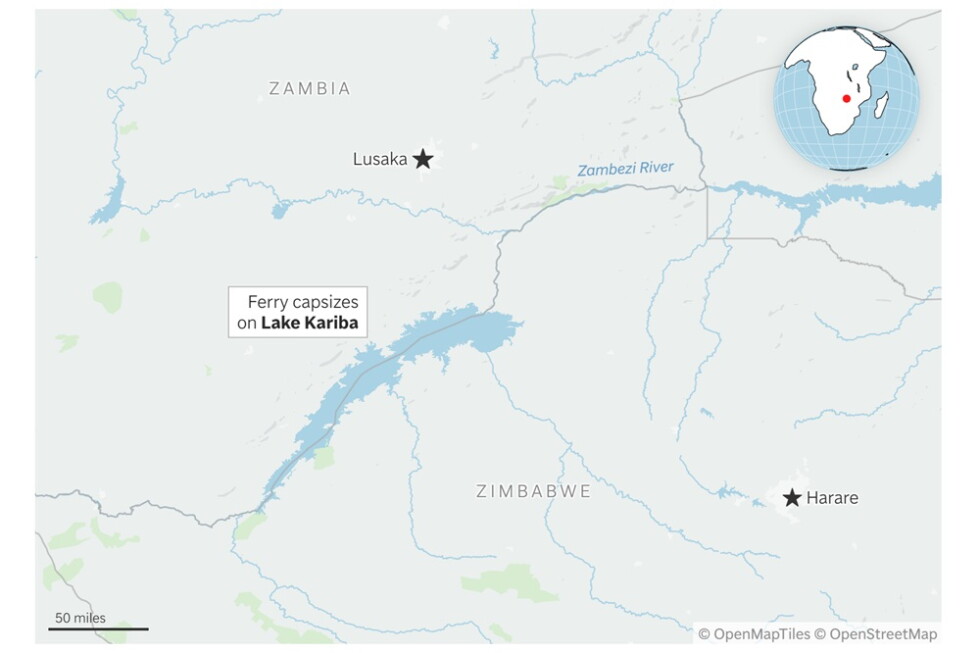
On Wednesday, Zimbabwean national police confirmed a sharp rise in the death toll from a deadly ferry capsizing incident on Lake Kariba, with 44 bodies recovered from the waters that straddle the country’s border with Zambia. The disaster unfolded on Tuesday, when the overloaded vessel, operated by a state-run government agency, tipped over while traveling across the large reservoir.
Initial official data from Zimbabwe’s national disaster management agency shows the ferry was carrying at least 114 ticketed adult passengers and five crew members when it capsized. By Tuesday evening, rescue teams had pulled 77 survivors from the lake. However, the full scope of casualties remains unclear, as authorities have not yet updated figures for injured or missing people. Crucially, the official passenger count only accounts for individuals who purchased tickets, meaning uncounted children below the minimum ticketing age may have also been on board. State broadcaster Zimbabwe Broadcasting Corporation has confirmed that children are among the fatalities, though formal official breakdowns of victim demographics have not been released to the public.
Regulatory records show the ferry was only certified to carry a maximum of 90 passengers, meaning it was operating 29 people over its approved capacity even before accounting for any unticketed children. The vessel serves as a critical transportation link for rural communities surrounding the lake, ferrying residents to and from the lakeside town of Kariba.
Local member of parliament Mutsa Murombedzi shared on-the-ground footage of the ferry’s final departure on Tuesday. The video captures witnesses on the shore voicing immediate concerns about whether the aging vessel could safely navigate rough, choppy water on its crossing.
Stretching more than 200 kilometers in length and reaching up to 40 kilometers wide in some sections, Lake Kariba holds the title of the world’s largest man-made lake by water volume. Created between the late 1950s and early 1960s via the construction of the Kariba Dam on the Zambezi River, the reservoir forms the official border between Zimbabwe and Zambia along its midline.