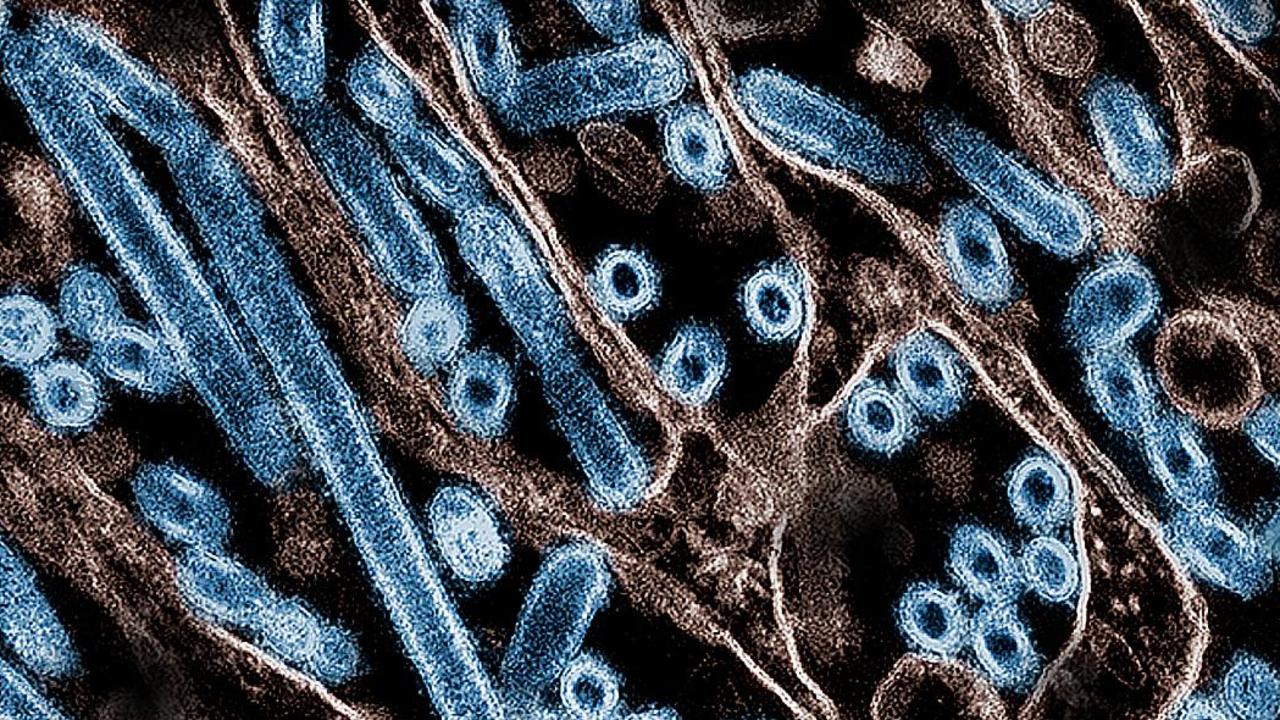
Australia is facing an unprecedented challenge from the H5N1 bird flu outbreak, which has already claimed the lives of native mammals for the first time in the nation’s recorded history. To address this escalating public and environmental health crisis, the Albanese government has unveiled a new $145 million funding boost to strengthen the country’s bird flu response, but conservation leaders have slammed the allocation for wildlife resilience as woefully insufficient.
Of the total funding package, $125 million will be split equally between the Commonwealth government and state and territory administrations. This portion of the budget is earmarked for immediate national emergency biosecurity operations, including expanded surveillance and early detection systems, enhanced on-the-ground response capacity, and targeted interventions for high-priority threatened species. Conservation groups acknowledge that since the outbreak intensified in June 2024, officials have confirmed the virus cannot be fully eradicated, making these core response activities critical.
An additional $20 million has been dedicated to expanding and extending on-the-ground work to boost the resilience of vulnerable native species, with a focus on ecologically sensitive locations including federally managed national parks. The federal government is requiring state and territory partners to provide matched funding for this specific resilience allocation.
Despite the government’s framing of the package as a robust response, leading conservation leaders have harshly criticized the $20 million wildlife resilience allocation as unfit for the scale of the crisis. Invasive Species Council Chief Executive Jack Gough pointed out that the sum amounts to less than 1% of the bailout the government provided to the Tomago aluminium smelter, calling the commitment “deeply unserious.”
Earlier this month, Gough joined BirdLife Australia Chief Executive Kate Millar in lobbying federal officials in Canberra for a $200 million resilience package – a figure that Gough emphasizes was the absolute minimum baseline investment required to give native wildlife a fighting chance against both the current outbreak and future waves. The requested package would fund long-term protective measures such as invasive pest control, which reduce additional stress on vulnerable populations already impacted by bird flu.
“Surveillance, testing and carcass removal are essential, but they won’t stop vulnerable wildlife populations being pushed towards extinction,” Gough explained. “There’s a deep understanding across government departments of the scale of this crisis and the devastation it will cause, but the funding committed does not match that understanding. We will need far greater, sustained long-term investment to help wildlife populations recover.”
Millar echoed these criticisms, arguing that the insufficient funding shows the government is “asleep at the wheel when it comes to nature.” She noted that many practical, effective conservation programs the government had previously invested in – including pest control initiatives – have already been forced to shut down after their funding expired. She warned that the Albanese government is underestimating the anger and political mobilization of Australia’s large birdwatching community, which spans every electorate and all walks of life, if the government continues to ignore scientific recommendations and its conservation obligations.
Federal officials have pushed back against the criticism, defending the government’s total investment in bird flu preparedness and conservation. Agriculture Minister Julie Collins told ABC News Breakfast that the government, working with state and territory partners, has already invested more than $40 million in preparedness activities for threatened species habitat protection, including biosecurity measures for captive populations of at-risk species held in zoos and wildlife parks across the country.
Collins added that the government has also invested more than $300 million in the federal Saving Native Species Program overseen by Environment Minister Murray Watt, bringing total national spending on bird flu preparedness to more than $270 million. “The amount of funding is certainly there … we’ll continue to work with all of the experts to make sure that as a government, we’re doing everything we can do,” Collins said, noting the government takes the bird flu crisis seriously.
Announcing the new funding package, Watt said the additional investment would put Australia’s most at-risk species “in a better position to withstand and recover from the impacts of this virus.” He noted that close to 70 on-the-ground resilience projects are already underway across the country, and the new funding will extend protection to an additional 31 threatened species – ranging from Kangaroo Island’s Australian sea lions to the Christmas Island frigatebird – through enhanced biosecurity for captive breeding populations.
“This additional funding will support the expansion and extension of bird flu preparedness and response measures for H5 bird flu in wildlife across Australia, including commonwealth-managed national parks,” Watt said. “We will continue to work with all jurisdictions to ensure we’re taking sensible actions to protect our at-risk bird and mammal species, informed by best available evidence.”
As of the announcement, more than 200 confirmed cases of bird flu have been recorded across Australia, with the first confirmed mammal fatalities pushing the crisis into uncharted territory for the nation’s environmental management agencies. Requests for further comment from the offices of Watt and Collins are still pending.