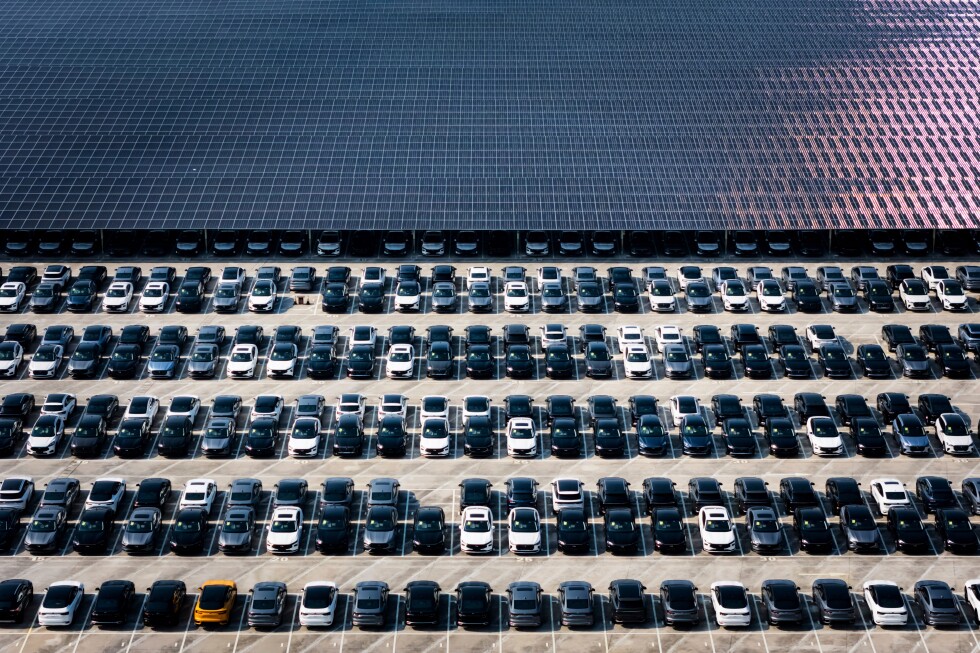
Chinese regulators have intervened to halt the destructive price competition within the nation’s automotive sector, implementing stringent new guidelines on Thursday following a dramatic 19.5% year-on-year sales decline in January—the most severe contraction in nearly two years.
The State Administration for Market Regulation unveiled comprehensive measures targeting manufacturers, dealerships, and component suppliers, explicitly prohibiting predatory pricing strategies designed to eliminate competition or establish market dominance. The regulations carry significant legal consequences for violators who attempt to sell vehicles below production costs.
This regulatory intervention comes amid concerning market indicators. According to the China Association of Automobile Manufacturers, passenger vehicle sales plummeted to 1.4 million units in January, down substantially from December’s 2.2 million units. Industry analysts attribute this downturn to consumer financial constraints, reduced electric vehicle tax incentives, and uncertainty regarding regional trade-in subsidy programs.
The price war has inflicted substantial damage, with China Automobile Dealers Association member Li Yanwei estimating approximately 471 billion yuan ($68 billion) in industry-wide losses over the past three years. S&P Global Ratings projects further challenges, forecasting up to a 3% decline in light vehicle sales for 2026.
Despite domestic headwinds, Chinese automakers are achieving remarkable international success. January exports surged 49% year-on-year to 589,000 units, with companies like BYD—which recently surpassed Tesla as the world’s leading EV manufacturer—aggressively expanding into European and Latin American markets.
Citi analysts project a 19% increase in China’s automotive exports this year, driven primarily by electric and plug-in hybrid vehicles. BYD has established an ambitious target of 1.3 million overseas sales by 2026, building upon last year’s 1.05 million export achievement.
International trade dynamics are increasingly favorable for Chinese manufacturers. Canada recently agreed to reduce its 100% tariff on Chinese EV imports, while the European Union has established mechanisms for tariff exemptions, as demonstrated by Volkswagen’s successful application for its China-built CUPRA model. China’s Commerce Ministry has expressed support for these developments and anticipates further exemptions.