分类: world

  • Stuck in Afghanistan, Pakistanis want border to finally reopen

    Stuck in Afghanistan, Pakistanis want border to finally reopen

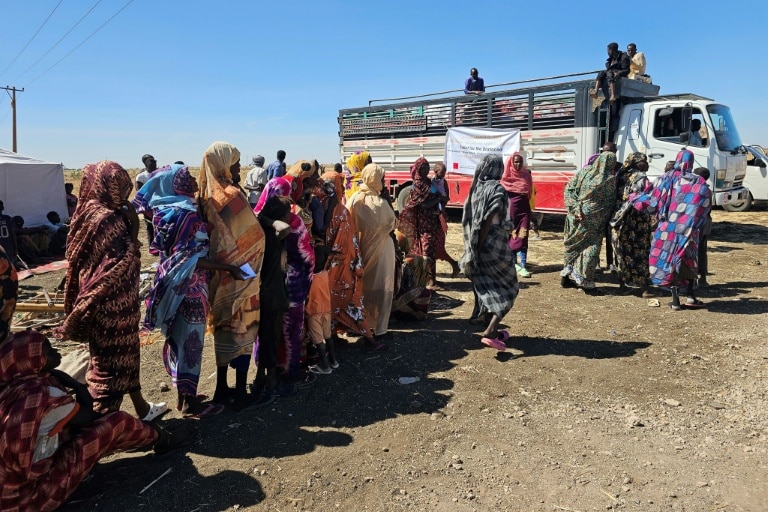
    A protracted border closure between Pakistan and Afghanistan has created a humanitarian and economic crisis, leaving thousands of students, merchants, and families stranded with no clear resolution in sight. The land crossings have remained shut for nearly three months following deadly clashes in October that resulted in over 70 casualties, severing a vital conduit for communities on both sides.

    The colonial-era Durand Line, a 2,600-kilometer border dividing the two South Asian nations, is normally a bustling artery for those who share deep cultural, economic, and familial ties. Its closure has particularly impacted the Pashtun communities it bifurcates—the same ethnic group that forms the core support for the Afghan Taliban government.

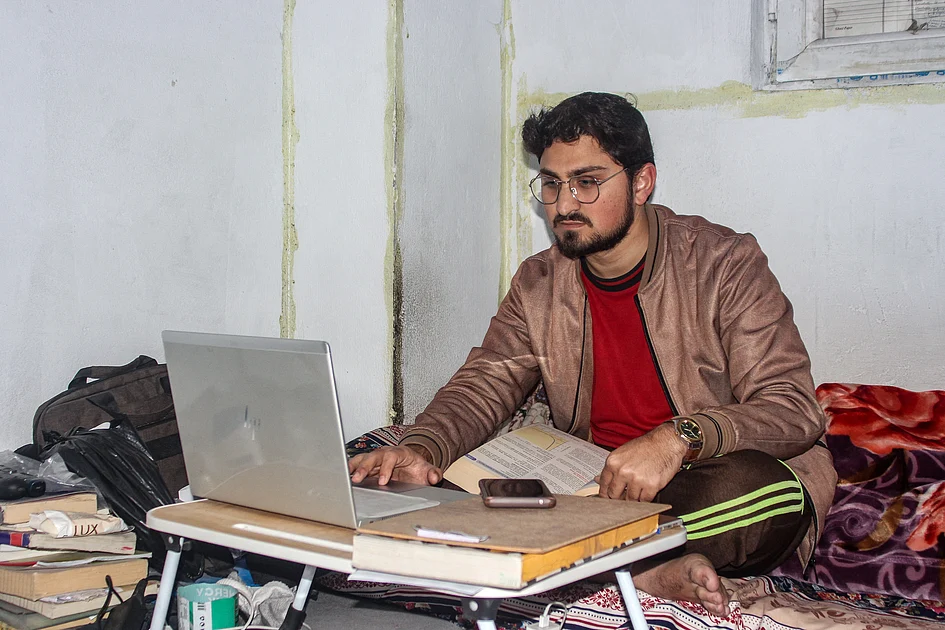
    University students represent a significant portion of those trapped. Shah Faisal, a 25-year-old medical student in Afghanistan, exemplifies the personal toll, stating, ‘We miss our parents and relatives,’ after his plans to return to Pakistan during the winter break were thwarted. With commercial flights being prohibitively expensive and smuggling routes deemed too dangerous, an estimated 500-600 Pakistani students in Nangarhar province alone are seeking safe passage home.

    The impasse stems from Islamabad’s allegations that Kabul is providing sanctuary to militant groups launching attacks on Pakistani soil—a charge the Taliban administration vehemently denies. Despite mediation attempts, no lasting agreement has been reached, and both governments have warned that hostilities could reignite at any moment.

    Beyond the student population, the closure has crippled cross-border commerce and stranded travelers. Ehsanullah Himmat, a 21-year-old shopkeeper, traveled to Kandahar for a wedding and now finds himself and his family effectively displaced, reliant on the hospitality of relatives as winter sets in. For truck drivers like Khan Muhammad, idled at the Spin Boldak crossing, livelihoods have evaporated. ‘Work has come to a standstill,’ he lamented. ‘All our livelihoods depend on this gate.’

    Official channels offer limited respite. Pakistan’s foreign ministry acknowledged nearly 1,200 citizens seeking repatriation assistance through its Kabul embassy, with just over 300 managing to return via air by December’s end. With neither government signaling a timeline or conditions for reopening, the fates of thousands hang in the balance, awaiting a political solution to a deeply entrenched dispute.

  • From Caracas ‘fort’ to New York court: Maduro’s capture in pictures and maps

    From Caracas ‘fort’ to New York court: Maduro’s capture in pictures and maps

    In an unprecedented military operation codenamed “Operation Absolute Resolve,” United States forces successfully captured Venezuelan President Nicolás Maduro and his wife Cilia Flores during a meticulously planned dawn raid on Saturday. The operation, which culminated months of strategic planning, lasted approximately 150 minutes from execution to extraction.

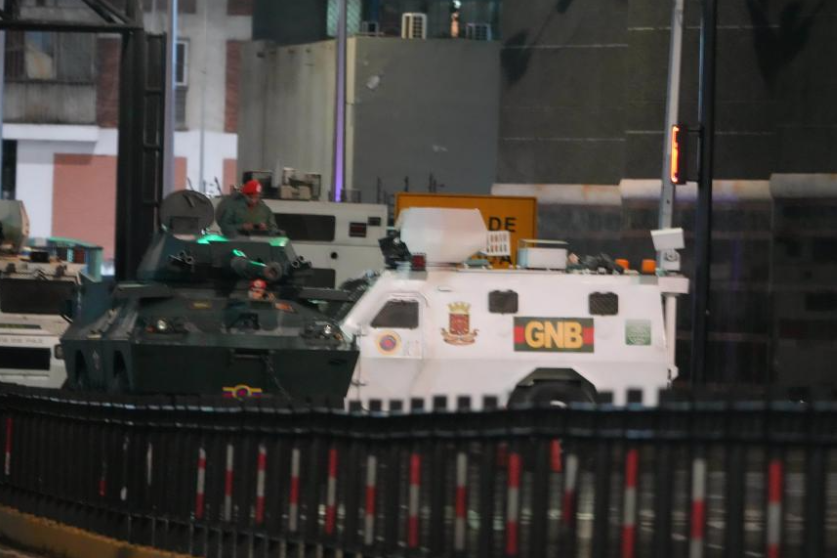
    The assault commenced at approximately 02:00 local time (06:00 GMT) with coordinated airstrikes targeting key military installations in Caracas, including Fuerte Tiuna—Venezuela’s largest military complex and residential compound for high-ranking officials. US forces implemented a citywide power blackout described by former President Donald Trump as “dark and deadly,” effectively disabling Venezuelan air defenses and creating optimal conditions for the insertion of special operations units.

    Elite Delta Force troops penetrated the fortified compound at 02:01 local time, encountering minimal resistance during the apprehension. According to General Dan Caine, the nation’s highest-ranking military officer, the Maduros “gave up” without struggle as they attempted to reach a secured safe room characterized by Trump as a military “fortress” with “very thick, very heavy” steel doors.

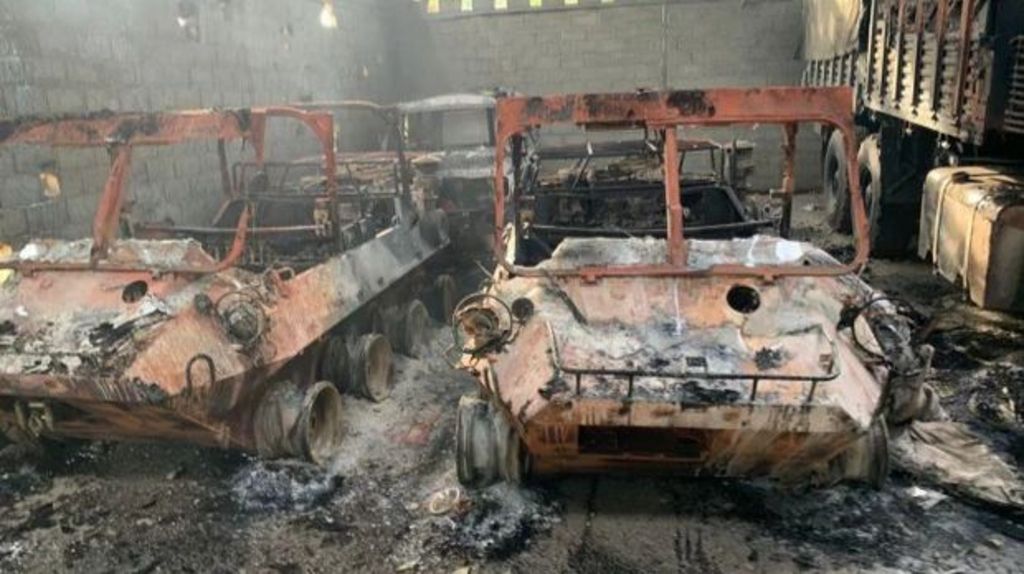
    Visual documentation from the operation reveals extensive structural damage at Fuerte Tiuna, with bombed-out buildings and charred vehicles visible throughout the complex. Military helicopters faced anti-aircraft fire during the insertion but sustained no critical damage according to official reports.

    The captured leaders were immediately transported via helicopter to the USS Iwo Jima stationed in the Caribbean, achieving extraction “over the water” by 04:29 local time. Distributed images show Maduro in custody wearing handcuffs, ear protection, and specialized eyewear resembling darkened sunglasses.

    Following initial processing at Guantánamo Bay’s naval facility, the detainees were transferred to Stewart Air National Guard Base in New York before concluding their journey via helicopter to Manhattan. The couple now faces multiple federal charges including conspiracy to commit narco-terrorism, cocaine importation, and weapons violations. They remain held at a New York detention facility adjacent to Federal Bureau of Prisons headquarters under maximum security protocols.

    Attorney General Pam Bondi confirmed the detainees will “face the full wrath of American justice on American soil in American courts” as Venezuela declares a national emergency following the unprecedented cross-border military action.

  • Four Indians killed in Saudi road accident: Media reports

    Four Indians killed in Saudi road accident: Media reports

    A Kerala family’s spiritual journey to Saudi Arabia ended in tragedy on Saturday evening when a fatal road accident claimed four lives. The incident occurred at approximately 6 PM local time as the family traveled from Makkah to Madinah following their completion of the Umrah pilgrimage.

    According to multiple Indian media reports, the deceased have been identified as Abdul Jaleel, a resident of Manjeri in Kerala’s Malappuram district; his wife Tasna Thodengal; their young son; and Jaleel’s mother Maimunath Kakkengal. The family had undertaken the religious pilgrimage as part of their spiritual obligations.

    Two daughters of Abdul Jaleel survived the catastrophic collision but sustained significant injuries. They are currently receiving medical treatment at undisclosed healthcare facilities in Saudi Arabia. Local authorities have launched an investigation into the circumstances surrounding the accident, though specific details regarding the cause remain unclear.

    The Indian community in Saudi Arabia and diplomatic representatives have been alerted to provide necessary assistance to the surviving family members. Such incidents highlight the risks faced by international pilgrims traveling along Saudi Arabia’s extensive road networks, particularly during peak religious seasons when millions visit the holy cities.

  • ‘Stunned’: Dubai billionaire questions implications of US action in Venezuela

    ‘Stunned’: Dubai billionaire questions implications of US action in Venezuela

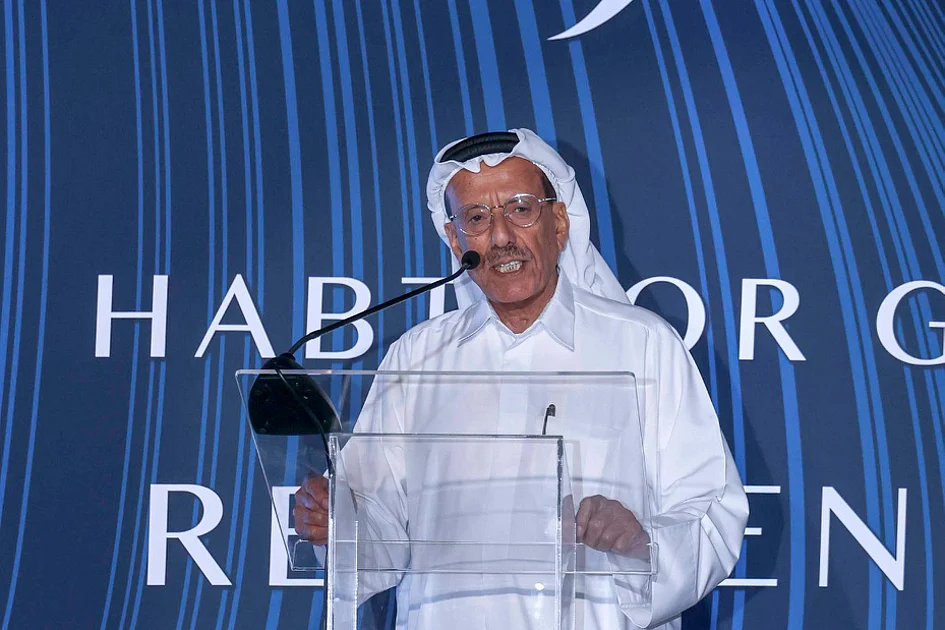
    Prominent Dubai billionaire Khalaf Al Habtoor has expressed profound shock and condemnation following the United States’ military intervention in Venezuela and the subsequent arrest of President Nicolás Maduro. The chairman of Al Habtoor Group publicly questioned the ethical and legal foundations of unilateral action against a sovereign nation, sparking international discourse about state sovereignty and global power dynamics.

    In a strongly worded statement disseminated through social media platforms, Al Habtoor challenged the justification behind President Donald Trump’s announcement that the US would assume control of Venezuela’s governance and natural resources. The Emirati business magnate raised fundamental questions about international law, asking whether national sovereignty had become ‘a mere detail’ in global politics and expressing concern about the precedent set by such actions.

    Al Habtoor emphasized that this situation transcends political disagreement, representing instead a critical ethical and humanitarian issue. He called attention to the implications for Venezuela’s population of approximately 30 million people, whose national leadership was determined through external intervention rather than democratic processes.

    The billionaire philanthropist, known for his outspoken commentary on global affairs, further questioned the international community’s response and the United Nations’ position regarding what he characterized as a violation of established international norms. He warned that this breach of sovereignty could establish dangerous precedents with unpredictable consequences for global stability.

    Beyond his business accomplishments, Al Habtoor has established himself as a vocal commentator on social and political matters, regularly hosting discussions in Dubai on contemporary issues. His previous engagements include proposing a reconstruction plan for Gaza in October 2025 and advocating for social policies encouraging marriage among Emirati youth.

  • 114 killed in week of attacks in Sudan’s Darfur: medical sources

    114 killed in week of attacks in Sudan’s Darfur: medical sources

    Medical sources report that a devastating series of attacks across Sudan’s western Darfur region has resulted in 114 fatalities over the past week, marking a significant escalation in the country’s ongoing civil conflict. The violence, involving both the national army and the paramilitary Rapid Support Forces (RSF), has targeted civilian areas with devastating consequences.

    In the North Darfur town of Al-Zuruq, drone strikes attributed to the army killed 51 people on Saturday, hitting a local market and residential zones. The area, under RSF control, is notably home to family members of RSF commander Mohamed Hamdan Daglo, with two relatives confirmed among the dead.

    Simultaneously, RSF fighters advancing toward the Chad border killed 63 people in and around the town of Kernoi, according to medical personnel who spoke anonymously for security reasons. An additional 57 individuals sustained injuries, while 17 remain missing following these assaults.

    The Darfur region remains largely inaccessible to journalists due to a years-long communications blackout, forcing local volunteers and medical staff to rely on satellite internet to convey information to the outside world. The United Nations reports that over 7,000 people were displaced from Kernoi and the adjacent village of Um Baru in just two days last month, many belonging to the Zaghawa ethnic group specifically targeted by RSF forces.

    This resurgence of violence evokes traumatic memories of the mass ethnic atrocities committed in Darfur during the 2000s by the Janjaweed militia, the RSF’s predecessor organization. The conflict has now expanded into Kordofan, Sudan’s oil-rich southern region that connects Darfur to the capital Khartoum.

    In North Kordofan’s capital El-Obeid, drone strikes targeted the city’s power station, causing extensive fires in machinery buildings and triggering a complete blackout in the army-controlled urban center. The national electricity company confirmed the attack disrupted the entire electricity supply system.

    The humanitarian situation continues to deteriorate dramatically, with hundreds of thousands facing starvation across the region. According to UN estimates, the war has displaced more than 11 million people both internally and across Sudan’s borders, with many refugees seeking shelter in underdeveloped areas lacking basic nutrition, medicine, and clean water.

  • 40 killed in US airstrikes on Venezuela, report says

    40 killed in US airstrikes on Venezuela, report says

    A significant military operation conducted by United States forces in Venezuela has resulted in substantial casualties, with The New York Times reporting approximately 40 fatalities according to an anonymous senior Venezuelan official. The extensive aerial assaults occurred during pre-dawn hours on Saturday as part of an apparent mission to apprehend Venezuelan President Nicolas Maduro and his spouse, both of whom are currently detained in New York.

    Verified visual evidence obtained by the publication depicts dense smoke plumes and consecutive detonations in proximity to La Carlota Airport within Caracas, Venezuela’s capital district. Additional strikes targeted a residential structure in Catia La Mar, a western municipality of Caracas, where explosive impacts demolished external walls of a three-story apartment complex. Initial reports confirm at least one elderly female civilian died in this incident, with another individual sustaining critical injuries.

    Multiple American news organizations, referencing Venezuelan governmental sources, indicated that military installations across Caribbean coastal regions including Miranda, Aragua, and La Guaira states faced simultaneous bombardments alongside the capital operations.

    Venezuelan Vice President Delcy Rodriguez acknowledged on Saturday that casualties encompassed both non-combatant civilians and armed forces personnel, though precise numbers remained unspecified during initial assessments.

    In a Fox News interview, US President Donald Trump confirmed American personnel sustained injuries during the extraction operation targeting Maduro, while clarifying no US military fatalities occurred. The President additionally noted damage to one United States aircraft deployed during the mission.

  • After capture and removal, Venezuela’s Maduro is being held at notorious Brooklyn jail

    After capture and removal, Venezuela’s Maduro is being held at notorious Brooklyn jail

    NEW YORK — The Metropolitan Detention Center in Brooklyn, a federally operated correctional facility with a troubled history, has become the unexpected temporary residence for deposed world leaders alongside high-profile criminals. Most recently, the facility received Venezuelan President Nicolás Maduro following his dramatic ouster, marking the second former head of state to be incarcerated within its walls in recent years.

    Established in the early 1990s, the MDC Brooklyn currently houses approximately 1,300 inmates and serves as the primary detention facility for individuals awaiting trial in federal courts across Manhattan and Brooklyn. The institution’s population represents a diverse cross-section of alleged criminals, ranging from accused gang members and drug traffickers to white-collar offenders and international figures.

    The facility gained international attention when former Honduran President Juan Orlando Hernández was imprisoned there during his trial on drug trafficking charges, ultimately receiving a 45-year sentence before being controversially pardoned by former President Donald Trump in December.

    Current high-profile detainees include Ismael ‘El Mayo’ Zambada Garcia, co-founder of Mexico’s Sinaloa drug cartel, and Luigi Mangione, accused of murdering UnitedHealthcare’s CEO. The institution’s roster of former inmates includes notorious figures such as convicted music artist R. Kelly, business mogul Sean ‘Diddy’ Combs, cryptocurrency entrepreneur Sam Bankman-Fried, and Ghislaine Maxwell, longtime associate of Jeffrey Epstein.

    Despite its waterfront location near shopping amenities and views of the Statue of Liberty, the facility has been described in court documents and inmate accounts as ‘hell on earth’ and an ‘ongoing tragedy.’ Documented issues include rampant violence, with two inmate fatalities occurring in 2024 alone, and corruption among staff members charged with accepting bribes and providing contraband.

    The winter of 2019 brought particular notoriety when a week-long power outage plunged the facility into darkness and cold conditions. However, the Federal Bureau of Prisons has recently implemented significant improvements, including additional correctional and medical staff, resolution of over 700 maintenance backlogs, and upgrades to electrical, plumbing, and climate control systems.

    Security enhancements have included a crackdown on internal criminal activity, resulting in charges against 23 inmates in March for offenses ranging from weapon smuggling to assaults. Bureau officials stated in September that these measures, combined with a reduced population from 1,580 to current levels, have produced a ‘substantial decrease’ in institutional crime and contraband.

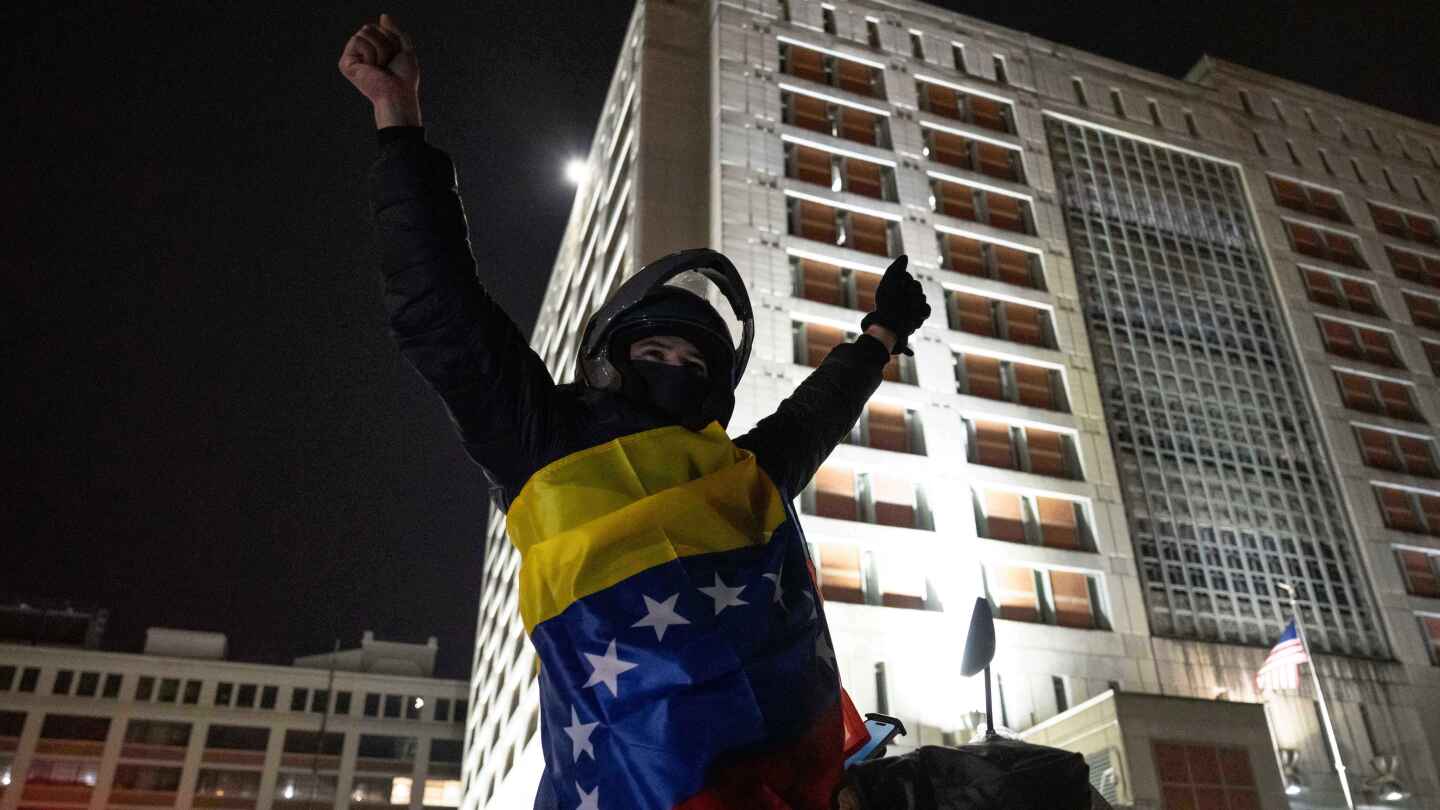
    Maduro’s arrival sparked celebrations among Venezuelan expatriate communities, with flag-draped supporters gathering outside the facility to cheer his detention. Within the facility, Maduro may encounter familiar faces including co-defendant Hugo Carvajal, Venezuela’s former intelligence chief who has indicated willingness to cooperate with U.S. authorities, and alleged Tren de Aragua gang member Anderson Zambrano-Pacheco.

    The MDC has faced increased scrutiny since 2021 when the Bureau of Prisons closed its other New York facility, the Metropolitan Correctional Center, following Jeffrey Epstein’s suicide which exposed critical security and infrastructure failures.

  • Thousands stranded across Europe as Greece airspace disrupted

    Thousands stranded across Europe as Greece airspace disrupted

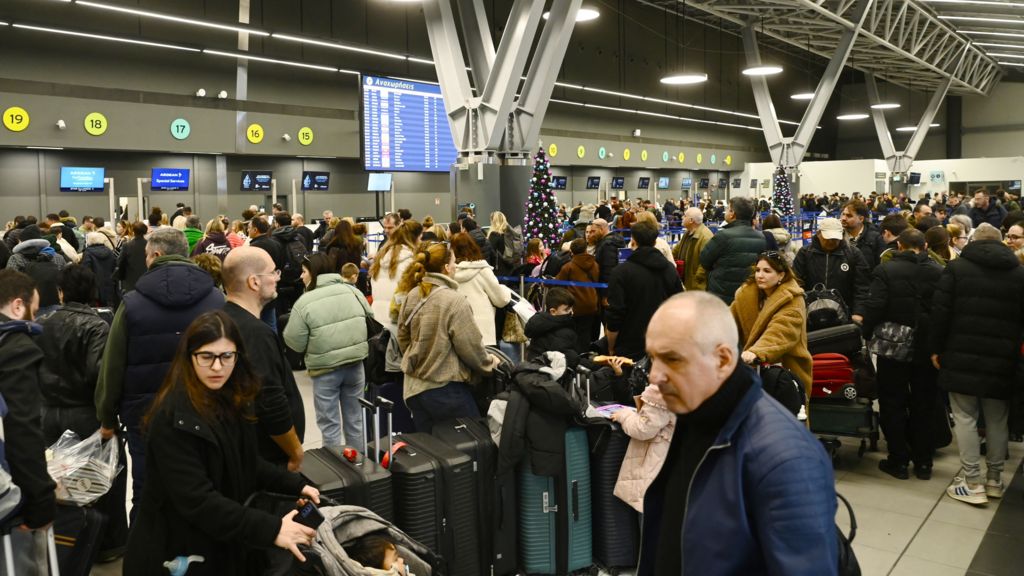
    A catastrophic failure in Greece’s aviation communication systems has triggered an unprecedented shutdown of the country’s airspace, leaving thousands of passengers stranded across European airports and creating widespread travel chaos during peak holiday return season.

    The crisis began Sunday morning when air traffic controllers suddenly lost all radio frequencies essential for communicating with aircraft within Greek airspace. This complete communications blackout forced aviation authorities to implement immediate emergency measures, including full closure of Thessaloniki Airport and severe restrictions at Athens International Airport, the nation’s busiest aviation hub.

    While limited departures have gradually resumed under strict control measures, inbound flights continue to be diverted to alternative destinations or ordered to return to their airports of origin. Flightradar24 data revealed the alarming sight of nearly empty Greek airspace during what would typically be one of the busiest travel periods, with Athens normally handling over 600 scheduled flights daily.

    The technical investigation points to a critical antenna failure in the Gerania Mountains near Athens as the potential source of the disruption. This infrastructure collapse has created a domino effect across European air travel, with flights from Dublin, Barcelona, Paris, Copenhagen, and Malta experiencing cancellations or forced returns.

    Passengers face mounting frustration and uncertainty, with many expressing concerns about missing work commitments and incurring significant additional travel costs. Travelers at affected airports report minimal communication from authorities, with departure boards showing cancelled flights and providing little guidance about potential resolutions.

    International assistance has been mobilized, with Italy, Turkey, and Cyprus providing support to help manage the escalating situation. The Greek security services continue their urgent investigation while aviation authorities work to implement contingency measures and restore normal operations.

  • From ambition to reality: 20 years of Dubai under Sheikh Mohammed

    From ambition to reality: 20 years of Dubai under Sheikh Mohammed

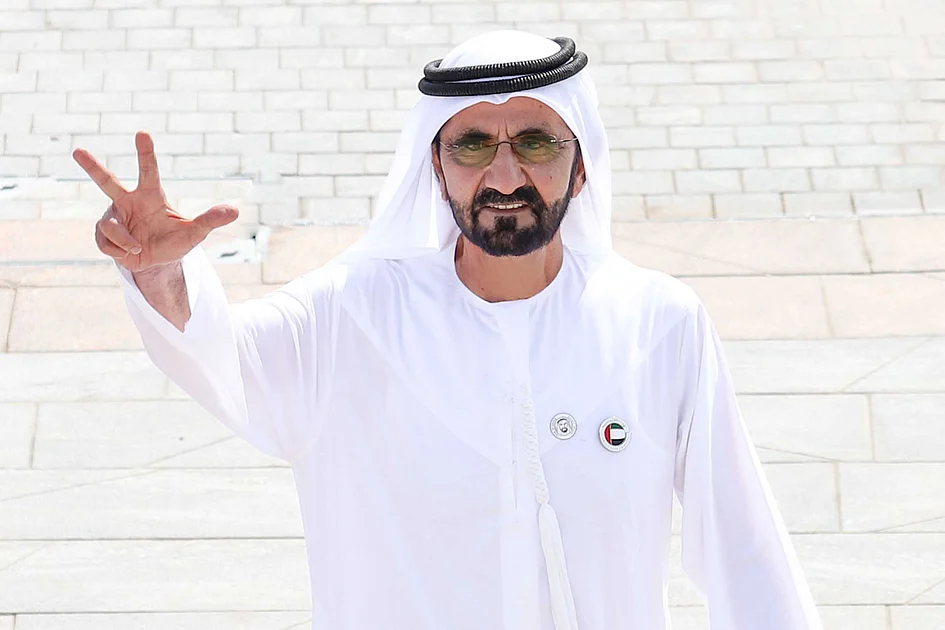
    January 4, 2026, marks the twentieth anniversary of Sheikh Mohammed bin Rashid Al Maktoum’s ascension as the Ruler of Dubai and UAE Vice President. Over these two decades, his leadership has fundamentally redefined the emirate’s global stature, transforming ambitious visions into tangible realities and establishing Dubai as a paradigm of innovation and futuristic urban development.

    Sheikh Mohammed’s tenure is characterized by a philosophy that rejects limitations and routinely achieves the extraordinary. This ethos is physically manifested across the city’s skyline and its strategic initiatives. The iconic Burj Khalifa, the world’s tallest structure, stands as a permanent testament to this ambition. The emirate’s infrastructure was revolutionized with the 2009 launch of the Dubai Metro, the region’s first rapid transit system, which continues to expand with the forthcoming Blue Line.

    Beyond physical infrastructure, Sheikh Mohammed’s vision propelled Dubai onto the global stage in science and technology. The Mohammed Bin Rashid Space Centre (MBRSC), founded in 2006, has been instrumental in the UAE’s space endeavors, including sending the first Emirati astronaut to space and the historic Hope Probe mission that made the UAE the first Arab nation to reach Mars. This focus on the future is further encapsulated by architectural marvels like the Museum of the Future.

    His leadership also prioritized social development and global humanitarian contributions. Initiatives like Dubai Cares have impacted over 116 million lives through global education programs. The Mohammed bin Rashid Global Initiatives (MBRGI) stands as one of the region’s largest humanitarian networks. Domestically, large-scale national housing projects and the pioneering Golden Visa programme have enhanced social stability and established Dubai as a global hub for talent and investment.

    From the development of mega-tourism projects like Atlantis, The Palm and Bluewaters Island to establishing itself as a dynamic startup capital through regulatory reforms, Dubai’s evolution under Sheikh Mohammed offers a blueprint for future-ready cities. His decisive, forward-oriented leadership style remains the defining force behind the emirate’s relentless transformation into a global benchmark for innovation, resilience, and limitless ambition.

  • Trump’s plan to seize and revitalize Venezuela’s oil industry faces major hurdles

    Trump’s plan to seize and revitalize Venezuela’s oil industry faces major hurdles

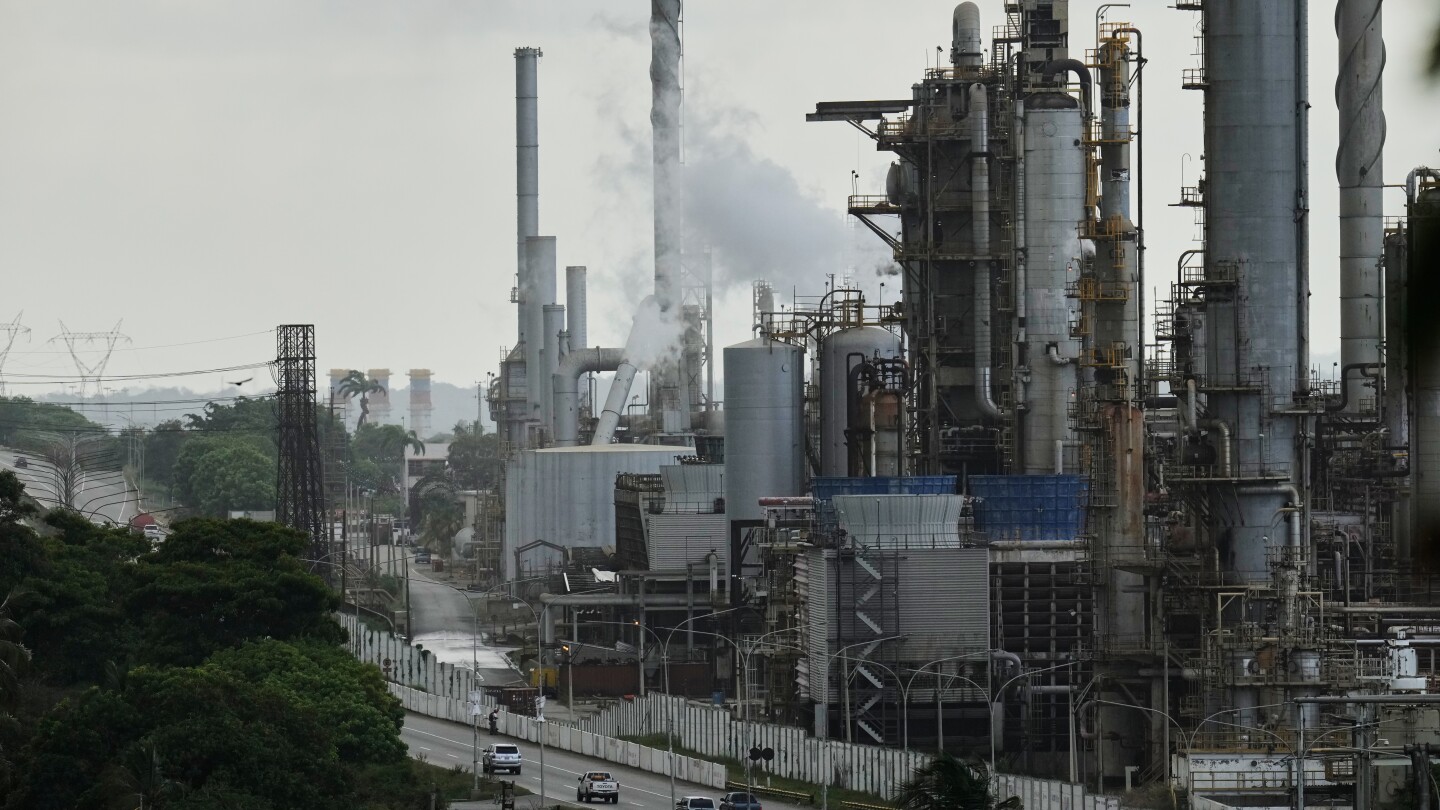
    The prospect of US-led revitalization of Venezuela’s crippled oil industry following military actions against Nicolás Maduro’s regime presents a complex scenario with limited immediate market impact. While possessing the world’s largest proven crude reserves at approximately 303 billion barrels, Venezuela’s current production languishes at just 1.1 million barrels daily – a dramatic decline from its 1999 peak of 3.5 million barrels due to years of systemic corruption, mismanagement, and international sanctions.

    Energy analysts emphasize that infrastructure decay represents merely one challenge in resurrecting Venezuela’s oil sector. Patrick De Haan, lead petroleum analyst at GasBuddy, notes that while physical infrastructure escaped recent military actions unscathed, it has been deteriorating for decades and requires substantial reconstruction time.

    The political landscape remains equally problematic. American energy corporations demand regime stability before committing significant investment, yet Venezuela’s leadership situation remains volatile. Current Vice President’s claim to power, the high court’s intervention, and competing narratives about legitimate governance create precisely the uncertainty that deters foreign capital.

    Phil Flynn, senior market analyst at Price Futures Group, suggests that demonstrated US control over the next 24-48 hours could generate optimism about rapid industry revitalization. Such development could potentially enable Venezuela to double or triple production, ultimately applying downward pressure on global oil prices and reducing reliance on Russian energy.

    However, Francisco Monaldi, director of Rice University’s Latin American energy program, projects a more realistic timeline: approximately a decade and $100 billion in investment would be required to boost production to four million barrels daily. Legal complications surrounding resource ownership and contract enforcement under occupation add further uncertainty, with Columbia University law professor Matthew Waxman highlighting potential violations of international law regarding resource appropriation.

    Despite these challenges, Venezuela’s heavy crude remains particularly valuable for diesel production and heavy equipment fuels – commodities currently in global short supply due to sanctions. Gulf Coast refineries, specifically optimized for processing such crude, would benefit significantly from renewed Venezuelan production.