分类: world

  • Israel to introduce ‘electronic bracelets’ to tighten movement control in West Bank

    Israel to introduce ‘electronic bracelets’ to tighten movement control in West Bank

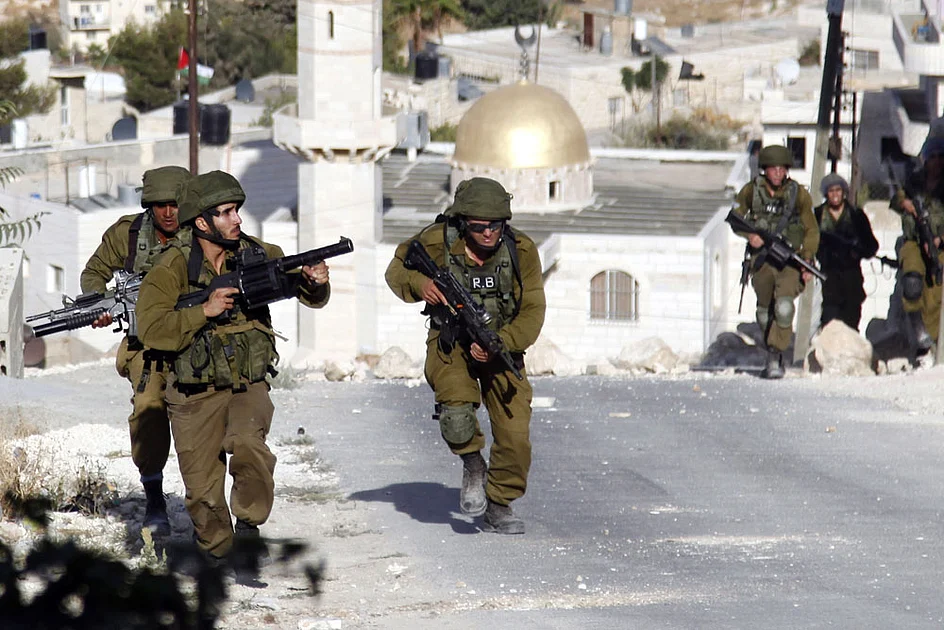
    The Israeli military announced on Monday the implementation of a groundbreaking technological surveillance system aimed at enforcing movement restrictions within the occupied West Bank. This strategic initiative involves the deployment of electronic monitoring devices on individuals subject to administrative movement orders, representing a significant escalation in Israel’s approach to regional security management.

    According to official military statements, the newly established framework empowers security forces to install technological tracking equipment on both Israeli and Palestinian residents who face movement limitations within the contested territory. The system enables real-time monitoring of compliance with restriction orders, with unauthorized removal of devices constituting a criminal offense subject to legal proceedings.

    The decision emerged following a formal request by Shin Bet security agency director David Zini, responding to escalating violence between Israeli settlers and Palestinian communities. Israeli media outlets report the measure specifically targets the recent surge in settler-related attacks against Palestinian civilians, though authorities emphasize its equal application across demographic lines.

    This development occurs within the complex context of Israel’s ongoing occupation of the West Bank since 1967, where approximately 500,000 Israeli settlers reside alongside nearly three million Palestinian inhabitants. The electronic monitoring system replaces the previously utilized administrative detention policy, which allowed six-month detentions without charges—a practice Defense Minister Israel Katz abolished for Israeli citizens in November 2024 while maintaining its application for Palestinians.

    The security situation has deteriorated markedly since October 2023, with over 1,000 Palestinian fatalities recorded in the West Bank according to AFP statistics compiled from Palestinian health ministry data. Concurrently, official Israeli figures indicate at least 44 Israeli casualties from Palestinian attacks or military operations during the same period. Despite a fragile truce between Israel and Hamas, violence persists with minimal accountability for settler-led attacks, prompting this technological intervention to restore order.
  • Snow and ice wreak havoc across Europe, causing deadly accidents and travel chaos

    Snow and ice wreak havoc across Europe, causing deadly accidents and travel chaos

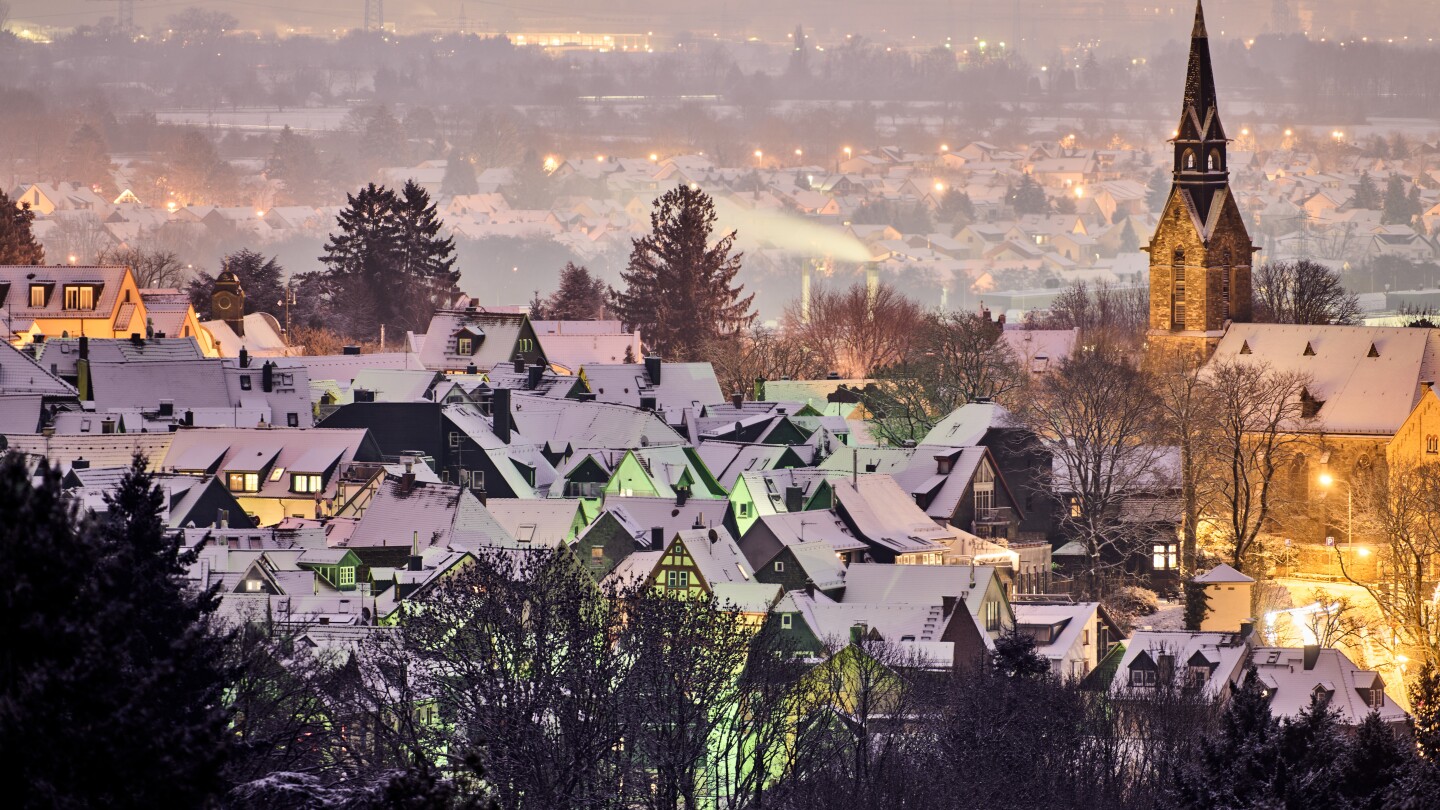
    A severe winter storm system has engulfed Europe, triggering widespread transportation chaos and resulting in multiple fatalities. The deep freeze, characterized by heavy snowfall and subzero temperatures, has created hazardous conditions across the continent.

    In France, the winter onslaught proved deadly with at least five weather-related fatalities reported. Three casualties occurred in the southwestern Les Landes region while two additional deaths were confirmed in the Île-de-France territory surrounding Paris. French authorities implemented emergency measures, including prohibiting truck traffic on roadways as snowfall generated massive traffic congestion on Monday.

    The French capital awoke Tuesday to a picturesque coating of snow covering its iconic landmarks, granting schoolchildren unexpected holidays but creating aviation nightmares. Six airports across northern and western France suspended operations due to severe weather conditions.

    The Netherlands experienced similar disruptions as Amsterdam’s Schiphol Airport, among Europe’s busiest aviation hubs, canceled approximately 400 flights. Ground crews worked tirelessly to clear frozen runways and de-ice aircraft. The Dutch rail network descended into chaos due to frozen switching points and an early morning software malfunction, with services around Amsterdam remaining largely suspended throughout the morning.

    Britain recorded temperatures plunging to -12.5°C (9.5°F), causing widespread cancellations of rail, road, and air transportation. Northern regions reported hundreds of school closures, while sporting events including horse races and football matches were postponed due to hazardous conditions. Scotland faced particularly critical circumstances with up to 15 centimeters (6 inches) of snowfall predicted, prompting calls for military assistance to deliver essential supplies to snowbound communities.

    The Balkan region confronted dual challenges of heavy precipitation, with both snow and rain causing river swelling and infrastructure damage. Sarajevo reported one fatality when a snow-laden tree branch struck a woman, while Serbian authorities implemented emergency measures and warned travelers ahead of Orthodox Christmas celebrations.

    Meanwhile, Italy’s extended period of rainfall has elevated Tiber River levels, affecting traditional gatherings in Rome where Pope Leo XIV delivered his Epiphany blessing to a reduced crowd under colorful umbrellas. Municipal authorities restricted access to parks and flood-risk areas throughout the city.

  • Ice & snow bridges global mayors at Harbin expo 2026

    Ice & snow bridges global mayors at Harbin expo 2026

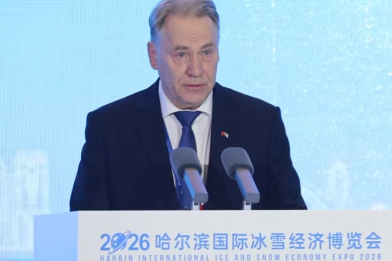
    HARBIN, China – The 2026 Harbin International Ice and Snow Economy Expo has transformed into a platform for international diplomacy, hosting the “Global Mayors Dialogue” event that brought together municipal leaders from across the world. Against a backdrop of spectacular ice sculptures and winter displays, the event facilitated cross-border conversations on economic cooperation and cultural exchange.

    The exposition, renowned for its magnificent frozen architecture and winter tourism attractions, this year serves as an unconventional venue for fostering international relations. City leaders engaged in substantive discussions about shared challenges and opportunities, with the winter economy serving as both metaphor and medium for their dialogue.

    Delegates explored collaborative ventures in sustainable cold-weather industries, winter tourism development, and cultural exchange programs. The unique setting provided a neutral ground for mayors to establish connections beyond traditional diplomatic channels, emphasizing how specialized economic sectors can bridge geopolitical divides.

    The Harbin Expo, traditionally focused on showcasing ice and snow artistry, has thus expanded its mission to include fostering international municipal partnerships. This convergence of cultural spectacle and diplomatic engagement demonstrates how niche economic sectors can facilitate broader international cooperation, creating unexpected avenues for global dialogue.

  • Shots fired near Venezuela presidential palace days after Maduro’s capture

    Shots fired near Venezuela presidential palace days after Maduro’s capture

    Fresh security incidents shook Venezuela’s capital Monday evening as unidentified drones triggered defensive gunfire near the Miraflores Presidential Palace in Caracas. The incident occurred mere hours after Delcy Rodríguez was formally sworn in as interim president, succeeding the deposed Nicolás Maduro who was captured by US forces in a dramatic military operation Saturday.

    Eyewitness accounts describe two distinct red lights moving through the night sky around 8:00 PM local time (0000 GMT), prompting security personnel to respond with anti-aircraft fire. The exchange lasted approximately one minute according to local residents, though the intensity appeared significantly diminished compared to the pre-dawn raid that toppled Maduro’s government over the weekend.

    A government-affiliated source confirmed the situation remained under control despite the aerial incursion. Social media footage circulated showing apparent tracer ammunition arcing into the darkness as security forces rapidly reinforced palace perimeter defenses. The Communications Ministry has not yet issued an official statement regarding the incident.

    The unfolding political crisis entered its third day with Rodríguez assuming leadership of the fractured administration. The latest security breach highlights the ongoing volatility in Venezuela following Maduro’s capture, which represents one of the most significant geopolitical developments in recent Latin American history.

  • Trump says the US ‘needs’ Greenland for Arctic security. Here’s why

    Trump says the US ‘needs’ Greenland for Arctic security. Here’s why

    The strategic significance of Greenland, the world’s largest island situated predominantly above the Arctic Circle, has catapulted it into the center of international geopolitical discourse. This mineral-rich autonomous Danish territory finds itself at the confluence of climate change, global security concerns, and economic competition among world powers.

    Greenland’s geographical positioning northeast of Canada, with over two-thirds within the Arctic Circle, has made it strategically vital since World War II when U.S. forces occupied it to prevent Nazi control. The ongoing thinning of Arctic ice due to climate change is opening new shipping routes and access to previously inaccessible resources, reigniting international competition.

    The island contains substantial deposits of rare earth minerals essential for modern technology, from smartphones to renewable energy infrastructure. This resource wealth has attracted significant attention from Western nations seeking to counter China’s market dominance in these critical materials.

    U.S. military presence remains established through the Pituffik Space Base, operating under the 1951 Defense of Greenland Treaty with Denmark. This facility supports missile warning systems and space surveillance operations for both U.S. and NATO forces. Greenland also serves as a critical monitoring point in the GIUK Gap, where NATO tracks Russian naval movements in the North Atlantic.

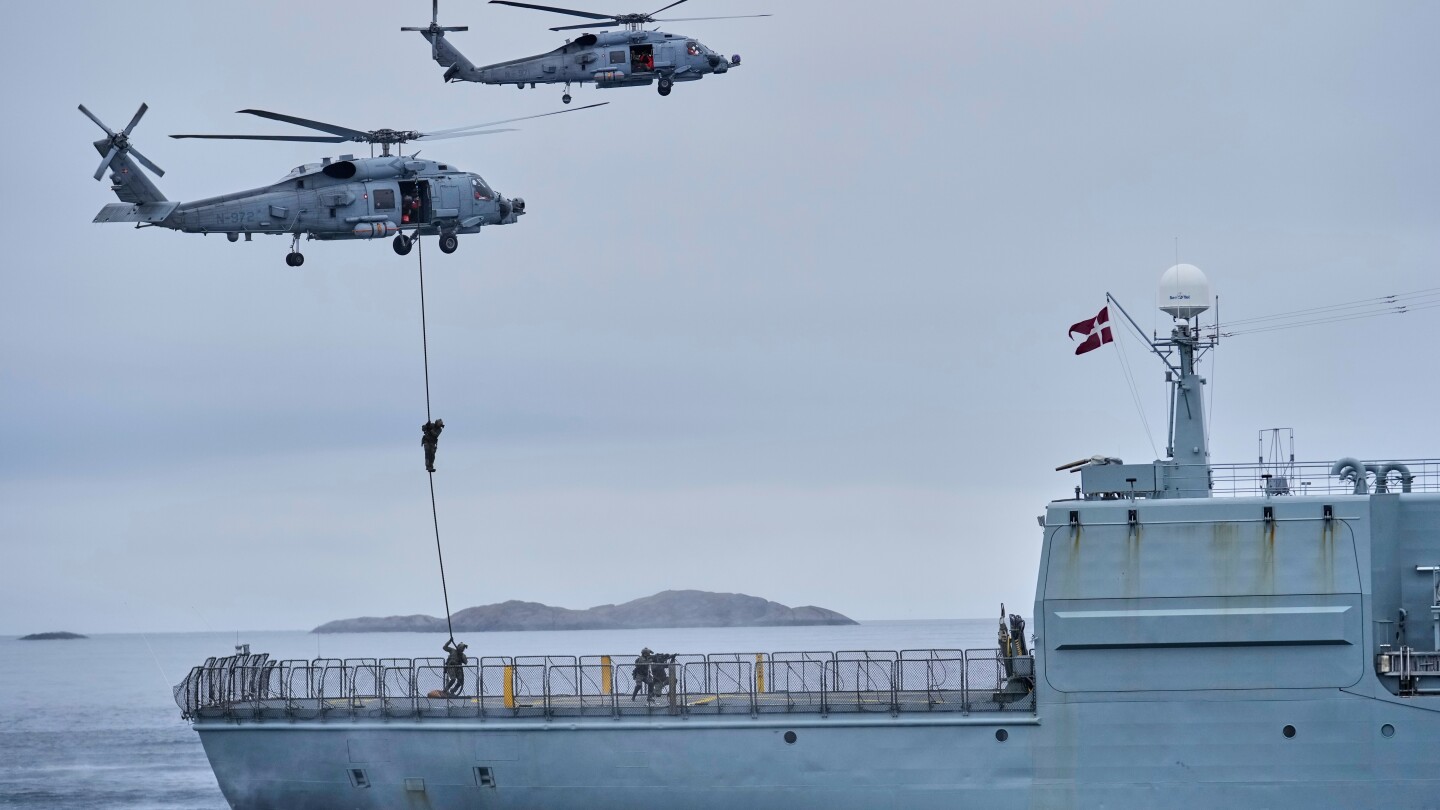
    In response to growing regional tensions, Denmark has announced a substantial $2.3 billion investment to enhance surveillance and sovereignty capabilities in Greenland and the Faroe Islands. This includes deploying new Arctic naval vessels, long-range drones, and satellite capacity. The Danish Joint Arctic Command, headquartered in Nuuk, maintains sovereignty operations alongside the elite Sirius Dog Sled Patrol that conducts reconnaissance missions.

    Recent years have seen increased geopolitical maneuvering, with China declaring itself a ‘near-Arctic state’ and proposing a ‘Polar Silk Road’ as part of its Belt and Road Initiative. Meanwhile, Russia has expressed concerns about NATO’s Arctic activities and pledged to strengthen its military capabilities in the region, particularly following its 2022 invasion of Ukraine.

    The local population of approximately 56,000 predominantly Inuit people maintain their right to self-determination, with both the Greenlandic and Danish governments having rejected external acquisition attempts. Environmental challenges and strict regulations continue to complicate mineral development despite the island’s resource potential.

  • Flash floods in Indonesia kill at least 16 people and sweep away homes

    Flash floods in Indonesia kill at least 16 people and sweep away homes

    A catastrophic flash flood event has struck Indonesia’s North Sulawesi province, resulting in significant casualties and widespread destruction. According to official statements released Tuesday, at least sixteen fatalities have been confirmed following torrential monsoon rains that overwhelmed river systems on Siau Island.

    The disaster unfolded early Monday when days of sustained rainfall caused riverbanks to burst throughout the Siau Tagulandang Biaro District. The resulting torrents carried massive volumes of water mixed with mud, rocks, and debris that swept through residential areas without warning. Abdul Muhari, spokesperson for Indonesia’s National Disaster Management Agency, described how the violent flooding submerged entire villages and carried away numerous inhabitants.

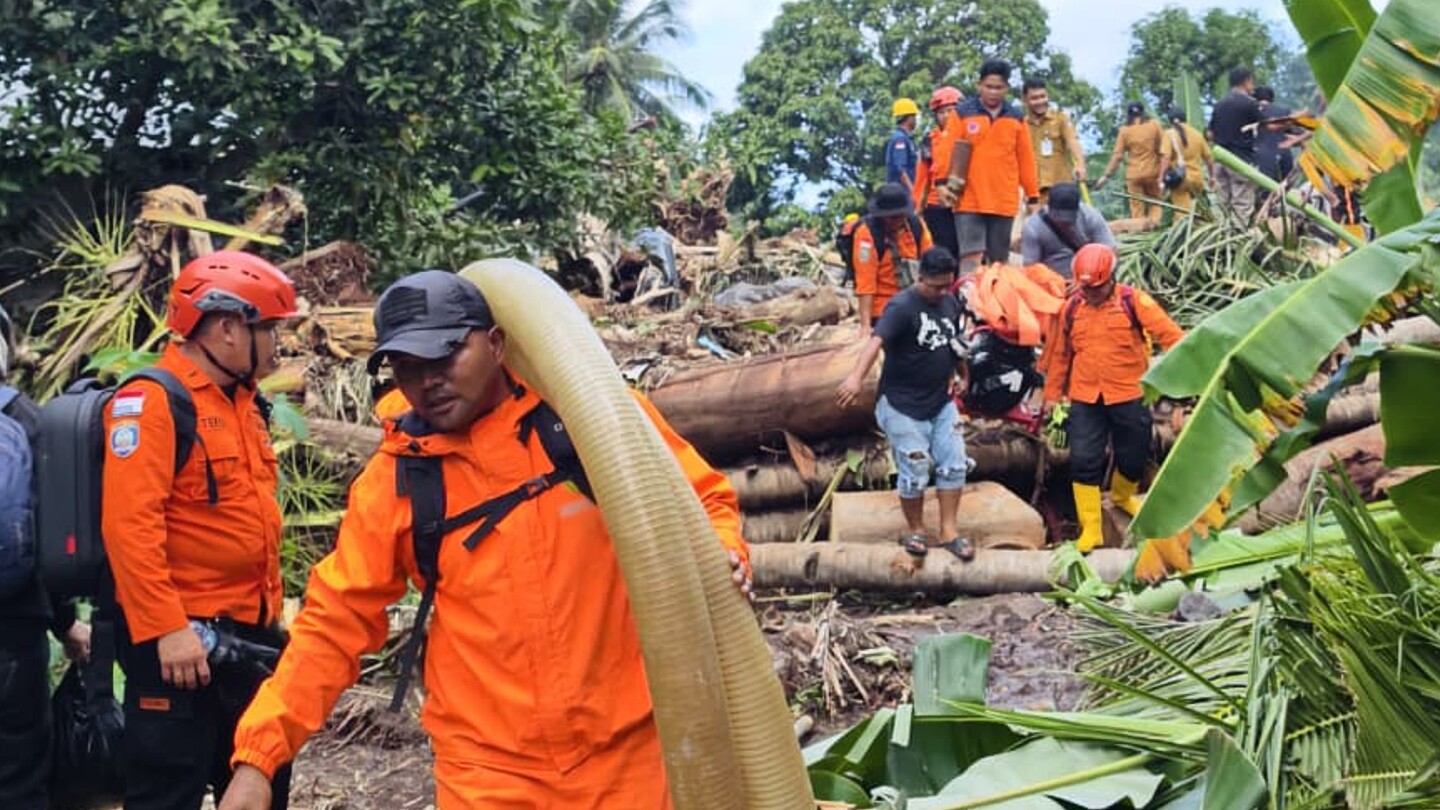
    Emergency response teams comprising rescue personnel, military units, and police have been deployed to four severely affected villages on Siau Island, located approximately 130 kilometers from Sulawesi’s northern coast. Recovery efforts have faced substantial challenges due to damaged infrastructure and compromised communication networks in the hardest-hit zones.

    The destructive forces washed away at least seven homes completely while causing structural damage to over 140 additional residences. The scale of displacement has been considerable, with more than 680 residents forced to evacuate to temporary shelters established in churches and public buildings.

    As weather conditions improved Tuesday and floodwaters began receding, search and rescue operations intensified. Nuriadian Gumeleng, spokesman for North Sulawesi’s search and rescue office, confirmed the recovery of sixteen victims while teams continue searching for three missing individuals in neighborhoods that experienced total inundation.

    Local authorities have declared a 14-day emergency response period to accelerate aid delivery, evacuation procedures, and infrastructure repairs. Sitaro District Chief Chyntia Ingrid Kalangit warned residents to maintain vigilance against potential secondary disasters, noting that additional rainfall could trigger further flooding or landslides. The provincial government has dispatched heavy equipment and relief supplies to assist recovery operations.

    This tragic event occurs against the backdrop of earlier catastrophic flooding that struck Sumatra Island in December, which claimed 1,178 lives across 52 cities and regencies according to the National Disaster Management Agency’s latest figures.

  • Military strike, capture of Maduro condemned

    Military strike, capture of Maduro condemned

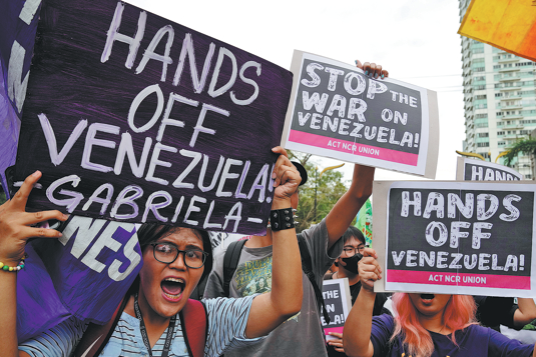
    A sweeping wave of condemnation has emerged across the Asia-Pacific region following the United States’ unprecedented military operation that resulted in the capture of Venezuelan President Nicolás Maduro and First Lady Cilia Flores. The controversial action, characterized by regional leaders as a flagrant violation of international sovereignty, has triggered profound concerns about global stability and the erosion of established international norms.

    Malaysian Prime Minister Anwar Ibrahim articulated the region’s apprehension through a formal statement on social media platform X, emphasizing that the extraordinary military intervention represents a clear breach of international law and constitutes unlawful force against a sovereign nation. The Prime Minister demanded the immediate release of the detained Venezuelan leaders, cautioning that externally imposed leadership changes historically yield detrimental consequences.

    The Democratic People’s Republic of Korea issued particularly stern criticism, with its Foreign Ministry spokesperson condemning Washington’s “wild violation of Venezuelan sovereignty” as evidence of American “rogue and brutal nature.” This sentiment found resonance in Tehran, where Iranian authorities characterized the operation as a military attack requiring explicit condemnation from the United Nations and all law-abiding nations.

    Southeast Asian responses reflected measured diplomatic concern coupled with firm principles. Singapore’s Foreign Ministry, while noting no immediate citizen involvement, expressed grave apprehension about the intervention and reaffirmed its consistent opposition to actions contravening international law. Indonesian officials warned of establishing a “dangerous precedent in international relations” that could undermine regional stability and diplomatic principles.

    The Philippines Department of Foreign Affairs acknowledged monitoring the evolving situation’s impact on regional peace and rules-based international order. Thailand joined the chorus of nations urging peaceful conflict resolution through UN Charter frameworks and international law.

    Pacific nations including Australia and New Zealand echoed calls for diplomatic solutions, with Australian Prime Minister Anthony Albanese emphasizing dialogue to secure regional stability and prevent escalation. New Zealand’s Foreign Minister Winston Peters advised citizens against travel to Venezuela while expecting all parties to adhere to international legal standards.

    International law expert Professor Arie Afriansyah of the University of Indonesia noted potential American accountability under international law, while pragmatically questioning which nation would initiate proceedings and through which forum, given likely US veto power at the UN Security Council.

  • Pope Leo XIV closes 2025 Holy Year with critique of consumerism and xenophobia

    Pope Leo XIV closes 2025 Holy Year with critique of consumerism and xenophobia

    VATICAN CITY — In a ceremony rich with symbolism, Pope Leo XIV formally concluded the Vatican’s 2025 Holy Year on Tuesday, delivering a powerful homily that criticized contemporary consumerist culture and anti-immigrant attitudes. The event marked the culmination of an extraordinary Jubilee that witnessed approximately 33 million pilgrims journey to Rome and featured the unprecedented transition between two pontiffs—the late Pope Francis and his successor.

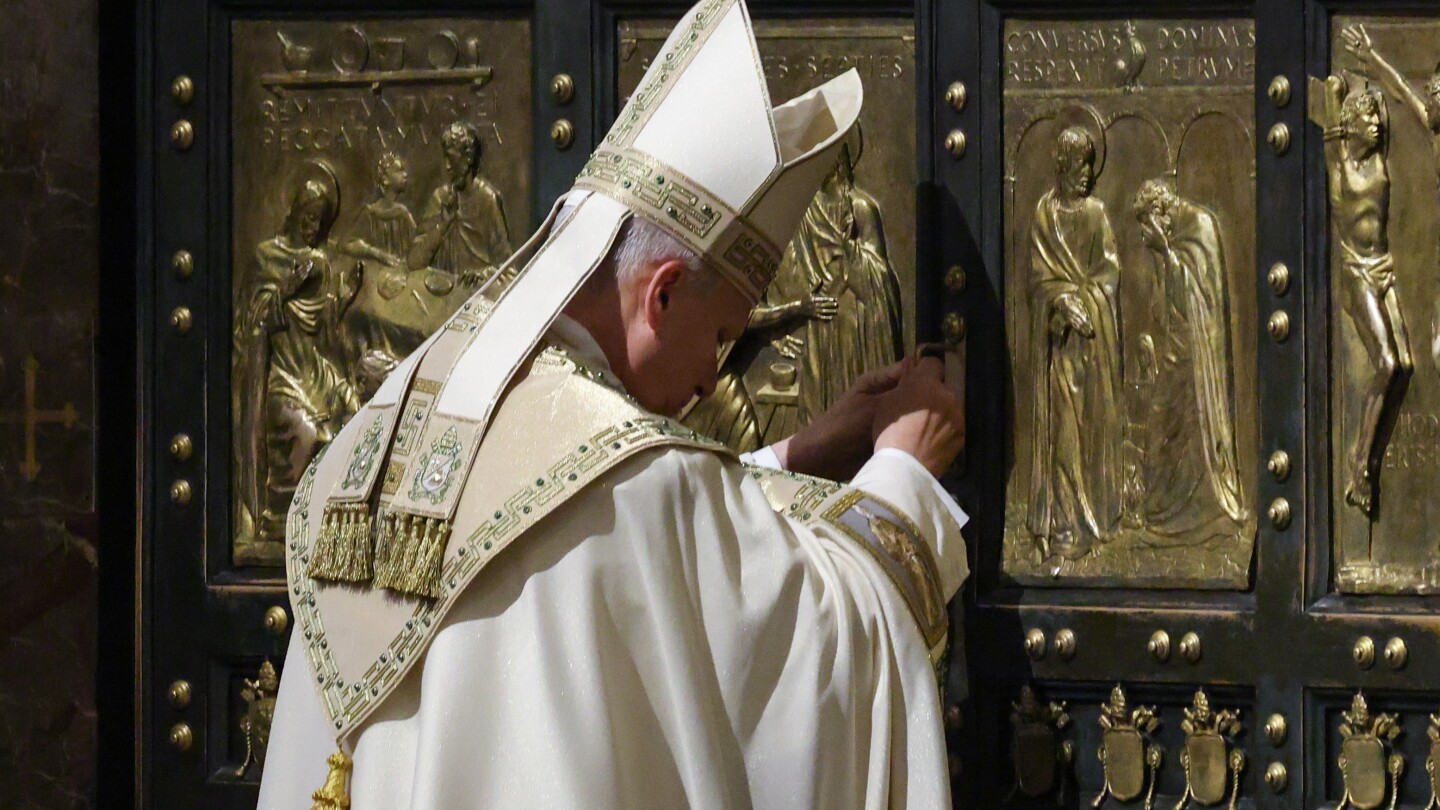
    Kneeling in prayer on the stone floor at the threshold of St. Peter’s Holy Door before sealing it shut, Pope Leo completed a rare historical parallel: only once before, in 1700, has a Holy Year been opened by one pope and closed by another. This Jubilee had commenced under a frail Pope Francis in December 2024, continued through his funeral and the subsequent conclave, and concluded under new leadership a year later.

    With the ceremonial closure accomplished, Pope Leo immediately signaled the beginning of his substantive pontificate by summoning cardinals worldwide for a two-day Vatican meeting starting Wednesday. The agenda prominently features discussions on church governance and liturgical matters, particularly addressing divisions within the 1.4-billion-member Catholic Church regarding the traditional Latin Mass.

    In his Epiphany homily, Pope Leo challenged Christians to reflect on biblical teachings of hospitality, asking: ‘Has the Jubilee taught us to flee from this type of efficiency that reduces everything to a product and human beings to consumers? After this year, will we be better able to recognize a pilgrim in the visitor, a seeker in the stranger, a neighbor in the foreigner?’

    The Vatican reported substantial participation with over 33 million pilgrims, though organizers acknowledged this figure represents a rough estimate potentially including duplicate counts. The Holy Year tradition, dating to 1300, brings faithful to Rome seeking indulgences while providing the city opportunities for major infrastructure projects. For the 2025 Jubilee, Rome utilized approximately €4 billion in public funds to complete long-delayed modernization efforts, including a significant pedestrian piazza linking St. Peter’s Square to Castel St. Angelo.

    Pope Leo has already announced the next Jubilee will occur in 2033, commemorating the traditional year of Christ’s death and resurrection.

  • Hong Kong-Zhuhai-Macao Bridge handles over 100m passenger trips since opening in 2018

    Hong Kong-Zhuhai-Macao Bridge handles over 100m passenger trips since opening in 2018

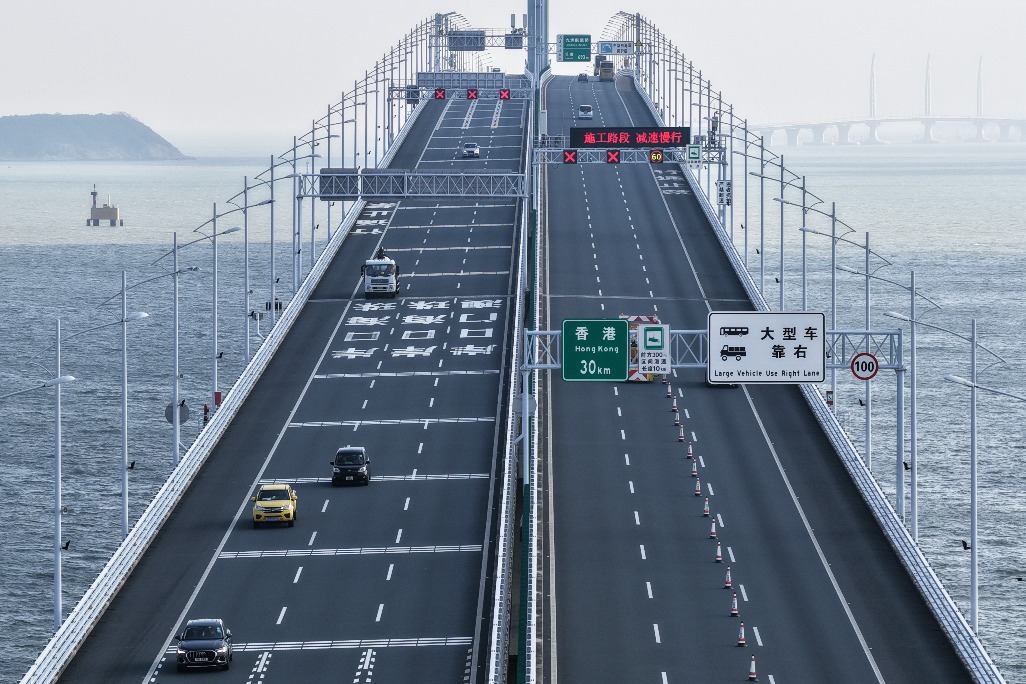
    The Hong Kong-Zhuhai-Macao Bridge has achieved a remarkable transportation milestone, processing over 100 million passenger journeys since its inauguration in October 2018. This engineering marvel, spanning the Pearl River Delta, has transformed regional connectivity between China’s special administrative regions and mainland territory.

    According to official data released from Zhuhai land port authorities, the bridge has maintained consistent traffic growth despite global travel disruptions during the pandemic years. The infrastructure project represents one of China’s most ambitious cross-sea transportation initiatives, featuring a series of underwater tunnels and artificial islands that withstand challenging maritime conditions.

    The bridge’s strategic design incorporates both road and customs facilities that streamline border procedures while maintaining security protocols. Its six-lane highway and dual-direction traffic flow have significantly reduced travel time between Hong Kong and Zhuhai from approximately four hours to just 45 minutes.

    Transportation experts highlight the bridge’s role in facilitating economic integration within the Greater Bay Area, which encompasses eleven major cities including Guangzhou, Shenzhen, and Macao. The structure has not only improved passenger mobility but also enhanced cargo transportation efficiency, with commercial vehicle traffic showing steady increase alongside passenger volume.

    Environmental considerations were incorporated throughout the bridge’s construction, including dolphin protection measures and sustainable construction practices. The project has become a case study in large-scale infrastructure development balancing ecological concerns with transportation needs.

    As regional tourism and business exchanges continue to recover post-pandemic, the bridge is expected to serve as critical infrastructure supporting the Pearl River Delta’s economic development strategy through 2030 and beyond.

  • Fight against fascism honored

    Fight against fascism honored

    In a solemn ceremony marking the 80th anniversary of victory in both the Chinese People’s War of Resistance Against Japanese Aggression and the Global Anti-Fascist War (1931-1945), China has bestowed commemorative medals upon individuals who demonstrated extraordinary service during the conflict. Among the distinguished honorees was the late Dr. Ho Feng Shan, a Chinese diplomat whose courageous actions in Nazi-occupied Vienna saved thousands of Jewish lives.

    Stationed in Vienna during critical wartime years, Dr. Ho engaged in vigorous diplomatic efforts to secure Austrian support following Japan’s full-scale invasion of China in July 1937. His advocacy included addressing the Austrian parliament and publishing a German-language work titled ‘China Defends Herself,’ articulating China’s resistance struggle.

    Following the Anschluss—Germany’s annexation of Austria in March 1938—Dr. Ho undertook what would become his most celebrated humanitarian effort. Defying instructions from his superiors, he issued thousands of visas to Jewish refugees, providing them safe passage to Shanghai. Historical records indicate his actions secured refuge for approximately 18,000 Jews, saving them from almost certain persecution and death under Nazi regime.

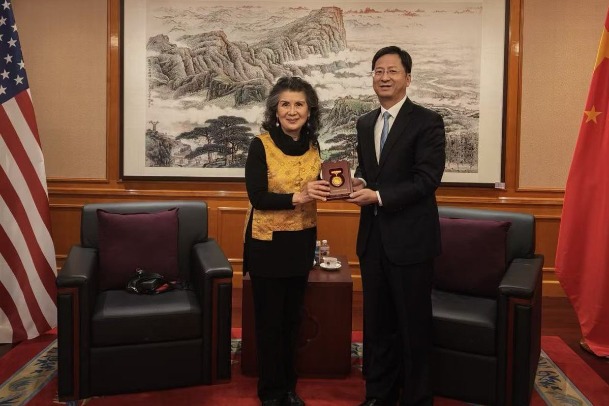
    The commemorative medal was presented on December 31, 2025, by Consul General Zhang Jianmin of China in San Francisco to Ho Manli, who accepted the honor on behalf of her deceased father. The ceremony, held on the final day of the anniversary year, served to recognize those whose contributions advanced humanity’s struggle against fascism during one of history’s darkest periods.