分类: world

  • Indonesian rescuers recover third body from tour boat sinking

    Indonesian rescuers recover third body from tour boat sinking

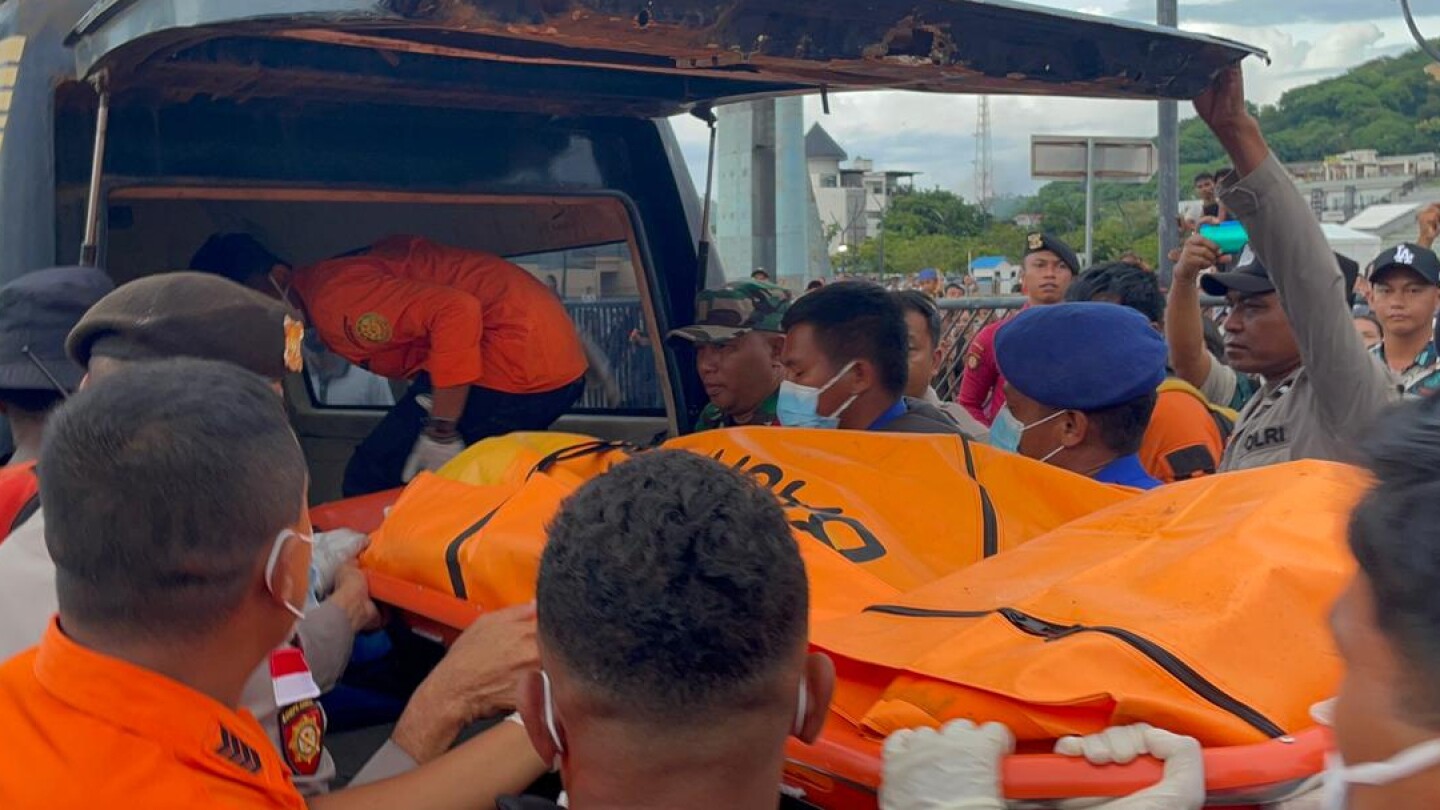
    Indonesian search teams have retrieved a third victim from the devastating tour boat sinking that struck a Spanish family during their Christmas vacation in Komodo National Park. The latest recovery occurred Tuesday near Pede beach, where local fishermen discovered the wreckage approximately 14 kilometers from the original incident location.

    The tragedy unfolded on December 26th when the vessel carrying Valencia CF Women’s B coach Fernando Martín, 44, his immediate family, and five local personnel experienced critical engine failure and capsized. While Martín’s wife and one child survived alongside all four crew members and their guide, the coach himself and his daughter perished in the accident. Their remains were cremated in Bali on Monday following relatives’ requests, as confirmed by East Nusa Tenggara Police spokesperson Ariasandy.

    This incident highlights persistent maritime safety concerns throughout the Indonesian archipelago, where vessels serve as essential transportation between the nation’s 17,000 islands. Despite their critical role, regulatory enforcement remains inconsistent, with overcrowding and inadequate safety protocols contributing to frequent nautical accidents. Rescue operations continue as authorities search for Martín’s two remaining missing sons.

  • Swiss bar fire: 83 still in hospital; all injured identified

    Swiss bar fire: 83 still in hospital; all injured identified

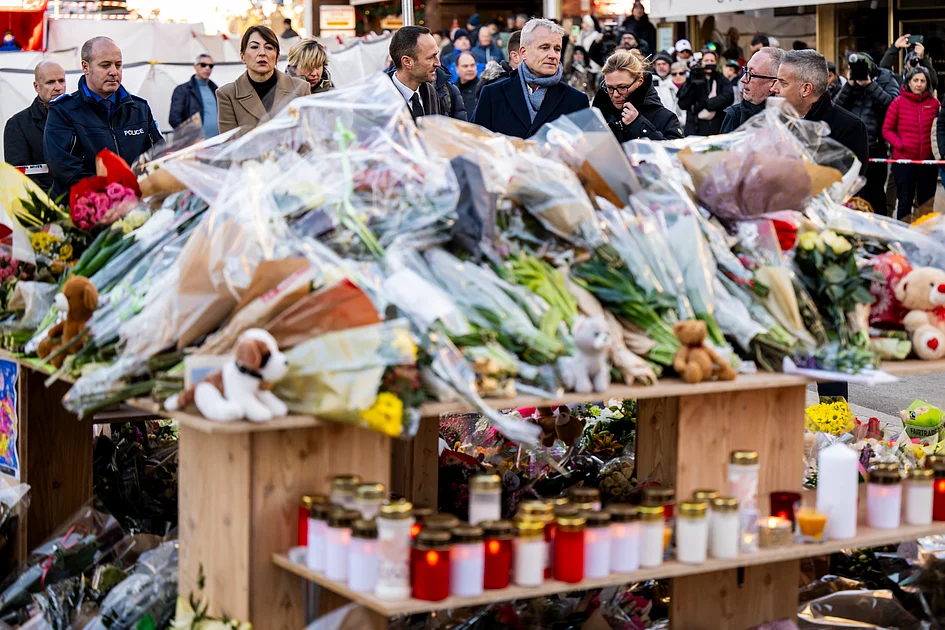
    SWITZERLAND – Four days after the catastrophic New Year’s Eve blaze at Le Constellation bar in the luxury Alpine resort of Crans-Montana, Swiss authorities confirmed all 156 casualties have been formally identified. The devastating incident claimed 40 lives—predominantly teenagers—while 116 individuals sustained injuries, with 83 remaining hospitalized under critical care.

    Forensic investigation indicates the inferno originated in the basement level when celebratory sparklers attached to champagne bottles ignited sound insulation foam on the ceiling during early Thursday celebrations. The tragedy has exposed potential regulatory violations, as 26 deceased were teenagers including eight under age 16, contradicting local ordinances prohibiting minors from alcohol-serving establishments after 10pm without guardian supervision.

    Victims represented 19 nationalities, with Swiss nationals comprising the majority. The fatalities included nine French and six Italian citizens, while the injured encompassed 23 French, 11 Italian, and multiple other European nationals. The most severely burned patients have been transferred to specialized burn centers across Switzerland and neighboring countries.

    Emotional repatriation ceremonies commenced Monday as five Italian teenagers’ coffins were transported via military aircraft from Sion Airport. Italian Ambassador Gian Lorenzo Cornado, present during the solemn proceedings, stated this tragedy ‘could have been avoided through prevention and common sense,’ citing ‘numerous safety shortcomings’ at the establishment.

    Wallis Cantonal Government President Mathias Reynard acknowledged public anger while promising full transparency: ‘We owe these families justice, even if it won’t bring their children back.’ The personal devastation was echoed by local councillor Joel Rey, whose 24-year-old daughter Caroline perished: ‘My world fell apart… The pain felt by a parent who loses a child is unimaginable.’

    Switzerland will observe a national day of mourning Friday with church bells tolling simultaneously at 2pm local time, accompanied by a moment of silence. French President Emmanuel Macron is scheduled to attend memorial ceremonies, underscoring the international impact of this alpine community tragedy.

  • 6.2-magnitude earthquake strikes Japan’s Chugoku region, no damage reported

    6.2-magnitude earthquake strikes Japan’s Chugoku region, no damage reported

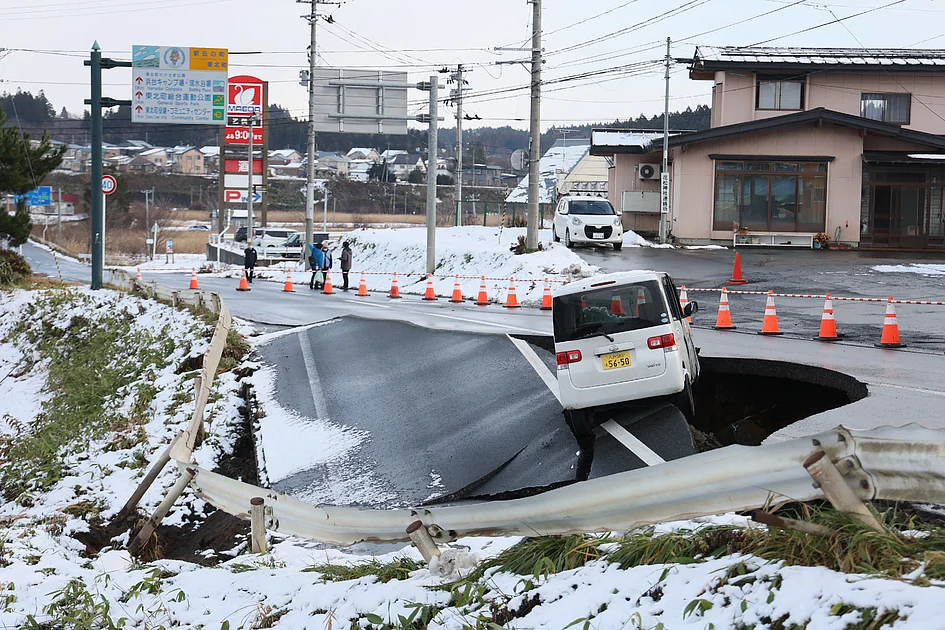
    A substantial earthquake measuring 6.2 on the Richter scale struck Japan’s Chugoku region on Tuesday, according to the Japan Meteorological Agency. The seismic event, centered in eastern Shimane prefecture, triggered multiple aftershocks but posed no tsunami threat to the coastal nation.

    The tremor registered an intensity of upper-5 on Japan’s specialized 7-point scale, indicating force strong enough to impede movement without support. Despite the significant magnitude, initial assessments revealed no structural damage or operational abnormalities at critical infrastructure facilities.

    Of particular significance was the proximity to Shimane Nuclear Power Station, located approximately 32 kilometers from the epicenter. Chugoku Electric Power confirmed that operations continued normally at the facility’s No. 2 unit, which had only resumed operations in December 2024 following nationwide nuclear shutdowns after the 2011 Fukushima disaster. Japan’s Nuclear Regulation Authority separately verified no irregularities at nuclear facilities.

    The seismic activity prompted West Japan Railway to temporarily suspend Shinkansen bullet train services between Shin-Osaka and Hakata stations as a precautionary measure, demonstrating the country’s rigorous safety protocols.

    Japan’s vulnerability to earthquakes remains noteworthy as the archipelago experiences approximately 20% of the world’s magnitude 6+ quakes, reflecting its position within one of Earth’s most seismically active zones. The nation’s advanced early warning systems and construction standards have been developed through extensive experience with seismic events.

  • Sudan: Nearly 65,000 flee Kordofan amid escalating insecurity

    Sudan: Nearly 65,000 flee Kordofan amid escalating insecurity

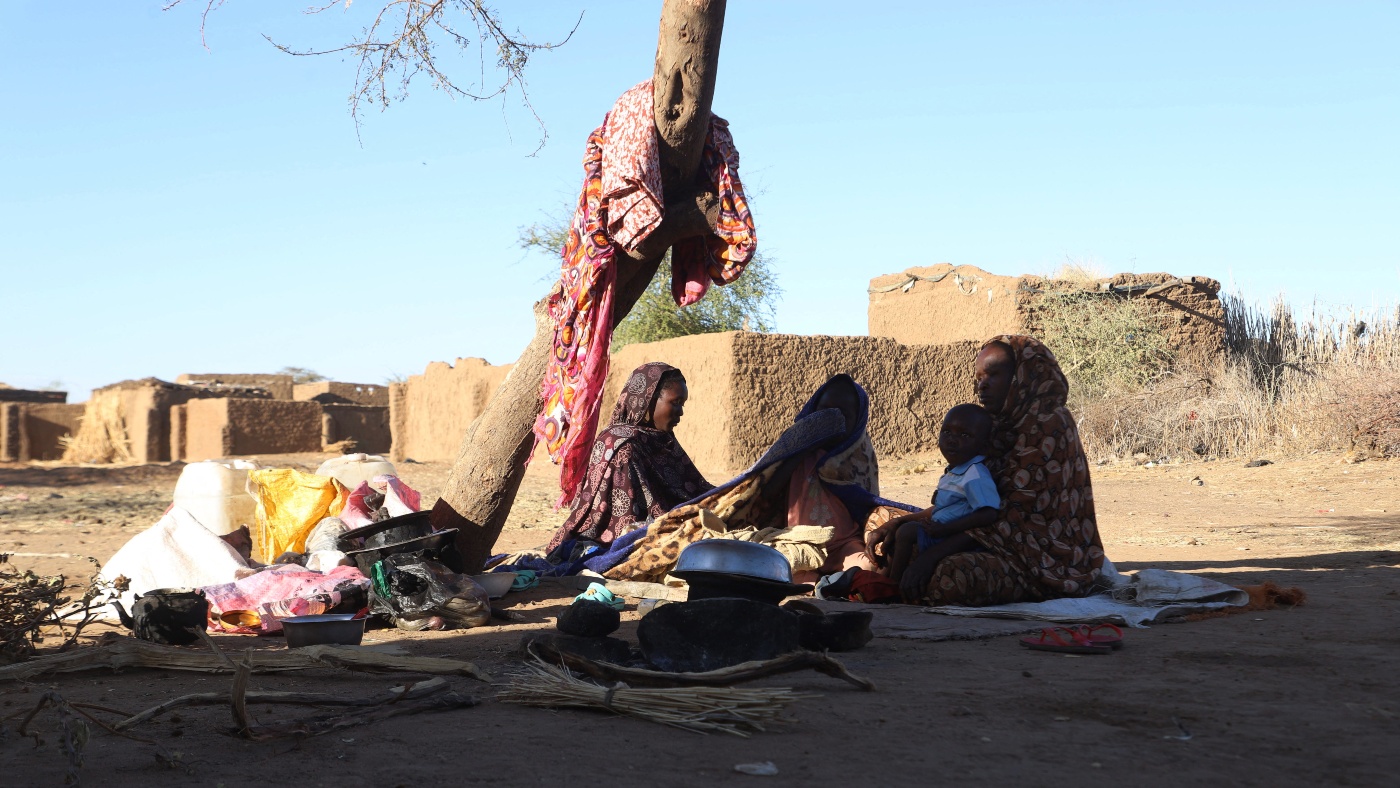
    A severe humanitarian crisis is unfolding in Sudan as the United Nations reports approximately 65,000 civilians have been displaced from the Kordofan region over the past three months due to escalating violence. According to a statement released by the UN’s International Organisation for Migration (IOM), this mass exodus occurred between October 25 and December 30, 2025, with 56 separate displacement incidents documented across the region.

    The displacement breakdown reveals North Kordofan as the most severely affected area, with over 42,000 people forced to flee. South Kordofan witnessed nearly 21,860 displacements, while West Kordofan’s Geibaish area saw approximately 250 people seeking safety. The IOM emphasized these figures are preliminary and likely to increase given the ongoing instability and security challenges throughout the region.

    This recent displacement adds to the staggering total of nearly 13 million people uprooted since Sudan’s civil war erupted in April 2023. The conflict originated from tensions between the paramilitary Rapid Support Forces (RSF) and the Sudanese Armed Forces (SAF) that escalated into full-scale warfare.

    The geopolitical landscape shows the RSF currently controlling five states in the Darfur region, while the Sudanese army maintains dominance over the remaining 13 states across southern, northern, eastern, and central regions, including the capital city of Khartoum. These factions previously collaborated in 2019 to overthrow Omar al-Bashir, Sudan’s ruler of three decades, before splitting in 2023.

    International scrutiny has intensified as both sides face serious allegations. The RSF has been accused of genocide and war crimes, including mass killings in el-Fasher in November. The Sudanese government and human rights monitors have implicated the United Arab Emirates in complicity regarding these atrocities, alleging military support for RSF leader Mohamed Hamdan ‘Hemedti’ Dagalo.

    The RSF stands accused of widespread human rights violations including torture, rape, and summary executions, resulting in international sanctions and genocide accusations. Meanwhile, the SAF has also faced allegations of war crimes and human rights abuses, creating a complex humanitarian disaster.

    Financial investigations reveal Hemedti’s estimated wealth of $7 billion in 2023, with significant financial ties to the UAE. Amnesty International reported in May 2025 that the UAE was supplying Chinese-made weaponry to Darfur through complex networks across Libya, Chad, Uganda, and breakaway regions of Somalia, potentially violating UN arms embargoes.

    The UAE’s strategic interests in Sudan include significant stakes in the country’s untapped agricultural and mineral sectors, particularly gold resources. This engagement aligns with Abu Dhabi’s broader economic strategy to diversify beyond oil dependence by establishing itself as a global gold trading hub.
  • Flash floods in Indonesia’s North Sulawesi kill 14; four still missing

    Flash floods in Indonesia’s North Sulawesi kill 14; four still missing

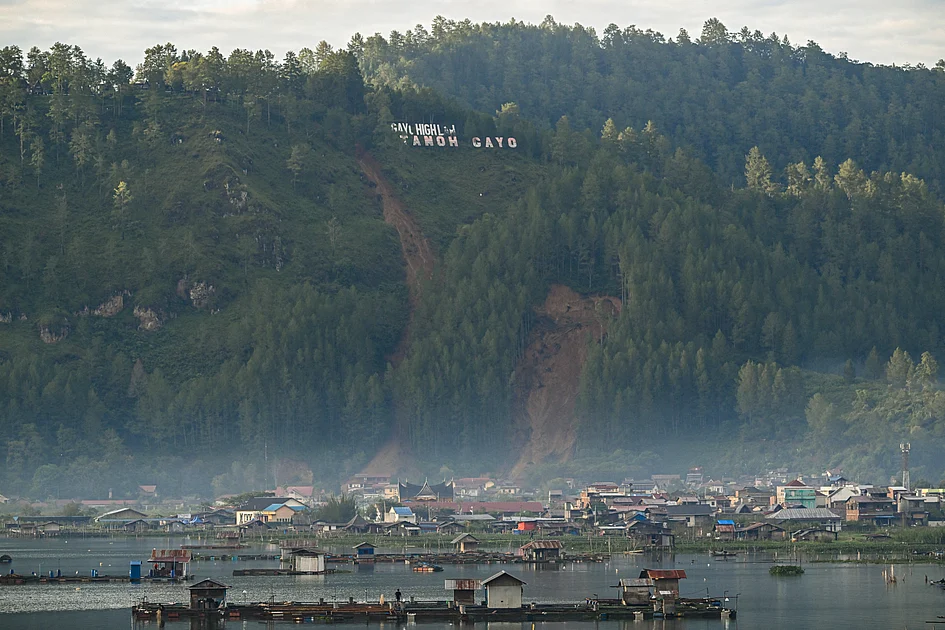
    A catastrophic flash flooding event has struck Indonesia’s North Sulawesi region, resulting in significant casualties and widespread destruction. Official reports confirm at least 14 fatalities with four individuals remaining unaccounted for as rescue operations intensify.

    The disaster unfolded early Monday when torrential rainfall triggered sudden flash floods across Siau Island within the Siau Tagulandang Biaro archipelago. According to Nuriadin Gumeleng, spokesperson for the local rescue agency, the flooding occurred during the region’s peak wet season period as predicted by meteorological authorities.

    Emergency response teams have deployed 16 specialized rescuers to locate missing persons while attending to 18 confirmed injuries. The scale of devastation has necessitated the evacuation of 444 residents who have sought temporary shelter in local educational institutions and churches, as confirmed by national disaster mitigation agency spokesperson Abdul Muhari.

    Infrastructure throughout the affected areas has suffered severe damage, with primary transportation routes remaining obstructed by substantial accumulations of rock debris, mud, and flood wreckage. Heavy machinery including excavators has been mobilized to clear access routes for rescue and recovery operations.

    North Sulawesi Governor Yulius Selvanus reported extensive property damage with hundreds of residential structures and government buildings destroyed by the forceful floodwaters. The incident occurs within the anticipated January-February peak wet season for Sulawesi, Maluku, and Papua islands, according to Indonesia’s meteorological agency.

    This tragedy follows recent similar devastation in November when cyclone-induced flooding and landslides in Sumatra claimed over 1,000 lives. Environmental organizations have repeatedly highlighted how deforestation associated with mining and logging operations exacerbates flood impacts throughout the Indonesian archipelago.

  • BBC Verify examines claims Venezuela ‘stole’ US oil

    BBC Verify examines claims Venezuela ‘stole’ US oil

    Recent geopolitical developments have brought renewed attention to the complex energy relationship between the United States and Venezuela. Analysis reveals that securing access to Venezuela’s substantial petroleum reserves represents a fundamental driver behind Washington’s current policy approach toward the South American nation.

    This strategic priority has emerged as a central factor influencing diplomatic maneuvers and economic decisions, with energy security considerations appearing to outweigh other foreign policy objectives. The situation reflects the ongoing recalibration of global energy alliances and resource competition.

    Venezuela, despite recent production challenges, maintains the world’s largest proven oil reserves, presenting a significant strategic interest for energy-consuming nations. The U.S. government’s positioning suggests a pragmatic recognition of Venezuela’s continuing importance in global energy markets, even amid longstanding political tensions between the two governments.

    The evolving dynamic highlights how resource economics frequently intersect with international diplomacy, creating complex relationships between nations with competing political systems but complementary economic needs. This case exemplifies how energy requirements can shape foreign policy in unexpected ways, creating diplomatic openings even between historically antagonistic governments.

  • Malaysia’s 100-year-old ex-PM Mahathir in hospital after fall

    Malaysia’s 100-year-old ex-PM Mahathir in hospital after fall

    Malaysia’s former Prime Minister Mahathir Mohamad, aged 100, was transported to a specialized cardiac medical facility on Tuesday following an accidental fall at his private residence. The incident occurred as the former statesman was moving between his balcony and living area, according to official statements from his personal aide.

    Dr. Mahathir, who holds the distinguished record as the world’s oldest elected leader during his tenure, was admitted to the National Heart Institute for comprehensive medical observation. His aide Sufi Yusoff confirmed to international media that the former leader remained conscious throughout the incident, though the full extent of his condition remains undisclosed.

    This medical episode represents the latest in a series of health challenges for the veteran politician, who previously underwent multiple cardiac bypass procedures. The hospitalization follows his July centenary celebrations, after which he required medical attention for fatigue-related complications.

    Having shaped Malaysian politics across four decades, Dr. Mahathir served two non-consecutive terms as the nation’s leader (1981-2003 and 2018-2020). His political career has been marked by both controversy and transformative economic policies that propelled Malaysia into rapid industrialization.

    The medical community and political observers are closely monitoring developments, given the former leader’s advanced age and complex medical history. The National Heart Institute, where he has received treatment for previous cardiac conditions, maintains Malaysia’s highest standards for cardiovascular care.

  • Indonesia’s panda cub Rio thriving 40 days after birth

    Indonesia’s panda cub Rio thriving 40 days after birth

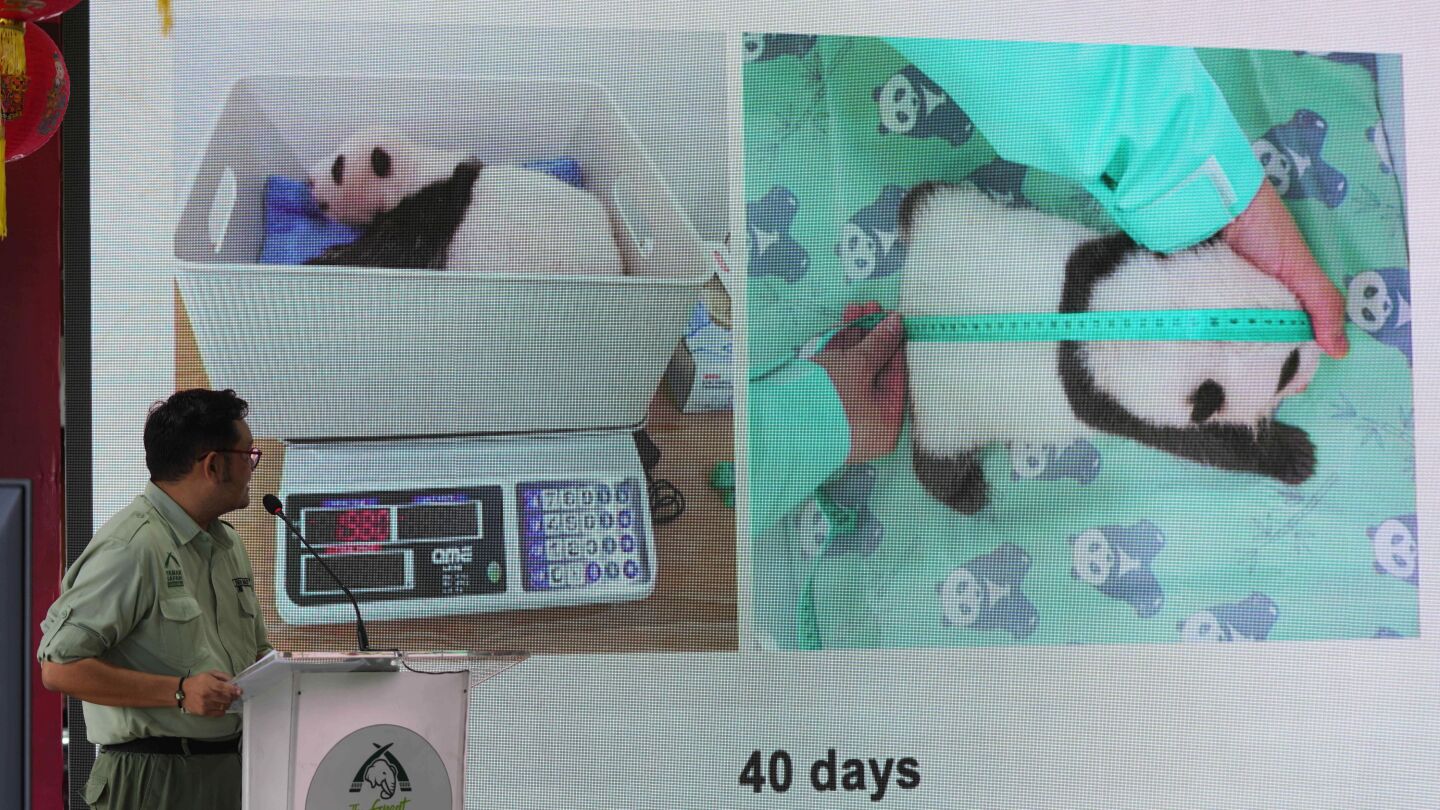
    In a significant development for international wildlife conservation, Indonesia’s Taman Safari Park has documented the remarkable growth of a giant panda cub born through Sino-Indonesian diplomatic cooperation. The cub, named Satrio Wiratama and affectionately called “Rio,” underwent his first comprehensive veterinary examination outside incubator care, revealing extraordinary developmental progress.

    Veterinary specialists at the West Java facility reported substantial physiological advancements in the 40-day-old cub. Senior veterinarian Bongot Huaso Mulia confirmed, “The panda cub demonstrates exceptional health indicators with a 46% weight increase and 95% length expansion over the past month.” The examination footage captures Rio’s transformation from a pink newborn to a fur-covered cub developing characteristic black-and-white markings.

    Rio represents a conservation breakthrough born to 15-year-old Hu Chun and Cai Tao on November 27. The parent pandas arrived in Indonesia in 2017 under a decade-long conservation agreement between China and Indonesia. Their specialized habitat, located 70 kilometers from Jakarta, has become the setting for this diplomatic success story.

    The birth followed extensive breeding efforts involving four natural mating attempts and four artificial insemination procedures. “This achievement resulted from persistent scientific dedication,” Mulia emphasized, acknowledging the reproductive challenges typical of giant pandas.

    Chinese Ambassador to Indonesia Wang Lutong celebrated the birth as both a conservation victory and diplomatic milestone: “This moment culminates years of collaborative effort. Rio’s arrival enriches the global panda community while strengthening international conservation ties.”

    The development holds particular significance given giant pandas’ endangered status, with fewer than 1,900 remaining in their native Sichuan, Shaanxi, and Gansu habitats. Panda loans traditionally serve as instruments of China’s soft-power diplomacy, making Rio’s successful birth a testament to effective cross-border wildlife preservation partnerships.

  • At least 22 Ethiopian migrants killed in ‘horrific’ road crash

    At least 22 Ethiopian migrants killed in ‘horrific’ road crash

    A devastating truck accident in northeastern Ethiopia has resulted in substantial casualties among migrants traveling along one of Africa’s most dangerous migration corridors. Ethiopian authorities confirmed that at least 22 individuals lost their lives and 65 sustained injuries when their transport vehicle overturned near Semera in the Afar region on Tuesday morning.

    Regional official Mohammed Ali Biedo disclosed that approximately 85 Ethiopian migrants were aboard the ill-fated vehicle at the time of the incident. The migrants were traversing the eastern migration route—a treacherous pathway that typically extends from Ethiopia through Djibouti, across the Red Sea to Yemen, and ultimately to Saudi Arabia and other Gulf nations seeking employment opportunities.

    Biedo attributed the tragedy to illegal brokers who misled the travelers about the dangers of their journey. Medical teams are currently providing emergency care to the injured, with approximately 30 individuals reported to be in critical condition following what authorities described as a ‘horrific’ accident.

    The Afar regional government issued a stern warning to Ethiopian citizens, particularly youth, regarding the dangers of human trafficking and false promises from smugglers. Officials pledged enhanced law enforcement cooperation with relevant authorities to prevent similar tragedies from recurring.

    This incident underscores the extreme risks associated with what the International Organization for Migration (IOM) identifies as ‘one of the busiest and most perilous mixed migration routes’ globally. Despite well-documented dangers, migration statistics reveal that over 60,000 migrants arrived in Yemen during 2024 alone, with most ultimately destined for Saudi Arabia’s job market.

    The Horn of Africa migration corridor, comprising Somalia, Djibouti, Ethiopia, and Eritrea, continues to witness substantial human movement despite the life-threatening challenges including vehicle accidents, dehydration, and human rights abuses that characterize this journey.

  • Israel to introduce ‘electronic bracelets’ to tighten movement control in West Bank

    Israel to introduce ‘electronic bracelets’ to tighten movement control in West Bank

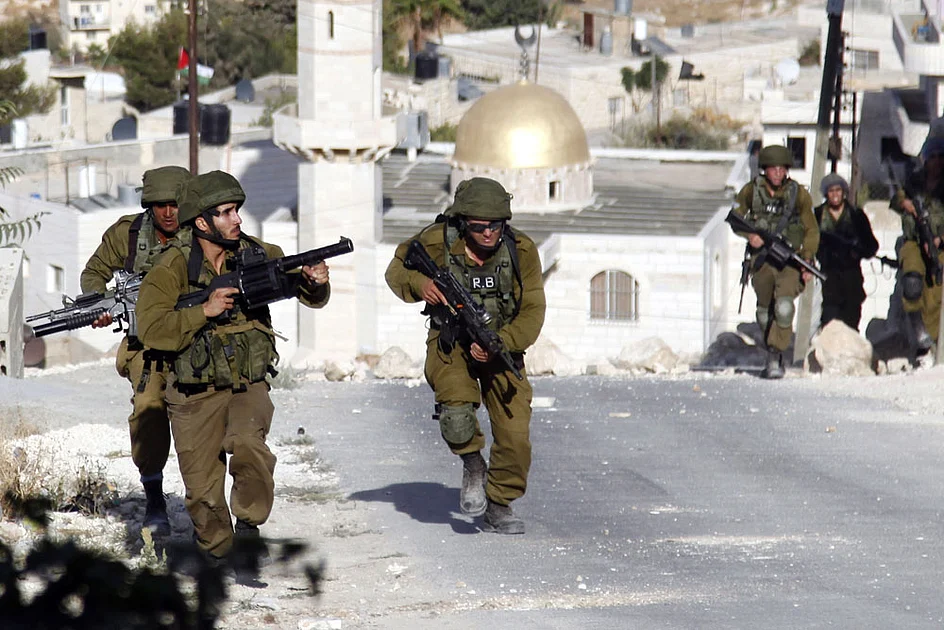
    The Israeli military announced on Monday the implementation of a groundbreaking technological surveillance system aimed at enforcing movement restrictions within the occupied West Bank. This strategic initiative involves the deployment of electronic monitoring devices on individuals subject to administrative movement orders, representing a significant escalation in Israel’s approach to regional security management.

    According to official military statements, the newly established framework empowers security forces to install technological tracking equipment on both Israeli and Palestinian residents who face movement limitations within the contested territory. The system enables real-time monitoring of compliance with restriction orders, with unauthorized removal of devices constituting a criminal offense subject to legal proceedings.

    The decision emerged following a formal request by Shin Bet security agency director David Zini, responding to escalating violence between Israeli settlers and Palestinian communities. Israeli media outlets report the measure specifically targets the recent surge in settler-related attacks against Palestinian civilians, though authorities emphasize its equal application across demographic lines.

    This development occurs within the complex context of Israel’s ongoing occupation of the West Bank since 1967, where approximately 500,000 Israeli settlers reside alongside nearly three million Palestinian inhabitants. The electronic monitoring system replaces the previously utilized administrative detention policy, which allowed six-month detentions without charges—a practice Defense Minister Israel Katz abolished for Israeli citizens in November 2024 while maintaining its application for Palestinians.

    The security situation has deteriorated markedly since October 2023, with over 1,000 Palestinian fatalities recorded in the West Bank according to AFP statistics compiled from Palestinian health ministry data. Concurrently, official Israeli figures indicate at least 44 Israeli casualties from Palestinian attacks or military operations during the same period. Despite a fragile truce between Israel and Hamas, violence persists with minimal accountability for settler-led attacks, prompting this technological intervention to restore order.