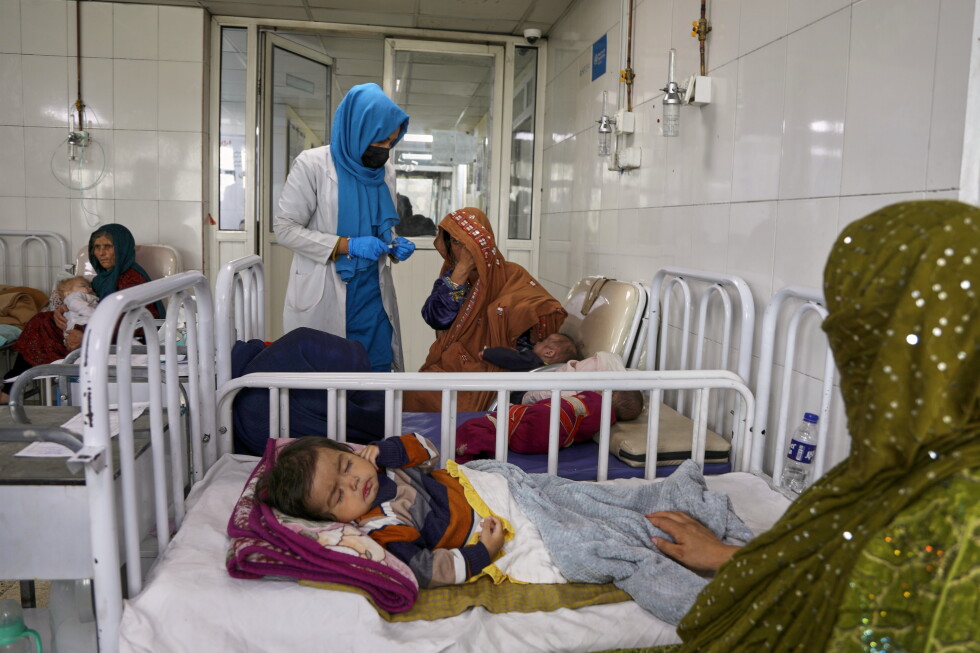
The United Nations World Food Program (WFP) issued a stark alert on Tuesday, announcing that child malnutrition has reached catastrophic, critical levels across 12 of Afghanistan’s 34 provinces — one third of the entire country — and the crisis is poised to deteriorate rapidly as crippling funding gaps force widespread cuts to life-saving food distributions and nutritional support.
分类: world
-
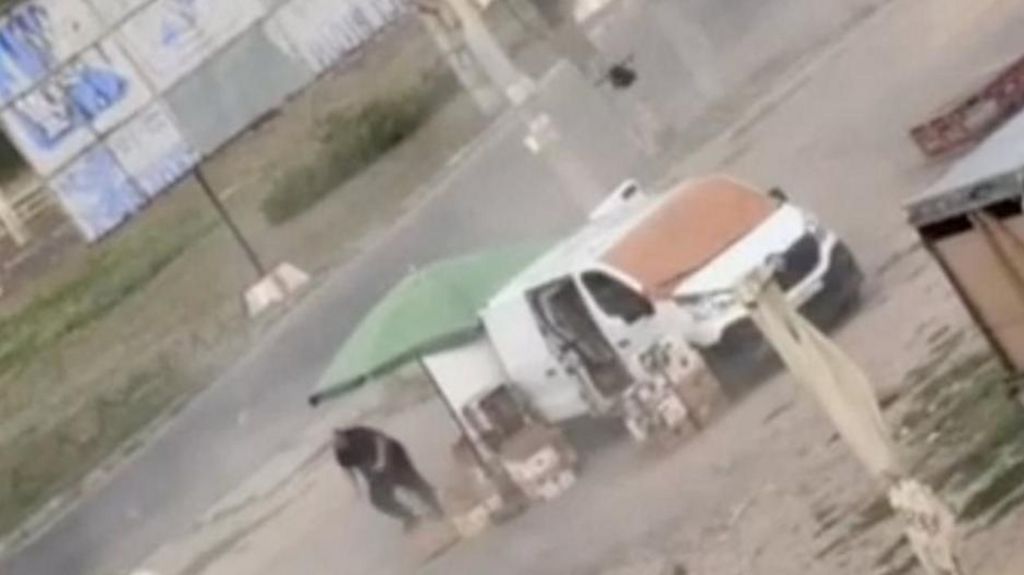
Video shows Russian drone chasing Ukrainian street vendor in ‘human safari’ attack
A shocking incident of alleged intentional targeting of an unarmed civilian by a Russian drone in southern Ukraine’s Kherson region has drawn widespread international condemnation, with Ukrainian leaders calling it a clear example of systemic war crimes perpetrated by Russian forces against civilian populations.
The dramatic footage of the attack, shared by Ukrainian President Volodymyr Zelensky on his official Telegram channel, captures the entire harrowing ordeal: a 52-year-old street vegetable vendor identified only as Yuriy is relentlessly pursued by a hovering drone along a city street in the Tavriiskyi district of northern Kherson, mere miles from active frontline positions. As the drone locks onto him, Yuriy attempts to evade the aircraft, first ducking behind his white work van, then holding up heads of garlic toward the drone’s camera in a desperate attempt to prove he is an unarmed civilian, not a military target. Even as Yuriy ducks under a market umbrella while fleeing, the drone continues tracking him before diving directly at him and detonating on impact.
Yuriy survived the attack but was hospitalized with concussion, blunt force trauma, and multiple shrapnel wounds, according to his treating physician. His work van, which he used for his vending business, was completely destroyed in the blast. In a video statement released from his hospital bed by Kherson’s regional governor after the attack, Yuriy recounted that he and his wife had only just begun setting out crates of tomatoes, cucumbers, eggplants and other produce for sale when they heard the distinctive buzzing of a drone overhead. When his wife fled the area, the drone redirected its pursuit exclusively to Yuriy.
Zelensky emphasized in his post that the footage must be seen globally, arguing that it provides irrefutable proof that Russian forces have adopted a deliberate strategy of terror against Ukrainian civilians. “It must see every piece of evidence that Russia has gone mad, and every fact that Russian soldiers are enjoying killings and tormenting people,” Zelensky wrote.
Ukrainian Foreign Minister Andrii Sybiha echoed the president’s condemnation, labeling the attack a barbaric war crime and noting that these so-called “human safari” drone strikes are a deliberate, systemic Russian strategy. “The sadist operating this drone knows full well that he is targeting a civilian,” Sybiha added.
The practice of “human safari” attacks, in which remotely operated drones are used to hunt down and kill unarmed civilians in frontline areas, has been well-documented in Kherson for years. A 2025 United Nations report confirmed that Russian armed forces have recurrently killed and injured civilians in the region through this tactic. In many cases, drone operators film the pursuit and attack, then post the footage online to spread terror, allowing thousands to view the final terrified moments of their victims. The UN has repeatedly stated that publicizing these videos of attacked civilians amounts to an additional war crime of outrages upon personal dignity. Independent fact-checking team BBC Verify has confirmed the geolocation of the attack footage, matching it to a public market beside a roundabout in the Tavriiskyi district, matching Ukrainian authorities’ accounts.
-
EU commends Spain’s ‘swift response’ to Ceuta migrant crisis
In the wake of an unprecedented mass migration event that saw more than 70,000 people cross into Spain’s North African exclave of Ceuta in just 48 hours late last month, European Union interior ministers have formally commended Madrid for its rapid handling of the crisis, despite sharp divisions among member states that have tested the bloc’s border and migration policy frameworks.
Spanish Interior Minister Fernando Grande-Marlaska confirmed that between July 30 and 31, approximately 72,000 migrants entered Ceuta from neighboring Morocco. In the days following the influx, Spanish authorities have moved to repatriate roughly 70,000 people back to Morocco, though the event has already left a devastating human toll: at least 75 people have been confirmed dead on the Spanish side of the border, with 11 additional fatalities recorded in Moroccan territory.
The emergency meeting of EU interior ministers, held Tuesday, was convened after several member states publicly raised concerns over Spain’s management of the crisis, with far-right Italian leadership leading the criticism. Italian Prime Minister Giorgia Meloni framed the unplanned mass crossing as a direct security threat to the entire European continent, prompting Rome to suspend its Schengen Area free movement agreement with Spain late last week. Since Italy and Spain share no land border, the restriction only applies to air travel, requiring enhanced security checks for passengers traveling between the two nations.
The divided stances among EU members deepened as Finland and Denmark publicly backed Italy’s action, while Czech Prime Minister Andrej Babiš went further, calling for a temporary suspension of Spain’s full Schengen membership. In total, 23 EU nations signed a joint letter expressing formal concern over the situation in Ceuta.
Spanish Prime Minister Pedro Sánchez pushed back against the criticism, noting that Ceuta is not formally part of the Schengen border-free zone, and accused critical governments of attacking Spain for political gain, driven by “prejudice, fake news, ignorance, or political interest.” He acknowledged that most member states had offered support and solidarity, but condemned the actions of those that had not.
Following Tuesday’s closed-door meeting, Irish Justice Minister Jim O’Callaghan, who chaired the discussions, reaffirmed that the bloc remains united in solidarity with Spain, emphasizing that cross-border migration can only be addressed through coordinated, collective European action. Grande-Marlaska struck a conciliatory tone after the meeting, stating that the integrity of the Schengen Area remained intact and that he hoped Italy would reverse its additional border checks at the earliest opportunity.
EU Commissioner Magnus Brunner characterized the Ceuta crisis as a critical stress test for European border security and collective resilience, a challenge he said the bloc had ultimately passed successfully. Brunner confirmed that the EU has offered Spain emergency funding to bolster border infrastructure and support ongoing crisis management operations. He added that investigations into the root causes of the sudden mass influx point to coordination by criminal smuggling networks and the spread of misleading disinformation across social media platforms that encouraged migrants to attempt the crossing.
The mass crossing followed a recent ruling by Spain’s Supreme Court that barred authorities from summarily returning migrants intercepted at sea while attempting to reach Ceuta or Melilla, Spain’s second North African exclave, to Morocco. Moroccan officials claim they warned Spanish leaders that the ruling would trigger a major migration crisis, but Madrid has rejected this assertion, saying it received no intelligence warning of the unprecedented scale of the crossing.
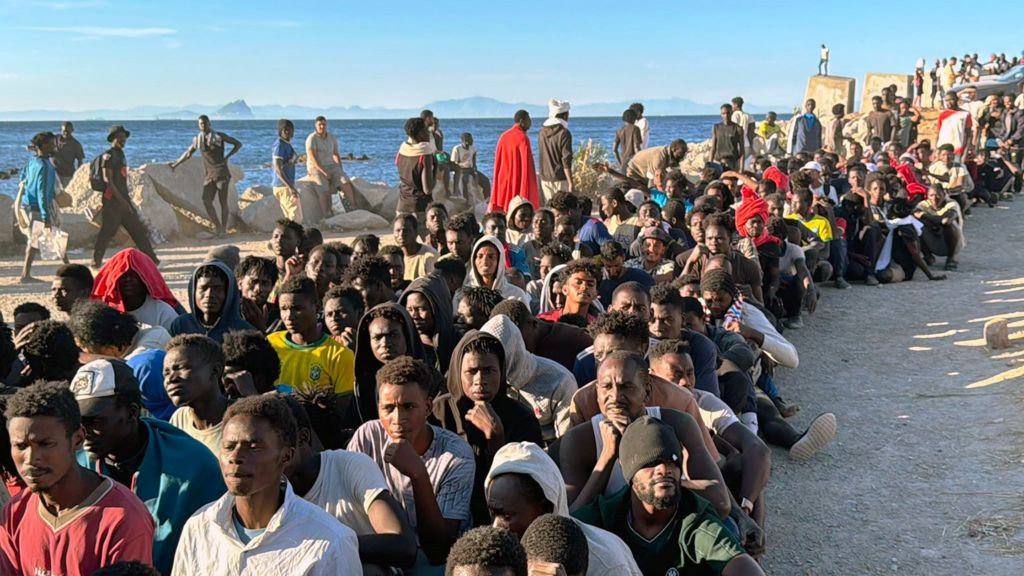
As of this week, hundreds of migrants remain in Ceuta, with photos and on-the-ground reports showing large groups gathering on city beaches to wait for food, water and emergency aid distributed by the Red Cross. Some migrants have carried handwritten banners calling for asylum, while many have been forced to sleep on public beaches and city streets due to overcrowding in local reception facilities.
Public concern has grown over the conditions for vulnerable migrants remaining in Ceuta, particularly unaccompanied minor migrants, with local reports indicating roughly 800 children are being held in temporary facilities across the city. Grande-Marlaska moved to address these concerns, confirming that the Spanish government is committed to upholding the human rights of all migrants, including minors, and has earmarked 25 million euros (approximately $28.8 million) specifically to support care for underage migrants in Ceuta.
Grande-Marlaska added that Spanish authorities are continuing close, firm cooperation with Moroccan officials to prevent further unauthorized border crossings, and that all remaining migrants in Ceuta will be processed and returned to Morocco as quickly as possible.
-
Zimbabwe mourns mother and 2 daughters killed in the UK as father faces charges
BULAWAYO, Zimbabwe — A somber crowd of grieving relatives, friends and community members filled a Bulawayo church on Tuesday to lay to rest a Zimbabwean-born mother and her two young daughters, whose brutal murders in their adopted British home have sent shockwaves across three nations.
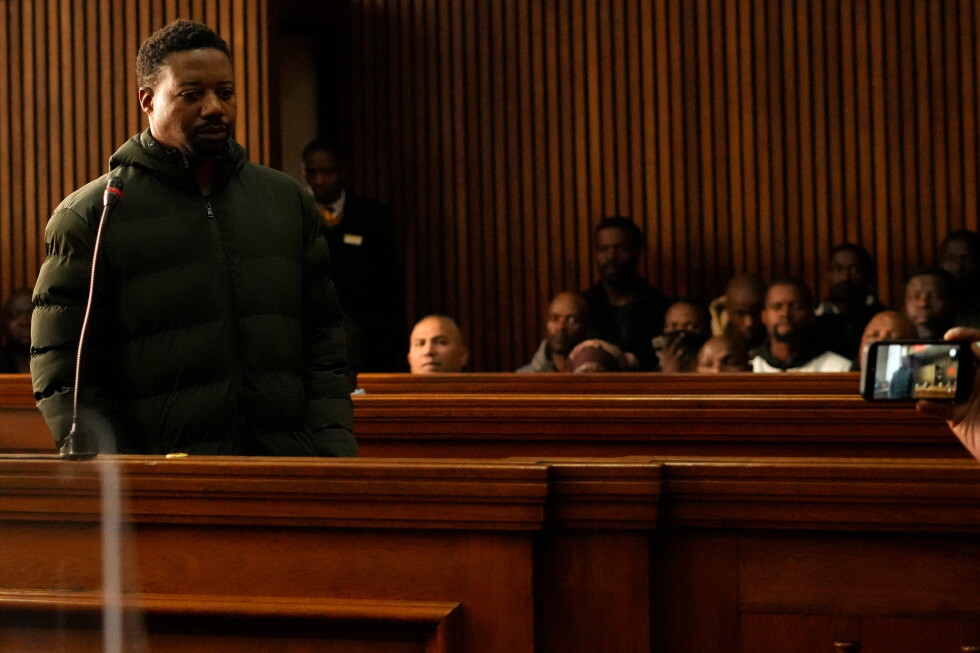
The three victims — 42-year-old Nothabo Zandile Tshuma, 15-year-old Natalie, and 5-year-old Nala — were honored in a funeral service held days after their bodies were recovered from their residence near Bedford, north of London. Their husband and father, 45-year-old Ndodana Mkhanyisi Tshuma, a British citizen of Zimbabwean origin, is currently in custody in South Africa after fleeing the United Kingdom shortly before the bodies were discovered. He faces three murder charges connected to the deaths, and South African authorities are processing an extradition request to return him to the UK to face trial.
British law enforcement first found the bodies on July 7, after concerned family members contacted police to report they had been unable to reach the family for an extended period. A preliminary coroner’s inquest confirmed all three victims suffered fatal head injuries. On Tuesday, the victims’ remains were displayed in white coffins at the Bulawayo church ahead of their burial, drawing hundreds of mourners to pay their last respects.
Speaking to the gathered crowd, family spokesperson Theophilus Khumalo spoke of the irreparable hole the three deaths have left in the community. “Their departure has created a silence so deep that only the voice of God can comfort it,” Khumalo told mourners, remembering the two young girls as “God’s little flowers.” He added that Tshuma had long held quiet dreams of watching her daughters grow into “confident, educated and God-loving young women” before those plans were cut short. In an earlier public statement released after the bodies were identified, the family described the shock of the killings as “an unbearably painful journey” for everyone connected to the victims.
The case has garnered widespread public attention across the United Kingdom, Zimbabwe, and neighboring South Africa since news of the deaths broke last month. Tshuma was arrested in Johannesburg in a joint operation carried out by Interpol and South African police, just days after the bodies were found. When officers took him into custody, they discovered an unlicensed firearm in his possession, which investigators believe he intended to use to take his own life. He currently faces separate charges in South Africa for unlawful possession of the weapon, and local courts will hold proceedings to review the UK’s extradition request in the coming weeks.
As a Zimbabwean-born family that had settled in the UK, the slayings have struck a chord with diaspora communities on both the African continent and in Europe, leading to widespread calls for justice for the three victims. The funeral service on Tuesday closed a chapter of mourning for the family, but legal proceedings surrounding the case are only just beginning as extradition processes move forward.
-
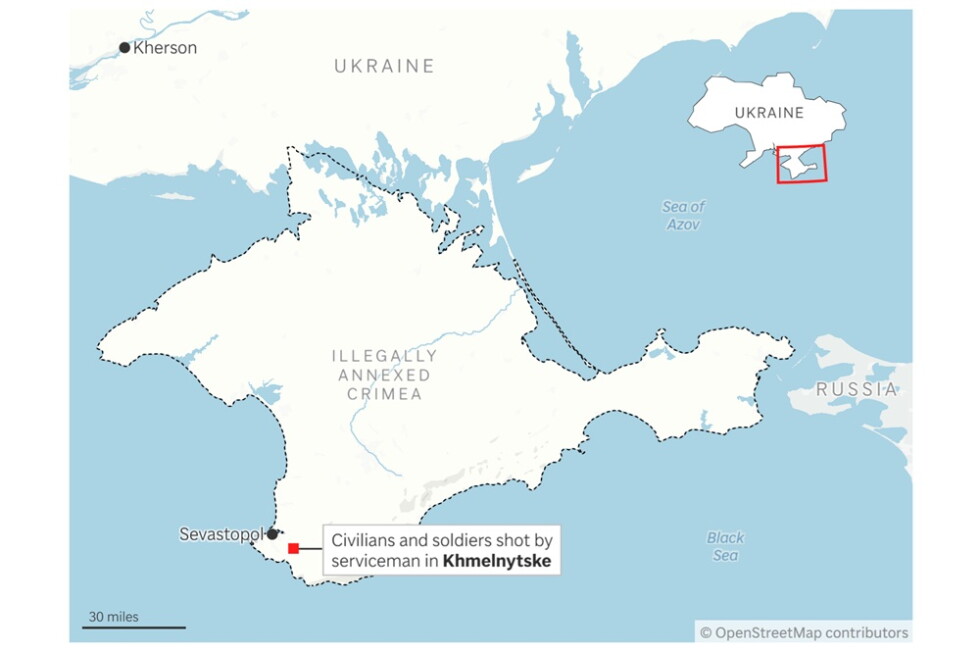
A serviceman in Russian-held Crimea shoots fellow soldiers and civilians, killing 4
A violent shooting incident carried out by a Russian serviceman against fellow service members and civilian bystanders has left four people dead and four others injured in Russian-occupied Crimea, according to the Moscow-appointed governor of Sevastopol, Mikhail Razvozhayev, who made the announcement publicly on Tuesday.
The attack unfolded in the small village of Khmelnytske, an administrative subdivision of the Sevastopol region, though Razvozhayev did not provide a precise timeline for when the shooting began. Initial details shared by the governor outline that the unidentified serviceman first targeted his own colleagues, opening fire that resulted in one service member’s death and left a second with serious injuries. The gunman then continued his attack, turning his weapon on unarmed civilians, killing three and wounding three more in the process.
Following the rampage, the shooter was taken into custody by Russian security authorities, and a formal investigation into the incident has been launched. To date, officials have not released any additional details about the gunman’s identity, background, or potential motives for the violence.
The broader geopolitical context of the incident is rooted in the ongoing conflict between Russia and Ukraine. Back in 2014, Russia illegally annexed the Crimean Peninsula from Ukraine, a move that has never been recognized by the majority of the international community. For the Kremlin, the Black Sea peninsula holds immense strategic value amid Russia’s full-scale invasion of Ukraine, which is now in its third year (note: corrected from the original text’s inaccurate fifth year framing to reflect the 2022 invasion timeline). At the opening stages of the 2022 full-scale invasion, Russian forces massed in Crimea rapidly advanced to capture large swathes of southern Ukraine, establishing a continuous overland supply route connecting the peninsula to Russian-held territories on the Ukrainian mainland.
In recent months, Ukrainian military operations have increasingly targeted Russian supply lines running to and through Crimea, disrupting logistics and triggering significant fuel shortages across the peninsula. Crimea is traditionally a major tourist destination for Russian visitors during the warm summer months, and the supply disruptions have added additional strain to daily life for residents and visitors alike amid the ongoing war.
-
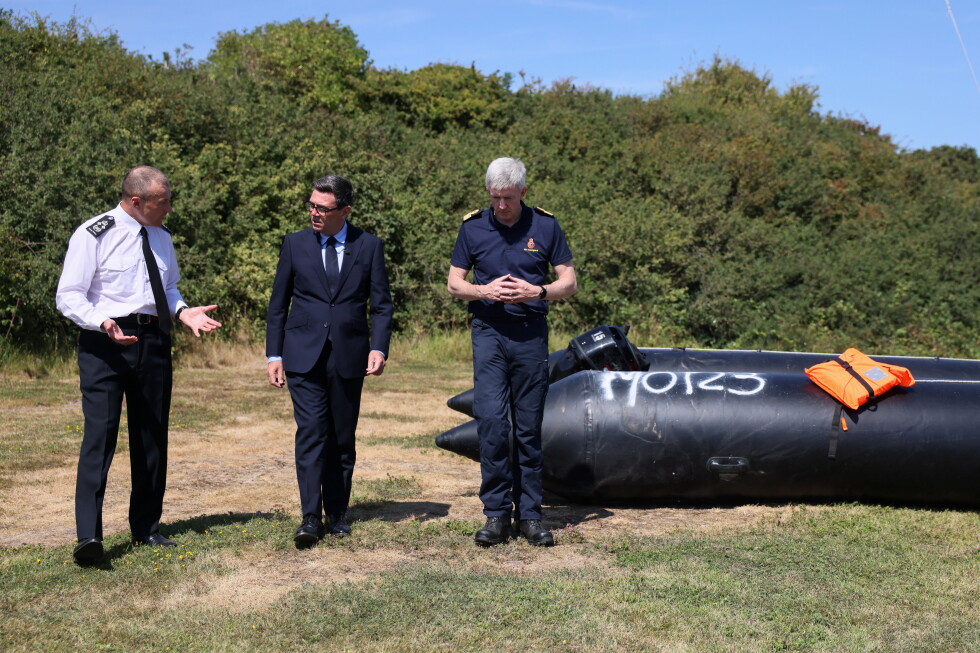
French and British teams rescue 157 migrants after a boat engine fire in the Channel
A large-scale cross-border rescue operation carried out by French and British emergency teams has saved 157 migrants whose small migration vessel suffered a catastrophic engine fire and began sinking while attempting to cross the English Channel, French maritime officials have confirmed.
The incident unfolded early Tuesday, when the overloaded makeshift boat was still within France’s designated search-and-rescue zone, just kilometers from British territorial waters. According to an official statement released by the maritime prefecture overseeing the English Channel and North Sea, the engine burst into flames unexpectedly, and the vessel started to break apart within minutes. In response to the urgent crisis, French authorities dispatched two dedicated rescue ships, a French Navy helicopter, and specialized medical teams to the scene. British emergency assets also joined the operation rapidly, with crews from the Royal National Lifeboat Institution and UK Border Force deploying to assist with the evacuation.
By the conclusion of the operation, all 157 migrants had been pulled from the frigid Channel waters to safety: 103 were retrieved by French rescue vessels, while the remaining 54 were rescued by British teams. All survivors were transported to the northern French port of Boulogne-sur-Mer for mandatory medical checks and emergency support services.
This incident marks the latest dangerous episode in the ongoing Channel migration crisis, and it sheds new light on the complex challenges rescuers face when responding to migrant vessels. The vessel involved in Tuesday’s rescue had initially departed from the Normandy coast on Monday, and had been under continuous monitoring by French rescue vessels overnight. During the hours before the engine fire, five passengers already required emergency assistance and were brought ashore to Boulogne-sur-Mer. The remaining passengers on board made the unusual decision to refuse offers of help from rescuers, choosing to continue their crossing.
French maritime authorities explain that this choice is far from uncommon. Migrants attempting the crossing in unstable, overloaded makeshift boats often only accept rescue intervention when they are facing an immediate, life-threatening emergency. Rescuers also face a difficult constraint: they cannot force passengers to disembark from unstable vessels, because a sudden rush to evacuate could cause the boat to capsize, putting all people on board at far greater risk of death.
Tuesday’s rescue comes just one week after four migrants lost their lives in two separate small boat crossing attempts in the Channel, highlighting the persistent deadly risk of this route for people seeking migration to the UK. In response to the rising number of crossings and associated deaths, the UK and French governments signed a new multi-million euro agreement earlier this year designed to crack down on unauthorized departures. The deal increases the number of police patrols along northern France’s coastline and upgrades regional surveillance infrastructure. It also provides funding for new detection technologies to target so-called “taxi boats” — small, usually inflatable motorized vessels that smugglers use to pick up migrants from remote stretches of the northern French coast and transport them across the Channel.
-
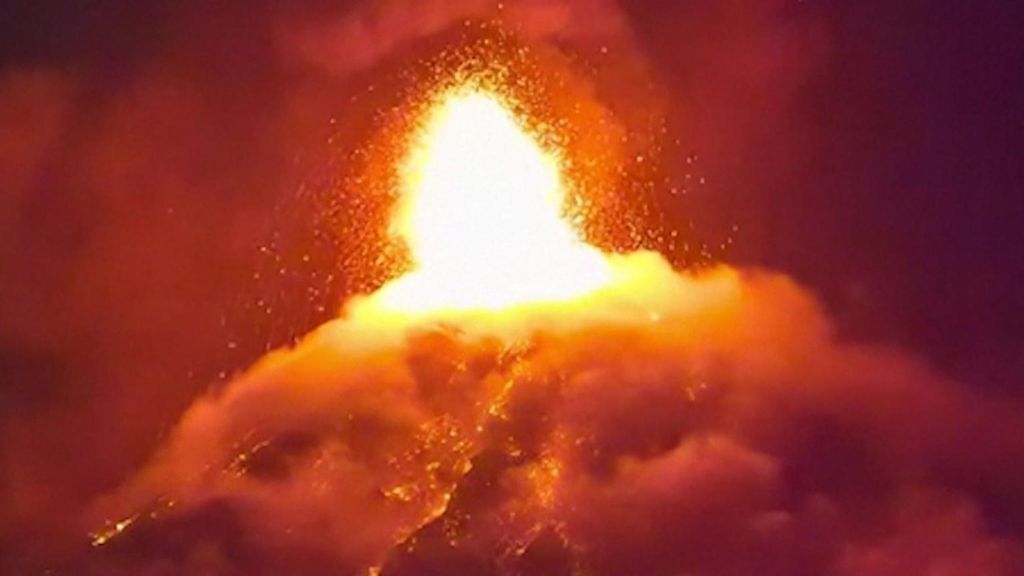
Guatemala volcano eruption sends lava spewing into the air
One of the Western Hemisphere’s most consistently active volcanoes has roared back to life in Guatemala, forcing emergency evacuations of nearby communities and putting the entire nation on high alert for further dangerous activity.
Fuego, a towering stratovolcano located just 10 miles west of Guatemala’s famous tourist hub Antigua, began ejecting glowing lava and thick plumes of ash on Monday. By early Tuesday, the country’s official volcanology monitoring agency confirmed that fast-moving pyroclastic currents – lethal mixtures of superheated gas, volcanic ash, and jagged rock fragments – were still cascading down the volcano’s southeastern slope, a sign that the eruption was far from over.
In response, Guatemala’s national disaster management agency Conred issued a nationwide orange alert, the second-highest warning level in the country’s emergency system. The agency issued a series of urgent public advisories, noting that ongoing volcanic activity could spawn additional pyroclastic flows and large ash clouds that threaten communities across the region. Residents were instructed to keep all windows and doors sealed to avoid inhaling toxic ash particles, while all classes have been canceled at schools within the danger zone near the volcano’s base.
Fuego’s proximity to Antigua, a UNESCO World Heritage Site famed for its well-preserved Spanish colonial architecture that draws millions of international tourists annually, adds an extra layer of urgency to the emergency response. The active volcano itself is also a popular destination for adventurous hikers from around the globe. Conred has strongly warned both tourists and local residents to avoid all high-risk areas, particularly the steep slopes close to the volcano’s crater, and to follow evacuation orders immediately if instructed to leave.
This is not the first time Fuego has caused catastrophic loss of life. A devastating 2018 eruption of the volcano killed more than 200 people, most of whom were trapped by the fast-moving pyroclastic flows that swept through the Las Lajas ravine. That disaster remains one of the deadliest volcanic events in Central America’s recent history, and emergency officials are keen to avoid a repeat of the 2018 tragedy by acting proactively to move at-risk populations out of harm’s way.
-
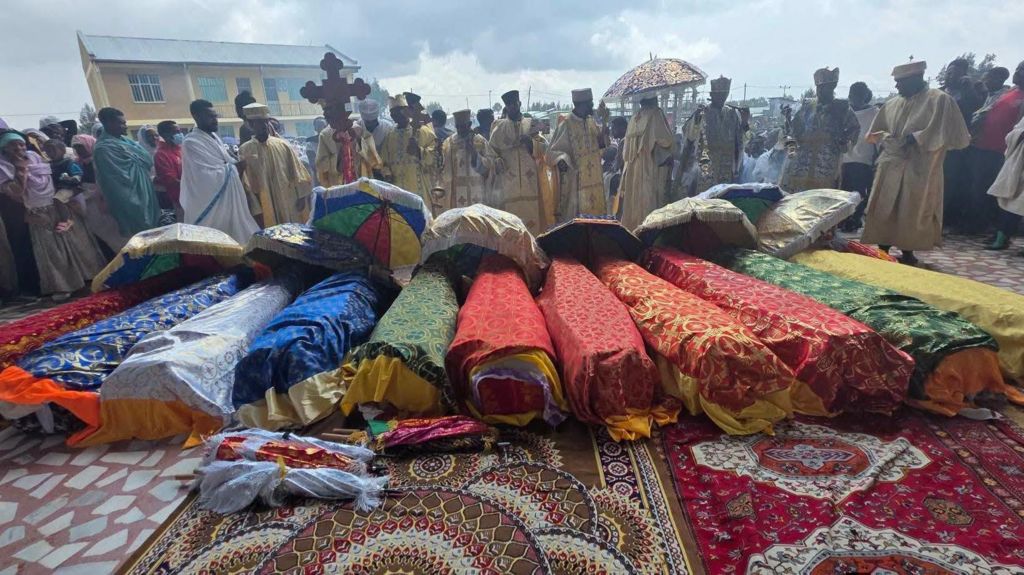
Deadly landslide hits Ethiopia mountain monastery during prayer service
A deadly landslide that struck an ancient Orthodox Christian monastery in Ethiopia’s northern Amhara region has claimed 14 lives, leaving communities in mourning after authorities called off search operations for people still trapped beneath collapsed hillside debris. The disaster unfolded in the early hours of Monday morning, when a saturated slope above the Tsadqane Debre Mitmaq St Mary Monastery gave way following a full night of unrelenting heavy rain, according to senior local administrator Dagnachew Azbite.
The monastery’s sacred prayer chamber, carved directly into the side of the mountain, had become a gathering place for worshippers taking part in an overnight prayer retreat centered on a popular holy water cleansing ritual. The ritual draws Orthodox Christian pilgrims from across the region seeking spiritual healing for chronic health conditions, making the gathering a meaningful spiritual event for those in attendance. In addition to the 14 fatalities, seven people were pulled alive from the debris with injuries, five of whom were categorized as serious, Azbite confirmed.
As of this week, 11 of the deceased have been laid to rest in ceremonies held at the monastery itself, while the remains of the remaining three victims have been transported back to their home communities for private funerals. Megabe Hadis Neka Tibeb Ababu, general manager of the local North Shewa Diocese, told reporters that identifying a number of the victims remains a significant challenge for authorities and church leaders. The head of the diocese, Archbishop Abune Klementos of the Ethiopian Orthodox Church, traveled to the disaster site to lead funeral prayers for the deceased, offer blessings for the injured, and extend condolences to families who lost loved ones in the tragedy.
In the immediate aftermath of the collapse, a multi-agency response effort brought together emergency search teams, local security personnel, medical workers, and scores of volunteer residents from nearby communities to comb through the debris for survivors. That effort has now been formally wrapped up, with no further searches planned for those still unaccounted for.
Landslides are a recurring, deadly hazard across Ethiopia during the country’s annual main rainy season, which runs from June through August each year. This recent disaster marks one of multiple weather-related mass casualty events to strike the East African nation in recent years. In March of this year, more than 100 people were killed in floods and landslides set off by heavy rainfall in southern Ethiopia’s Gamo Zone. Just last year, in July 2024, a massive landslide in the adjacent Geze Gofa Zone killed more than 229 people, including active rescue personnel responding to an initial weather event, making it one of the deadliest climate-related disasters in the country’s recent history.
Climate researchers have documented a clear long-term trend across East Africa over the past 20 years: both extreme, prolonged wet spells and extended dry periods are becoming more common across the region. Scientific consensus repeatedly confirms that anthropogenic climate change is increasing the frequency and intensity of severe weather events, including the long, heavy downpours that create the saturated soil conditions that lead to deadly landslides across hilly regions of Ethiopia.
-
Cargo ship hit after Trump insists Iran talks could reopen Hormuz today
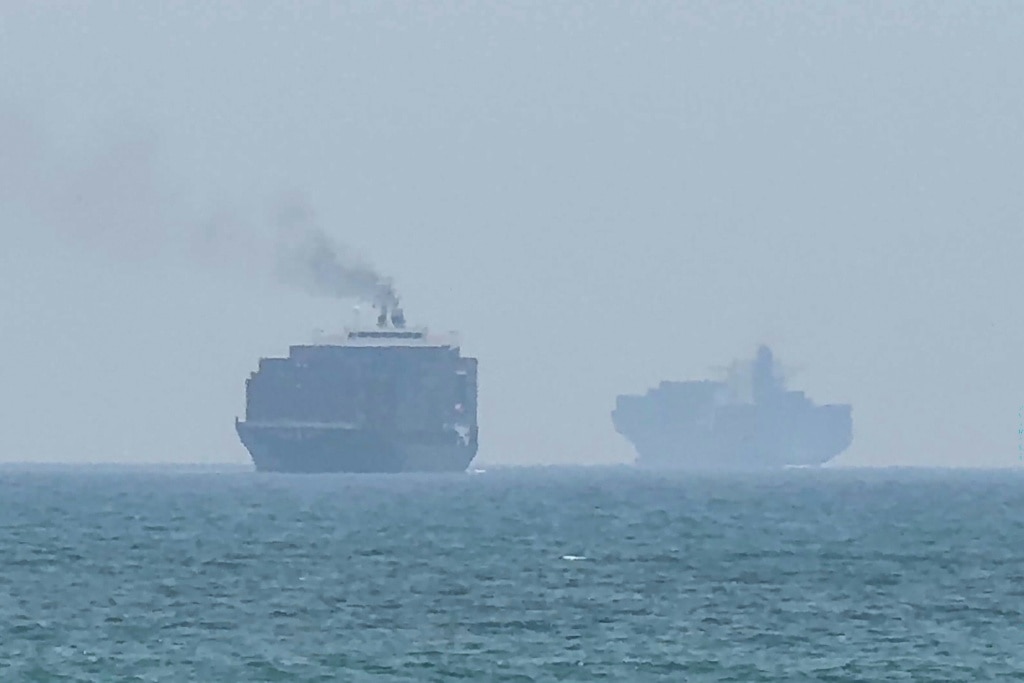
Tensions flared again in the strategically critical Strait of Hormuz on Tuesday, after an unidentified projectile hit an unspecified cargo ship just hours after US President Donald Trump claimed ongoing negotiations with Iran could see the vital global energy chokepoint reopened within 24 hours. The incident comes amid a bitter five-month conflict between Washington and Tehran, marked by shifting diplomatic overtures, repeated threats of violence, and public disagreement over whether talks are even taking place.
The current confrontation between the US, backed by Israel, and Iran erupted on February 28 with a surprise joint attack. While a ceasefire and preliminary agreement were reached in the months that followed, diplomatic efforts have failed to reach a lasting settlement to end the hostilities. The Strait of Hormuz, through which roughly a fifth of the world’s daily oil supplies pass, has repeatedly emerged as the flashpoint that reignites violence.
The core dispute over the waterway centers on new demands from Iran: Tehran now claims full control over the strait and seeks to impose tolls on transiting vessels, powers it did not exercise before the outbreak of war. The US has fiercely rejected these demands, setting the two sides at an impasse.
President Trump has followed a familiar pattern of shifting rhetoric in recent weeks. Last week, he issued a stark warning that the US would strike Iran “very hard”, even floating the possibility of targeting civilian infrastructure, before pulling back on Saturday to announce that the basic framework of a deal had already been outlined. On Monday, speaking from the White House, he blended unshakable optimism about a diplomatic breakthrough with new bellicose threats, calling this Iran’s “last chance before decapitation”.
Trump told reporters he had agreed to continue negotiations at the request of key Gulf nations including Saudi Arabia, the United Arab Emirates and Qatar. He insisted that talks were active “right now” focused on two key priorities: reopening the Strait of Hormuz, which he claimed could happen “literally by tomorrow”, and the denuclearization of Iran, a process he acknowledged would “take a little while”. “I expect we’ll know one way or the other how these talks go by Tuesday,” he said, adding “it’s not very complex.”
Hours before that statement, Trump took to social media to accuse Iran of being duplicitous for denying talks were underway. “Whether Iran wants to admit it or not, we are, in fact, talking of a solution to a problem that they have caused, for decades,” he wrote. He also highlighted the US-led counter-blockade of Iranian ports, saying “Nothing gets through to Iran, unless we want it to, and nothing will get through, unless a Deal, or Total Surrender, is accomplished.”
Iran has flatly contradicted Trump’s claims of active negotiations. Iranian foreign ministry spokesman Esmaeil Baqaei confirmed that Tehran is in discussions with Omani authorities in Muscat over a new southern shipping route through the strait, but emphasized these talks are not related to a broader deal to reopen Hormuz. Tehran has long maintained that its nuclear program, a key US demand for dismantling, is strictly for civilian energy and research purposes, despite repeated claims from Western nations that it is aimed at developing nuclear weapons.
Five months into the conflict, which has already cost the US billions of dollars, Iran still retains the capability to launch missile and drone strikes against US and allied targets across the Middle East, and continues to hold stockpiles of enriched uranium.
Early Tuesday, the UK Maritime Trade Operations (UKMTO) agency confirmed the latest incident: a cargo ship was hit by an “unknown projectile” in the Strait of Hormuz, off the Omani coast. The agency declined to name the vessel, and gave no details on damage or casualties, only noting that authorities were launching an investigation into the attack.
Currently, Iran enforces an effective blockade of the strait, requiring all transiting ships to coordinate passage with Iranian authorities and use a route close to the Iranian coast. In response, many commercial vessels have opted to reroute through the southern corridor of the strait, closer to Omani territorial waters.
-
Soldier kills four in gun rampage in Russian-occupied Crimea
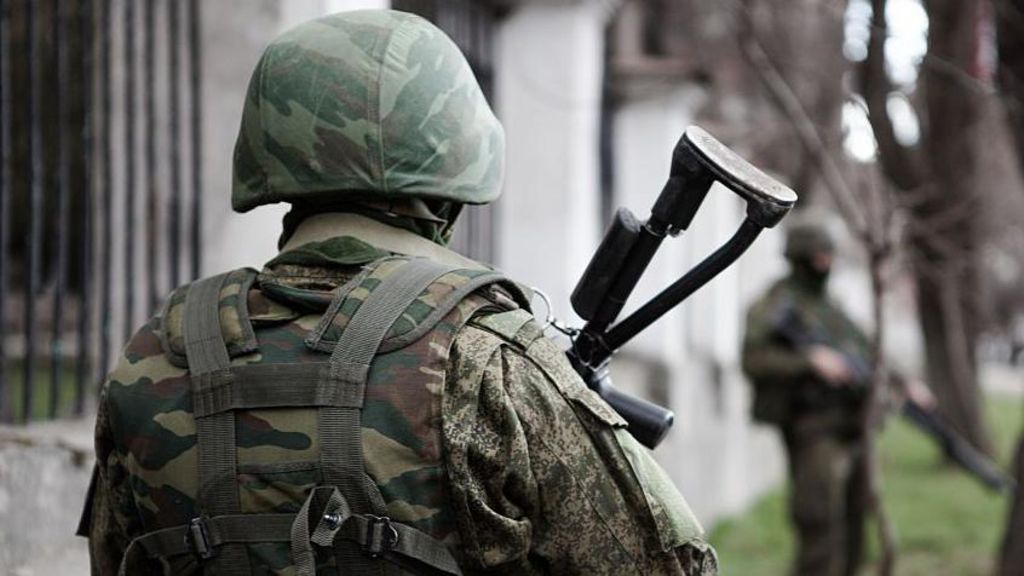
A violent shooting spree carried out by an active member of Russia’s armed forces has left four people dead and multiple others injured in the Crimean Peninsula, the Ukrainian territory illegally annexed by Moscow in 2014, regional authorities confirmed.
According to Mikhail Razvozhayev, the regional governor installed by the Kremlin, the violence unfolded when the gunman turned his weapon on fellow service members first. This initial attack killed one soldier and left a second service member with critical injuries. After attacking his colleagues, the shooter fled to the nearby village of Khmelnytske, where he targeted unarmed civilians.
Three local residents lost their lives in the civilian attack: a 71-year-old man, a 59-year-old man, and a 64-year-old woman. Three additional civilians were also wounded in the rampage, with medical teams working around the clock to stabilize their conditions. Razvozhayev stated that clinical teams are deploying every available resource to save the lives of those injured, though it remains unclear whether the overall death toll will climb as the injured receive treatment.
The attacker has already been taken into custody by authorities, who have launched a formal investigation to uncover the motive for the mass shooting. As of the latest updates, the suspect has not been publicly named, and regional officials have not released any details about which branch of the Russian armed forces he was serving in at the time of the attack. In a public statement following the incident, Razvozhayev urged local residents and media outlets to only share information from official government sources, warning against the spread of unsubstantiated rumors about the shooter’s identity or potential motivations.
Crimea has remained one of the most contentious flashpoints in tensions between Russia and Ukraine since 2014, when Moscow invaded and annexed the peninsula from Ukraine. The overwhelming majority of the international community refuses to recognize Russia’s annexation, classifying Crimea as illegally occupied Ukrainian territory. Russia has since maintained a heavy, permanent military presence across the peninsula, which has increasingly come under attack from Ukrainian drone and missile strikes as the full-scale Russian invasion of Ukraine stretches into its third year.