分类: world

  • BBC looks into the relationship between Cuba and Venezuela

    BBC looks into the relationship between Cuba and Venezuela

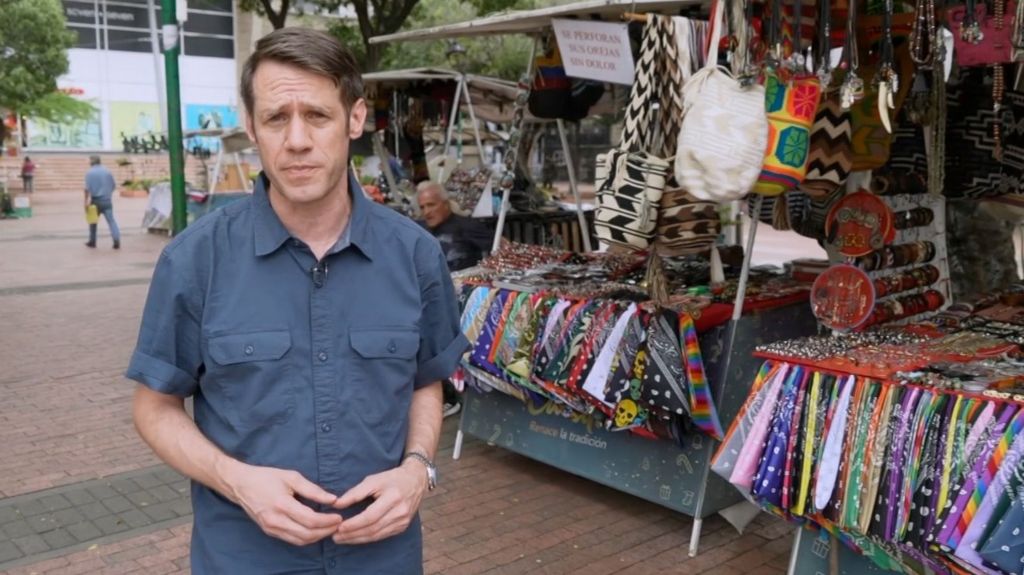
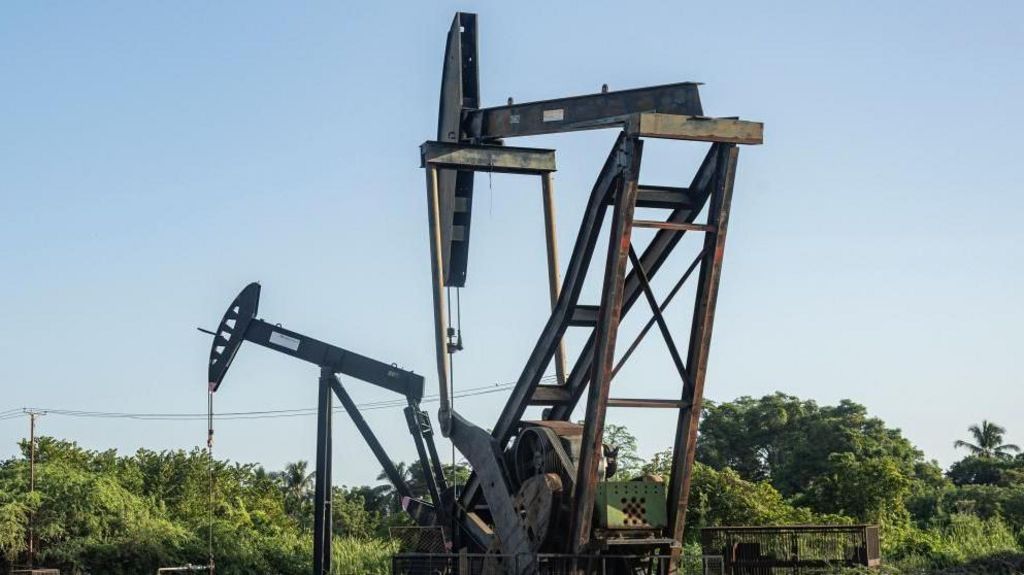
    The BBC has initiated a comprehensive examination of the intricate bilateral relationship between Venezuela and Cuba, with on-the-ground correspondent Will Grant providing expert analysis on this geopolitically significant alliance. This partnership, often described as a cornerstone of Latin American leftist solidarity, represents one of the most strategically important relationships in the Western Hemisphere.

    The Venezuela-Cuba dynamic operates through a well-established framework of reciprocal exchange that has evolved over decades. Venezuela provides Cuba with substantially discounted petroleum resources, which serve as a critical economic lifeline for the Caribbean nation amidst ongoing trade restrictions. In return, Cuba dispatches thousands of medical professionals, educational specialists, and security advisors to Venezuela, creating an interdependence that has weathered numerous political and economic challenges.

    This symbiotic relationship traces its origins to the personal rapport between the late Venezuelan President Hugo Chávez and Cuban revolutionary leader Fidel Castro, whose shared ideological vision forged an alliance that has persisted through leadership transitions in both nations. The partnership has consistently defied conventional diplomatic norms, maintaining resilience despite fluctuating global oil prices, international sanctions, and changing political landscapes across Latin America.

    The BBC’s investigation comes at a pivotal moment as both nations navigate complex economic circumstances and evolving international relations. The analysis provides crucial insights into how this bilateral relationship continues to influence regional politics, economic cooperation models, and geopolitical alignments throughout Latin America and beyond.

  • Swiss bar fire: Remains of UAE resident repatriated with honours

    Swiss bar fire: Remains of UAE resident repatriated with honours

    The remains of Emanuele Galeppini, a 17-year-old Italian student and promising golfer residing in Dubai, were repatriated to Italy with full military honors on Monday. Galeppini was among the 40 victims of a catastrophic New Year’s Eve fire that erupted at a popular bar in the exclusive Swiss ski resort of Crans-Montana.

    The tragic incident occurred during a celebratory event when an explosion, potentially ignited by sparkler candles placed on bottles too close to the ceiling, triggered a devastating flashover. This phenomenon caused the fire to engulf the entire enclosed space within seconds, resulting in significant casualties. Swiss authorities confirmed that all victims and 116 injured individuals have now been formally identified.

    Galeppini was returned to his homeland alongside four other Italian nationals who perished in the blaze: Achille Barosi and Chiara Costanzo from Milan, Giovanni Tamburi from Bologna, and another victim from Genoa. A military aircraft transported the coffins to Milan, where armed forces personnel rendered solemn salutes during the dignified transfer ceremony.

    The young golfer, ranked 3,454th in the world amateur golf rankings, was remembered by the Italian Golf Federation as “a young athlete who carried passion and authentic values with him.” The federation released an official statement expressing profound grief and extending condolences to his family and the wider sporting community.

    Tributes have emerged internationally, particularly from the United Arab Emirates where Galeppini had established his home. Stephen Deane, Dubai Golf Head International Development Coach who mentored Galeppini for several years, described him to Khaleej Times as both exceptionally talented and remarkably kind-hearted, emphasizing his genuine concern for others.

    While Italian officials and media have publicly confirmed the young athlete’s passing, Swiss police investigators continue their ongoing examination into the precise causes and circumstances surrounding one of Switzerland’s deadliest nightlife disasters in recent history.

  • US may intercept and seize oil tanker heading for Europe, reports say

    US may intercept and seize oil tanker heading for Europe, reports say

    A potential high-seas confrontation is brewing between the United States and Russia as American military forces prepare to intercept a Russian-flagged oil tanker crossing the North Atlantic. According to CBS News, two US officials have confirmed plans to seize the vessel Marinera (formerly known as Bella 1), which is currently navigating between Scotland and Iceland while carrying Venezuelan crude oil.

    This dramatic escalation follows President Donald Trump’s announcement last month of a naval ‘blockade’ targeting sanctioned oil tankers entering or leaving Venezuela—a move condemned by Caracas as outright ‘theft.’ The current operation marks the latest chapter in Washington’s intensified pressure campaign against the Venezuelan government, which Trump has repeatedly accused of using commercial vessels to transport drugs to American shores.

    The Marinera’s journey has been marked by intrigue and evasion. Last month, the US Coast Guard attempted to board the vessel in the Caribbean when it was reportedly heading toward Venezuela. Authorities had obtained a warrant alleging sanctions violations and illegal shipment of Iranian oil. In response, the ship dramatically altered course, changed its name from Bella 1 to Marinera, and switched its registration from Guyanese to Russian—a maneuver that appears to have provided limited protection.

    Maritime intelligence expert Dimitris Ampatzidis of Kpler explained that ‘US action is driven by the vessel’s underlying identity, ownership/control networks, and sanctions history, not by its painted markings or flag claim.’ He added that the Russian registry might create ‘diplomatic friction’ but would not necessarily prevent enforcement action.

    The developing situation coincides with the arrival of approximately 10 US military transport aircraft and helicopters in the UK, though the British Ministry of Defence has declined to comment on ‘other nations’ military activities.’

    Russia’s foreign ministry has expressed serious concern about the ‘abnormal situation’ surrounding its vessel, emphasizing that the Marinera ‘is sailing in international waters under the state flag of the Russian Federation and in full compliance with international maritime law.’ Moscow questioned the ‘disproportionate attention’ from US and NATO forces and called on Western nations to adhere to their stated principles of freedom of navigation.

    This maritime standoff occurs just days after the stunning capture of former Venezuelan President Nicolás Maduro—a key Russian ally—by US forces in Caracas. That operation involved bombardment of targets in the Venezuelan capital and extraction of Maduro and his wife on allegations of weapon and drug offenses.

    US officials indicate that forces would prefer to seize rather than sink the vessel, drawing parallels to last month’s successful capture of The Skipper—another crude oil tanker that had departed from Venezuela. However, the Marinera’s current position presents significant operational challenges due to distance and severe weather conditions in the North Atlantic.

  • Israeli forces fire live rounds and teargas as they storm Birzeit University

    Israeli forces fire live rounds and teargas as they storm Birzeit University

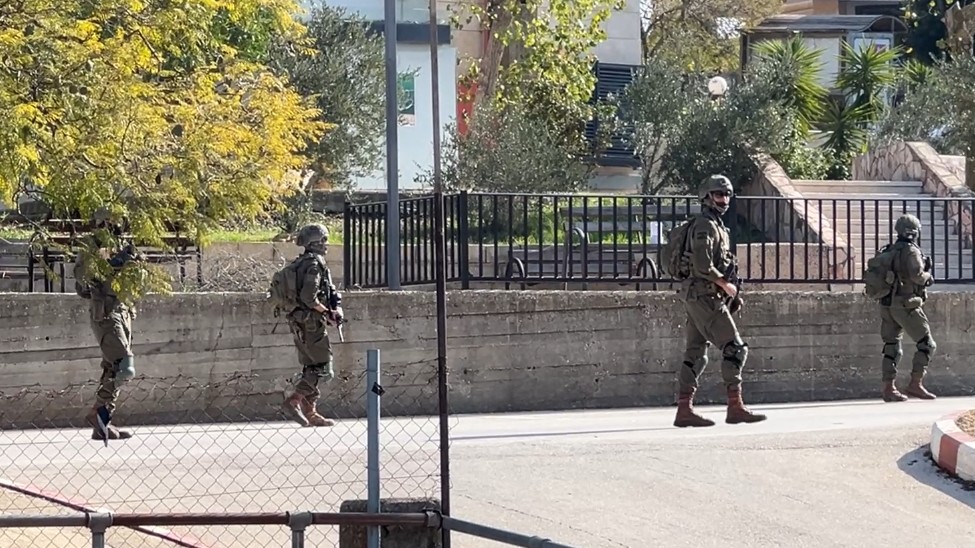
    Israeli military forces conducted a violent raid on Birzeit University near Ramallah on Tuesday, employing live ammunition and tear gas against students and faculty members. The assault resulted in over forty casualties, primarily students, with graphic evidence showing blood trails across the campus grounds.

    Approximately 8,000 students became trapped within the university premises during the military operation, according to Palestine’s Government Communication Centre. Visual documentation from the scene depicts chaotic scenes of students fleeing as security forces deployed grenades into crowds.

    The incursion reportedly followed student-organized activities expressing solidarity with Palestinian detainees in Israeli prisons. Witness accounts confirmed that Israeli forces breached the main university gate using approximately twenty military vehicles before dispersing throughout the academic facility.

    University President Talal Shahwan characterized the event as “a sad day for Birzeit University and for higher education in Palestine and the world.” He emphasized this was not an isolated occurrence, noting repeated military intrusions onto the campus. Shahwan issued an urgent appeal to international educational communities and global organizations to protect academic freedom and ensure safety for university personnel.

    This incident coincides with intensified Israeli military operations across the West Bank, including Monday’s widespread arrests targeting journalists, minors, and refugees. Local sources report aggressive search operations and intimidation tactics during these campaigns.

    Human rights organizations have documented a significant escalation in arbitrary detentions and civilian casualties since the beginning of Israel’s military operations in Gaza, with over 1,000 Palestinian fatalities recorded in the past two years, including 217 minors.

  • Six dead and hundreds of flights cancelled as snow causes chaos across Europe

    Six dead and hundreds of flights cancelled as snow causes chaos across Europe

    A severe winter storm system has plunged European transportation into chaos, resulting in six weather-related fatalities and massive travel disruptions across the continent. The unprecedented snowfall and freezing conditions have created hazardous circumstances from Western Europe to the Balkans, with authorities struggling to manage the crisis.

    In France, treacherous driving conditions claimed five lives through separate incidents. Three fatalities occurred in the southwestern Landes region due to black ice, while two additional motor accidents proved fatal in the Paris area. One victim died when their vehicle collided with a heavy goods vehicle in eastern Paris, and another perished when a taxi skidded on snow and plunged into the Marne River.

    The Balkans experienced equally severe conditions, with Sarajevo receiving 16 inches (40 cm) of snowfall. Bosnian authorities confirmed one woman died after a snow-laden tree collapsed onto her in the capital city.

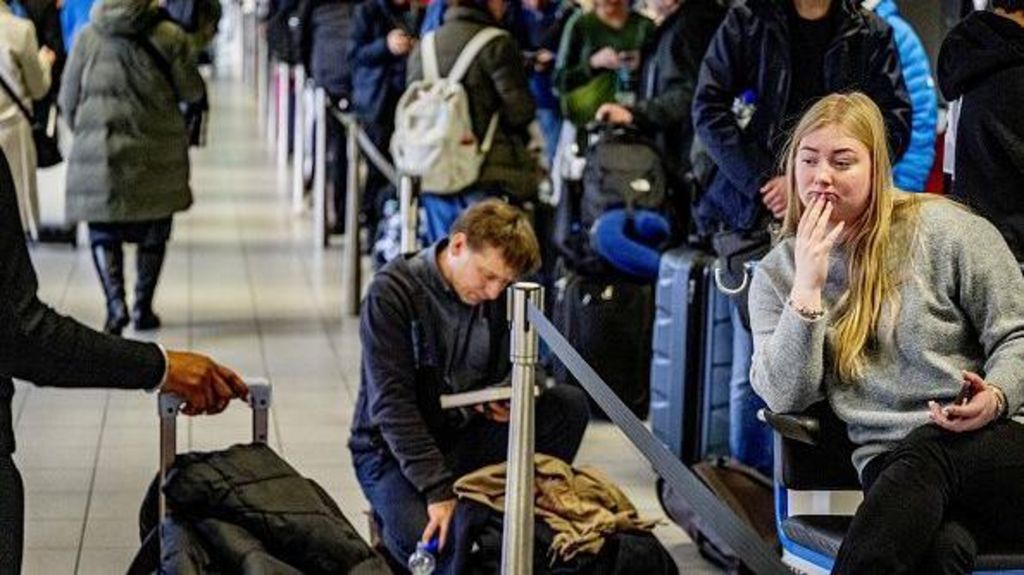
    Air travel has been severely impacted, particularly at major European hubs. Amsterdam’s Schiphol Airport cancelled over 400 flights on Wednesday, with an additional 600 cancellations anticipated. Hundreds of passengers found themselves stranded, unable to make connecting flights amid chaotic scenes and extensive queues at airline counters.

    KLM Royal Dutch Airlines, responsible for many cancelled flights, reported critically low de-icing fluid supplies, attributing the shortage to extreme weather conditions and delivery delays. Travelers expressed frustration at the inadequate communication and extended waiting times, with one Spanish passenger describing the situation as “chaotic and totally unacceptable” after waiting six hours in line.

    French Transport Minister Philippe Tabarot warned of additional snowfall expected Tuesday night and Wednesday, urging citizens to avoid unnecessary travel and work from home. France’s national weather service placed 38 districts on orange alert for snow and black ice, while Paris airports announced significant flight reductions—40% at Roissy-Charles de Gaulle and 25% at Orly—to facilitate runway clearing operations.

    Rail services across Europe also faced substantial disruptions. The Netherlands experienced a complete temporary halt of all train services Tuesday morning due to an IT outage, with continued operational challenges throughout the day. Eurostar services between Amsterdam and Paris suffered cancellations and significant delays, compounding the continental transportation crisis.

  • Lebanon says Israeli strikes undermine efforts to prevent escalation

    Lebanon says Israeli strikes undermine efforts to prevent escalation

    Lebanese President Joseph Aoun has issued a stern condemnation of Israel’s latest military operations within Lebanese territory, characterizing them as deliberate attempts to sabotage ongoing diplomatic initiatives aimed at stabilizing the region. The presidential statement followed a series of targeted Israeli airstrikes across southern and eastern Lebanon conducted on Monday, which Israeli defense authorities claim successfully neutralized strategic assets belonging to Hezbollah and Hamas militant groups.

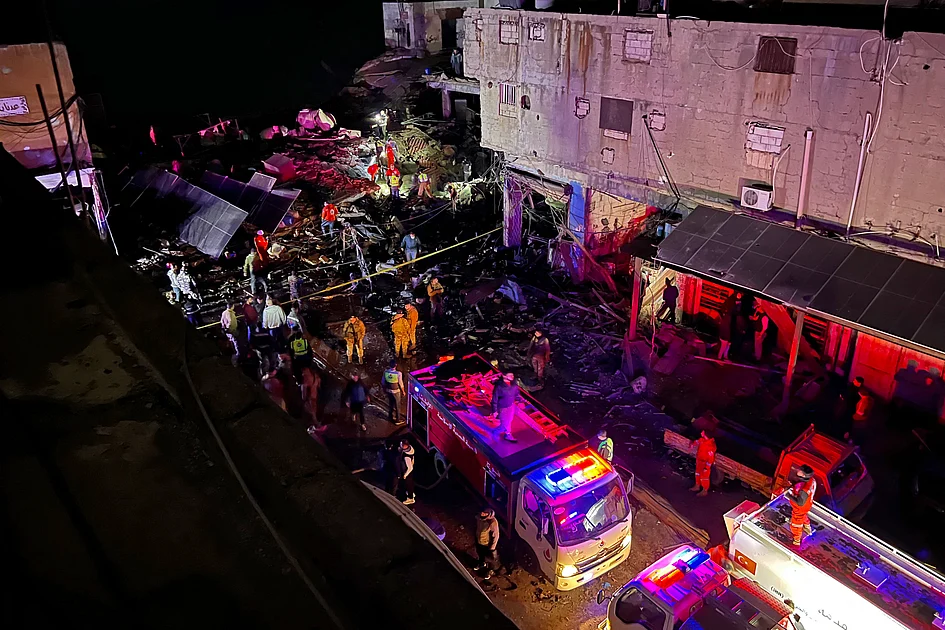
    The military campaign commenced with precision strikes on four villages where Israel had previously issued evacuation advisories. However, subsequent bombardments—including a pre-dawn operation on Tuesday in the Ghazieh area near Sidon—were executed without prior warning. According to field reports from AFP correspondents, these strikes resulted in significant structural damage, triggering substantial fires that required emergency response teams to contain.

    President Aoun emphasized that these aggressive actions directly contradict Lebanon’s demonstrated willingness to engage with international mediation efforts. Despite the year-long ceasefire agreement between Israel and Hezbollah, cross-border tensions have persisted with regular Israeli incursions into Lebanese airspace, typically justified as countermeasures against alleged terrorist infrastructure.

    The Israeli military command released an official statement confirming Tuesday’s operations targeted dual-purpose facilities allegedly serving both Hezbollah and Hamas organizations. These included sophisticated weapon storage complexes and military installations employing both surface and subterranean construction designs.

    This escalation occurs amid preparations for a critical meeting of the multinational ceasefire monitoring committee—comprising representatives from the United States, France, Lebanon, Israel, and the United Nations—scheduled for Wednesday. Simultaneously, Lebanon’s cabinet is convening to review progress on the contentious Hezbollah disarmament initiative, implemented under significant international pressure particularly from Washington.

    The Lebanese Armed Forces had been expected to complete weapons collection operations south of the Litani River (approximately 30 kilometers from the Israeli border) by December 2025 before expanding the program nationwide. President Aoun praised the military’s professional execution of this mandate, though Israeli Foreign Minister Gideon Saar previously dismissed these efforts as fundamentally inadequate during diplomatic exchanges on Sunday.

  • Iran security forces use tear gas in Tehran bazaar as toll rises

    Iran security forces use tear gas in Tehran bazaar as toll rises

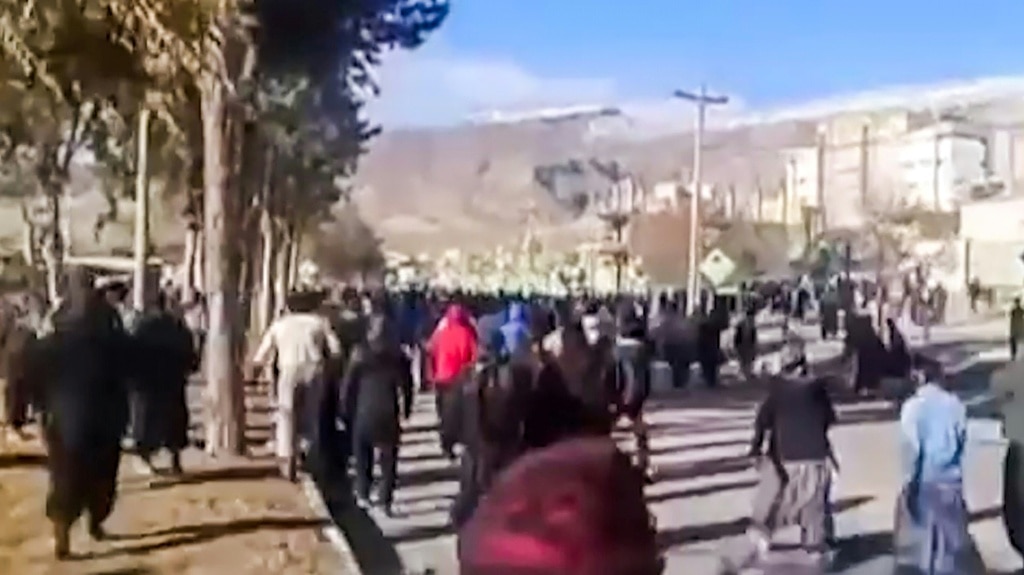
    Iranian security forces escalated their response to nationwide economic protests on Tuesday, deploying tear gas to disperse demonstrators at Tehran’s historic Grand Bazaar. The confrontation marks a significant intensification of the government’s crackdown on the most substantial wave of civil unrest to challenge the Islamic Republic since the 2022-2023 demonstrations.

    The protests, initially triggered by a severe currency devaluation and soaring living costs, have now resulted in significant casualties. According to Norway-based NGO Iran Human Rights (IHR), security forces have killed at least 27 protesters during ten days of demonstrations that began in late December. The victims include five minors under age 18, highlighting the violent nature of the state response.

    The movement originated on December 28th when merchants at Tehran’s economic hub initiated a shutdown protest against the Iranian rial’s collapse. The demonstrations have since spread to western regions with significant Kurdish and Lor minority populations. While not yet reaching the scale of previous nationwide uprisings, the protests represent a mounting challenge for Supreme Leader Ayatollah Ali Khamenei’s government amid persistent economic crisis and recent regional conflicts.

    Verified social media footage obtained by AFP shows protesters chanting anti-government slogans including ‘Pahlavi will return’ and ‘Seyyed Ali will be overthrown’—direct references to the ousted monarchy and current leadership. Additional footage from human rights organizations captures crowds shouting ‘freedom’ and ‘shameless’ before security forces respond with tear gas canisters that send protesters fleeing through narrow alleyways.

    Despite government announcements of modest economic relief payments, judiciary officials have warned there will be ‘no leniency’ for those deemed ‘rioters.’ Official Iranian media acknowledges at least 12 fatalities since protests began, including security personnel, but contradicts the higher casualty figures reported by independent organizations.

    IHR reports over 1,000 arrests nationwide, with particularly severe crackdowns in western provinces. In one incident in Ilam province’s Malekshahi district, security forces allegedly killed six protesters on Saturday. Amnesty International has condemned subsequent raids on hospitals to detain injured demonstrators as evidence of the regime’s extreme measures to suppress dissent.

    The economic grievances fueling the protests continue unabated. The Iranian rial hit a new record low of approximately 1.47 million to the US dollar on black markets, further eroding purchasing power and exacerbating the economic desperation driving citizens into the streets.

  • Daluo Port in Yunnan sets annual cross-border traffic record

    Daluo Port in Yunnan sets annual cross-border traffic record

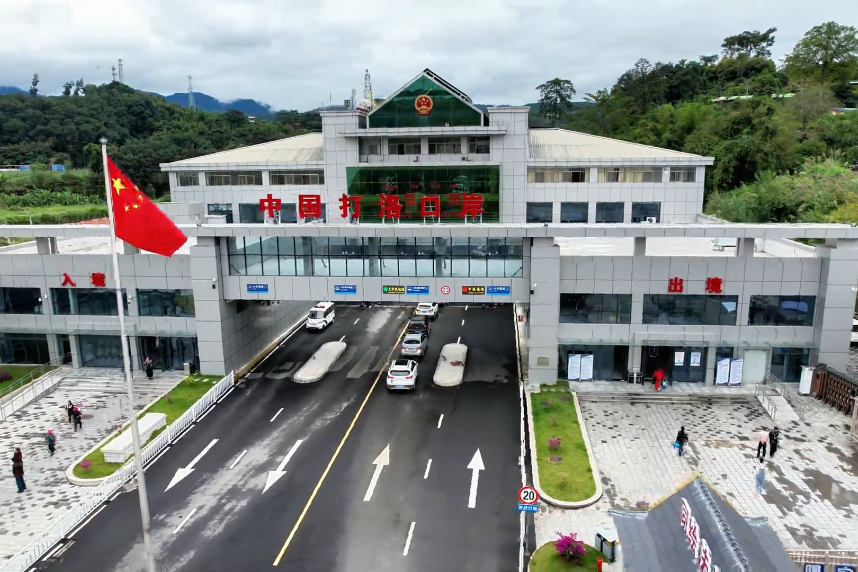
    Daluo Port, a critical gateway in China’s southwestern Yunnan province, has achieved a historic milestone in cross-border movement during 2025, recording its highest passenger traffic since its establishment in 1951. Located in the Xishuangbanna Dai Autonomous Prefecture, this strategic border crossing witnessed an extraordinary surge of 2.2 million border crossings throughout the year, representing a remarkable 30.2% increase compared to 2024 figures.

    The port’s escalating significance is demonstrated through its consistently growing daily throughput, which regularly exceeds 6,000 passengers and peaks above 10,000 travelers during high-volume periods. This substantial growth trajectory underscores the region’s expanding economic dynamism and deepening international connectivity within China’s Belt and Road Initiative framework.

    To accommodate this unprecedented flow of cross-border movement, the Daluo Border Inspection Station has implemented comprehensive operational enhancements. These measures include the complete activation of all inspection channels, sophisticated passenger flow management protocols, enhanced on-site navigation assistance, and the integration of advanced digital and intelligent clearance systems. These technological and procedural advancements have been instrumental in maintaining both security efficiency and processing speed despite the record-breaking passenger volumes.

    The port’s performance serves as a tangible indicator of strengthening economic ties between China and Southeast Asian nations, positioning Yunnan province as an increasingly vital hub for regional trade and cultural exchange.

  • Japan nuclear plant operator may have underestimated quake risks

    Japan nuclear plant operator may have underestimated quake risks

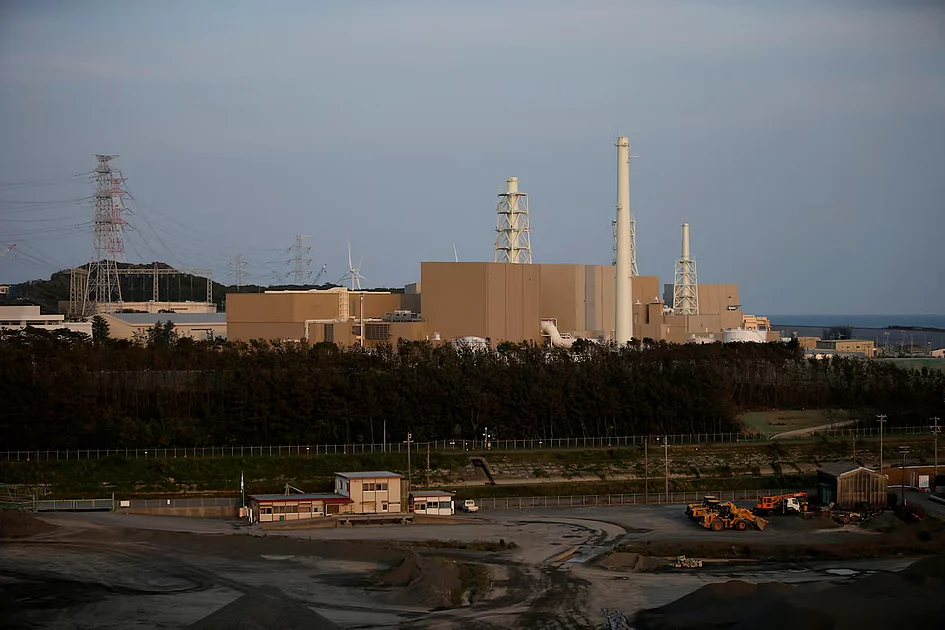
    A major Japanese energy utility has admitted to potentially providing regulators with inaccurate seismic data, casting doubt on earthquake risk assessments for one of its nuclear facilities. Chubu Electric Power Company disclosed that its estimated maximum seismic ground motion calculations for the Hamaoka nuclear plant might have been significantly underestimated.

    The revelation comes as Japan aggressively pursues nuclear power reactivation nearly fifteen years after the catastrophic Fukushima disaster. The Hamaoka facility, situated in central Japan’s Shizuoka prefecture, occupies a region scientists consider highly vulnerable to an impending ‘megaquake’ along the Nankai Trough seismic zone.

    Company President Kingo Hayashi addressed journalists during an emergency press conference, stating: ‘This incident could profoundly impact our safety review process and damage the trust of local communities and stakeholders, potentially shaking the very foundation of our nuclear operations.’

    The Nuclear Regulation Authority (NRA) suspended its safety evaluation process for Hamaoka in late December following whistleblower allegations received in February 2025. The informant claimed Chubu Electric might have utilized different data than what was officially presented to regulatory authorities.

    NRA official Keiichi Watanabe confirmed the agency launched an independent investigation, with public hearings scheduled to commence Wednesday. The seismic ground motion estimate—previously approved at 1,200 gal (a measurement of quake acceleration intensity)—serves as the critical foundation for earthquake-resistant nuclear plant design.

    This development occurs alongside Japan’s broader nuclear renaissance. The resource-limited nation seeks to reduce fossil fuel dependence, achieve carbon neutrality by 2050, and meet escalating energy demands driven by artificial intelligence infrastructure. The world’s largest nuclear facility, Kashiwazaki-Kariwa, anticipates operational restart later this month pending final regulatory approval.

    Government projections indicate a potential Nankai Trough earthquake could trigger catastrophic consequences, including tsunamis claiming up to 298,000 lives and causing approximately $2 trillion in damages. Chubu Electric has established a legal panel to investigate the data discrepancies as regulatory scrutiny intensifies.

  • Six dead in weather accidents as cold snap grips Europe

    Six dead in weather accidents as cold snap grips Europe

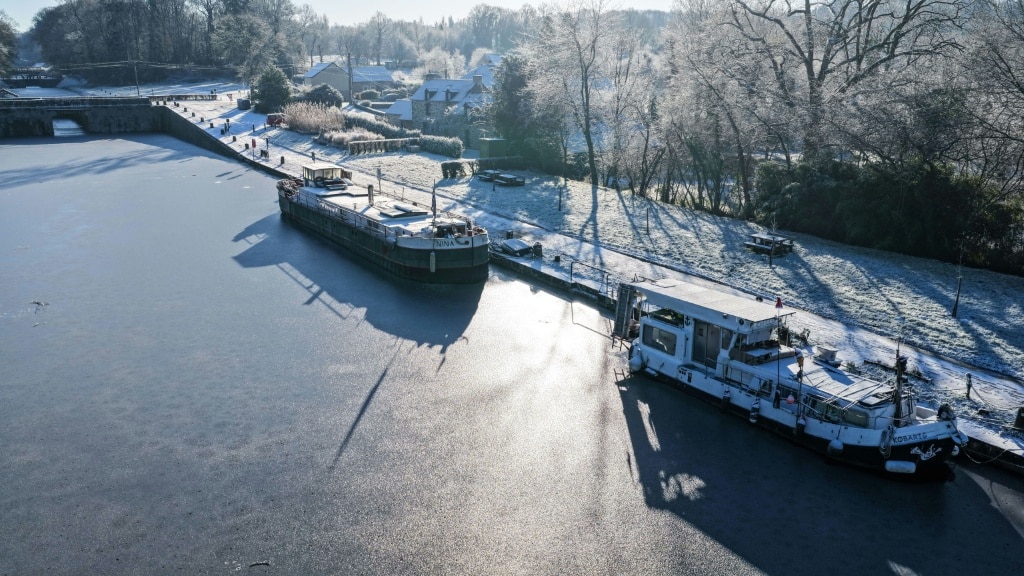
    A severe Arctic blast has enveloped Europe, triggering a cascade of fatal accidents and widespread transportation paralysis. The continent’s most intense cold spell this winter has resulted in six weather-related fatalities and created unprecedented travel disruption across multiple nations.

    France has borne the heaviest human toll, reporting five deaths linked to hazardous conditions. Authorities confirmed three individuals perished on icy roads in the southwest due to black ice accidents. Separately, a taxi driver died after skidding into the Marne River near Paris, while another motorist lost their life in a collision with a freight vehicle east of the capital.

    Transportation infrastructure faced severe strain as Paris’s Charles de Gaulle Airport prepared to cancel 40% of flights and Orly Airport 25% to facilitate runway clearing operations. Amsterdam’s Schiphol Airport experienced its second consecutive day of cancellations with over 400 flights grounded, creating massive passenger queues. The Dutch national railway system remained suspended until mid-morning, operating at reduced capacity thereafter.

    The Balkans confronted dual challenges of heavy snowfall and flooding. Sarajevo recorded 40 centimeters (16 inches) of snow accumulation, leading to one fatality when a snow-laden tree collapsed onto a woman. Widespread power outages affected dozens of Serbian villages, while Bosnia experienced river overflows and Albania conducted evacuations from flooded homes.

    Meteorological agencies reported extreme temperatures, with England’s Norfolk region recording -12.5°C and the Netherlands experiencing widespread sub -10°C conditions. Britain’s Met Office confirmed this represented the winter’s coldest night, with nearly the entire UK under weather alerts. Scotland faced particularly severe conditions with over 300 school closures and major rail disruptions.

    Transport Minister Fiona Hyslop urged Scots to avoid travel unless absolutely necessary, emphasizing the continued risks from additional expected snowfall. Despite challenges, airports in Liverpool and Aberdeen resumed operations after Monday’s closures.

    In Hungary, officials warned of deteriorating conditions with northeastern roads and railways becoming impassable. Construction and Transport Minister Janos Lazar advised citizens to venture out only for essential purposes as fresh snowfall continued.

    Urban centers faced unique challenges, with Parisian pedestrians navigating treacherously icy sidewalks. Tour guide Valeria Pitchouguina described the surreal beauty of snow-covered Paris while noting the practical difficulties of navigating Montmartre’s iconic steps under icy conditions, comparing the ascent to ‘climbing Mont Blanc.’