分类: world

  • Mayors warm to ice-and-snow economy

    Mayors warm to ice-and-snow economy

    HARBIN—Municipal leaders from winter cities across Europe, Asia, and North America converged at the Harbin Ice and Snow World this week to establish the groundbreaking Harbin Initiative, a collaborative framework for sustainable cold-climate urban development. The Global Mayors Dialogue event witnessed participation from officials representing Magdeburg (Germany), Rovaniemi (Finland), Bucheon (South Korea), Edmonton (Canada), Chiang Mai (Thailand), Erzurum (Turkey), and Chalandri (Greece).

    The initiative outlines four strategic pillars: establishing ecological civilization through sustainable ice-and-snow development, advancing technology-driven innovation in cold-region industries, creating mutual learning frameworks between cities, and modernizing urban governance systems. This cooperative effort signals a paradigm shift in how municipalities approach winter challenges, transforming climatic obstacles into economic opportunities.

    Harbin Mayor Wang Hesheng showcased his city’s credentials as China’s ice-and-snow sports birthplace and international winter tourism destination, highlighting the 27th Harbin Ice and Snow World—currently the world’s largest winter-themed park—alongside the Sun Island International Snow Sculpture Art Expo and public ice parks.

    International participants shared transformative winter strategies. Edmonton Mayor Andrew Knack described how his city reframes winter as “something to embrace rather than endure,” using festivals and sporting events as economic catalysts. Rovaniemi officials, representing Santa Claus’s official hometown, detailed how extended snow seasons become tourism assets through enhanced visitor experiences and ski infrastructure.

    Erzurum Vice-Mayor Zafer Aynalı demonstrated municipal management of ski centers located mere minutes from urban centers and airports, while Magdeburg representatives expressed interest in cross-sector collaboration extending beyond tourism to pharmaceuticals, technology, and construction.

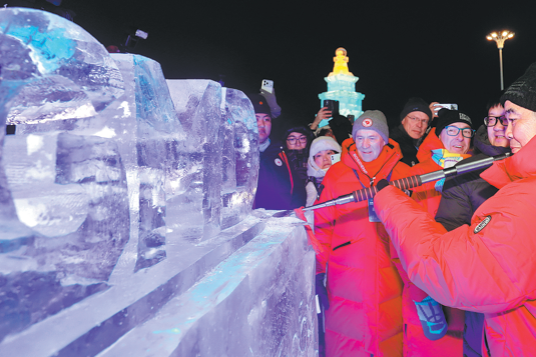
    The event featured hands-on cultural immersion as delegates carved the dialogue’s logo into ice blocks within the specially designated sculpture zone, symbolizing their commitment to shared winter prosperity. Guided by China’s State Council Information Office and jointly hosted by Heilongjiang provincial and Harbin municipal governments, the dialogue exemplifies China’s growing role in facilitating global urban development exchanges.

  • US halts assistance to Somalia over claims food aid was illegally seized

    US halts assistance to Somalia over claims food aid was illegally seized

    In a significant diplomatic move, the United States has suspended all assistance to Somalia’s government following allegations that officials destroyed a UN World Food Programme warehouse and confiscated approximately 76 tonnes of donor-funded food aid intended for vulnerable populations.

    The State Department announced the decision through the account of the Under Secretary for Foreign Assistance, stating the Trump administration maintains a ‘zero-tolerance policy for waste, theft, and diversion of life-saving assistance.’ The suspension will remain until Somali authorities ‘take accountability for unacceptable actions and implement appropriate remedial measures.’

    This development occurs against a backdrop of escalating tensions between Washington and Mogadishu. Recent months have witnessed strained relations following President Trump’s controversial remarks about Somali migrants in the United States and Israel’s recognition of breakaway region Somaliland, which Somalia considers part of its sovereign territory.

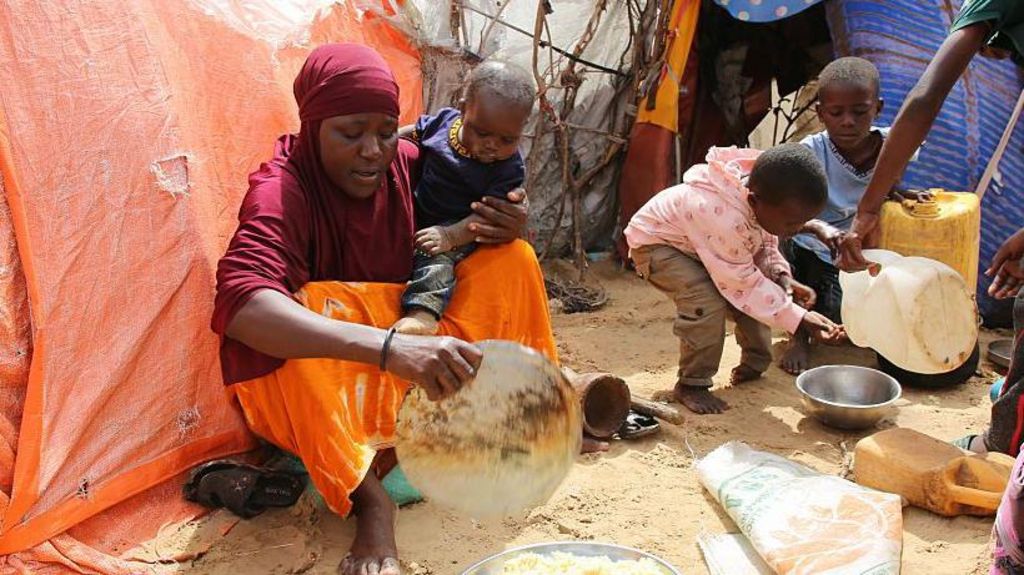
    Despite the suspension, the U.S. remains the WFP’s largest contributor, providing $2 billion in 2025—nearly one-third of the organization’s total funding. The seized aid was critical for addressing Somalia’s severe hunger crisis, where 4.6 million people face emergency food shortages exacerbated by drought, floods, conflict, and diminishing harvests.

    The Somali government, engaged in a prolonged battle against al-Qaeda-linked militants while rebuilding from civil war and environmental disasters, has not yet responded to the allegations or the aid suspension.

  • Bringing care from afar

    Bringing care from afar

    For over a quarter century, a remarkable medical partnership has been unfolding at the B.P. Koirala Memorial Cancer Hospital in Nepal’s Chitwan district, where Chinese medical professionals have established an enduring legacy of cross-border healthcare cooperation.

    Established in 1998 through Chinese government assistance, this oncology center has evolved into a critical healthcare institution serving not only Nepalese citizens but also patients from across South Asia. The hospital represents one of the most sustained international medical aid initiatives in the region, with continuous rotations of medical teams from China’s Hebei province since 1999.

    The collaboration has progressed through multiple phases of development. Initially providing basic clinical support, Chinese medical experts have gradually implemented comprehensive capacity-building programs including specialized department co-development, standardized treatment protocols, and extensive training for local healthcare professionals. More than 250 Chinese doctors have contributed their expertise across various medical specialties, creating knowledge transfer that has fundamentally enhanced Nepal’s healthcare infrastructure.

    The current medical team, designated as the 16th Chinese medical contingent, includes specialists like anesthesiologist He Kun and gynecologist Liu Fang, who recently conducted consultations for elderly Nepalese patients. Their work exemplifies the ongoing commitment to addressing Nepal’s healthcare needs while fostering professional exchange.

    This medical diplomacy initiative has transformed healthcare accessibility in Nepal’s southern Terai plains, providing oncology services that were previously unavailable to many communities. The partnership stands as a testament to long-term international cooperation in healthcare development, demonstrating how sustained medical assistance can create lasting impact beyond immediate treatment to include systemic healthcare improvement and professional capacity building.

  • Why Southeast Asia’s online scam industry is so hard to shut down

    Why Southeast Asia’s online scam industry is so hard to shut down

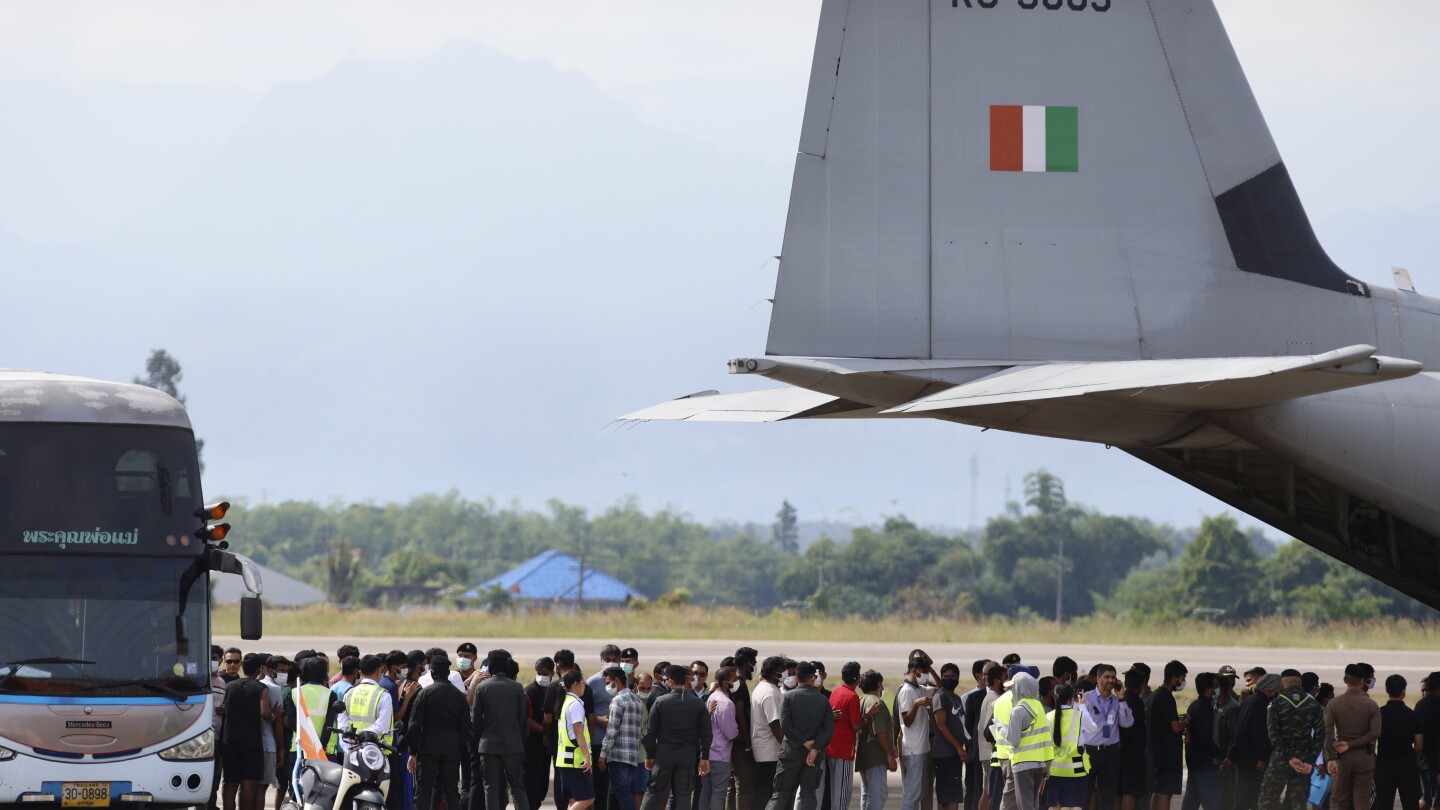
    In an unprecedented move against transnational cybercrime, Cambodian authorities have extradited powerful tycoon Chen Zhi to China, marking a rare victory against a sophisticated criminal network accused of orchestrating massive online scams that have defrauded victims worldwide of tens of billions of dollars.

    The arrest represents merely the tip of a criminal iceberg that spans Southeast Asia, where an estimated 220,000 people across Myanmar and Cambodia alone are trapped in forced labor conditions according to UN estimates. These victims, recruited from at least 56 countries through deceptive job offers, find themselves confined to sprawling compounds where they work 12-16 hour days under threat of violence.

    These scam centers evolved from casino operations that previously catered to Chinese high-rollers. When COVID-19 travel restrictions devastated their revenue streams, criminal syndicates pivoted to digital fraud operations, utilizing existing infrastructure and trafficked labor to target victims globally. The compounds range from massive rural complexes like Myanmar’s notorious KK Park to discreet urban offices, often operating with protection from local elites.

    The global impact is staggering: Americans lost approximately $10 billion to Southeast Asian-linked scams in 2024 alone, while victims worldwide have been targeted through increasingly sophisticated methods. Scammers now employ AI-powered translation tools to overcome language barriers and create convincing fraudulent schemes ranging from cryptocurrency investments to fake romantic relationships.

    Despite high-profile raids and rescues—such as the 1,500 workers who fled to Thailand during a Myanmar military operation—the industry demonstrates remarkable resilience. New centers continually emerge across the region and beyond, with operations reported as far as Africa and Latin America. Experts emphasize that without targeting the criminal masterminds behind these operations, rather than just rescuing victims, the scourge will continue to proliferate globally.

  • UN rights chief calls on Israel to end ‘apartheid system’ in West Bank

    UN rights chief calls on Israel to end ‘apartheid system’ in West Bank

    In an unprecedented condemnation, the United Nations human rights chief has formally characterized Israel’s administration of the occupied West Bank as an “apartheid system” that systematically discriminates against Palestinians. The landmark 42-page report from the Office of the UN High Commissioner for Human Rights, released Wednesday, documents what it describes as intensifying violations of international law through a comprehensive system of racial discrimination and segregation.

    UN Rights Chief Volker Turk stated that Israel has created “a systematic asphyxiation of the rights of Palestinians” through decades-long discriminatory practices that have dramatically accelerated since late 2022. The report details how Israeli authorities maintain two distinct legal systems—one for Israeli settlers and another for Palestinians—creating what Turk called “a particularly severe form of racial discrimination and segregation that resembles the kind of apartheid system we have seen before.”

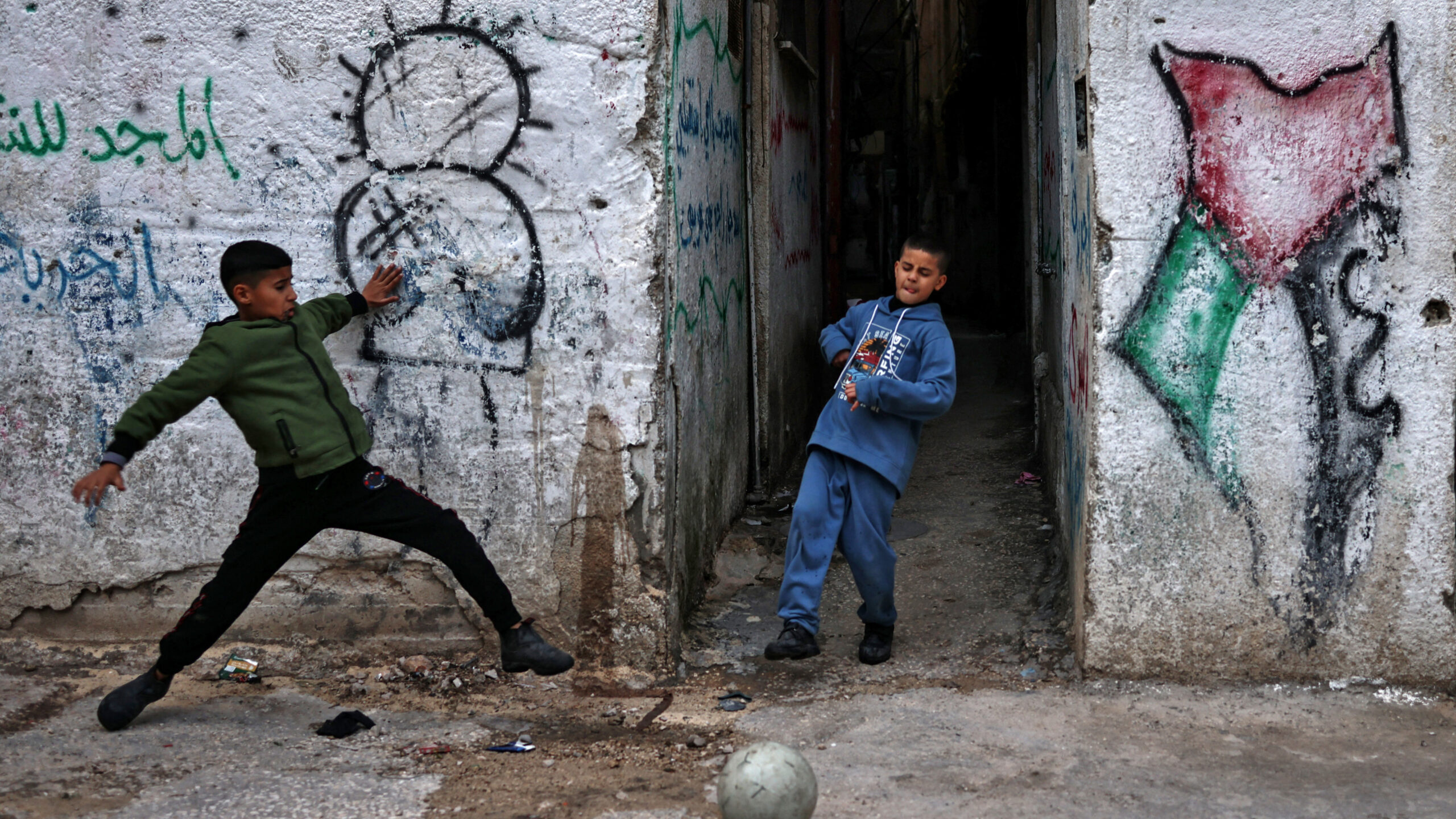
    The investigation documents numerous violations including unlawful killings, arbitrary detentions, torture, settlement expansion, land confiscation, movement restrictions, home demolitions, and forcible transfers. Between 2005 and September 2025, Israeli military forces killed 2,321 Palestinians in the West Bank, including 496 children, while during the same period, 205 Israelis were killed.

    Since the outbreak of the Gaza conflict in October 2023, the situation has deteriorated significantly with Israeli troops and settlers killing over 1,000 Palestinians in the West Bank alone. The report notes an alarming increase in extrajudicial killings with “almost complete impunity”—of more than 1,500 Palestinian killings recorded between 2017 and 2023, Israeli authorities opened just 112 investigations, resulting in only one conviction.

    The document provides harrowing accounts of gratuitous violence, including the shooting of an eight-year-old boy in the back of the head as he ran away and a 15-year-old shot twice in the chest while attempting to light a small device that posed no threat to armored vehicles. Soldiers provided no medical assistance as the children died.

    Economic and social impacts are equally severe. Movement restrictions have caused the loss of 306,000 jobs, with unemployment reaching 31.7% for men and 33.7% for women by early 2025. Education has been devastated—85% reduction in traffic across the West Bank affected at least 782,000 students, with girls disproportionately impacted due to safety concerns at checkpoints.

    The report also documents systematic torture and sexual violence in detention, including anal rape with objects, forced nudity, and genital beatings. Israeli authorities dismissed the report as “absurd and distorted,” claiming it reflects the UN’s “inherently politically driven fixation on vilifying Israel.”

    The UN rights office called on Israel to immediately end all discriminatory laws and practices, dismantle all settlements, evacuate settlers, and respect Palestinian self-determination rights, concluding that the separation and subordination of Palestinians appears “intended to be permanent… to maintain oppression and domination.”

  • Somalia’s fight against extremist militants shows signs of success on the streets of Mogadishu

    Somalia’s fight against extremist militants shows signs of success on the streets of Mogadishu

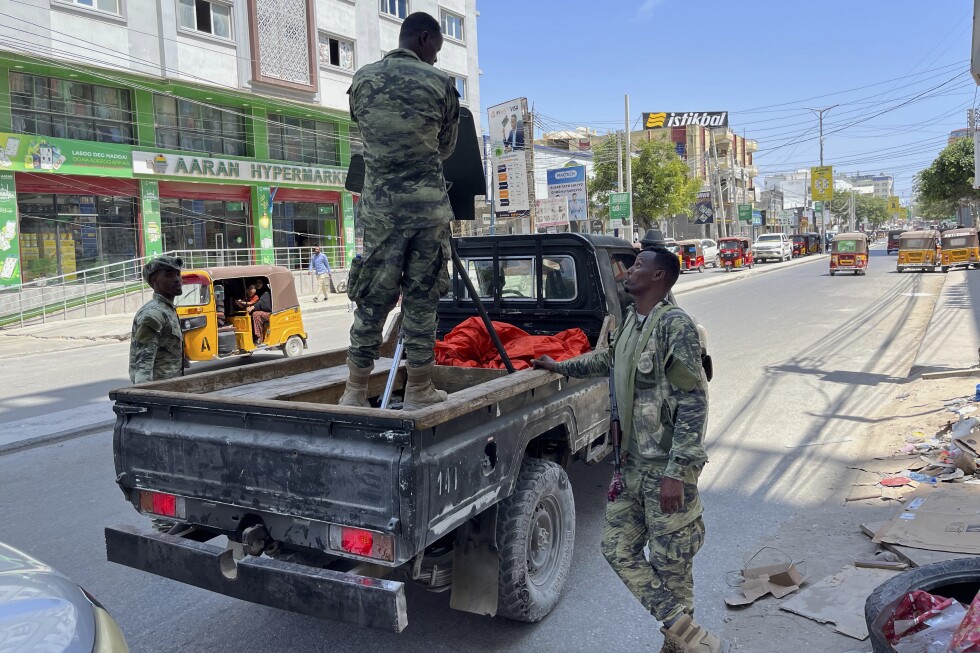
    MOGADISHU, Somalia — In the ongoing battle against al-Shabab militants, Somalia’s capital has established a multi-layered security apparatus that blends traditional checkpoints with advanced surveillance technology. At the forefront of this defense strategy is Colonel Abdikani Ali Mohamed, whose National Intelligence and Security Agency (NISA) operatives maintain constant vigilance against evolving terrorist tactics.

    The security architecture represents a fundamental shift in Somalia’s counterterrorism approach following President Hassan Sheikh Mohamud’s 2022 declaration of ‘total war’ against the al-Qaeda-linked militants. Rather than relying solely on military confrontation, the government has prioritized intelligence gathering and financial disruption to combat the group responsible for years of violence that has killed and maimed thousands.

    Security analysts describe Mogadishu’s protection system as a ‘ring of steel’ incorporating high-tech surveillance, improved intelligence sharing, and concrete barriers around potential targets. This integrated approach has reportedly disrupted multiple terrorist cells and made significant attacks increasingly rare in the capital, though the threat remains persistent.

    Beyond the urban centers, the conflict has transformed into a grinding war of attrition in southern and central Somalia. In regions like Lower Shabelle—the nation’s agricultural heartland now serving as a battleground—control of towns frequently changes hands between government forces and militants. Recent months have seen intensified fighting in areas such as Bariire, where civilians face displacement and destruction of infrastructure.

    Despite these challenges, military officials point to successive victories against al-Shabab and express confidence in eventually gaining the upper hand. The improved security situation in Mogadishu has allowed civilian life to gradually normalize, with new businesses emerging and residents expressing cautious optimism about the future.

  • Pakistan, Saudi in talks on JF-17 jets-for-loans deal, sources say

    Pakistan, Saudi in talks on JF-17 jets-for-loans deal, sources say

    Pakistan and Saudi Arabia are engaged in advanced negotiations regarding a significant defense arrangement that would convert approximately $2 billion of Saudi loans into a comprehensive fighter jet procurement package, according to sources familiar with the discussions. This development represents a substantial deepening of military cooperation between the two nations following their landmark mutual defense agreement signed in September.

    The proposed arrangement, potentially valued at up to $4 billion according to one informed source, centers on the provision of JF-17 Thunder fighter jets—light combat aircraft jointly developed by Pakistan and China and manufactured in Pakistani facilities. While the JF-17 constitutes the primary component under consideration, additional military equipment options remain part of the ongoing dialogue.

    This strategic negotiation occurs against a backdrop of Pakistan’s acute financial challenges and Saudi Arabia’s broader initiative to diversify its security partnerships amid evolving geopolitical dynamics in the Middle East. The mutual defense pact, activated following Israel’s strikes on Hamas targets in Doha, formally commits both nations to treat any aggression against either country as an attack on both.

    Pakistan’s Air Chief Zaheer Ahmed Baber Sidhu recently conducted bilateral talks in Saudi Arabia focusing specifically on military cooperation, as reported by Saudi media outlet SaudiNews50. The JF-17’s combat-proven status, having been deployed during Pakistan’s conflict with India in May—the most significant hostilities between the neighbors in decades—significantly enhances its market appeal according to military analysts.

    Retired Air Marshall Amir Masood noted that Pakistan is currently negotiating with six countries regarding defense equipment provisions, including electronic and weapons systems for the JF-17 platform. The aircraft’s cost-effectiveness and combat verification make it particularly attractive to international buyers.

    This potential agreement continues a long-standing security relationship that has seen Pakistan provide military training and advisory support to Saudi Arabia, while the kingdom has repeatedly offered financial assistance during Pakistan’s economic difficulties. In 2018, Riyadh extended a $6 billion support package including central bank deposits and deferred oil payments, with subsequent rollovers including a $1.2 billion deferment last year.

    Pakistan has significantly expanded its defense export outreach recently, securing a $4 billion weapons agreement with Libya’s eastern-based Libyan National Army last month—one of its largest arms sales ever—and engaging in discussions with Bangladesh regarding potential JF-17 sales. Defense Minister Khawaja Asif stated that the success of Pakistan’s weapons industry could fundamentally transform the country’s economic prospects, potentially reducing dependence on International Monetary Fund support within six months.

  • Russian attacks leave two regions with widespread blackouts, Ukraine says

    Russian attacks leave two regions with widespread blackouts, Ukraine says

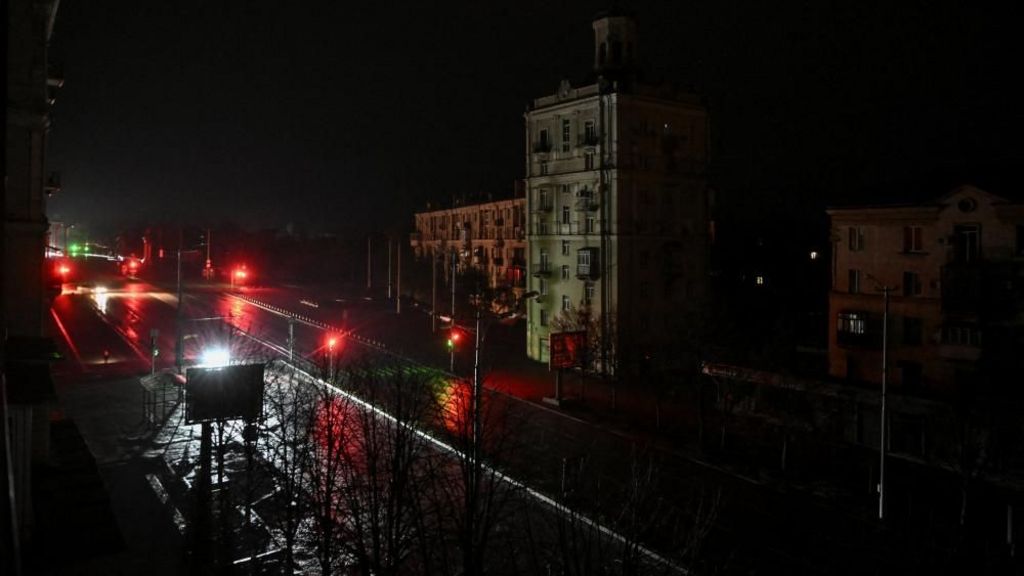
    Ukrainian energy infrastructure faced devastating attacks from Russian forces on Wednesday, leaving the southeastern regions of Dnipropetrovsk and Zaporizhzhia in near-total darkness. The assault has triggered widespread power outages, water supply disruptions, and internet failures during one of the harshest winter periods.

    According to Ukraine’s energy ministry, critical infrastructure facilities are now operating on emergency backup power. Prime Minister Yulia Svyrydenko confirmed that energy workers are battling extremely challenging conditions to maintain basic services. ‘Ukraine’s energy system is under enemy attacks every day,’ she stated on Telegram, emphasizing the additional strain from deteriorating weather conditions.

    Temperatures have plunged across affected regions, compounding the humanitarian crisis. State energy company Ukrenergo announced that restoration efforts would commence immediately once security conditions permit, with priority given to critical infrastructure. Dnipro city hospitals have been completely transitioned to generator power, while water drainage systems rely on alternative energy sources.

    The educational sector has also been impacted, with school holidays extended until January 9 due to the power crisis. Regional officials including Zaporizhzhia administration head Ivan Fedorov reported that utility workers are making maximum efforts to restore services despite the complete blackout.

    DTEK, Ukraine’s largest private energy provider serving 5.6 million citizens, operates in permanent crisis mode according to CEO Maxim Timchenko. In recent BBC comments, he revealed that attack intensity has reached unprecedented levels: ‘We just don’t have time to recover.’ The company has faced repeated assaults using drones, cruise missiles, and ballistic missiles as the fourth anniversary of Russia’s full-scale invasion approaches.

    The energy crisis unfolds alongside diplomatic developments, with Ukrainian President Volodymyr Zelensky expressing concerns about inadequate security guarantees from European allies. Recent talks in Paris resulted in the UK and France signing a declaration of intent regarding potential troop deployments if a peace agreement with Russia materializes—a move Moscow has warned would make foreign forces ‘legitimate targets.’

  • Kenya steps up efforts to rescue white rhinos

    Kenya steps up efforts to rescue white rhinos

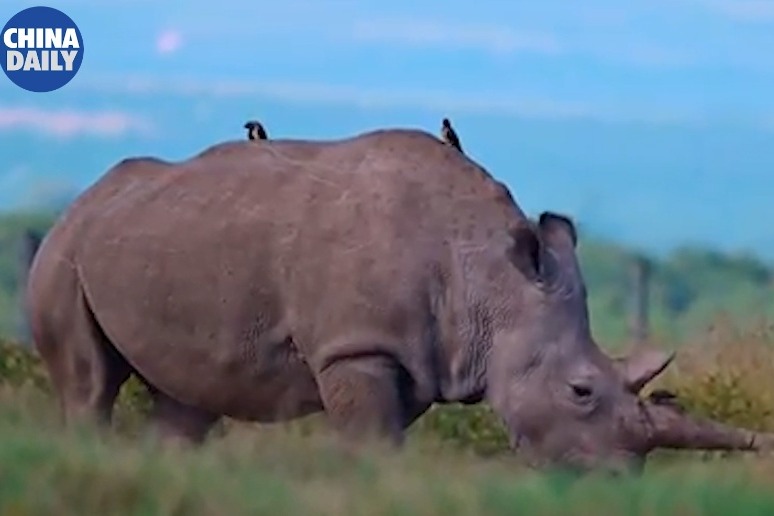
    In the vast expanses of Kenya’s Ol Pejeta Conservancy, located approximately 200 kilometers northeast of Nairobi, a monumental conservation drama unfolds. Fatu and Najin, the planet’s last two surviving northern white rhinos, embody both the tragic brink of extinction and humanity’s most determined efforts to reverse ecological tragedy.

    This critical conservation initiative represents an unprecedented fusion of international expertise, cutting-edge reproductive science, and wildlife preservation commitment. With no surviving male northern white rhinos remaining, conventional breeding methods have become impossible, pushing scientists toward extraordinary technological interventions.

    A global coalition comprising reproductive biologists, wildlife veterinarians, and conservation specialists has mobilized to develop advanced assisted reproductive techniques. These include pioneering in vitro fertilization procedures and stem cell research aimed at creating viable embryos from the remaining genetic material.

    The conservation team has established an ambitious timeline targeting the birth of a northern white rhino calf by 2028. This goal hinges entirely on the success of current scientific breakthroughs being achieved in laboratories and research facilities supporting the field operation.

    The Ol Pejeta Conservancy has transformed into both a sanctuary and a living laboratory, where the preservation of these last two rhinos represents a symbolic battle against the global biodiversity crisis. Their survival has become a testament to human responsibility and technological potential in addressing conservation challenges that once seemed insurmountable.

  • Oman: Man arrested for murder; legal procedures underway

    Oman: Man arrested for murder; legal procedures underway

    Omani authorities have confirmed the arrest of an African national in connection with a homicide case that occurred at an agricultural facility in North Batinah Governorate. The Royal Police of Oman disclosed on January 7, 2026, that both the alleged perpetrator and deceased victim were determined to be working illegally within the Sultanate’s agricultural sector.

    Investigative findings indicate the violent incident resulted from an altercation between workers employed without proper documentation at the farm. Police reports confirm both individuals shared the same African nationality, though specific country origins remain undisclosed by authorities.

    This case marks the second major homicide involving migrant workers in Oman within six months. In July 2025, Omani police detained a Bangladeshi national in the Wilayat of Sur following the fatal stabbing of another Bangladeshi citizen, an incident handled by the South Al Sharqiyah Governorate Police Command.

    The Royal Police emphasized that standard legal procedures are currently being finalized for the North Batinah case. Oman maintains strict regulations regarding foreign labor, with illegal employment situations occasionally leading to tensions within migrant communities. The Sultanate has been working to balance its labor market needs with proper immigration enforcement amid growing agricultural and construction sectors that frequently employ foreign workers.