分类: world

  • Russia bombards Kyiv after rejecting peacekeeping plan

    Russia bombards Kyiv after rejecting peacekeeping plan

    In a significant escalation of hostilities, Russian forces launched a massive aerial bombardment against Ukraine’s capital city of Kyiv early Friday, resulting in multiple casualties and widespread destruction. The assault, which involved drone strikes and missile attacks, killed at least four civilians and injured 19 others according to Mayor Vitali Klitschko, who described the offensive as a ‘massive enemy missile attack’ that left several neighborhoods without power.

    The intensified military action follows Moscow’s categorical rejection of a Western-backed security agreement proposed during the Paris Summit earlier this week. Russian foreign ministry spokeswoman Maria Zakharova explicitly warned that any Western troops stationed in Ukraine would be considered ‘legitimate military targets,’ characterizing the coalition between Ukraine and its allies as an ‘axis of war.’

    Simultaneously, Russian forces continued their advance in eastern regions, claiming capture of additional territory in the Dnipropetrovsk area. The conflict reached new technological thresholds with reports of hypersonic ballistic missiles traveling at approximately 13,000 kilometers per hour striking infrastructure near the Polish border, though authorities confirmed radiation levels remained normal despite concerns about weapon types.

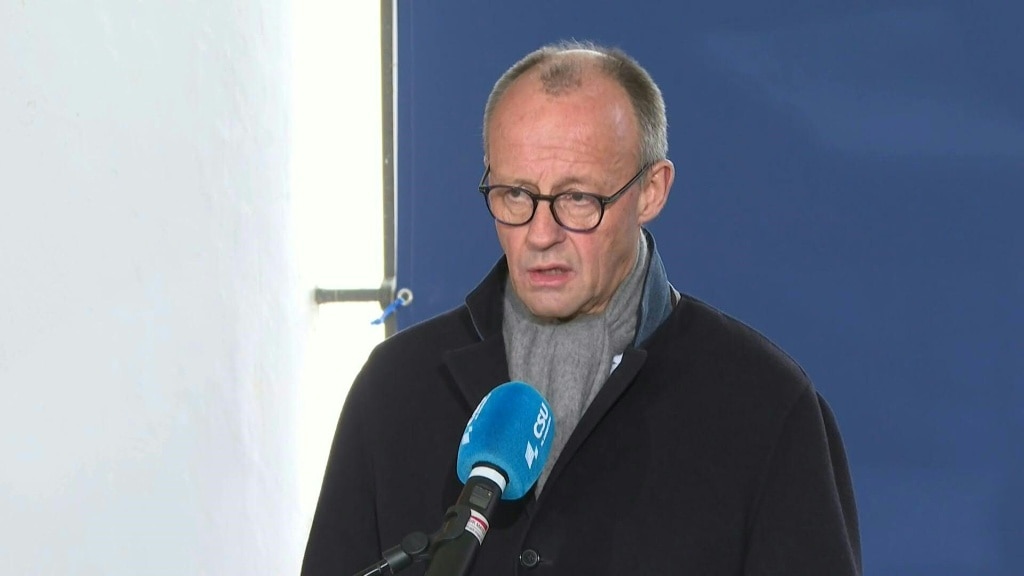
    As diplomatic efforts stall, German Chancellor Friedrich Merz acknowledged that a ceasefire agreement remains ‘quite far’ from realization due to Russia’s uncompromising position on territorial demands, including full control of the Donbas region. The ongoing assaults have created a national emergency with hundreds of thousands of households facing energy shortages during winter conditions, particularly in the Dnipropetrovsk and Zaporizhzhia regions where critical infrastructure has been systematically targeted.
  • Russia attacks Ukraine with drones and missiles, killing 4 in Kyiv

    Russia attacks Ukraine with drones and missiles, killing 4 in Kyiv

    Ukrainian cities faced a severe escalation in hostilities as Russian forces executed a coordinated multi-front assault overnight Thursday into Friday. The offensive, which combined drone and missile strikes, resulted in significant civilian casualties and infrastructure damage across multiple regions.

    According to official statements from Kyiv’s military administration, the attacks claimed four lives and left at least twenty-two individuals wounded. Among the fatalities was an emergency medical responder, highlighting the dangers faced by first responders during active combat operations. Ukraine’s security service confirmed that five rescue personnel sustained injuries while attempting to provide assistance at attack sites.

    The western city of Lviv experienced particularly concerning developments when an unidentified ballistic missile targeted critical infrastructure facilities. Mayor Andriy Sadoviy reported the strike, while Ukraine’s Western Air Force Command later disclosed the missile traveled at approximately 13,000 kilometers per hour. Military analysts are currently working to identify the specific rocket type used in this unprecedented attack.

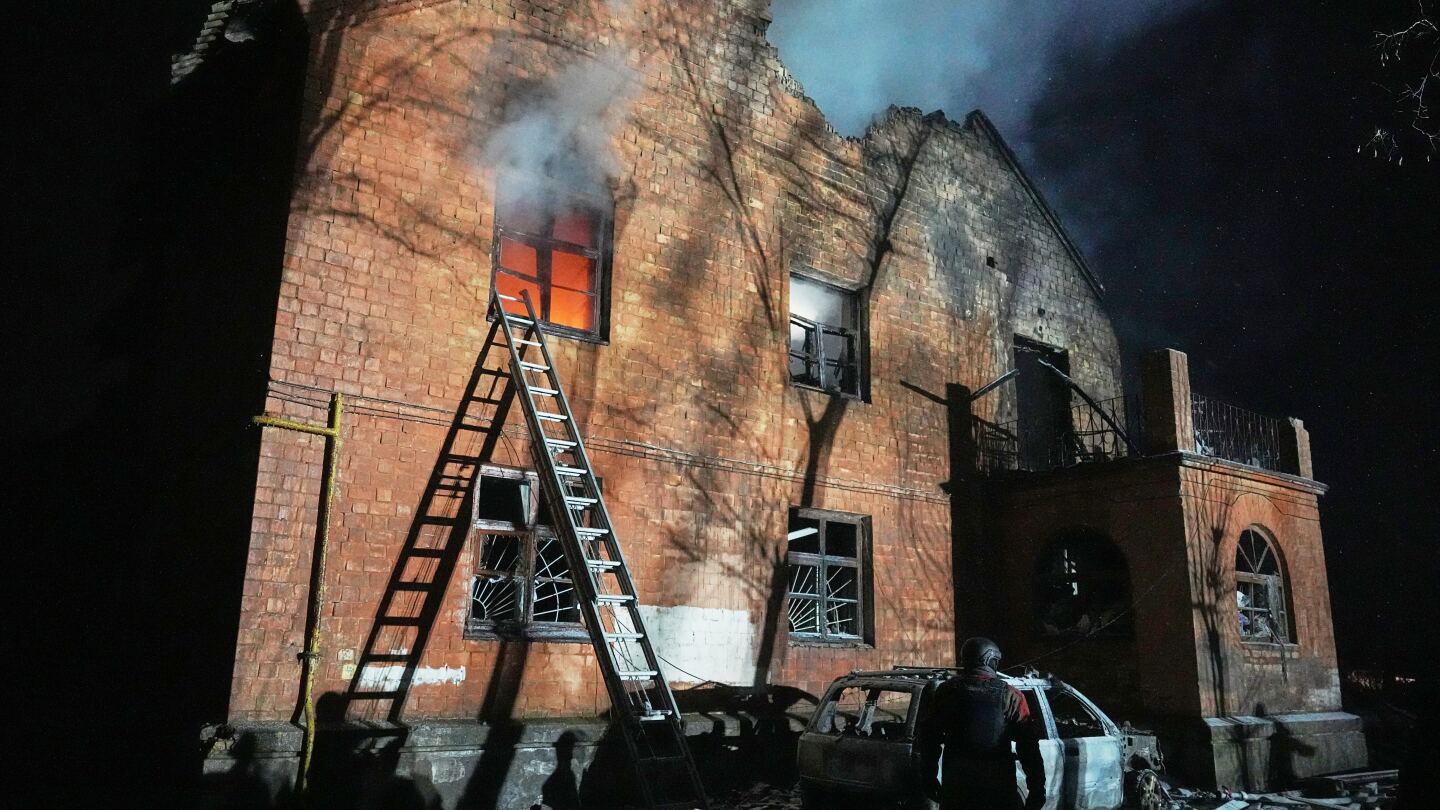
    In the capital, several districts suffered direct impacts from the assault. The Desnyanskyi district witnessed a drone collision with a multi-story residential building, while another location within the same district sustained damage to the lower floors of an apartment complex. Meanwhile, in Dnipro district, debris from downed drones ignited fires and caused structural damage to civilian housing.

    The aftermath of the bombardment created widespread disruption throughout Kyiv, with Mayor Vitali Klitschko reporting interruptions to both water and electricity services. These utility failures occurred during particularly harsh winter conditions, compounding the challenges for emergency response teams.

    This escalation comes shortly after Ukrainian President Volodymyr Zelenskyy warned the nation about Russia’s planned large-scale offensive operations. The president specifically noted Russia’s intention to exploit adverse weather conditions, including dangerously icy roads and frigid temperatures that complicate defense efforts.

  • Nationwide internet blackout reported in Iran as protests persist

    Nationwide internet blackout reported in Iran as protests persist

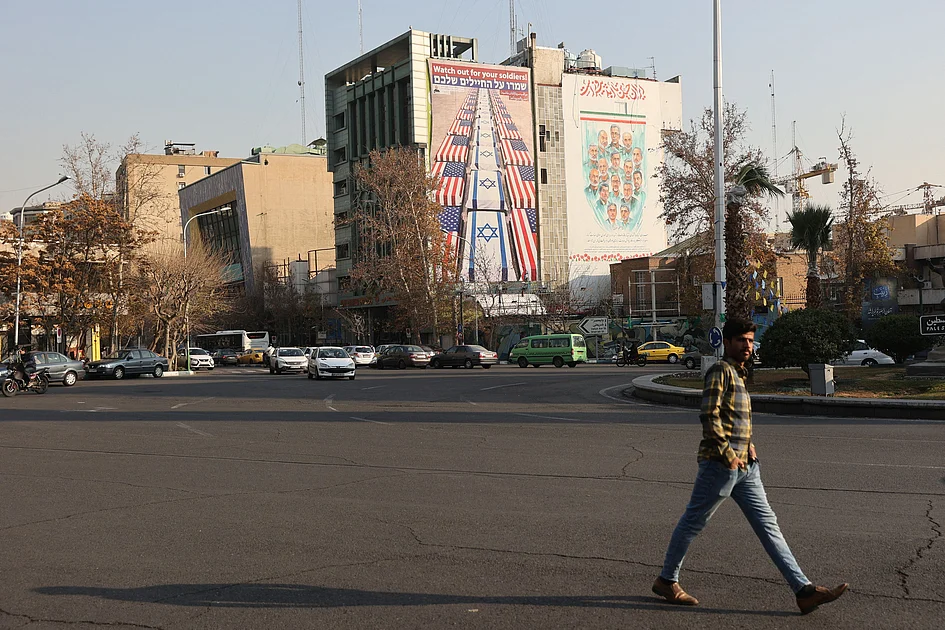
    Iran experienced a comprehensive internet shutdown on Thursday as widespread protests over economic hardships intensified across the nation. Internet monitoring organization NetBlocks confirmed the nationwide blackout, though specific details regarding the outage’s technical aspects remained unavailable.

    In Tehran, Mashhad, and Isfahan, witnesses reported continued demonstrations with protesters voicing opposition to the country’s clerical leadership. The unrest represents the most significant wave of dissent witnessed in Iran over the past three years, initially triggered by currency devaluation concerns among Tehran’s merchant community before expanding nationwide.

    The protests have emerged against a backdrop of severe economic challenges, including hyperinflation attributed to both domestic mismanagement and international sanctions. Social media posts, which Reuters could not independently verify, indicated some demonstrators expressed support for Reza Pahlavi, the exiled son of Iran’s former Shah, who had previously called for intensified protests through digital channels.

    Iranian state media presented a contrasting narrative, maintaining that cities throughout the country remained calm. Meanwhile, President Masoud Pezeshkian addressed the economic concerns by warning suppliers against hoarding and price manipulation, emphasizing the government’s commitment to ensuring adequate goods distribution.

    The situation develops under substantial international scrutiny, with former U.S. President Donald Trump threatening intervention should security forces employ violence against protesters. This occurs seven months following joint Israeli-American airstrikes targeting Iranian nuclear facilities, further complicating the geopolitical landscape.

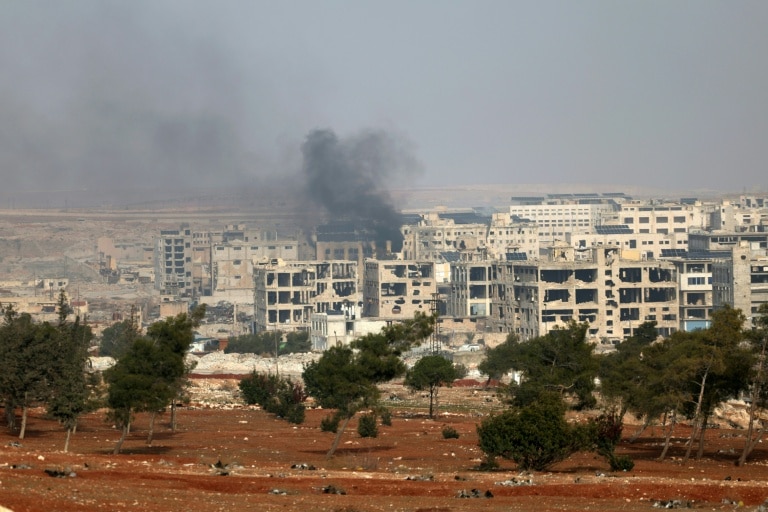
  • Syrian government announces ceasefire in Aleppo after deadly clashes

    Syrian government announces ceasefire in Aleppo after deadly clashes

    The Syrian Defence Ministry has enacted a conditional ceasefire in the northern city of Aleppo, effective from 3:00 am local time Friday. This decision follows four days of intense combat between Syrian government troops and US-backed Kurdish-led forces that resulted in a minimum of 21 fatalities and triggered a mass civilian exodus.

    The clashes, described as the most severe since Islamist authorities assumed power over a year ago, centered on the predominantly Kurdish districts of Sheikh Maqsud, Ashrafiyeh, and Bani Zeid. Syrian state media reported approximately 16,000 residents fled through designated humanitarian corridors as artillery and sniper fire engulfed these neighborhoods. “We’ve endured terrifying circumstances… my children were paralyzed with fear,” recounted Rana Issa, a 43-year-old evacuee from Ashrafiyeh.

    This violence erupts amid stalled negotiations regarding a March integration agreement intended to merge the Kurdish-administered Syrian Democratic Forces (SDF) and their autonomous institutions into Syria’s central government. Kurdish demands for decentralized governance have significantly impeded implementation. The SDF, which controls substantial oil-producing territories in northeast Syria and spearheaded the campaign against Islamic State, accused Damascus of undermining potential diplomatic resolutions.

    Analysts warn that Aleppo represents a critical vulnerability for Kurdish forces. Aron Lund of Century International think tank cautioned that further escalation could ignite a extensive Damascus-SDF conflict across northern Syria, potentially drawing in regional powers like Turkey and Israel with catastrophic implications for national stability.

    The ceasefire mandates Kurdish fighters withdraw from specified zones by 9:00 am Friday, permitting displaced civilians to “return and resume normal lives under secure conditions.” However, the SDF has not immediately responded to the government’s declaration. Concurrently, hundreds protested in Kurdish-held Qamishli and Diyarbakir, Turkey, bearing signs reading “No to war” and appealing for international intervention to prevent ethnic cleansing.

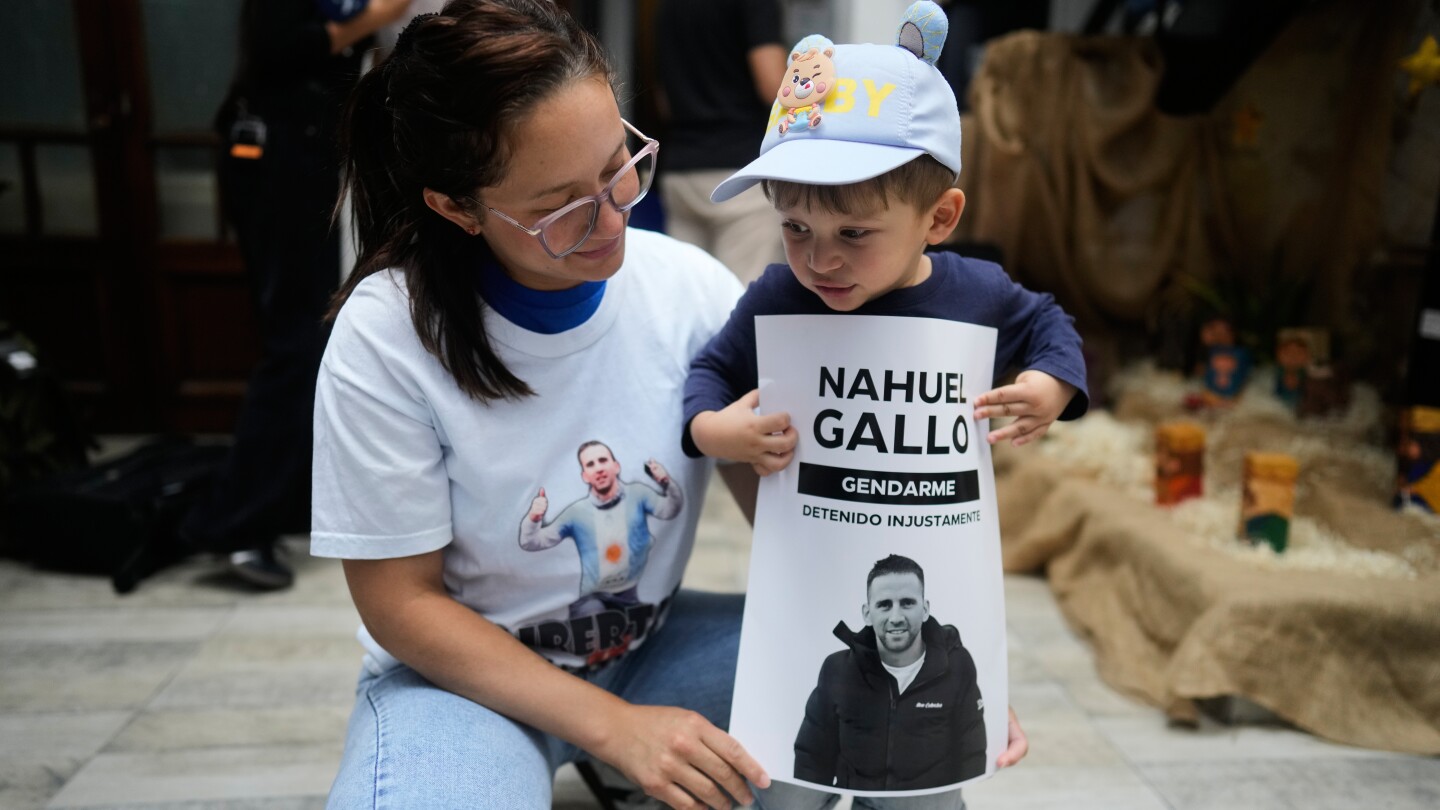
  • An Argentine court offers hope for Venezuelans seeking justice for abuses under Maduro

    An Argentine court offers hope for Venezuelans seeking justice for abuses under Maduro

    In a landmark judicial decision, Argentina’s federal court has mandated the continuation of investigations into alleged crimes against humanity committed by Venezuela’s National Guard officers. This ruling, issued Thursday, rejects an appeal from a former Venezuelan officer challenging Argentina’s jurisdictional authority and instead invokes the principle of universal jurisdiction—a legal doctrine enabling nations to prosecute severe human rights violations regardless of where they occurred.

    The case, initiated in 2023, centers on accusations against 14 officers involved in the violent suppression of anti-government protests in 2014, during which security forces under President Nicolás Maduro allegedly engaged in torture, extrajudicial killings, and systematic repression. The court’s refusal to dismiss the case emphasizes the ‘extreme gravity’ of these allegations, compelling Argentina’s judiciary to pursue accountability.

    This development occurs amid complex geopolitical shifts. While the recent U.S. military intervention led to Maduro’s capture and the surprise appointment of Delcy Rodríguez as acting president, many Venezuelan rights advocates express skepticism about Washington’s commitment to human justice. Instead, they view Argentina’s legal perseverance as a more reliable pathway to accountability, especially given Venezuela’s entrenched impunity and the slow mechanisms of the International Criminal Court.

    Argentina’s role in such investigations is historically significant. Having successfully prosecuted its own military junta for atrocities committed during the 1976–1983 dictatorship, the country has emerged as a global hub for transnational justice. It has previously addressed cases ranging from Franco-era crimes in Spain to the persecution of Rohingya Muslims in Myanmar.

    Despite ideological alignments between Argentine President Javier Milei and the U.S. administration—both of whom celebrated Maduro’s capture—the Argentine judiciary remains independent. Its continued pursuit of this case signals a commitment to legal principles over political expediency. For Venezuelan victims and activists, this offers a beacon of hope amid fears that geopolitical interests, particularly concerning Venezuela’s oil reserves, may overshadow demands for justice and democratic restoration.

  • ‘Hectic’ bushfires threaten rural towns in Australian heatwave

    ‘Hectic’ bushfires threaten rural towns in Australian heatwave

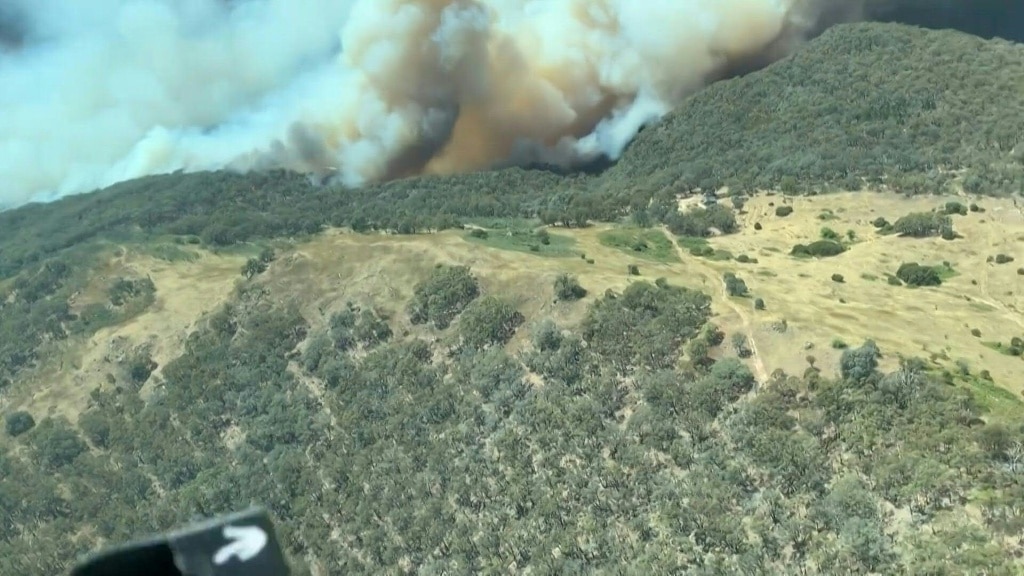
    Australia’s southeastern regions are facing a severe bushfire crisis as extreme heatwave conditions create what officials describe as the most dangerous fire weather since the devastating 2019-2020 Black Summer blazes. Fire authorities have issued catastrophic danger warnings—the highest possible rating—for multiple areas across Victoria state, where approximately 30 separate fires are actively burning.

    Emergency Management Commissioner Tim Wiebusch delivered urgent evacuation directives to residents in dozens of rural communities, stating unequivocally that failure to leave immediately could result in loss of life. The situation has been exacerbated by powerful wind gusts exceeding 100 kilometers per hour, which have temporarily grounded critical firefighting aircraft operations.

    One particularly destructive blaze near the town of Longwood, approximately 150 kilometers north of Melbourne, has already consumed an estimated 28,000 hectares of land. Local fire captain George Noye reported complete devastation of properties, including the destruction of livelihoods, agricultural infrastructure, and livestock, though thankfully no fatalities have been confirmed thus far.

    The extreme conditions have generated pyrocumulonimbus clouds—fire-induced thunderstorms—near the small community of Walwa, demonstrating the unprecedented intensity of these blazes. Victoria Premier Jacinta Allan emphasized the historic danger posed by the current situation, urging residents to prioritize evacuation over property protection.

    This crisis occurs against the backdrop of Australia’s documented 1.51°C temperature increase since 1910, which climate researchers link to increasingly frequent extreme weather events. The current heatwave affects millions across Victoria and New South Wales, including major urban centers like Sydney and Melbourne, with temperatures forecast to exceed 40°C.

    The devastating Black Summer fires of 2019-2020 serve as a grim reference point, during which millions of hectares burned, thousands of homes were destroyed, and cities were blanketed in hazardous smoke. Australia continues to be one of the world’s leading producers and exporters of coal and gas, fossil fuels identified as major contributors to global climate change.

  • Storm Goretti: Heavy wind, rain, snow to batter Europe

    Storm Goretti: Heavy wind, rain, snow to batter Europe

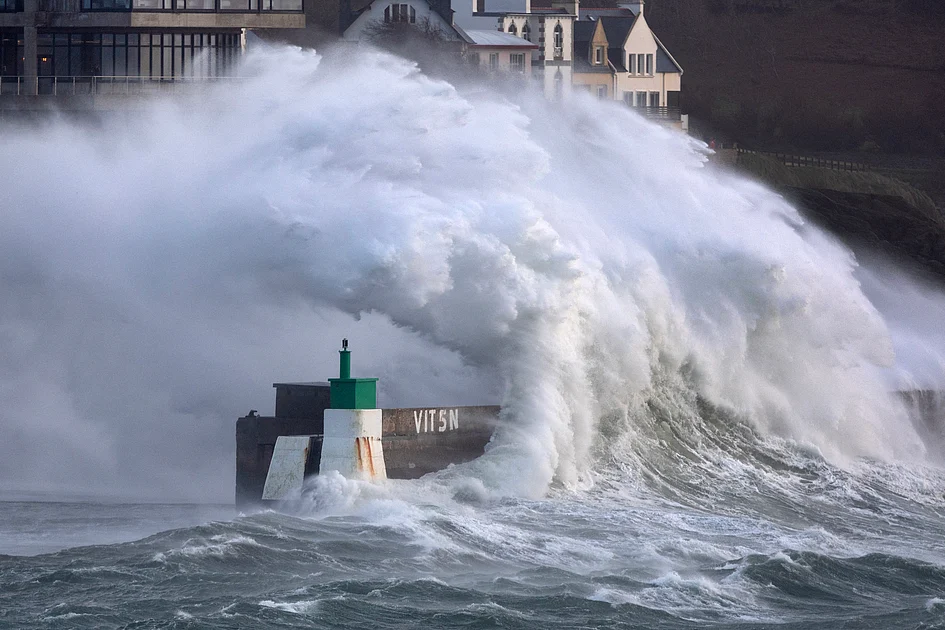
    A powerful weather system named Storm Goretti descended upon Europe on Thursday, bringing a dangerous combination of extreme winds, heavy snowfall, and freezing temperatures. Meteorological agencies across the continent issued severe warnings, predicting significant disruptions to daily life and infrastructure from Britain to Germany.

    In the United Kingdom, the Met Office took the rare step of issuing its highest-level red wind alert for southwestern England, including the Isles of Scilly and Cornwall. Forecasters warned of potentially catastrophic wind gusts reaching 160 kilometers per hour (100 mph), accompanied by dangerously large coastal waves. Simultaneously, an amber snow warning covered Wales, the Midlands, and northern England, with predictions of up to 30 centimeters (11 inches) of accumulation. The severe conditions prompted National Rail to advise against all non-essential travel for the next 48 hours as train services faced inevitable disruptions.

    Across the Channel, northern France prepared for similar onslaught, particularly in the Manche department where schools were ordered closed for Friday. Authorities issued urgent safety directives across 30 northwestern regions, advising residents to seek shelter and avoid vehicle use while ensuring emergency supplies of lighting and drinking water.

    Germany’s meteorological service (DWD) reported approaching heavy snow and powerful winds expected to cripple transportation networks and public services. Northern regions braced for up to 15 centimeters (6 inches) of snow, while southern areas faced hazardous icy conditions. The cities of Hamburg and Bremen preemptively canceled school for Friday as public transport networks already experienced significant delays on Thursday. Deutsche Bahn mobilized over 14,000 employees to combat the expected infrastructure challenges.

    Meteorologist Andreas Walter of the DWD noted the exceptional nature of this storm compared to recent milder winters, directly linking the pattern shift to climate change. While cold snaps with substantial snowfall remain possible despite rising global temperatures, Walter emphasized such events would become increasingly rare in the future.

    Adding to the extraordinary weather patterns, Norway’s Meteorological Institute reported that only one region in the entire country recorded temperatures above freezing on Thursday: the Arctic archipelago of Svalbard.

  • Six whales die after mass stranding on remote NZ beach

    Six whales die after mass stranding on remote NZ beach

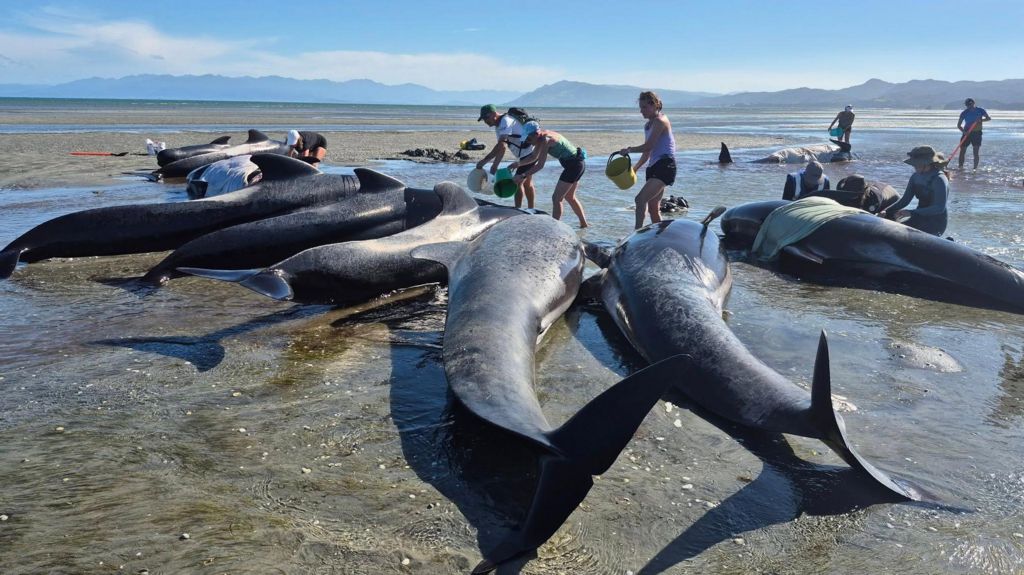
    A critical rescue operation is underway on New Zealand’s remote Farewell Spit following a mass whale stranding that has left six pilot whales dead and 15 others fighting for survival. The dramatic event began Thursday when approximately 55 marine mammals washed ashore on the South Island’s northernmost coastline.

    While most of the initially stranded whales managed to return to sea during high tide, a group of 15 individuals became restranded along a kilometer-long stretch of beach. Conservation organization Project Jonah has mobilized teams of volunteers who are working against the clock to keep the surviving whales hydrated and cool through constant water application.

    Louisa Hawkes of Project Jonah emphasized the urgency of the situation: ‘When the tide comes in, we’re going to have to move really quickly to bring these whales together, then move them out to deeper waters.’ The rescue strategy focuses on leveraging pilot whales’ highly social nature by forming them into a tight-knit group to encourage collective swimming back to safety.

    New Zealand’s Department of Conservation has deployed additional resources including rangers, marine vessels, and drone technology to monitor the area for further strandings. Farewell Spit is notoriously known as a natural ‘whale trap’ due to its gently sloping tidal flats and rapidly receding waters that frequently disorient marine mammals following their migratory routes.

    This location has witnessed numerous mass strandings throughout history, most notably in February 2017 when over 400 pilot whales beached themselves in what became New Zealand’s largest recorded stranding event in a century. The current operation represents another chapter in the ongoing challenge of marine mammal conservation in this geographically vulnerable region.

  • Rare gorilla twins born in conflict-hit DR Congo nature park

    Rare gorilla twins born in conflict-hit DR Congo nature park

    In a remarkable event offering hope amidst ongoing conflict, Virunga National Park in eastern Democratic Republic of Congo has welcomed the birth of rare mountain gorilla twins. The endangered mother gorilla, Mafuko, gave birth to twin males in the UNESCO World Heritage site, which has long faced security challenges from armed groups operating in the region.

    Scientific data indicates that twin births occur in fewer than one percent of mountain gorilla pregnancies, making this event exceptionally rare. This represents only the second documented case of gorilla twins in Congo, with the previous occurrence also recorded within Virunga’s boundaries in 2020.

    Park officials confirmed that trackers first observed the newborns on Saturday, immediately implementing specialized monitoring and protection protocols to enhance the infants’ survival prospects. Methode Uhoze, a park representative, provided confirmation of the twin birth to AFP on Thursday.

    The Congolese Institute for the Conservation of Nature, which oversees the country’s national parks, celebrated the birth as a triumph of life despite significant challenges. The institution shared an image on social media showing mother Mafuko cradling her two tiny offspring.

    Established in 1925 as Africa’s oldest nature reserve, Virunga National Park spans 7,800 square kilometers near Congo’s borders with Rwanda and Uganda. This biodiverse region currently faces substantial security threats, including territory controlled by the Rwanda-backed M23 militia, which has expanded its influence in recent months. Additionally, forests within the park are believed to serve as hideouts for the Islamic State-affiliated Allied Democratic Forces.

    With approximately 1,000 mountain gorillas remaining in the wild, conservation efforts take on critical importance. Virunga’s authorities reported hosting 350 of these great apes in 2021, with eight other mountain gorilla births recorded in the park during 2025, according to park spokesman Bienvenu Bwende.

  • The secret mission to fly a president’s body back home – pilot speaks to the BBC

    The secret mission to fly a president’s body back home – pilot speaks to the BBC

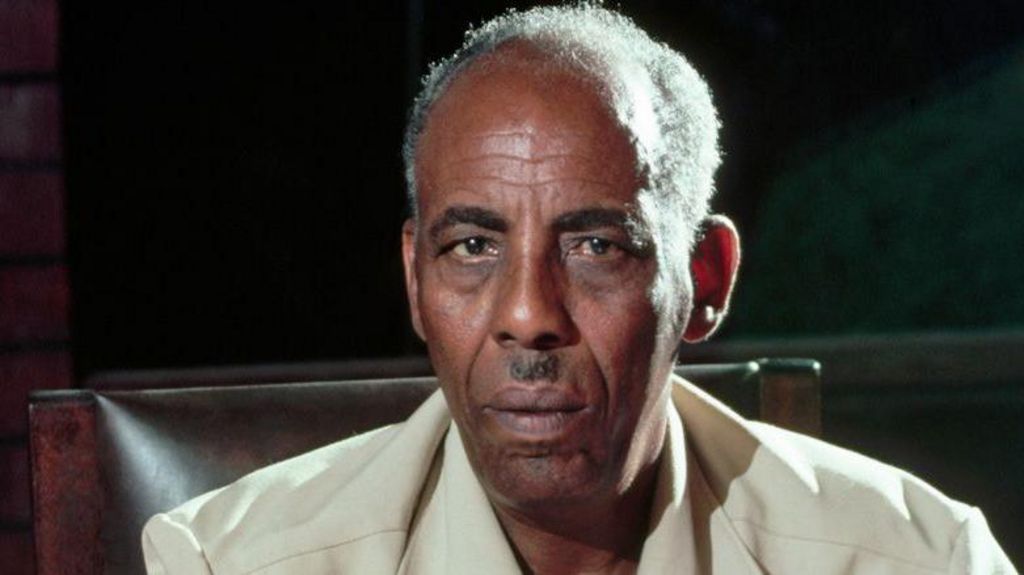
    Three decades ago, a clandestine operation unfolded across African skies to repatriate the body of Somalia’s former ruler Mohamed Siad Barre. On the 31st anniversary of this extraordinary mission, the key participants have broken their silence, revealing previously undisclosed details about the politically sensitive undertaking.

    In January 1995, Kenyan pilots Hussein Mohamed Anshuur and Mohamed Adan of Bluebird Aviation received an unexpected visit from a Nigerian diplomat at Wilson Airport near Nairobi. The official presented them with an unprecedented request: secretly transport Barre’s body from Lagos, Nigeria, to his hometown of Garbaharey in southern Somalia—a 4,300-kilometer journey across multiple national borders.

    The mission was fraught with political complications. Barre, who had ruled Somalia from 1969 until his overthrow in 1991, died in exile at age 80. Having fled to Kenya initially, he eventually received political asylum in Nigeria under military ruler General Ibrahim Babangida after pressure mounted on the Kenyan government led by President Daniel arap Moi.

    Anshuur, a former Kenyan Air Force captain, described the moment they received the request: ‘We knew immediately this wasn’t a normal charter.’ The pilots spent a day deliberating, weighing the considerable risks against the lucrative financial offer. They demanded guarantees from the Nigerian government, including full political responsibility if anything went wrong and the presence of two embassy officials on board.

    The operation required meticulous planning. On January 11, 1995, their Beechcraft King Air B200 took off from Wilson Airport with a flight manifest falsely listing Kisumu, Kenya as their destination. Instead, they diverted to Entebbe, Uganda, exploiting limited radar coverage across the region. After refueling, they continued to Yaoundé, Cameroon, where Nigerian diplomats awaited, before finally reaching Lagos.

    The Nigerian government provided a military call sign ‘WT 001’ to avoid suspicion when entering Nigerian airspace. In Lagos, Barre’s family including his son Ayaanle Mohamed Siad Barre joined the aircraft for the final leg. The secrecy, according to Barre’s son, was necessary to comply with Islamic burial traditions requiring prompt interment, not to conceal illegal activities.

    The return journey retraced the route through Cameroon and Uganda, with the pilots maintaining the fiction of a routine flight. As they approached Kenya, they diverted directly to Garbaharey’s small airstrip, which couldn’t accommodate military aircraft. After attending the burial, the pilots returned to Wilson Airport, reporting a false origin from Mandera, northeastern Kenya, to avoid detection.

    Reflecting on the mission, Anshuur noted that technological advancements in aviation surveillance would make such a covert operation impossible today. At 65, he acknowledges he wouldn’t undertake a similar mission now, but remains proud of having fulfilled what he saw as a humanitarian duty to ensure a former leader received proper burial in his homeland.