分类: world

  • Death toll rises to 30 after crane collapse derails train in Thailand

    Death toll rises to 30 after crane collapse derails train in Thailand

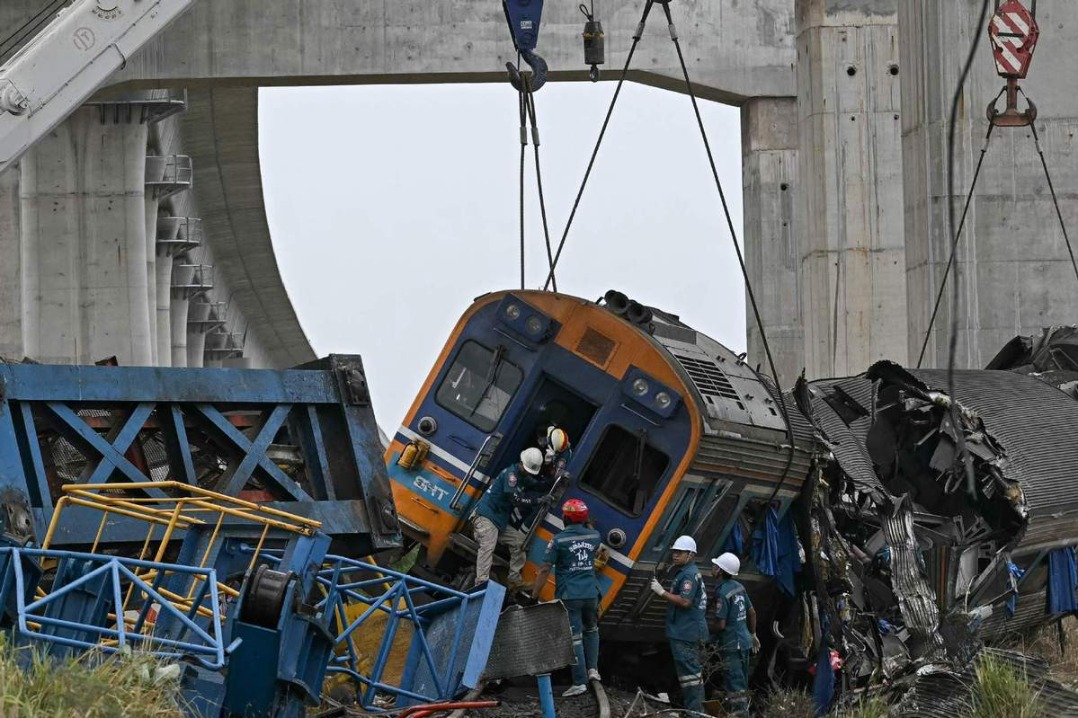
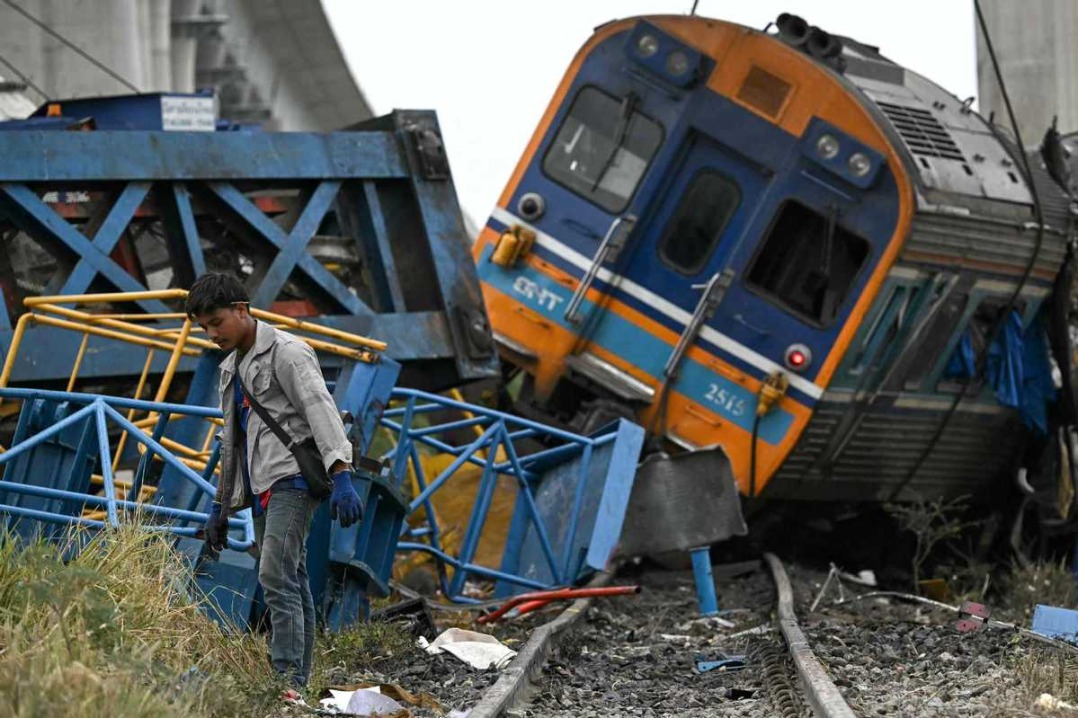
    A catastrophic construction accident at a Chinese-funded high-speed rail development in Thailand’s Nakhon Ratchasima province has resulted in a devastating death toll of 30 individuals, with 67 others injured. The tragedy occurred on January 14, 2026, when operational machinery collapsed onto an active passenger train, causing multiple carriages to derail violently.

    Emergency response teams worked tirelessly through the night in recovery operations at the disaster site, where twisted metal wreckage from both the construction crane and train compartments presented formidable challenges to rescue efforts. The incident has triggered serious investigations into construction safety protocols at international infrastructure projects throughout Southeast Asia.

    This railway development represents part of Thailand’s broader transportation modernization initiative and regional connectivity improvements, with significant Chinese investment and technical collaboration. The accident represents one of the most severe construction-related disasters in recent Thai history, raising urgent questions about safety oversight mechanisms for large-scale transnational infrastructure ventures.

    Thai authorities have initiated comprehensive reviews of all similar construction projects nationwide while expressing condolences to victims’ families. The Chinese embassy in Bangkok has pledged full cooperation with investigation proceedings and offered technical assistance to determine the precise mechanical failure that precipitated the collapse.

  • Radioactive zinc shipment in Philippine onshore in ‘safe’ location

    Radioactive zinc shipment in Philippine onshore in ‘safe’ location

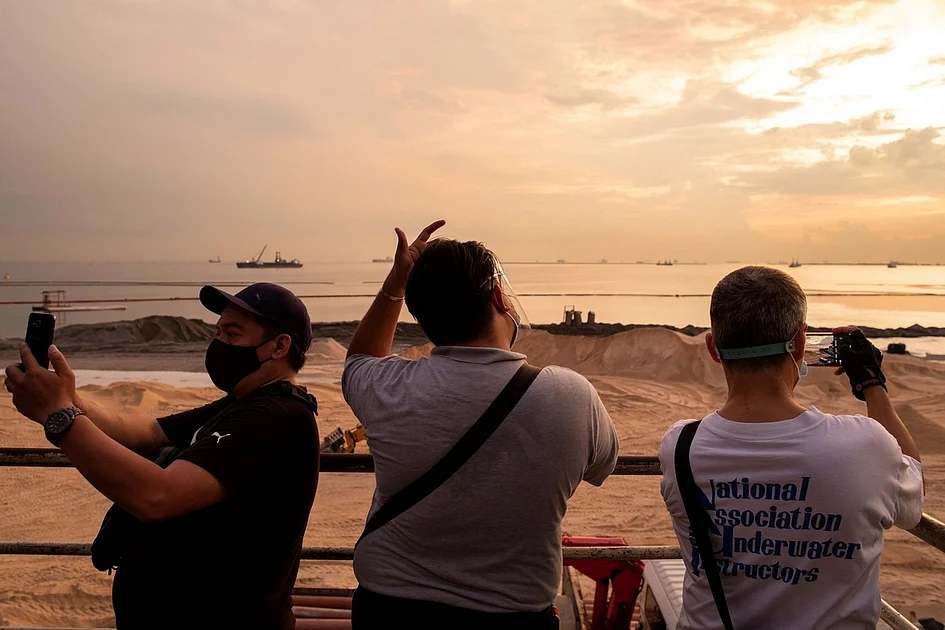
    Philippine authorities have successfully relocated 23 containers of radioactive zinc dust to a secure onshore facility after months of diplomatic and environmental complications. The shipment, originally destined for Indonesia, became the center of an international incident when Indonesian officials detected traces of radioactive Caesium-137 and promptly returned the hazardous materials to their point of origin.

    The containers arrived in Manila Bay aboard the MV Hansa Augsburg in late September 2025 following Indonesia’s rejection. The Southeast Asian nation had implemented stringent measures against scrap iron and steel imports amid growing concerns about radioactive contamination in food products. After extensive negotiations and planning, Philippine Nuclear Research Institute (PNRI) director Carlo Arcilla confirmed the containers were safely offloaded at Manila’s port on January 11, 2026.

    Arcilla characterized the situation as a ‘solvable problem’ with relatively low contamination levels. ‘The radiation becomes background just one meter away from the container,’ he stated, noting that the ship’s crew had tested negative for radiation exposure. The current temporary storage location outside Metro Manila will soon be replaced by a more permanent solution at the Subic Bay military facility, where World War II-era ammunition bunkers provide adequate containment infrastructure.

    The incident has exposed significant challenges in international hazardous material transport protocols. China’s Cosco Shipping Lines, the vessel operator, reportedly suffered substantial financial losses during the extended stalemate. Arcilla suggested the company fell victim to ‘irrational fear of radiation’ compounded by administrative delays in finding an appropriate storage solution.

    Environmental organizations including Greenpeace Philippines have expressed concerns about the long-term risks associated with Caesium-137 exposure. Campaigner Jefferson Chua warned that even low-level contamination could pose cancer risks and persistent environmental damage. The radioactive isotope, commonly used in industrial and medical applications, requires specialized handling procedures that have complicated resolution efforts.

    Neither the exporting companies—Zannwann International Trading Corp and Steel Asia—nor Cosco Shipping Lines immediately responded to requests for comment regarding the ongoing situation and responsibility for the radioactive materials.

  • 32 killed, 67 injured after a crane falls on train in Thailand

    32 killed, 67 injured after a crane falls on train in Thailand

    A catastrophic construction accident in Thailand’s Nakhon Ratchasima province has resulted in 32 fatalities and 67 injuries after a crane collapsed onto a moving passenger train on Wednesday morning. The incident occurred at approximately 9:00 AM when the Bangkok-Ubon Ratchathani special express train, traveling at 120 kilometers per hour, struck the fallen construction equipment, causing immediate derailment and subsequent fires in multiple carriages.

    The tragedy unfolded within the construction zone of the Thai-Chinese high-speed railway project, specifically affecting sections under the third and fourth contracts awarded to Italian-Thai Development Plc. Initial reports indicate the crane first impacted the second carriage containing 40 passengers, with the train’s electrically sealed windows and automatic doors complicating evacuation efforts as fires spread.

    Thai Prime Minister Anutin Charnvirakul has characterized the incident as a severe violation of public safety rather than mere technical failure, demanding comprehensive investigation and accountability for those responsible. Transport Minister Phiphat Ratchakitprakarn and acting State Railway Governor Anan Phonimdang were dispatched to oversee emergency response operations and initiate an on-site investigation.

    International attention has focused on the project’s Chinese connections, though embassy officials confirmed no Chinese enterprises or personnel were involved in the affected construction section. Chinese Foreign Ministry spokeswoman Mao Ning extended condolences while emphasizing Beijing’s commitment to project safety standards, noting the ongoing investigation into causation factors.

    Emergency response teams established alternative transportation arrangements for affected passengers while recovery operations continued throughout Wednesday. The incident has raised significant concerns regarding construction safety protocols for infrastructure projects throughout Southeast Asia, particularly those involving international partnerships.

  • Jeddah Tower: Saudi Arabia races to build the world’s tallest building

    Jeddah Tower: Saudi Arabia races to build the world’s tallest building

    Saudi Arabia is accelerating construction on the monumental Jeddah Tower, poised to claim the title of world’s tallest building with an unprecedented kilometer-high design. After overcoming a seven-year construction hiatus, the project has dramatically progressed since resuming work in January 2025, currently reaching the 80-floor milestone with new floors emerging every three to four days.

    Designed by the renowned architectural firm Adrian Smith + Gill Gordon Architecture, the tower represents a paradigm shift in supertall construction. When completed in August 2028, the structure will soar to approximately 3,281 feet (1,000 meters), surpassing Dubai’s Burj Khalifa by roughly 173 meters. The tower’s innovative Y-shaped structural core and three-petal aerodynamic footprint provide critical stability against wind forces and seismic activity.

    The $1.2 billion megaproject will feature 168 floors containing luxury residences, corporate offices, premium hotel accommodations, retail spaces, and multiple observation decks. The crown jewel will be a sky terrace at level 157—a 30-meter diameter public observatory that will become the world’s highest viewing platform upon completion.

    Engineering marvels include 59 ultra-high-speed elevators by Kone, with five double-decker units capable of traveling at 10 meters per second. This sophisticated vertical transportation system will serve as the backbone for the tower’s mixed-use functionality.

    As the centerpiece of the Jeddah Economic City development, the tower symbolizes Saudi Arabia’s ambitious vision to transform its Red Sea coast into a global economic hub. Talal Ibrahim Al Maiman, CEO of Jeddah Economic Company, emphasized that the project serves as “a beacon of innovation and a catalyst for growth,” representing the realization of a vision years in the making.

  • Ukrainians endure freezing temperatures at home as emergency crews rush to restore power

    Ukrainians endure freezing temperatures at home as emergency crews rush to restore power

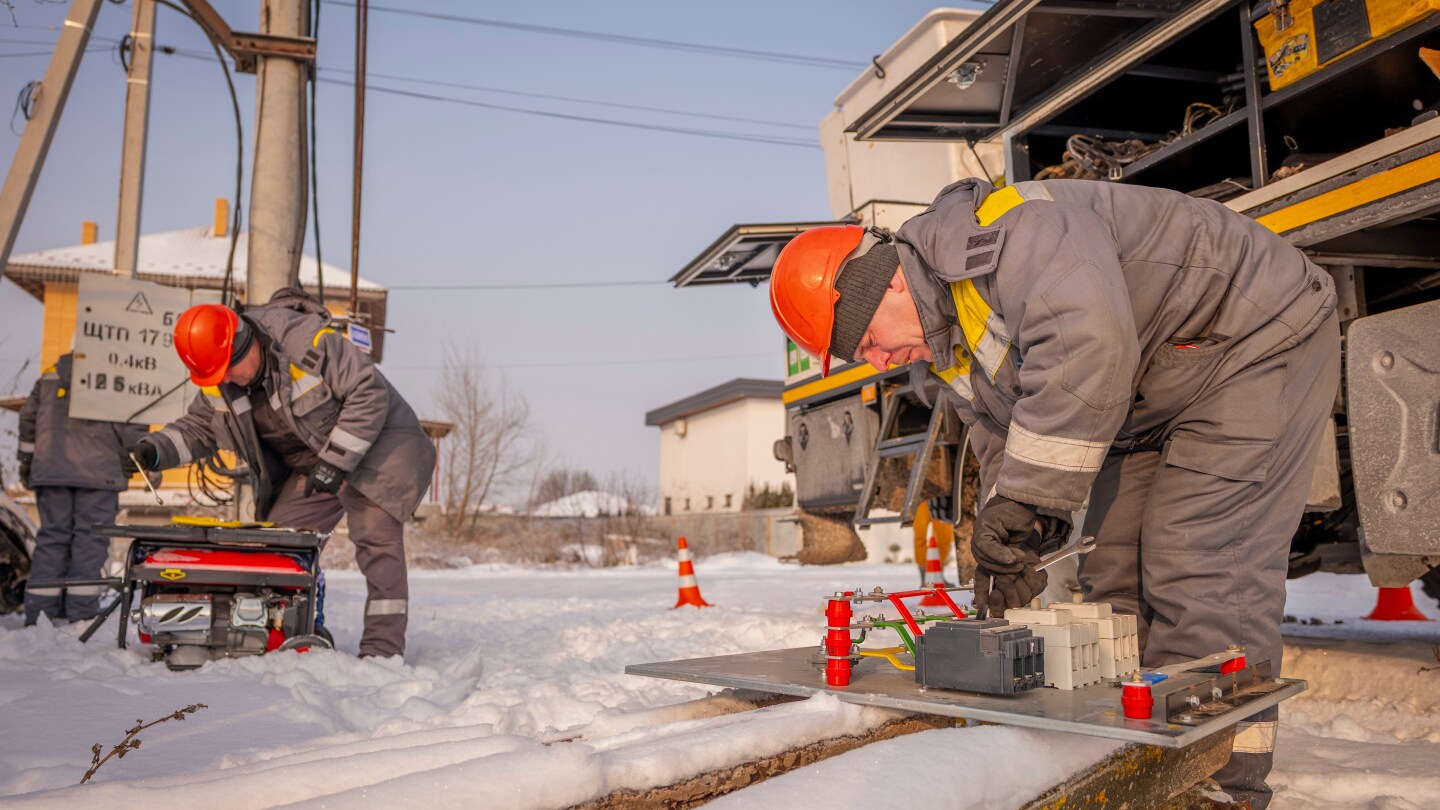
    In the freezing outskirts of Kyiv, teams of emergency repair personnel are engaged in a relentless battle against time and temperatures plunging to -15°C (13°F). These dedicated workers, representing private electricity provider DTEK, labor from dawn until midnight through snow-covered landscapes to rebuild electrical systems devastated by systematic Russian attacks on Ukraine’s energy infrastructure.

    The situation in Boryspil, a town of approximately 60,000 residents, exemplifies the critical challenges facing energy restoration efforts. According to Yurii Bryzh, head of DTEK’s Boryspil regional department, even limited success in restoring four hours of daily electricity creates subsequent complications. When power returns, residents immediately activate all available electrical appliances to complete essential tasks—cooking, washing, and recharging devices—resulting in system overloads and renewed blackouts.

    Kyiv Mayor Vitali Klitschko has characterized these outages as the most extensive since Russia’s full-scale invasion began nearly four years ago, with some households enduring days without electricity. The capital’s apartments have become freezing enclaves, with residents bundling in heavy layers against the penetrating cold. Streets remain darkened at night, with towering apartment blocks showing no signs of life behind their windows.

    The human impact is profound. Scientists Mykhailo, 39, and Hanna, 43, described how their daughter’s bedroom temperatures match the frigid outdoor conditions. The family sleeps together under multiple blankets for warmth, taking their child to work during daytime hours since their workplace maintains generator power while her kindergarten lacks heating.

    Elderly residents demonstrate remarkable resilience. Seventy-six-year-old Zinaida Hlyha utilizes heated water bottles for warmth, consciously avoiding complaints by comparing her situation to soldiers enduring trench warfare. Eighty-nine-year-old physicist Raisa Derhachova occasionally plays piano in what she describes as ‘terrifying cold,’ having survived World War II only to confront another devastating conflict.

    Energy analyst Dennis Sakva of Dragon Capital investment company explains the technical challenges: Russian strikes specifically target power plants and major substations, with replacement equipment like transformers requiring months for procurement. Sakva categorizes Ukraine’s current heroes into two groups: military personnel defending the nation and energy workers battling to maintain civilian infrastructure.

    The extensive damage to Ukraine’s energy grid represents a strategic warfare approach by Russia, exploiting winter conditions to maximize civilian hardship while testing the nation’s resilience and repair capabilities.

  • The Iranians killed protesting: A student, a footballer, a husband and wife

    The Iranians killed protesting: A student, a footballer, a husband and wife

    Iran faces mounting international condemnation as the human cost of ongoing protests continues to escalate, with estimates suggesting over 2,600 fatalities since the demonstrations began in late December. The casualties, documented by Iran-focused human rights organizations though not independently verified, represent a cross-section of Iranian society—spanning various professions, age groups, and ethnic and religious backgrounds.

    The victims include Ejmin Masihi, a member of Iran’s Armenian Christian community shot dead during protests in Tehran’s Narmak district. His death has prompted concern from Armenia, with Diaspora Affairs High Commissioner Zareh Sinanyan reporting complete communication breakdown with the Armenian community in Iran.

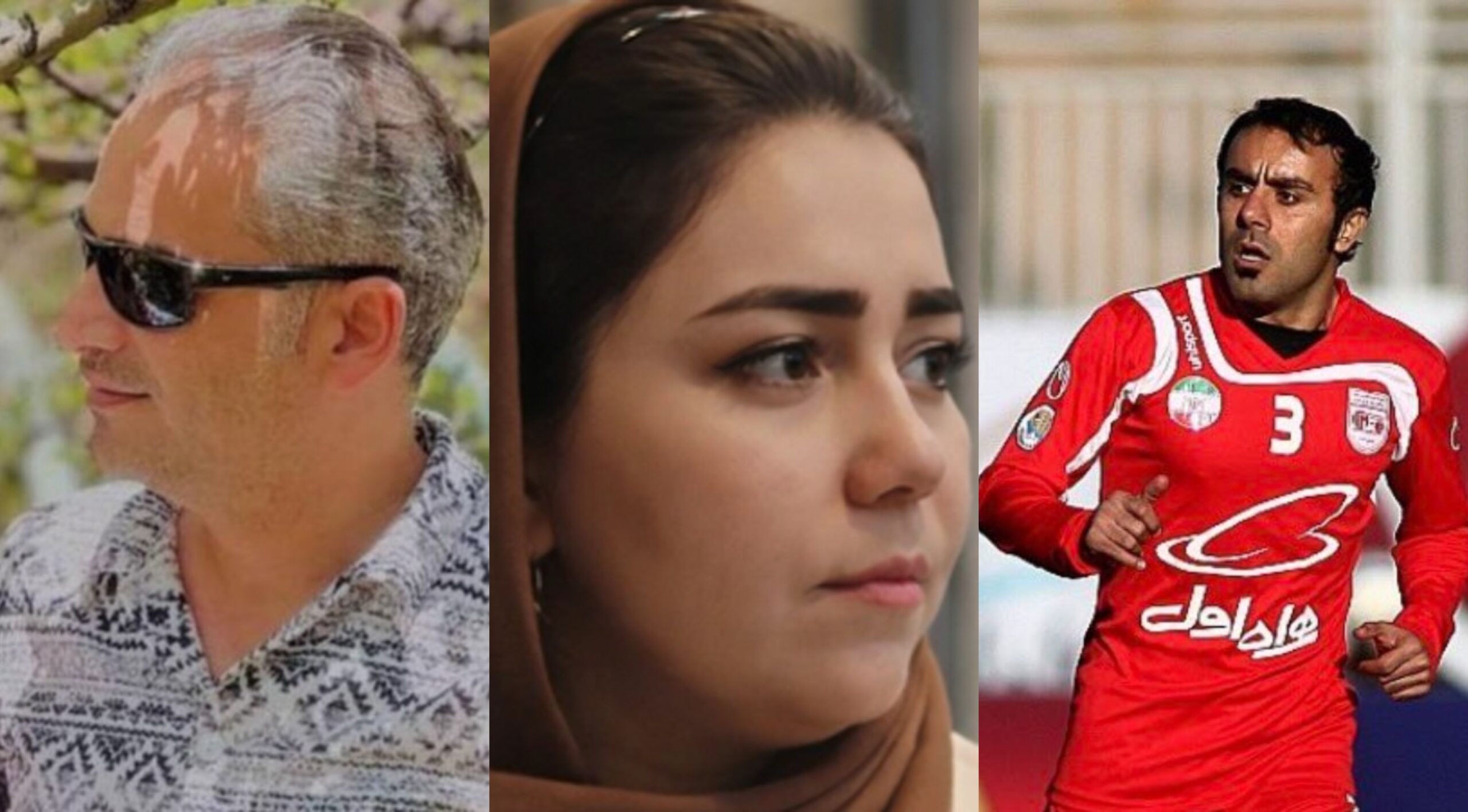
    Sports figures have been particularly affected, with former footballer Mojtaba Torshiz killed alongside basketball player Ahmad Khosravani and football coach Mehdi Lavasani on January 8. The targeting of athletes carries significant symbolism in a nation where football serves as a major unifying force.

    Akram Pirgazi represents the first confirmed female fatality, shot in the head by government forces on January 7. Meanwhile, the Lur minority community has suffered at least four losses, including Mostafa Safian, whose body remains withheld from family members according to Hengaw, a Norway-based rights group.

    Particularly disturbing is the killing of married couple Mansoureh Heidari and Behrouz Mansouri, shot dead while standing near Qoran Mosque in Bushehr on January 8. Eyewitnesses reported the shots originated from within the mosque itself.

    The victims also include 26-year-old futsal referee Amir Mohammad Koohkan, killed in Neyriz on January 3, and Kurdish student Rubina Aminian, shot from behind during Tehran protests. Aminian’s mother described searching through hundreds of young bodies to identify her daughter, highlighting the scale of casualties.

    The protests have drawn threats of military intervention from U.S. President Donald Trump while exposing deepening fractures within Iranian society across ethnic, religious, and professional lines.

  • Ukraine’s new defense minister reveals scale of desertions as millions avoid the draft

    Ukraine’s new defense minister reveals scale of desertions as millions avoid the draft

    KYIV, Ukraine – In a stark parliamentary address on Wednesday, Ukraine’s newly appointed Defense Minister Mykhailo Fedorov revealed profound systemic challenges plaguing the nation’s military apparatus as it confronts Russia’s sustained invasion. The 34-year-old tech reformer outlined a crisis encompassing massive troop desertions, widespread draft evasion, and critical funding shortages.

    Fedorov reported an alarming 200,000 desertions from military ranks alongside approximately 2 million instances of draft-dodging, creating severe manpower complications. He attributed these issues to deeply entrenched bureaucratic inefficiencies, outdated Soviet-era management methodologies, and significant logistical disruptions in supplying equipment across the 1,000-kilometer frontline.

    “Our strategic imperative demands we cannot wage modern warfare with emerging technologies while constrained by archaic organizational structures,” Fedorov asserted during his presentation to lawmakers.

    The minister disclosed a staggering budget shortfall of 300 billion hryvnia (approximately $6.9 billion), necessitating urgent international financial intervention. This funding crisis emerges as the European Union announces a substantial new loan program specifically designed to bolster Ukraine’s military capabilities and economic resilience over the coming two years, according to European Commission President Ursula von der Leyen.

    Despite these challenges, Fedorov highlighted remarkable advancements in Ukraine’s defense sector since Russia’s full-scale invasion commenced in February 2022. The nation’s defense manufacturing ecosystem has undergone explosive growth, expanding from merely seven private drone companies and two electronic warfare firms to nearly 500 drone manufacturers and approximately 200 electronic warfare specialists today. Entirely new industries have emerged, including about 20 private missile producers and over 100 companies developing ground-based robotic systems.

    President Volodymyr Zelenskyy appointed Fedorov, previously celebrated for his digital transformation initiatives and drone technology advancements, as part of a comprehensive government restructuring aimed at enhancing security, defense innovation, and diplomatic efforts during this critical phase of conflict.

  • Sudan peace talks resume in Cairo as war nears 3-year mark

    Sudan peace talks resume in Cairo as war nears 3-year mark

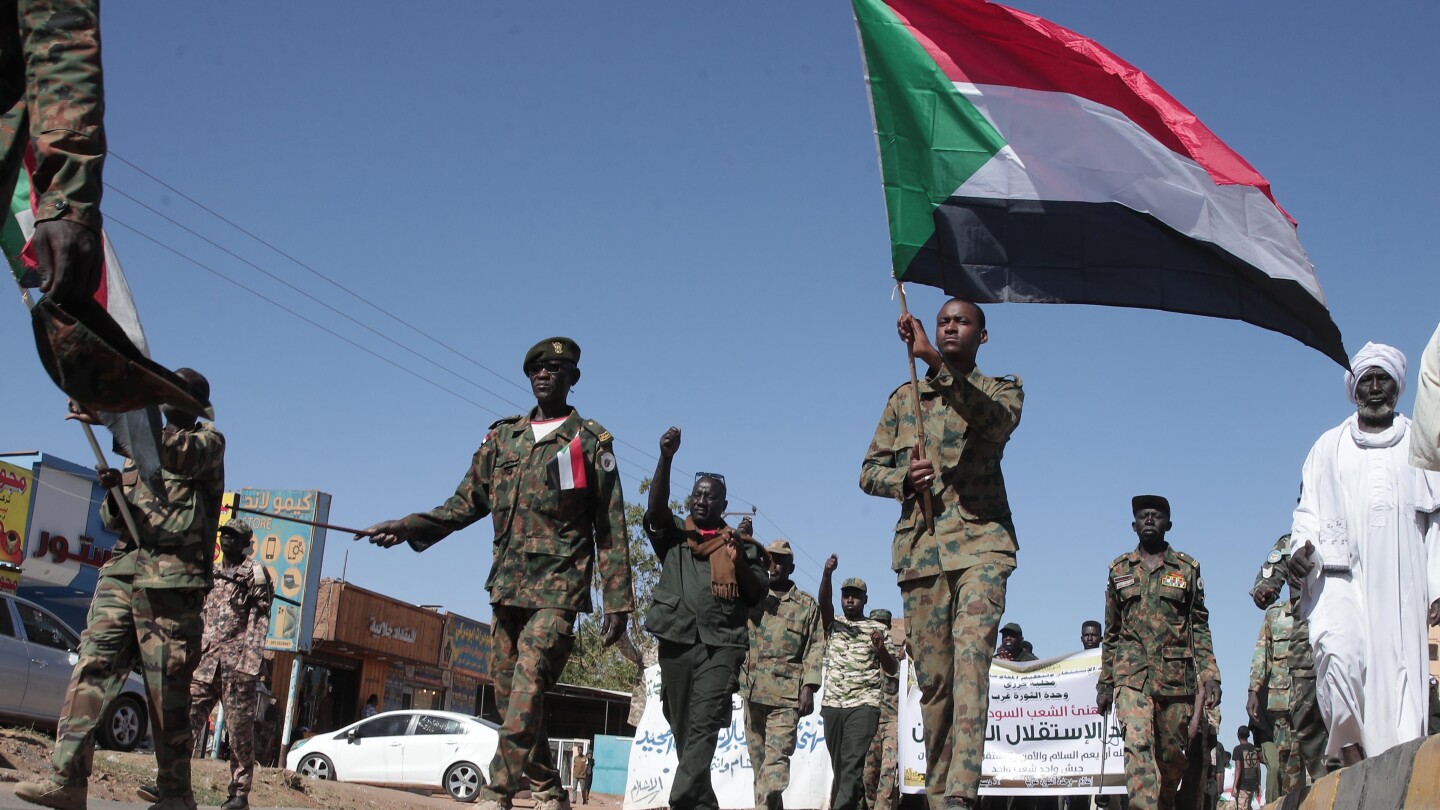
    Diplomatic efforts to resolve Sudan’s devastating conflict resumed in Cairo on Wednesday, with Egyptian officials joining United Nations and United States representatives in pushing for an immediate nationwide humanitarian truce. The talks come as the brutal war between the Sudanese army and the paramilitary Rapid Support Forces (RSF) approaches its third year, creating one of the world’s most severe humanitarian catastrophes.

    Egyptian Foreign Minister Badr Abdelatty delivered a forceful statement during a joint press conference with Ramtane Lamamra, the UN Secretary-General’s personal envoy for Sudan. Abdelatty declared Egypt’s unwavering position regarding Sudan’s territorial integrity, stating: “Egypt wouldn’t accept the collapse of Sudan or its institutions, or any attempt to undermine its unity or divide its territory.” He characterized these scenarios as “red lines” that Egypt would actively prevent through necessary measures.

    The diplomat drew a clear distinction between legitimate state institutions and armed militias, asserting: “There is absolutely no room for recognizing parallel entities or any militias. Under no circumstances can we equate Sudanese state institutions, including the Sudanese army, with any other militias.”

    Despite previous failed negotiation attempts, participants expressed cautious optimism. Lamamra noted that this fifth meeting of the Consultative Mechanism demonstrated that diplomacy remains a viable pathway toward peace. The discussions revealed regional consensus on securing an immediate humanitarian truce that would include specific troop withdrawals and establishment of safe humanitarian corridors.

    In a significant development, American-led negotiations facilitated the delivery of over 1.3 metric tons of humanitarian supplies to el-Fasher, the capital of North Darfur, on Wednesday. This marked the first such delivery since the city was besieged 18 months ago. Massad Boulos, the U.S. senior adviser for Arab and African Affairs, announced on social media platform X that the U.S. would continue pressing for nationwide truce while supporting mechanisms for unhindered aid delivery to famine-stricken regions.

    The humanitarian situation remains dire amid ongoing violence. Recent reports indicate at least 19 civilians killed during ground operations in Jarjira, North Darfur, on Monday, with additional casualties from drone attacks in Sinja, Sennar province. The Sudan Doctors Network accused the RSF of deliberately targeting civilians in what they described as “a full-fledged war crime.” According to the International Organization for Migration, recent violence has displaced over 8,000 people from North Darfur villages, with many fleeing to Chad.

    The United States has formally accused the RSF of committing genocide in Darfur, while rights groups have documented widespread atrocities by both sides. The so-called Quad mediators—Saudi Arabia, Egypt, the United Arab Emirates, and the United States—have proposed a humanitarian truce that both warring parties reportedly agreed to, yet combat operations continue unabated throughout the country.
  • US pulling some personnel from Qatar air base, official tells CBS

    US pulling some personnel from Qatar air base, official tells CBS

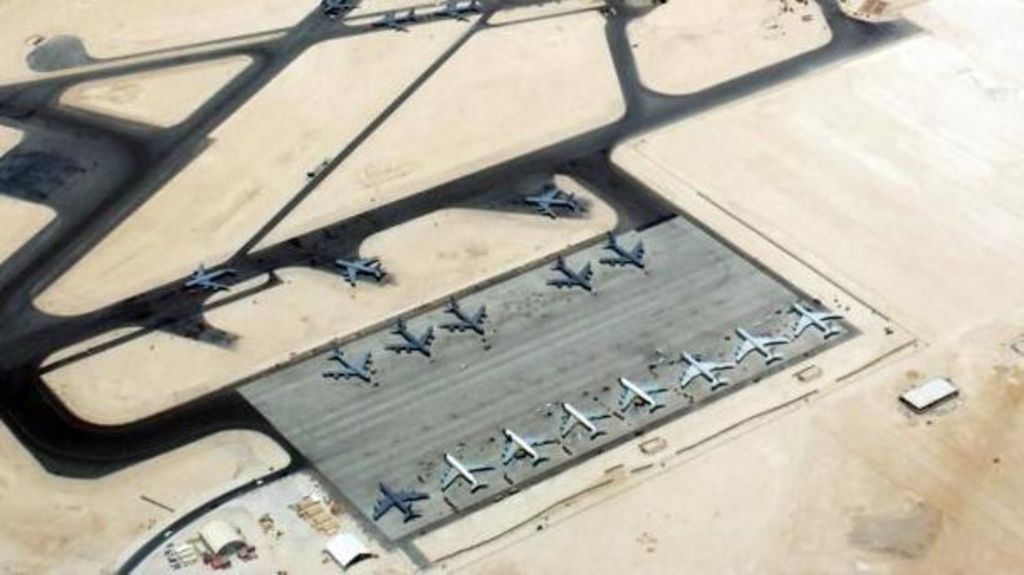
    The United States has initiated a partial reduction of military personnel at its strategic Al-Udeid Air Base in Qatar, a move characterized by officials as a precautionary measure against escalating regional tensions. This development follows heightened rhetoric between Washington and Tehran regarding Iran’s internal crackdown on anti-government protesters.

    Qatar’s government confirmed the troop repositioning in an official statement, noting the measures were being implemented “in response to the current regional tensions.” The Al-Udeid facility, spanning 24 hectares in the desert outside Doha, represents the largest U.S. military installation in the Middle East and serves as the headquarters for all American air operations in the region, typically housing approximately 10,000 personnel alongside rotating UK military forces.

    The current tensions stem from President Donald Trump’s warning that Iran would face “very strong action” if authorities execute detained protesters. Trump amplified this threat on his Truth Social platform, stating Iranian leaders would “pay a big price” for the killings and encouraging continued demonstrations. Iranian officials have responded with counter-threats, with a senior adviser to Supreme Leader Ayatollah Ali Khamenei reminding Washington of Tehran’s demonstrated capability to respond to attacks, referencing Iran’s missile strike on Al-Udeid in June which was conducted in retaliation for U.S. strikes against Iranian nuclear sites.

    According to human rights organizations, the Iranian government’s crackdown on protests has resulted in significant casualties, with the U.S.-based Human Rights Activists News Agency (HRANA) documenting 2,403 protester fatalities, including 12 children, alongside over 18,434 arrests despite widespread internet restrictions. The protests initially erupted in response to economic collapse and soaring living costs but rapidly evolved into demands for political reform, presenting the most serious challenge to Iran’s clerical establishment since the 1979 revolution.

    While Reuters reports no immediate signs of large-scale troop movements resembling those preceding June’s Iranian strike, the U.S. Mission to Saudi Arabia has advised personnel and citizens to exercise increased caution and limit non-essential travel to military installations throughout the region. Iranian officials have accused the United States of attempting to “manufacture a pretext for military intervention,” with Parliament Speaker Mohammad Bagher Ghalibaf warning that both Israeli and U.S. military and shipping centers would become legitimate targets if attacked.

  • France bans 10 British ‘far-right activists’ over anti-migrant activity

    France bans 10 British ‘far-right activists’ over anti-migrant activity

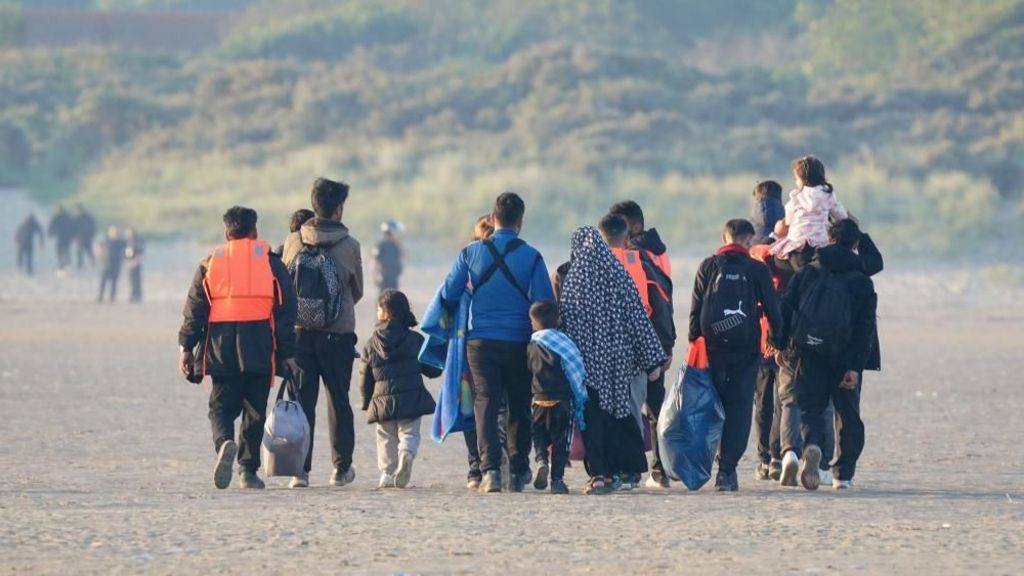
    France has officially banned ten British far-right activists from entering its territory following their involvement in operations targeting migrant vessels along the northern coastline. The French Interior Ministry announced the measure on Wednesday, identifying the individuals as members of the group ‘Raise the Colours’.

    According to official statements, these activists engaged in systematic searches and destruction of small boats intended for Channel crossings, alongside conducting propaganda activities. The ministry became aware of these operations in December 2025, determining they posed significant risks to public order and security.

    The banned individuals participated in efforts specifically designed to appeal to British citizens, encouraging them to join a movement aimed at stopping migratory patterns across the Channel. French Interior Minister Laurent Nuñez emphasized on social media platform X that France’s commitment to rule of law remains absolute, stating that violent actions or hate incitement have no place within French territory.

    Raise the Colours issued a response maintaining that their activities have always been peaceful and lawful, denying support for violence or illegal actions. The group claimed they had not received formal notification of the ban but understood it targeted specific individuals rather than the organization collectively. They describe themselves as a grassroots movement promoting unity and patriotism, primarily known for UK flag-raising campaigns and documenting illegal Channel crossing activities.

    Recent Home Office statistics reveal that 41,472 migrants crossed the Channel in 2025, marking a 13% increase from 2024 and the highest number since 2022 when nearly 46,000 made the journey. Small boat crossings have become the predominant method of illegal entry into the UK since 2020, prompting increased bilateral cooperation. In November 2025, after months of diplomatic pressure from British authorities, France agreed to begin intercepting small boats in the Channel.