分类: world

  • Philippines grants Chinese tourists visa-free entry for up to 14 days

    Philippines grants Chinese tourists visa-free entry for up to 14 days

    The Philippine government has initiated a significant policy shift by granting Chinese nationals visa-free entry for stays up to 14 days, effective January 16, 2026. This strategic move aims to revitalize tourism numbers that have dramatically declined since the pandemic era.

    According to the Philippine Department of Foreign Affairs (DFA), the visa exemption applies exclusively to tourism and business purposes. The arrangement permits a non-extendable 14-day stay that cannot be converted to other visa categories. Travelers must present a passport valid for at least six months beyond their intended stay, confirmed accommodation bookings, and return or onward flight tickets.

    The policy comes as response to a staggering decline in Chinese tourism. Pre-pandemic data from 2019 showed over 1.8 million Chinese visitors, while 2024 figures revealed only approximately 312,000 arrivals—the weakest recovery among Southeast Asian nations. Neighboring countries like Vietnam, Malaysia, and Singapore hosted approximately 3.7 million, 3.3 million, and 3 million Chinese tourists respectively during the same period.

    Tourism Secretary Christina Frasco attributed the dramatic drop primarily to visa restrictions, including the suspension of electronic visas for Chinese nationals. The new visa-free arrangement will remain in effect for one year with provisions for security screening of travelers’ derogatory records. Notably, the policy lacks reciprocity as Filipinos still require visas to visit China.

    This initiative follows similar visa facilitation measures extended to Indian nationals in June 2025, indicating the Philippines’ broader strategy to boost its tourism-driven economy through eased entry requirements for key markets.

  • Watch: Iranian journalist breaks down at UN while reading names of protesters killed

    Watch: Iranian journalist breaks down at UN while reading names of protesters killed

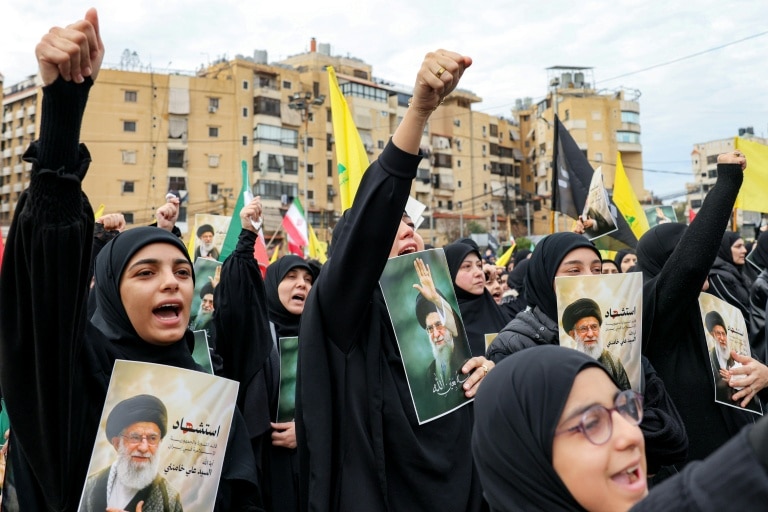
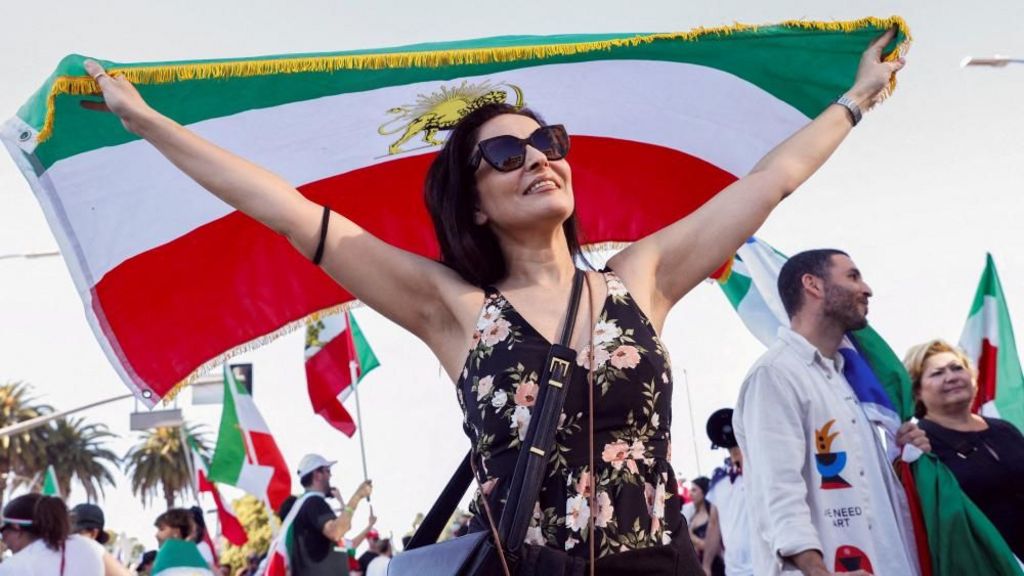
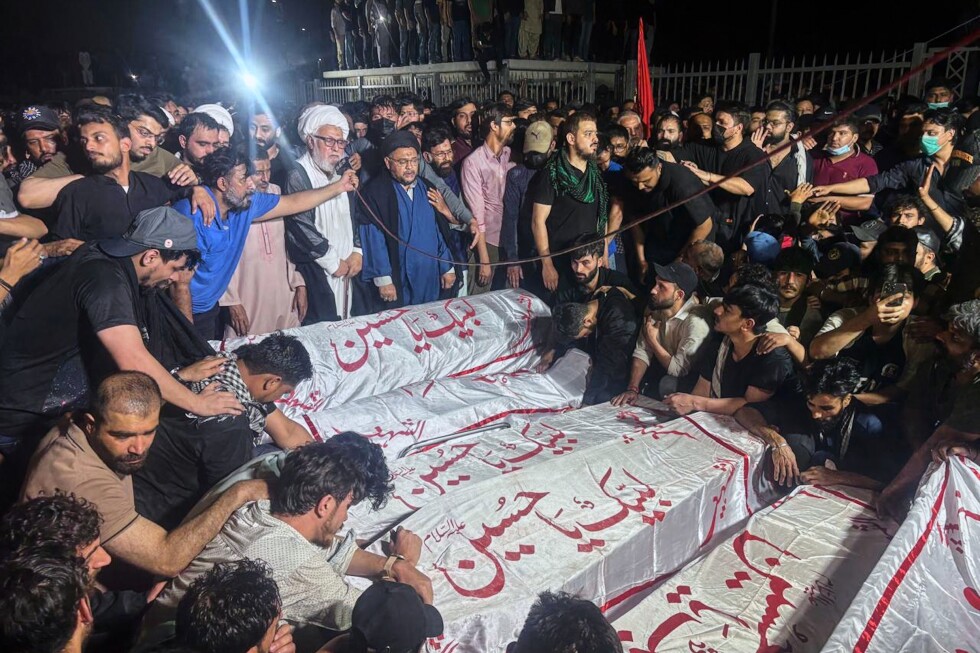
    In a profoundly emotional address at the United Nations, Iranian journalist and activist Masih Alinejad delivered a heartbreaking testimony that laid bare the human cost of Iran’s ongoing civil unrest. Overcome with grief, her voice trembled as she recited the names of protesters killed during recent demonstrations, creating a powerful moment of human connection amid diplomatic formalities.

    The emotional climax occurred when Alinejad recounted the death of 28-year-old Negin Ghadimi, who perished in her father’s arms after being shot by members of Iran’s Revolutionary Guards. ‘I feel guilty that I don’t name the rest,’ Alinejad stated, her composure breaking. ‘The list of names goes on and on. They knew they would face guns and bullets, but they wanted justice.’

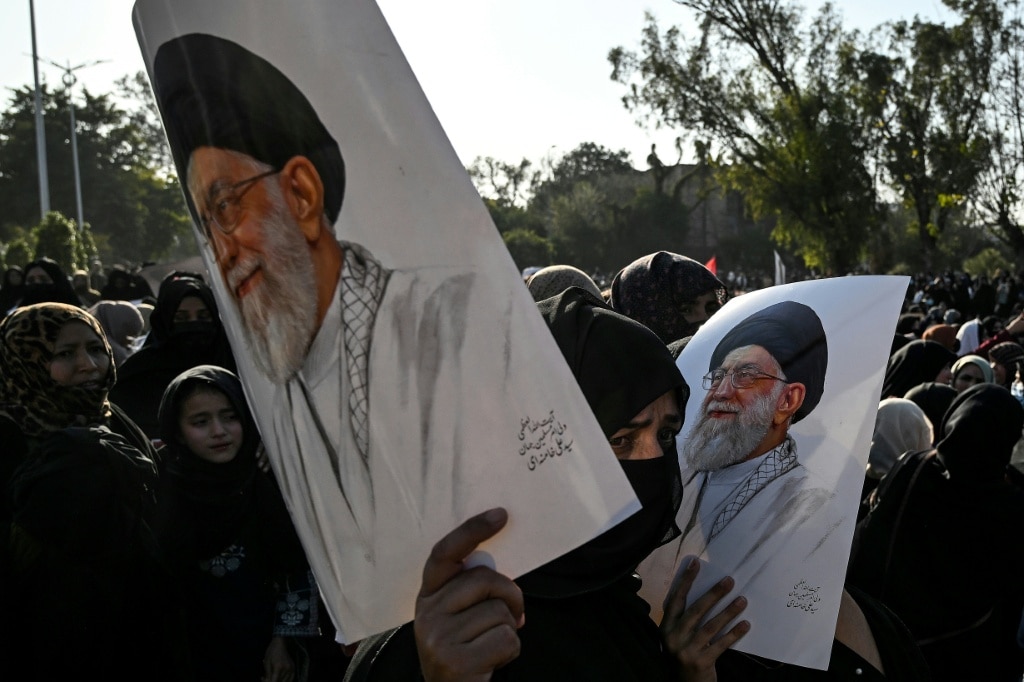
    Beyond the emotional appeal, Alinejad delivered a scathing condemnation of Iran’s clerical leadership, drawing direct comparisons to the terrorist organization Daesh (ISIS). She challenged the international community to move beyond symbolic gestures and empty condemnations. ‘The Iranian people are asking the world to help through actions, not back-to-back meetings,’ she asserted. ‘The Islamic Republic behaves like Daesh, and the Islamic Republic must be treated like Daesh. This is how you can save lives.’

    This powerful address comes amid what human rights organizations describe as the deadliest wave of dissent in Iran in years. According to the US-based HRANA rights group, the death toll from recent protests has reached 2,571 individuals, including 2,403 verified protester deaths, 147 government-affiliated casualties, 12 minors, and 9 non-protesting civilians. Iranian authorities have acknowledged approximately 2,000 fatalities—their first official death toll recognition after more than two weeks of nationwide unrest.

    The current protests, initially sparked by dire economic conditions, have evolved into the most significant internal challenge to Iran’s leadership in at least three years. This domestic turmoil coincides with intensified international pressure following Israeli and US military actions against Iranian targets last year, creating a complex geopolitical landscape that amplifies the significance of Alinejad’s emotional appeal for concrete international intervention.

  • Saudi King undergoing medical tests in Riyadh: Royal Court

    Saudi King undergoing medical tests in Riyadh: Royal Court

    RIYADH, SAUDI ARABIA – January 16, 2026 – Saudi Arabia’s King Salman bin Abdulaziz Al Saud, the 90-year-old reigning monarch, underwent scheduled medical examinations at King Faisal Specialist Hospital in the capital city on Friday. The Royal Court officially confirmed the routine health assessment through the state news agency, emphasizing the procedural nature of the tests.

    The monarch’s medical history includes a previous episode of lung inflammation in October 2024, from which he successfully recovered following comprehensive treatment. The Royal Court had previously announced his full recovery at that time.

    King Salman remains actively engaged in his royal duties, having most recently presided over a cabinet meeting just three days prior to the medical examination. The timely disclosure of the king’s medical check-up demonstrates the Saudi government’s commitment to transparency regarding the monarch’s wellbeing while maintaining appropriate privacy boundaries.

    The medical facility where the examinations took place, King Faisal Specialist Hospital, represents one of the Kingdom’s premier healthcare institutions, equipped with state-of-the-art medical technology and staffed by internationally trained specialists capable of providing the highest standard of royal medical care.

  • UAE: Friday sermon marks anniversary of January 17 Houthi attack

    UAE: Friday sermon marks anniversary of January 17 Houthi attack

    The United Arab Emirates observed a solemn national commemoration on Friday, marking four years since Houthi rebel forces launched deadly attacks against civilian infrastructure in Abu Dhabi. Special sermons titled ‘Day of Determination’ were delivered across mosques nationwide, honoring the resilience and unity demonstrated by Emirati citizens and armed forces during the January 17, 2022 assault.

    The coordinated attacks targeted Musaffah ICAD 3’s industrial area and a construction zone at Abu Dhabi International Airport, resulting in catastrophic explosions of petroleum tankers that claimed three civilian lives and left six individuals injured. The Iran-backed Houthi militia subsequently acknowledged responsibility for these strikes against non-military targets.

    Official statements read during Friday prayers emphasized national pride in the populace’s steadfast support for leadership and vision. “Our Armed Forces have demonstrated unparalleled bravery and made the greatest sacrifices, proving their deep love for the nation’s soil,” the sermon proclaimed, characterizing the anniversary as a moment to reflect on Emirati determination.

    Dubai Crown Prince Sheikh Hamdan bin Mohammed bin Rashid Al Maktoum reinforced this message, announcing scheduled national media programming for Saturday morning featuring the national anthem as a symbolic renewal of collective pledge toward national progress. Previous commemorations have drawn similar responses from top leadership, with President Sheikh Mohamed previously describing the date as commemorating “the strength, resilience, and solidarity of the people of the UAE.”

    The annual observance serves both as memorial for victims and affirmation of national security resolve amid ongoing regional tensions involving Yemeni rebel factions.

  • Zelensky says Ukraine’s air defence supplies ‘insufficient’

    Zelensky says Ukraine’s air defence supplies ‘insufficient’

    Ukrainian President Volodymyr Zelensky has issued an urgent appeal to Western allies for accelerated deliveries of air defense missiles, revealing that several critical defense systems had been completely depleted until a recent shipment arrived on Friday. Speaking against a backdrop of relentless Russian bombardment targeting energy infrastructure, Zelensky characterized current Western supplies as “insufficient” despite the day’s “substantial package” of missiles.

    The president’s stark warning comes as Ukraine endures one of its most severe humanitarian crises since the invasion began. With temperatures plunging to -19°C (-2°F), thousands of civilians across multiple regions face life-threatening conditions without heating or electricity. Kyiv’s mayor announced extended school closures through February while implementing emergency measures to address what he described as the capital’s first complete heating collapse and “huge electricity shortage” of the war.

    Zelensky emphasized that missile deliveries don’t guarantee immediate relief: “It doesn’t mean that winter will end for us tomorrow. And it doesn’t mean that tomorrow the enemy will stop bombing us.” He criticized nations stockpiling ammunition while Ukraine fights for survival, stating pointedly: “If we are at war, we really need it. And in some countries, there is no war.”

    The energy crisis has prompted drastic government actions, including a declared state of emergency in the energy sector and the appointment of former Prime Minister Denys Shmyhal as energy minister. Officials accuse Moscow of deliberately exploiting extreme winter conditions as a weapon, with Shmyhal telling parliament Russia was “betting it can break us through energy terror.”

    Amid the devastation, thousands of energy workers race against time to repair bombarded plants and substations. Kyiv has eased curfews to allow residents access to emergency heating hubs, while officials previously suggested civilians consider temporarily relocating to conserve resources.

    In a parallel development, Zelensky revealed Ukrainian negotiators were en route to the United States for ceasefire discussions, potentially culminating in agreements during next week’s World Economic Forum in Davos if American counterparts agree to finalized terms.

    Meanwhile, Russian strikes continued through Friday, killing two people in the central city of Nikopol as intelligence warnings indicated preparations for larger-scale attacks loom.

  • Flights diverted, embassies closed: How mass Iran protests impacted rest of world

    Flights diverted, embassies closed: How mass Iran protests impacted rest of world

    The widespread anti-government protests engulfing Iran have generated significant international repercussions, extending far beyond the nation’s borders and impacting global diplomatic operations, aviation routes, and economic policies. As demonstrations intensified—marking the largest display of civil unrest since 2022—foreign governments swiftly implemented protective measures for their citizens and diplomatic personnel.

    Numerous nations, including New Zealand, Britain, and Portugal, initiated emergency embassy closures and evacuations citing deteriorating security conditions. New Zealand relocated its diplomatic operations to Turkey on January 16, while British and Portuguese embassies suspended physical operations entirely, transitioning to remote consular services based on urgent security assessments.

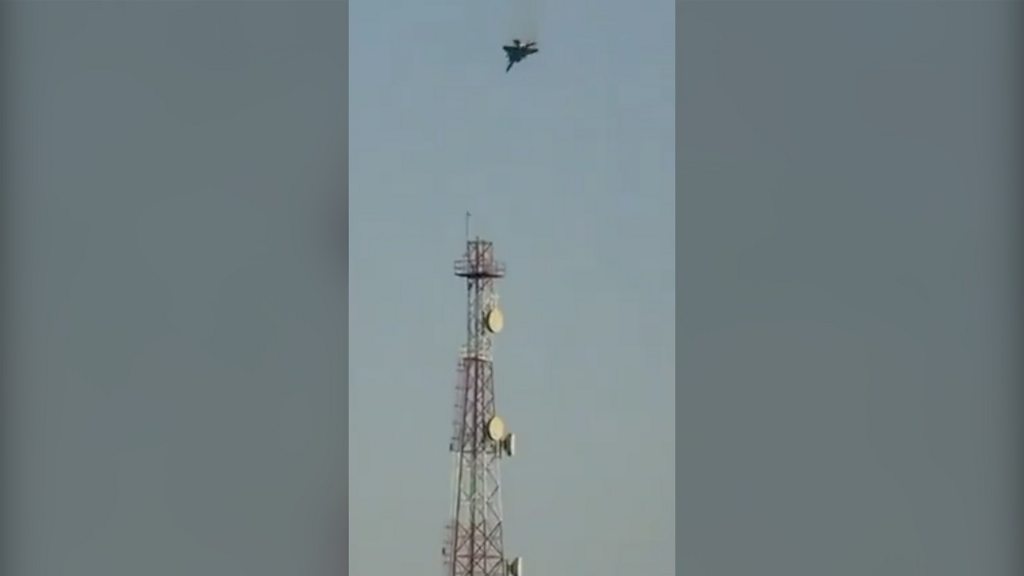
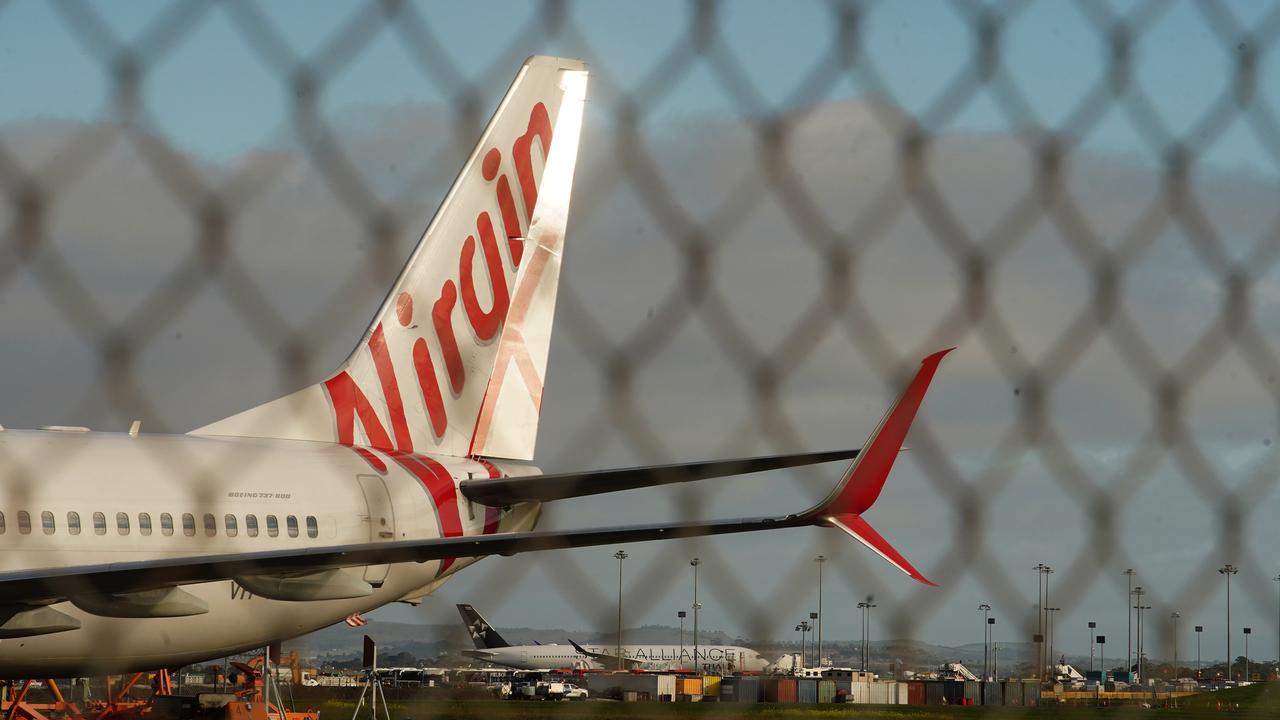
    Aviation networks experienced immediate disruption when Iranian authorities implemented an approximate five-hour airspace closure during the night of January 14. This unprecedented measure forced multiple international carriers—including UAE’s flydubai and Indian airlines IndiGo and Air India—to cancel, divert, or reroute flights, creating cascading delays across global air travel networks. Although normal operations resumed relatively quickly, the incident highlighted vulnerabilities in international flight routing dependencies.

    Simultaneously, governments worldwide issued urgent travel advisories warning against all non-essential travel to Iran. India specifically cautioned its citizens to avoid protest areas, while the United States emphasized the elevated risk of arbitrary detention for American passport holders. Portugal conducted direct outreach to its nationals residing in Iran, confirming that several had already departed while others chose to remain despite safety concerns.

    The economic dimension emerged through former US President Donald Trump’s announcement of impending 25% tariffs on nations conducting business with Iran, though specific implementation mechanisms remained unclear. This declaration particularly concerned trading partners like the UAE, which exports significant quantities of aluminum and gold to American markets.

    Oil markets responded with cautious volatility, as Brent crude gained 0.78% to $64.26 per barrel despite receding probabilities of direct military confrontation. Analysts noted that while immediate supply risks had somewhat diminished, underlying tensions continued supporting a geopolitical risk premium on prices, with particular attention to potential disruptions in the Strait of Hormuz—a critical maritime chokepoint for global oil transportation.

  • Israeli troops steal 250 goats from Syria and smuggle them to occupied West Bank

    Israeli troops steal 250 goats from Syria and smuggle them to occupied West Bank

    In a bizarre military incident, Israeli troops operating in Syria were implicated in the theft and smuggling of approximately 250 goats belonging to Syrian farmers, according to reports from Israel’s Channel 12. The network, citing police authorities, revealed that the operation occurred two weeks ago when a battalion from the Golan Brigade identified the herd during operations in Syrian territory.

    The soldiers reportedly utilized pre-arranged trucks to transport the stolen livestock across the border into Israeli territory before ultimately distributing them to various farms within illegal outposts in the occupied West Bank. The unusual military operation came to light when residents of the occupied Golan Heights discovered dozens of unidentified goats wandering through local streets the following morning.

    Following an internal investigation prompted by these discoveries, the Israeli military implemented disciplinary measures including the dismissal of the team commander, formal reprimand of the company commander, and temporary suspension of the entire involved team. Current reports indicate approximately 200 of the stolen goats remain unaccounted for, roaming without identification or vaccination in Israel and the West Bank, while the remainder are believed to be scattered within Syrian territory.

    This incident occurs against the backdrop of Israel’s ongoing occupation of Syria’s Golan Heights since 1967, a status repeatedly condemned under international law. The situation further escalated in December 2024 when Israel expanded its territorial control following the collapse of Bashar al-Assad’s government, seizing the entire UN-patrolled buffer zone that previously separated Israeli and Syrian forces.

    According to Syrian authorities, Israel has conducted over 1,000 airstrikes and more than 400 ground incursions into Syrian territory since these developments, significantly heightening regional tensions.

  • Qatar fashion show postponed to ‘prioritise safety of designers, talents’, organisers say

    Qatar fashion show postponed to ‘prioritise safety of designers, talents’, organisers say

    Organizers of the Doha Fashion Show announced on Friday the postponement of their biannual luxury event, rescheduling it from January to March 2026 due to escalating regional tensions. The decision follows Qatar’s implementation of precautionary security measures at the US-operated Al Udeid Air Base earlier in the week.

    The fashion showcase, originally scheduled for January 19-21, was delayed following careful consideration of regional security developments. Event coordinators emphasized that the rescheduling was implemented “out of an abundance of caution” to ensure the safety of all participants, including international designers, models, media representatives, and guests.

    The postponement comes amid heightened security alerts in the region, with Qatar’s International Media Office confirming earlier precautionary measures at Al Udeid that included the temporary departure of some personnel. While security levels were reportedly normalized within 24 hours according to sources briefed on the situation, organizers determined that postponement remained the most prudent course of action.

    The Doha Fashion Show represents a significant component of Qatar’s strategic initiative to establish itself as a regional center for luxury fashion and creative industries. The event typically features runway presentations, designer showcases, and professional networking opportunities with particular emphasis on emerging talent from the Middle East and beyond.

    This cultural initiative forms part of Qatar’s broader economic diversification strategy, which includes substantial investments in tourism, sports, and arts sectors alongside fashion. Organizers have committed to maintaining the event’s quality standards and ensuring a secure environment for all participants when the rescheduled event takes place in March.

  • Libya to try a gang member linked to a mass grave of 21 migrants for human trafficking

    Libya to try a gang member linked to a mass grave of 21 migrants for human trafficking

    Libyan authorities have initiated judicial proceedings against a criminal network member implicated in human trafficking operations, following the grim discovery of a mass grave containing 21 migrants. The Attorney General’s office announced the referral to court on Friday via an official Facebook statement, revealing evidence of organized illegal migration activities centered in al-Kufra (southeastern Libya) and Ajdabiya (eastern Libya).

    The investigation uncovered that the criminal organization had detained 195 migrants under torturous conditions to extort ransom payments from families. While one suspect remains in custody, manhunts continue for additional gang members. The statement deliberately withheld identifying information about the criminal network.

    Libya’s strategic position as a primary migration corridor has intensified since the 2011 civil war that ousted dictator Moammar Gadhafi, creating power vacuums exploited by trafficking syndicates. The country remains fractured between rival eastern and western administrations—Prime Minister Ossama Hammad governing the east and Prime Minister Abdul-Hamid Dbeibah leading the western Tripoli-based government—both supported by armed factions and international allies.

    Forensic analysis continues to determine the circumstances and timeline of the 21 deaths. Officially released images depict victims wrapped in black plastic bags with partial soil coverage, though independent verification remains pending.

    This case emerges amid escalating migrant tragedies in the Central Mediterranean. Recent data from the International Organization for Migration’s Missing Migrants Project indicates over 1,000 deaths since January 2025, including 500+ disappearances off Libya’s coast. A separate capsizing incident alone claimed至少 42 lives, highlighting the extreme perils faced by those attempting sea crossings to Europe.

  • Pakistanis in UAE, other nations barred from used car imports under ‘personal baggage’ scheme

    Pakistanis in UAE, other nations barred from used car imports under ‘personal baggage’ scheme

    Pakistan has implemented significant restrictions on vehicle imports by its overseas citizens residing in the UAE, Gulf nations, and other countries. The Ministry of Economy has amended its Import Policy Order 2022 through Statutory Regulatory Order (SRO) 61 (I)/2006, effectively eliminating the “personal baggage” scheme for car imports.

    The new regulations now permit vehicle imports exclusively under two categories: “transfer of residence” and “gift schemes.” Vehicles imported through these channels face a mandatory one-year ownership transfer restriction from their import date. Additionally, vehicles brought into Pakistan under the transfer of residence scheme must originate from the same country where the overseas Pakistani resides.

    The policy changes affect approximately 9 million Pakistani diaspora members worldwide, including 5.5 million throughout GCC nations and 1.7 million specifically in the UAE. The ministry has concurrently extended the import timeframe from 700 to 850 days from the date of the last Goods Declaration filing.

    All imported vehicles must now meet minimum safety standards, environmental requirements, and regulatory measures equivalent to those governing commercially imported used vehicles. These standards will be enforced by the Ministry of Industries and Production and the Engineering Development Board.

    The decision follows the Federal Cabinet’s approval of the Economic Coordination Committee’s December 9, 2025 resolution, which authorized the import of used vehicles up to three years old under the revised schemes. This policy shift occurs alongside a 46% increase in domestic car sales during the first half of 2025, with over 13,200 units sold.