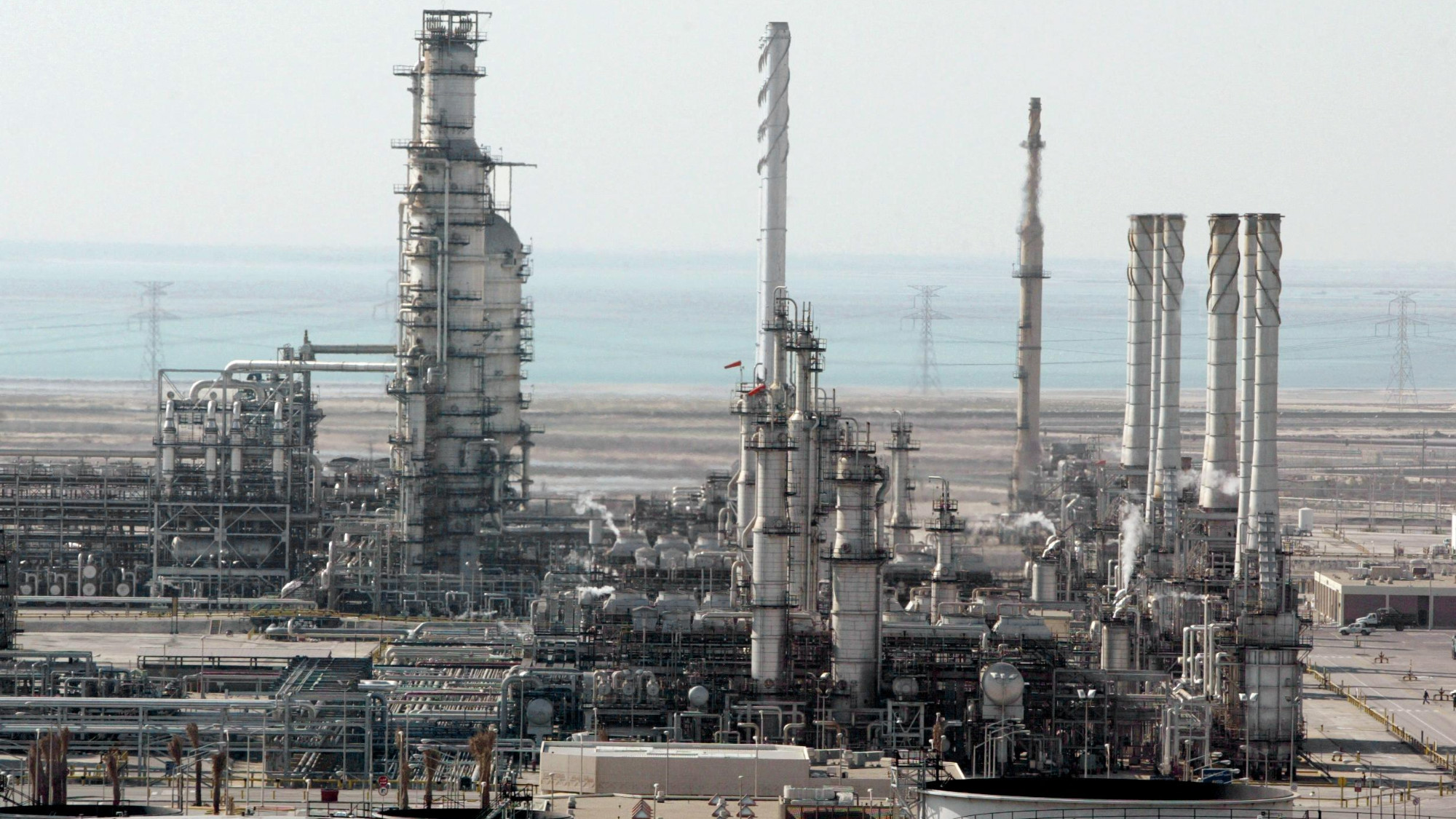
Saudi Arabian and Kuwaiti energy infrastructure came under attack on Monday, raising regional security concerns and triggering significant volatility in global oil markets. According to the Saudi defense ministry, two drones targeted the critical Aramco refinery complex in Ras Tanura. Ministry spokesperson Turki al-Maliki confirmed to Al Arabiya that both unmanned aerial threats were successfully intercepted by defense systems. The ministry attributed a subsequent limited fire at the facility to falling debris from the intercepted drones, emphasizing that no civilian casualties resulted from the incident. Saudi Arabia’s energy ministry quickly assured markets that the fire was contained and confirmed the attack caused no disruption to oil supply chains, though the refinery was temporarily shut down as a precautionary measure. The Ras Tanura complex represents one of the Middle East’s most significant energy hubs, boasting refining capacity of 550,000 barrels per day and serving as one of the world’s largest oil export terminals. Simultaneously, Kuwait experienced security incidents as witnesses reported smoke rising above a power plant in the country’s northern region. The Kuwait National Petroleum Company confirmed that debris fell on the Mina Al-Ahmadi refinery—another major processing facility—resulting in injuries to two workers while maintaining that operations continued uninterrupted. These coordinated events immediately impacted global energy markets, with Reuters reporting oil prices surging approximately 9% amid investor concerns that escalating regional tensions could disrupt Middle Eastern supply flows.
分类: world
-
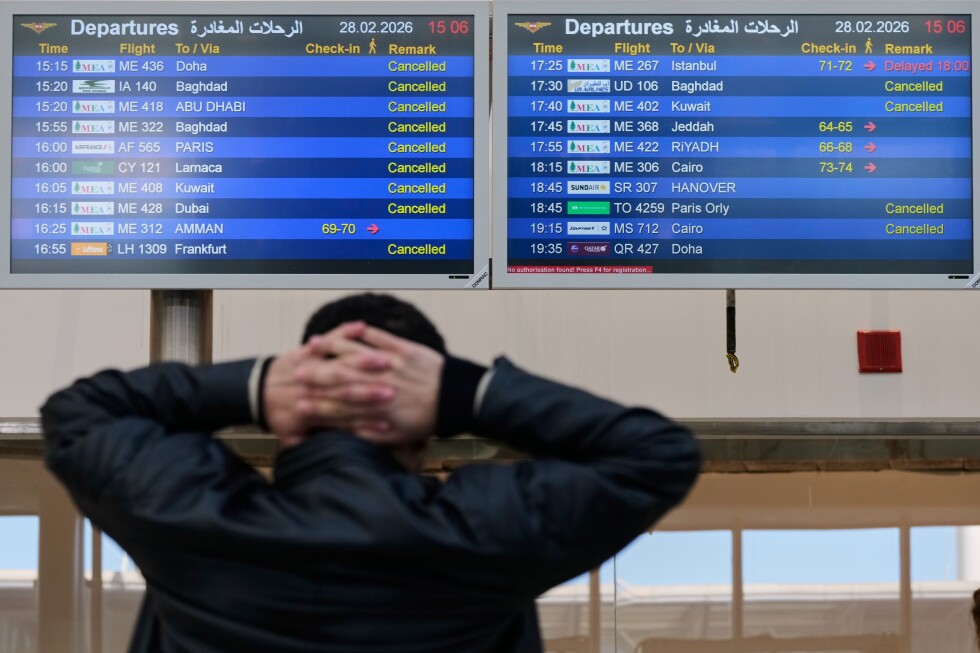
Europe defends military bases and struggles to evacuate citizens as it is drawn into the war on Iran
BRUSSELS (AP) — European nations are being reluctantly drawn into the escalating Middle East conflict between the U.S.-Israel alliance and Iran, despite having no direct involvement in initiating hostilities. The continent now finds itself compelled to implement defensive measures to safeguard military installations and coordinate evacuation operations for thousands of citizens trapped in conflict zones.
The strategic importance of the Middle East to European interests cannot be overstated. The region serves as a critical trading partner and contains vital maritime routes essential for global commerce. Significant European populations reside in cities including Beirut, Dubai, and Jerusalem, while substantial Middle Eastern communities have established roots across European nations. This deep interconnection means European countries inevitably face consequences from a conflict they did not authorize.
Britain, France, and Germany have declared their intention to collaborate with the United States in countering Iranian offensive capabilities, while explicitly avoiding direct combat participation. Notably, the United Kingdom has authorized American forces to utilize British military bases for operations targeting Iranian missile launch sites.
The conflict’s proximity to Europe became alarmingly evident when a Shahed-type drone—an Iranian-developed weapon previously deployed by Russia in Ukraine—struck a British air base in Cyprus, the current holder of the EU’s rotating presidency. The incident forced Cypriot officials to publicly deny involvement in the hostilities. Consequently, several European nations have heightened security at transportation hubs including airports and rail stations.
European leadership remains predominantly supportive of the U.S.-Israeli military campaign against Iran, viewing it as targeting a regime that has repeatedly arrested European citizens and challenged European economic interests. Spain emerged as a notable exception, with Prime Minister Pedro Sánchez condemning the military intervention as “unjustifiable, dangerous and outside of international law.”
Beyond immediate security concerns, Europe faces substantial economic vulnerabilities. Iran has threatened maritime traffic through the Strait of Hormuz, a critical choke point through which approximately 20% of globally traded oil passes. In response, France is deploying additional warships to reinforce Operation Aspides, the EU’s naval mission protecting commercial shipping in the Red Sea and Gulf of Aden. Discussions are underway regarding potential enhancements to the operation’s mandate and rules of engagement.
The European Union prioritizes preventing regional escalation that could trigger oil price surges and unpredictable migration patterns. EU foreign policy chief Kaja Kallas is scheduled to convene a meeting with Gulf Cooperation Council foreign ministers to reassure regional partners and coordinate diplomatic efforts. The EU remains committed to preventing Iranian nuclear weapon acquisition despite the collapse of the nuclear agreement following the U.S. withdrawal.
Regarding Iran’s political future, European officials expressed solidarity with the Iranian people’s aspirations for human rights and fundamental freedoms, while acknowledging it is premature to endorse specific leadership candidates. The EU has explicitly ruled out engagement with any leadership influenced by Iran’s Revolutionary Guard, which was recently added to the bloc’s terror list.
-
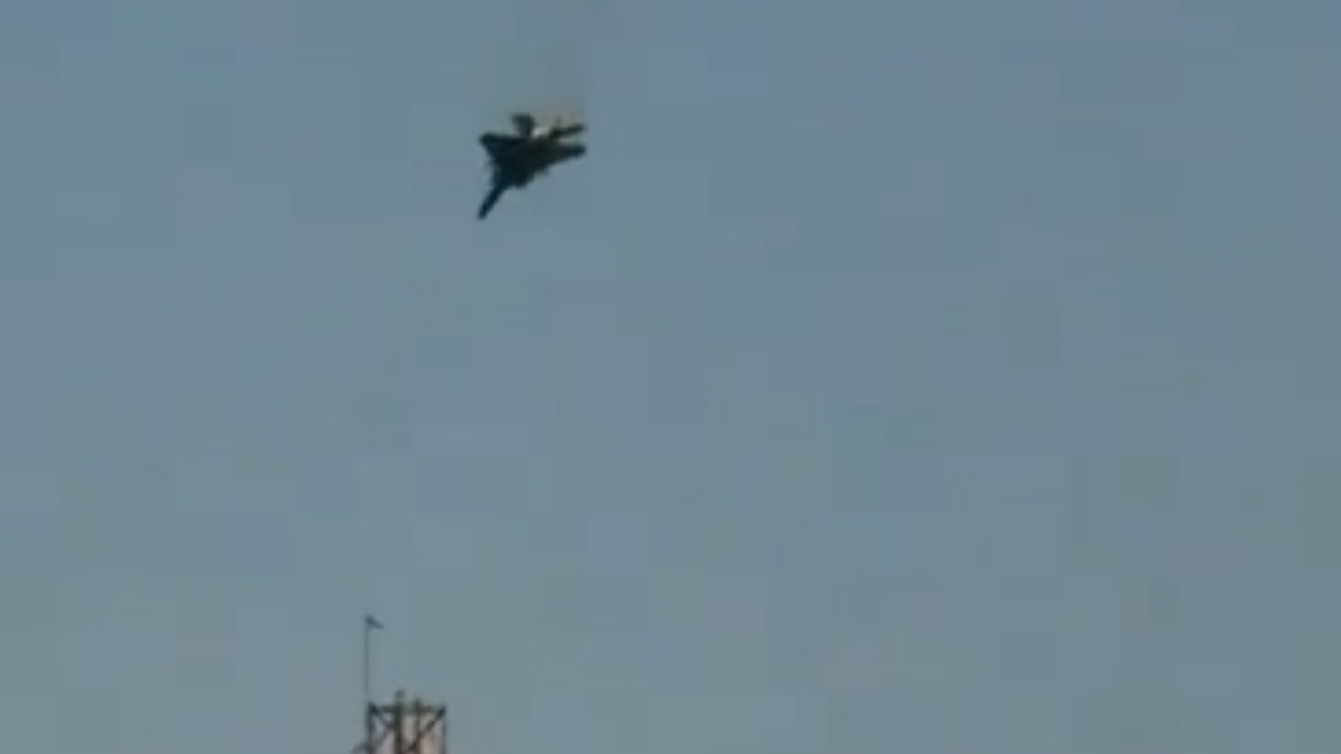
US fighter jet crashes in Kuwait
An F-15 fighter jet crashed in western Kuwait near Al Jahra on March 2, 2026, with both pilots successfully ejecting from the aircraft and surviving the incident. Preliminary reports indicate the crash occurred approximately 4.5 miles from Highway 70, though neither U.S. nor Kuwaiti authorities have immediately confirmed details about the aircraft’s origin or the nationality of its crew.
Unverified sources suggest the pilots may have been American or Israeli, but independent verification remains unavailable. Video evidence geolocated by open-source investigators shows one pilot descending by parachute near the crash site, confirming the ejection sequence was successfully activated.
The incident occurs against a backdrop of heightened military activity throughout the Gulf region. Earlier the same day, Kuwait’s Air Defense Force reported intercepting multiple ‘hostile’ drones approaching areas near the capital city. Brigadier General Mohammad al-Mansouri stated that defense personnel neutralized a majority of these drones in the Salwa and Hawally districts.
These developments follow joint U.S.-Israeli strikes against Iranian targets that resulted in the death of Supreme Leader Ayatollah Ali Khamenei and several senior Iranian military figures, including IRGC commander Mohammad Pakpour and Defense Minister Aziz Nasirzadeh. Iran has vowed retaliation and continues launching missile and drone attacks against Israeli and U.S. assets throughout the region.
European powers have entered the fray, with France, Germany, and the United Kingdom expressing readiness to protect their interests and those of Gulf allies through defensive measures. The UK has specifically authorized the U.S. to utilize British bases for targeting Iranian missile sites ‘at source,’ though British forces have not participated directly in offensive operations against Iran.
Regional analysts warn that prolonged conflict may push Gulf Cooperation Council states toward closer alignment with U.S. military objectives. Firas Maksad of Eurasia Group noted that ‘Iran is forcing the GCC up the escalation ladder,’ potentially necessitating greater operational freedom for U.S. forces operating from regional bases. UAE Minister of State for International Cooperation Reem Al Hashimy similarly suggested potential support for U.S. operations if Iranian retaliatory strikes continue.
The cause of the F-15 crash remains undetermined, with possibilities ranging from mechanical failure to hostile action amid the complex regional conflict.
-
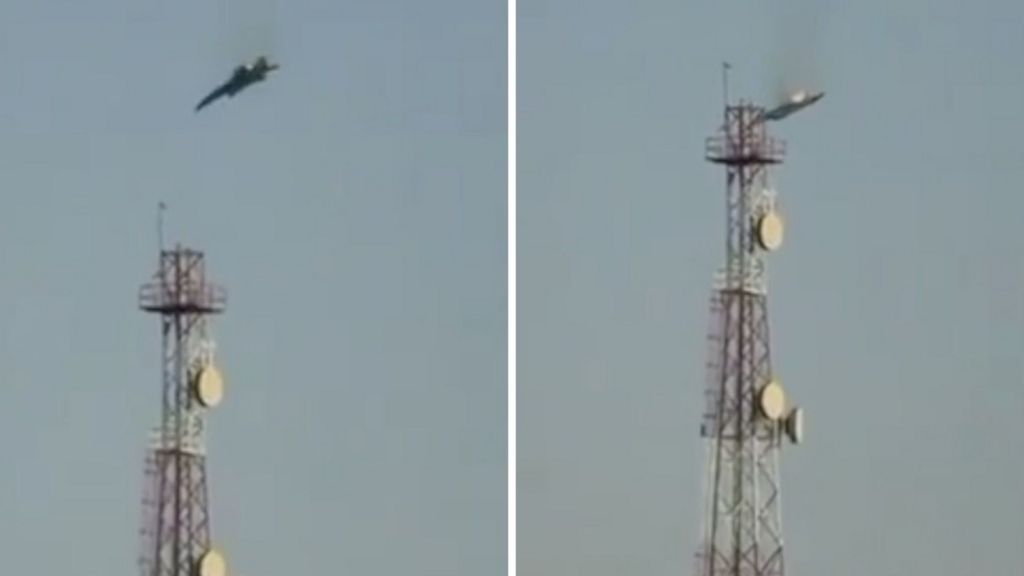
US jets shot down over Kuwait in ‘apparent friendly fire incident’, officials say
A significant friendly fire incident resulted in the downing of three US F-15 fighter jets over Kuwait on Monday, according to an announcement from US Central Command (Centcom). Preliminary reports indicate the aircraft were mistakenly engaged by Kuwaiti air defense systems during a mission in support of ongoing US-Israeli military operations against Iran. All six crew members successfully ejected and were safely recovered without life-threatening injuries. Centcom has confirmed an immediate investigation into the precise circumstances surrounding the tragic incident.
This event occurred against the backdrop of intensifying regional violence. Centcom also reported the death of a fourth US service member on Monday, who succumbed to wounds sustained during Iran’s initial retaliatory strikes. This follows the previously announced deaths of three Americans on Sunday, with five others seriously wounded in the conflict.
The joint US-Israeli operation, dubbed ‘Epic Fury’ by defense officials, commenced on Saturday with targeted strikes that resulted in the death of Iranian Supreme Leader Ayatollah Ali Khamenei and other senior Iranian figures. During a press conference, Defense Secretary Pete Hegseth characterized the operation not as ‘regime change’ but stated the regime had ‘surely changed and the world is better off for it.’
Regional conflict continues to escalate dramatically. The Iranian Red Crescent Society reported 555 fatalities across more than 130 Iranian cities. Meanwhile, hostilities expanded into Lebanon, where Israeli strikes on Beirut and southern targets, purportedly against Hezbollah, killed at least 31 people and injured 149 according to Lebanon’s health ministry. Retaliatory missile strikes on the Israeli city of Beit Shemesh killed at least nine. Apparent Iranian strikes were also reported in Bahrain, Dubai, and a Saudi oil refinery was set ablaze.
Amid the turmoil, diplomatic prospects appear bleak. President Trump, who had previously warned of potential American casualties, suggested in interviews that joint strikes with Israel could continue for weeks. Iran has firmly denied Trump’s suggestions that it is prepared to enter into fresh negotiations with the United States.
-
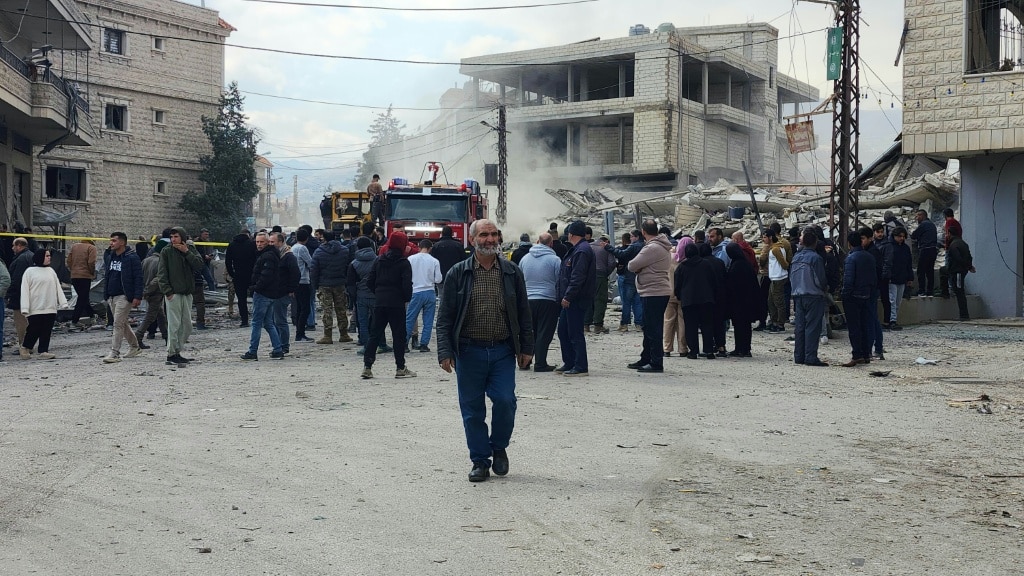
Iran war spreads with strikes across Middle East and beyond
The Middle East has descended into a rapidly expanding military conflict, with violence spreading across the region and beyond following the targeted killing of Iran’s Supreme Leader Ayatollah Ali Khamenei. For three consecutive days, joint U.S.-Israeli operations have continued striking targets within Tehran, while multiple fronts have opened throughout the region.
The conflict has drawn in numerous state and non-state actors, with Lebanon’s Hezbollah launching rocket attacks against Israel, prompting Israeli airstrikes across Lebanon. The Israeli Defense Minister issued stark warnings to Hezbollah leadership, vowing to eliminate them following the same path as Khamenei. In response, Lebanon’s government announced an immediate ban on all Hezbollah military activities, declaring them illegal.
Critical infrastructure throughout the Gulf region has been severely impacted, with a Saudi oil refinery set ablaze, Qatar halting its liquefied natural gas production, and multiple tankers attacked near the Strait of Hormuz. The strategic waterway, crucial for global oil transit, has become a flashpoint as Iran had previously warned vessels against crossing.
The conflict has reached European territory with an Iranian drone striking a UK air force base in Akrotiri, Cyprus, prompting evacuations and resulting in Greece deploying naval frigates and fighter jets to protect its EU partner nation.
In a tragic incident of friendly fire, three U.S. F-15E Strike Eagle jets were mistakenly shot down by Kuwaiti air defenses during active combat operations. The pilots and gunners survived the incident according to CENTCOM statements.
Communication within Iran has been severely restricted, with internet services down for over 48 hours according to NetBlocks monitoring organization. World leaders have offered mixed reactions to the escalating conflict, which began just two days after Iran and the United States had held negotiations regarding Tehran’s nuclear program.
-
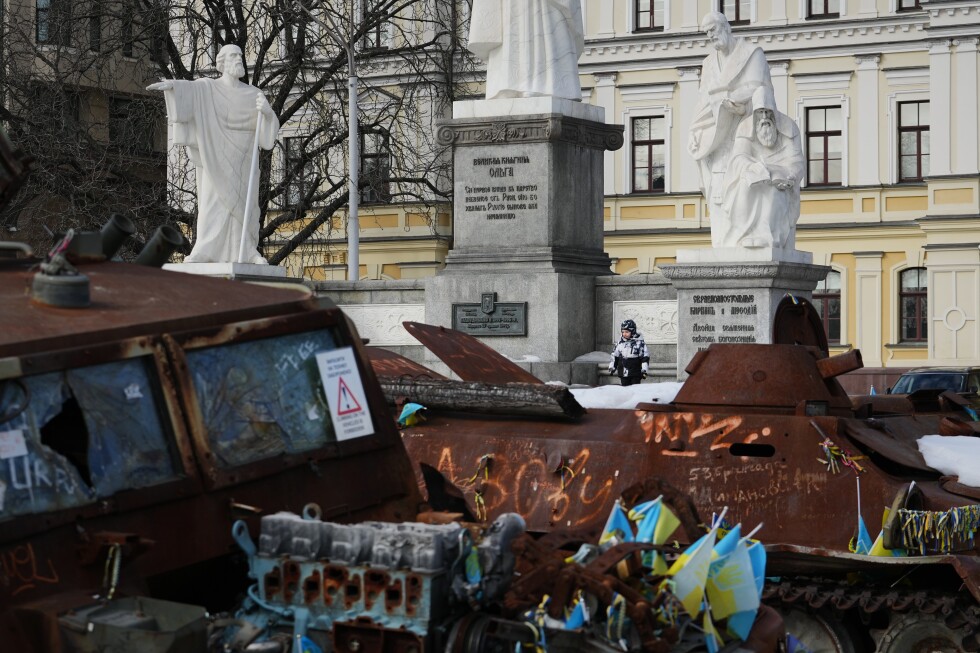
Russia-Ukraine talks planned for Abu Dhabi this week may change venue, Zelenskyy says
Ukrainian President Volodymyr Zelenskyy indicated on Monday that planned U.S.-mediated negotiations between Russia and Ukraine could be relocated from Abu Dhabi to alternative European venues such as Switzerland or Turkey. This potential shift stems from logistical complications arising from the ongoing Middle East conflict.
Despite geopolitical tensions diverting international attention, Zelenskyy affirmed that Western military support to Ukraine remains uninterrupted. Specifically, he confirmed continued deliveries of critical air defense systems, including American-made Patriot missiles, which have proven vital in countering Russian aerial assaults.
The diplomatic efforts, spearheaded by the United States, persist in seeking resolution to the conflict that began with Russia’s February 2022 invasion. However, recent escalations involving U.S.-Israeli operations against Iran and subsequent missile exchanges have introduced new complexities to the peace process.
Zelenskyy highlighted Ukraine’s successful defense against Russia’s winter campaign targeting energy infrastructure, though he acknowledged significant damage sustained. Russian tactics have now shifted toward attacking other critical infrastructure, including water supply systems.
In a related development, British Prime Minister Keir Starmer announced plans to facilitate knowledge transfer between Ukrainian drone warfare experts and Persian Gulf nations seeking to counter Iranian drone technologies. Despite this proposal, Zelenskyy noted no formal requests had been received from the UK or other nations regarding such cooperation.
-
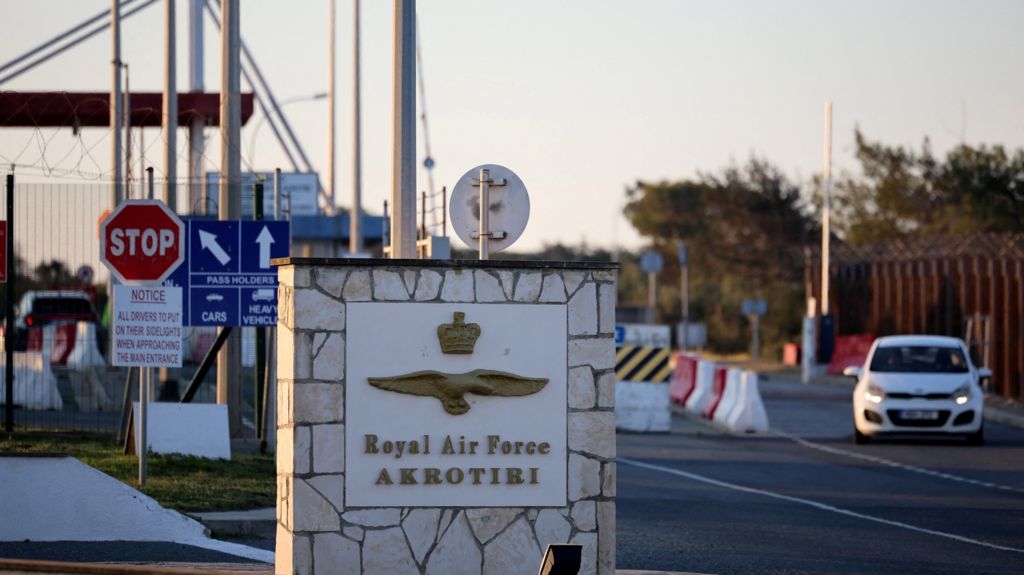
Two drones headed to RAF base intercepted, Cyprus says
Cyprus remains on heightened security alert following a series of aerial incidents targeting RAF Akrotiri, a strategic British military installation on the Mediterranean island. The escalation comes amid broader regional hostilities between Iran and Western allies.
On Monday, Cypriot authorities confirmed the successful interception of two unmanned aerial vehicles heading toward the British base. This incident occurred just hours after a separate drone struck the facility overnight Sunday, causing minimal damage but no casualties.
The base implemented emergency protocols, instructing personnel to shelter away from windows and behind furniture as warning sirens sounded throughout the area. The UK Ministry of Defence initiated precautionary measures, including relocating family members to alternative accommodation and planning the temporary dispersal of non-essential personnel.
The tension extended beyond the military base, with Paphos Airport briefly raising alarms and issuing evacuation instructions after a suspected drone was spotted in its airspace. The US Embassy in Cyprus subsequently issued warnings about potential drone threats in the Paphos region.
Cypriot President Nikos Christodoulides identified the Sunday attack as involving an Iranian drone, though officials emphasized that Cyprus itself was not the intended target. This assessment was corroborated by UK Prime Minister Sir Keir Starmer during a phone call with the Cypriot leader.
The incidents form part of a broader regional confrontation that began on Saturday when US and Israeli forces launched massive strikes against Iranian leadership and military targets, resulting in the death of Supreme Leader Ayatollah Ali Khamenei. Iran has responded with ballistic missiles and drone attacks targeting US assets and allies across the Middle East.
UK Defence Secretary John Healey expressed concern about Iranian ‘indiscriminate attacks’ endangering British troops and civilians in the region. In a significant development, an RAF Typhoon jet operating from Qatar shot down an Iranian drone during a defensive air patrol—marking the first such engagement by a UK fighter since hostilities escalated.
Prime Minister Starmer confirmed the UK had agreed to a US request to use British military bases for defensive strikes, emphasizing the decision was based on ‘collective self-defence’ of allies and protecting British lives. The BBC understands RAF Fairford in Gloucestershire and Diego Garcia in the Indian Ocean are likely staging points for US operations against Iranian missile sites.
The Cypriot government announced it would make formal representations to the UK regarding information sharing procedures during Sunday’s incident, highlighting concerns about coordination with local authorities and residents.
-
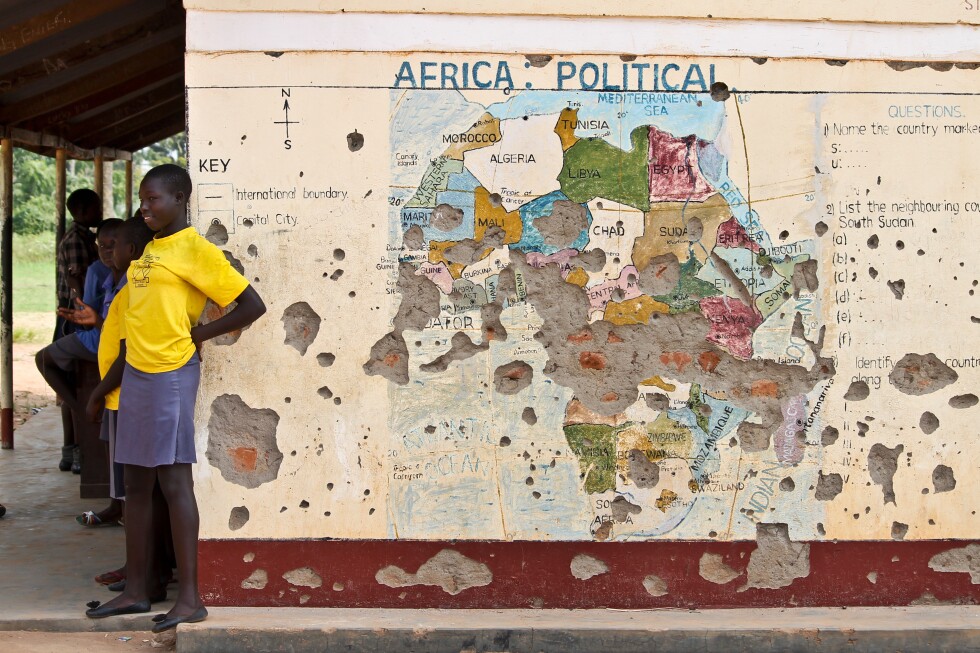
169 people killed after insurgents raid a village in a remote area of South Sudan
JUBA, South Sudan — A brutal insurgent attack on a remote village in South Sudan’s Abiemnom county has resulted in the deaths of at least 169 people, including 90 civilians, according to local authorities. The assault occurred Sunday in Ruweng administrative area, marking the latest eruption of violence threatening to plunge the nation back into full-scale civil war.
James Monyluak, information minister for Ruweng, confirmed that women and children were among the civilian casualties, alongside dozens of combatants killed in the fighting. In response to the violence, approximately 1,000 terrified residents sought refuge at a United Nations base following the attack.
The UN Mission in South Sudan (UNMISS) reported 23 wounded victims and expressed grave concern over accounts indicating “dozens of civilians and some local officials have lost their lives.” UNMISS official Anita Kiki Gbeho issued a stern warning: “Such violence places civilians at grave risk and must stop immediately. I urge all involved to cease hostilities without delay and engage in constructive dialogue to address their grievances.”
The massacre represents the escalating conflict between government forces loyal to President Salva Kiir and armed factions believed to be aligned with opposition leader Riek Machar. The attacking youths are suspected to have connections to Machar’s Sudan People’s Liberation Movement-In-Opposition faction.
This surge in violence threatens to unravel the fragile 2018 peace agreement that ended South Sudan’s five-year civil war. Machar, who served as first vice president in the unity government formed after the peace deal, currently faces house arrest in Juba on subversion charges that his supporters claim are politically motivated.
The conflict intensified dramatically in December when opposition forces captured government outposts in Jonglei county, a opposition stronghold where renewed fighting has displaced approximately 280,000 people according to UN estimates. Humanitarian organizations have raised alarms about access restrictions to opposition-controlled territories endangering civilian populations.
Despite official commitments to the peace process, the government has conducted counteroffensive operations since January employing aerial bombardments and ground assaults, further destabilizing the precarious security situation in the world’s youngest nation.
-
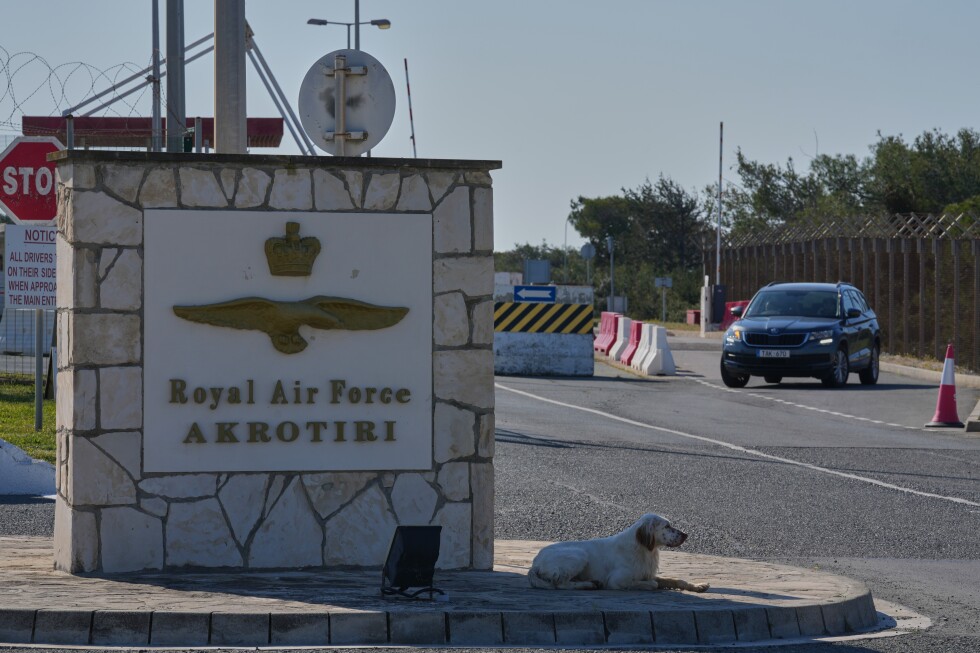
Britain says it’s not at war after a drone strikes its Akrotiri base in Cyprus
CYPRUS — The British government has emphatically declared that the United Kingdom remains in a non-belligerent status despite escalating Middle East tensions, even as Royal Air Force installations in Cyprus faced direct drone attacks and Britain authorized American forces to utilize UK bases for regional operations.
RAF Akrotiri, Britain’s pivotal Middle East operations hub, sustained a direct hit from an Iranian-manufactured drone late Sunday, marking the first time the Iran-Israel conflict has physically extended to European territory. While the strike resulted in no casualties and minimal infrastructure damage, it triggered renewed security alerts Monday as Typhoon and F-35 fighter jets scrambled in response to emerging threats.
The Cypriot government confirmed intercepting two drones headed toward the island nation, while base authorities circulated emergency alerts instructing personnel to remain indoors away from windows. The attack represents the first significant assault on Akrotiri since Libyan militants targeted the facility in 1986.
British leadership has walked a diplomatic tightrope, refusing to explicitly endorse U.S.-Israeli military actions against Iran while simultaneously permitting American forces to utilize UK bases for targeting Iranian missile launch sites. Prime Minister Keir Starmer emphasized that Britain’s bases cannot be used for strikes on political or economic targets within Iran, stating: ‘We are not joining these strikes, but we will continue with our defensive actions in the region.’
The shadow of Iraq looms large over British decision-making, with the memory of the 2003 invasion that claimed 179 British lives and thousands of Iraqi and American casualties. Middle East Minister Hamish Falconer reiterated Britain’s defensive posture while acknowledging the necessity of countering Iranian ballistic threats: ‘Iran has ballistic missiles pointed at the Gulf and it is vital that those missile launchers are taken out.’
Critics within the governing Labour Party, including MP John McDonnell, warn that Britain risks repeating the same trajectory that led to full involvement in Iraq: ‘We are being drawn in, just as we were in Iraq, following the U.S. into an incredibly dangerous situation.’
The British military has reinforced Akrotiri with additional F-35s, advanced radar systems, and counter-drone technologies in recent weeks, while relocating military families to secure accommodations as tensions continue to mount.
-

Greetings from Shanghai, echoes in New York
Shanghai has launched a sophisticated international branding campaign by illuminating New York’s iconic Times Square with a vibrant digital display on the Nasdaq MarketSite Tower screen. The visually striking presentation, characterized by its distinctive “Shanghai red” color scheme, served as a dynamic greeting to New Yorkers while strategically positioning the Chinese metropolis as a premier global destination.
The high-profile digital exhibition showcased Shanghai’s multifaceted appeal across business, culture, education, and tourism sectors. This transcontinental visual communication spanned over 12,000 kilometers, symbolizing Shanghai’s commitment to strengthening its international connections and expanding its global influence.
According to the presentation, Shanghai aims to project an image of openness, confidence, and opportunity to international audiences. The carefully orchestrated display highlighted the city’s modern infrastructure, vibrant urban life, and economic vitality, emphasizing its readiness to engage with global partners across multiple sectors.
The strategic timing of this initiative aligns with Shanghai’s ongoing efforts to enhance its status as an international hub for finance, trade, and innovation. This digital outreach represents part of a broader campaign to attract foreign investment, international talent, and global recognition as the city continues to develop its worldwide networks and partnerships.