分类: world

  • War in the Middle East: latest developments

    War in the Middle East: latest developments

    The Middle East conflict has entered a dangerous new phase with direct Israeli military strikes on the Iranian capital. Israel’s military confirmed Thursday it had “initiated large-scale strikes against Iranian terror infrastructure across Tehran,” marking a significant escalation in the ongoing regional warfare. Iranian media reported multiple explosions throughout the city, prompting activation of Iranian defense systems.

    In simultaneous developments, Iran conducted missile strikes targeting Kurdish forces in Iraqi Kurdistan, resulting in casualties among exiled Iranian Kurdish groups. The cross-border attacks followed warnings from Iranian officials about pursuing opposition groups operating beyond Iran’s borders.

    Lebanese media reported the targeted killing of senior Hamas official Wassim Atallah al-Ali and his wife in a drone strike on a Palestinian refugee camp near Tripoli. This represents the first confirmed assassination of a Hamas member since the recent escalation of US-Israeli operations against Iran.

    Diplomatic tensions intensified as Iranian Foreign Minister Abas Araghchi warned the United States would “bitterly regret” sinking an Iranian naval vessel off Sri Lanka, characterizing the action as an atrocity that established dangerous precedents in international waters.

    Australia joined the military mobilization, with Prime Minister Anthony Albanese confirming deployment of “military assets” to the region as contingency measures, reportedly including aircraft according to local media.

    Further escalating matters, Iran launched additional missile barrages toward Israel, triggering alerts across multiple regions including Tel Aviv and Jerusalem. While explosions were reported, Israeli emergency services confirmed no casualties from the latest missile attacks.

    The conflict expanded geographically with an airstrike hitting Hezbollah’s stronghold in southern Beirut following Israeli warnings to residents. Separate Israeli strikes along Beirut’s airport highway killed three people according to Lebanon’s health ministry.

    Maritime security concerns grew as UKMTO reported a “large explosion” striking a tanker off Kuwait’s coast, causing an oil spill and involving a suspicious small craft. Meanwhile, Omani forces rescued 24 crew members from a container ship struck by missiles in the strategically critical Strait of Hormuz, where Iranian forces claimed “complete control.”

    Diplomatic efforts saw China announcing special envoy deployment to mediate the crisis, leveraging Beijing’s close partnership with Tehran. Conversely, Qatar expressed anger toward Iran, with its prime minister accusing Tehran of attempting to drag neighboring states into the conflict.

    NATO air defense systems intercepted a ballistic missile launched from Iran that veered toward Turkish airspace, prompting Turkey to summon Iran’s ambassador. A Turkish official suggested the missile had been aimed at a base in Greek Cyprus before going off course.

    The US Senate rejected a bipartisan resolution to curb presidential authority to continue military strikes against Iran, while Spain denied White House claims about cooperation regarding US base usage, maintaining its opposition to involvement in the conflict.

    Canada’s Prime Minister Mark Carney declined to rule out participation in the escalating conflict, affirming that Canada would “stand by our allies” as the situation develops.
  • Iran hits Kurdish groups in Iraq as conflict widens

    Iran hits Kurdish groups in Iraq as conflict widens

    The Middle East conflict escalated dramatically on Thursday as Iran launched targeted strikes against Kurdish opposition groups in northern Iraq, while fresh explosions rocked Tehran amid expanding regional hostilities. The retaliatory actions mark a significant broadening of the war initiated by US-Israeli strikes that killed Iran’s supreme leader last Saturday.

    Iran’s Revolutionary Guards confirmed operations against what they described as ‘anti-revolutionary’ Kurdish factions based in Iraq, following explicit warnings from Iranian security officials. Ali Larijani, secretary of Iran’s Supreme National Security Council, issued a stern caution: ‘Separatist groups should not misinterpret current circumstances as opportunity for action. We will not tolerate any provocations.’

    The conflict has triggered substantial regional destabilization, with Iran simultaneously targeting US military installations across Gulf neighbors and Israel conducting operations in Lebanon. The strategic Strait of Hormuz, critical for global oil transit, has seen dramatic reduction in tanker traffic with reports indicating 90% decrease in operations according to market intelligence firm Kpler.

    Economic repercussions intensified as IMF chief Kristalina Georgieva warned the conflict would ‘test global economic resilience yet again.’ Energy markets experienced significant disruptions with tanker incidents near Kuwait and China implementing fuel export restrictions. South Korea activated a $68 billion market stabilization fund in response to growing energy shortages.

    Civilian casualties mounted across multiple fronts. Lebanese officials reported deaths in Palestinian refugee camps and drone strikes, while Iran’s IRNA news agency claimed over 1,045 military and civilian fatalities since conflict initiation—a figure that remains unverified independently. International diplomatic efforts intensified with China announcing special envoy deployment for mediation, though specific details remained undisclosed.

    The United States maintained its military engagement as the Senate rejected legislation aimed at constraining presidential authority to continue strikes, ensuring ongoing operational flexibility for US forces in the region.

  • Iranian strike kills 11-year-old Iranian in Kuwait

    Iranian strike kills 11-year-old Iranian in Kuwait

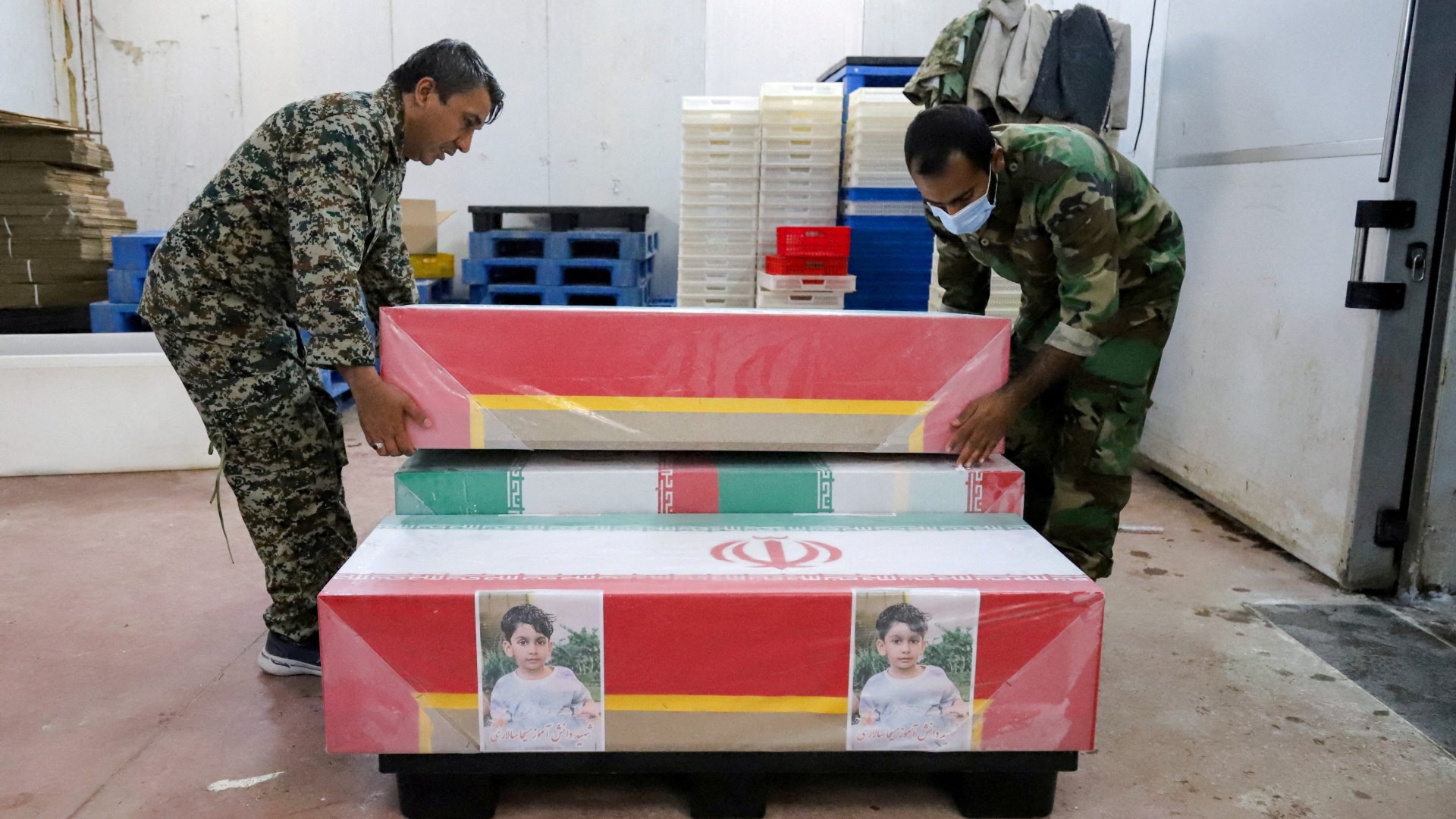
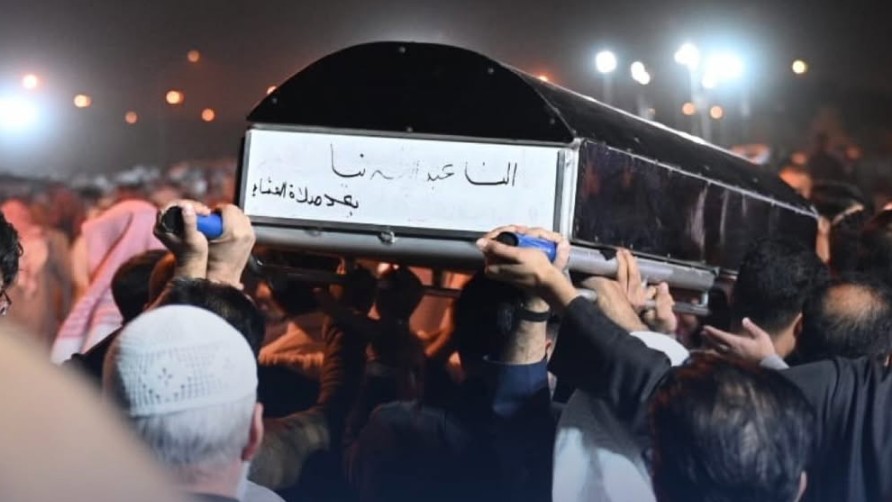
    An 11-year-old girl has become the first child casualty in Gulf nations amid escalating regional conflicts, after remnants of an Iranian rocket struck a residential building in Kuwait’s capital governorate of Al-Asimah. Alna Abdullah was pronounced dead in the early hours of Wednesday following nearly 30 minutes of unsuccessful resuscitation efforts by medical teams.

    While four other family members present in the home escaped serious injury, local media described them as non-Kuwaiti nationals. Funeral footage and interviews suggest the family may be of Iranian descent, reflecting Kuwait’s complex demographic landscape where approximately 40 percent of citizens are Shia Muslims of Iranian origin.

    The tragedy occurs against a backdrop of intensified regional violence, coming just hours after Kuwait buried two military personnel killed in Iranian attacks. This week also witnessed the deaths of six American soldiers in Kuwait, which hosts three major US military bases and several smaller US-operated facilities.

    Remarkably, these attacks have fostered unexpected national unity following years of political tension. Since the emir dissolved parliament—the only elected legislative body in the Gulf—and revoked citizenship from tens of thousands over fraud allegations, approximately 16 percent of Kuwaitis have lost their citizenship status as of last month.

    The health minister recently faced online criticism after stating that none of the patients transferred to hospital following Iranian attacks were Kuwaiti nationals. This comment sparked public discourse about Kuwait’s demographic composition, where citizens constitute only about 30 percent of the population, with nearly 45 percent being South Asian nationals.

    In response to growing tensions, former national assembly speaker Marzouq al-Ghanim struck a conciliatory tone at Abdullah’s funeral, declaring that “all who live on the land of Kuwait, according to Kuwaitis, is a Kuwaiti.”

    Kuwait has formally requested both the UN Secretary General and Security Council president to condemn Iran’s “heinous” attacks, which Kuwait asserts violate its sovereignty and airspace, according to Kuwait Times reports.

  • Much of Iran’s navy has been neutralized

    Much of Iran’s navy has been neutralized

    In a devastating blow to Iran’s naval capabilities, United States forces have systematically dismantled key assets of the Islamic Republic’s Navy and Islamic Revolutionary Guard Corps naval units during Operation Epic Fury. The multi-pronged offensive has resulted in the confirmed destruction or severe damage of at least 20 Iranian vessels, marking one of the most significant naval engagements in recent history.

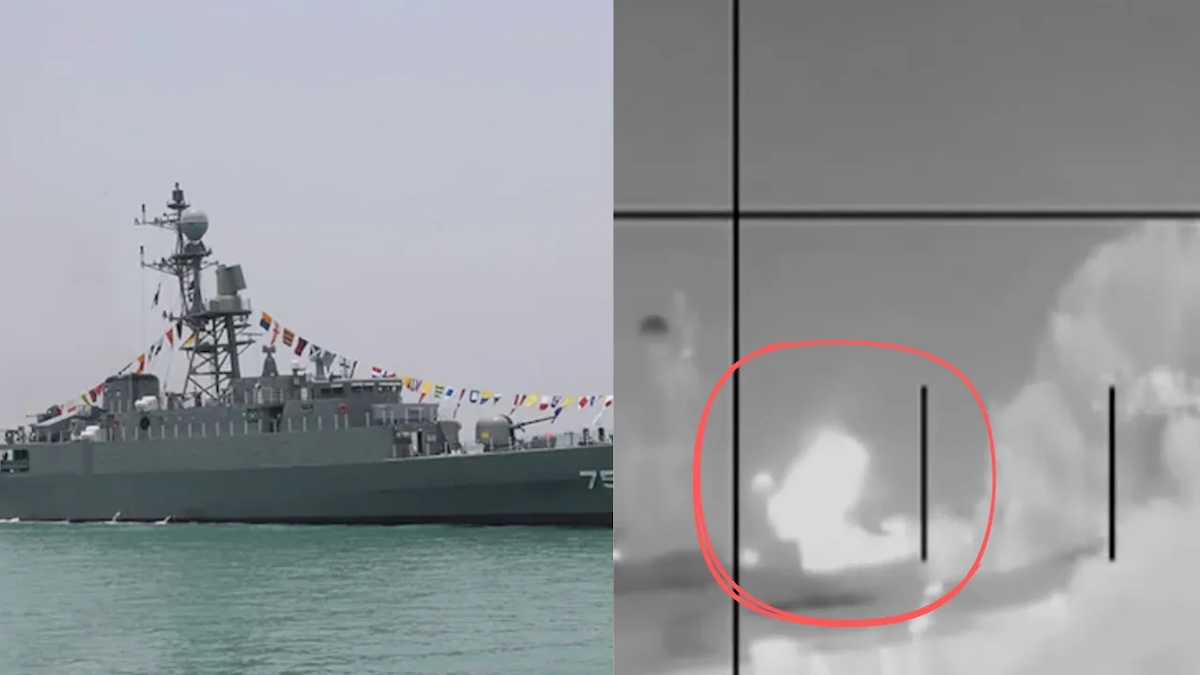
    According to confirmed reports from the Pentagon and statements by War Secretary Pete Hegseth, the IRIS Dana, a Moudge-class corvette from Iran’s Southern Fleet, was sunk by a single Mark 48 ADCAP torpedo fired from a US submarine near Sri Lankan waters. The vessel, named after Mount Dena, carried approximately 140 crew members, with casualty numbers remaining uncertain as rescue operations were undertaken by the Sri Lankan navy.

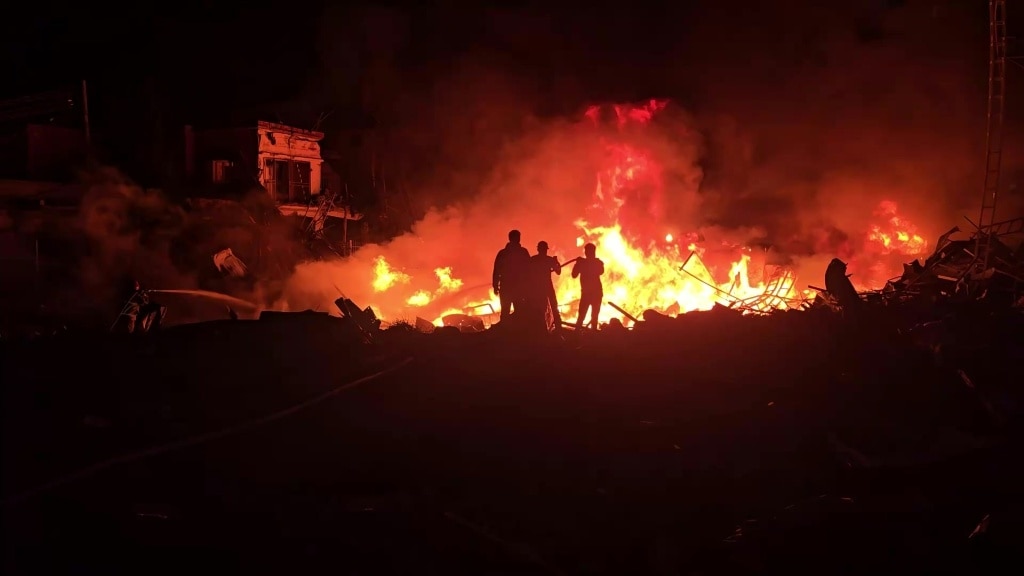
    Simultaneously, satellite imagery and social media footage confirmed the Shahid Soleimani-class corvette Shahid Sayyad Shirazi engulfed in flames near Bandar Abbas port following precision US strikes. The lead ship Shahid Soleimani and its sister vessel Shahid Hassan Bagheri were also confirmed destroyed during the operation.

    The devastation extended across Iran’s naval hierarchy, with the drone carrier Shahid Bagheri severely damaged or sunk within the initial hours of combat. A Jamaran-class corvette was confirmed by US Central Command to be “sinking to the bottom of the Gulf of Oman” at Chahbahar pier on March 1, 2026. The IRINS Makran, a massive converted tanker serving as a mobile forward base, was documented ablaze at its berth in Bandar Abbas through satellite imagery from March 2.

    Admiral Brad Cooper, CENTCOM commander, revealed that hundreds of small craft—the backbone of Iran’s asymmetric naval strategy—were targeted at their moorings in Bandar Abbas, Bushehr, and Assaluyeh. Iran’s submarine fleet suffered equally catastrophic losses, with a Fateh-class coastal submarine rendered inoperable after sustaining direct damage near Bandar Abbas. Multiple Ghadir-class midget submarines were among the 17 vessels confirmed destroyed during the initial 100 hours of operations.

    Heavy strikes involving B-2 stealth bombers and Tomahawk missiles targeted submarine pens at Bandar Abbas, potentially trapping or disabling Iran’s three Russian-built Kilo-class submarines (Taregh, Nooh, and Yunes) through infrastructure destruction despite ongoing damage assessment.

    The scale of destruction recalls historical naval defeats, though Iranian officials have yet to issue a comprehensive statement regarding the losses. Military analysts suggest this operation represents a fundamental reshaping of naval power dynamics in the Persian Gulf and surrounding waters.

  • Israel keeps up Lebanon strikes as ground forces advance

    Israel keeps up Lebanon strikes as ground forces advance

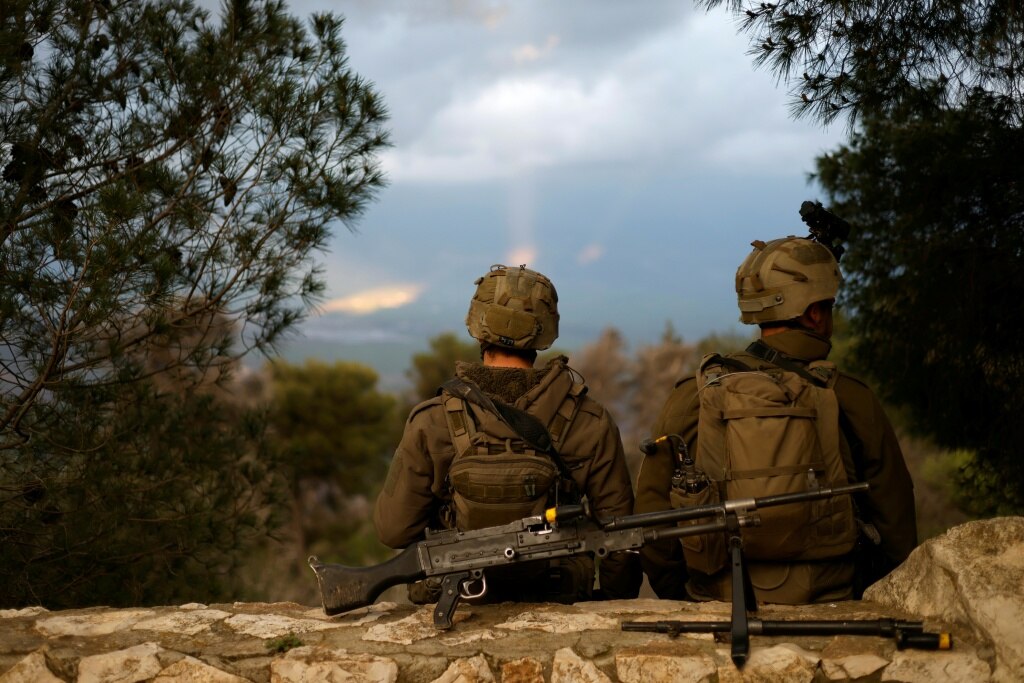
    Israeli military operations in Lebanon have escalated into their fourth consecutive day, with ground forces advancing deeper into border territories while conducting sustained aerial bombardments targeting Hezbollah strongholds. The Iran-backed militant group has vowed to intensify its resistance against what it characterizes as existential aggression.

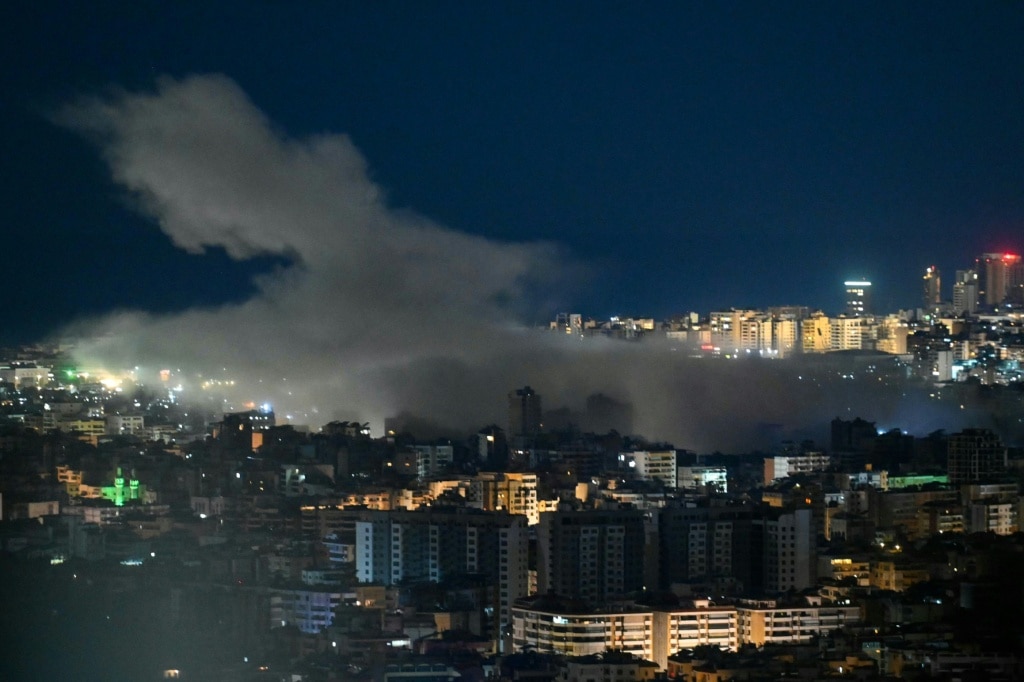
    Recent developments indicate a significant expansion of hostilities beyond traditional conflict zones. AFPTV footage captured substantial smoke plumes rising from southern Beirut following early Thursday strikes, while Israeli tanks were observed operating within residential areas of Khiam, approximately six kilometers north of the Israeli border. The Israeli military had previously issued evacuation warnings for specific Beirut suburbs prior to these operations.

    Hezbollah’s leadership, through deputy secretary-general Naim Qassem, has declared an unwavering commitment to continued confrontation. “We are facing aggression… our choice is to confront it until the ultimate sacrifice, and we will not surrender,” Qassem stated in his first address since hostilities resumed. The group claims to have executed at least fifteen attacks targeting Israeli positions, including areas as distant as Tel Aviv.

    The human cost continues to mount dramatically. Lebanese authorities report at least 72 fatalities, 437 injuries, and approximately 83,000 displaced persons since Monday. Israel’s military has issued evacuation directives for residents south of Lebanon’s Litani River, encompassing a substantial territory extending roughly 30 kilometers north of the border, indicating potential further military action.

    Notably, the conflict has expanded beyond Hezbollah’s traditional spheres of influence. Strikes hit the predominantly Christian Hazmieh suburb near Beirut’s presidential palace and diplomatic missions, marking the first reported Israeli attack in this area. Additional bombardments affected Aramoun and Saadiyat regions south of Beirut, with the health ministry confirming at least six casualties.

    The United Nations Interim Force in Lebanon (UNIFIL) has documented Israeli military movements within Lebanese territory, characterizing these actions as violations of national sovereignty and territorial integrity. This development occurs despite the established truce agreement that permits only UN peacekeepers and the Lebanese army to operate armed south of the Litani River.

    Israel’s military justification centers on creating a protective buffer zone inside Lebanon to safeguard Israeli civilians, deploying infantry, armored, and engineering units across southern Lebanese territories. Meanwhile, Hezbollah forces report engaging in direct clashes with Israeli troops, resulting in moderate injuries to two Israeli soldiers from anti-tank fire.

  • Exclusive: Iranian girls killed by ‘double-tap’ strikes on Minab school

    Exclusive: Iranian girls killed by ‘double-tap’ strikes on Minab school

    A horrific attack on Shajareh Tayyebeh girls’ school in Minab, southern Iran, has resulted in the deaths of 165 individuals, predominantly girls aged 7-12, according to local officials. Multiple firsthand accounts from first responders and grieving parents describe a ‘double-tap’ strike pattern, with a second missile deliberately targeting survivors and rescue personnel.

    Eyewitness accounts from Red Crescent medics reveal a devastating sequence of events. Following an initial explosion, school administrators moved students to a prayer hall for safety and contacted parents for evacuation. The second strike then targeted this exact shelter area, resulting in catastrophic casualties. Approximately 170 students were present during the Saturday morning attack, which coincided with broader US-Israeli military operations against Iranian targets.

    The attack’s aftermath revealed scenes of utter destruction. A Red Crescent medic described encountering ‘bodies without heads, without hands, without legs,’ with dozens of severed limbs scattered throughout the school grounds. The devastation was so severe that 69 victims remain unidentified, requiring DNA testing for proper identification. Some parents could only recognize their children through personal effects such as gold bracelets or school bags.

    Rohollah, father of a slain student, recounted receiving a call from the school after the first strike. His daughter had survived the initial explosion only to be killed in the second attack while sheltering in the prayer hall. ‘We could only identify her from her school bag, which she was still holding. She was completely burned,’ he told Middle East Eye.

    The term ‘double-tap strike’ describes a military tactic considered a war crime under international law, previously documented in conflicts involving US and Israeli forces. Social media videos from Tehran and other locations suggest similar attack patterns occurring throughout Iran during recent hostilities.

    While some misinformation circulated suggesting Iranian forces bombed the school, this has been conclusively debunked. Satellite imagery confirms separate strikes on Islamic Revolutionary Guard Corps (IRGC) facilities approximately 200 meters from the school, but analysis indicates these could not have caused the catastrophic damage sustained by the educational facility.

    The international community has responded with outrage. A UN panel of experts has labeled the school attack ‘deeply disturbing’ and demanded investigation. Iran’s UN ambassador has formally characterized the incident as ‘unjustifiable’ and ‘criminal’ in communications to human rights officials. Both US and Israeli authorities have acknowledged they are investigating the incident but have not responded to specific allegations regarding the double-tap strike pattern.

  • US shifting from precision munitions to 2,000-pound bombs in Iran war, Hegseth says

    US shifting from precision munitions to 2,000-pound bombs in Iran war, Hegseth says

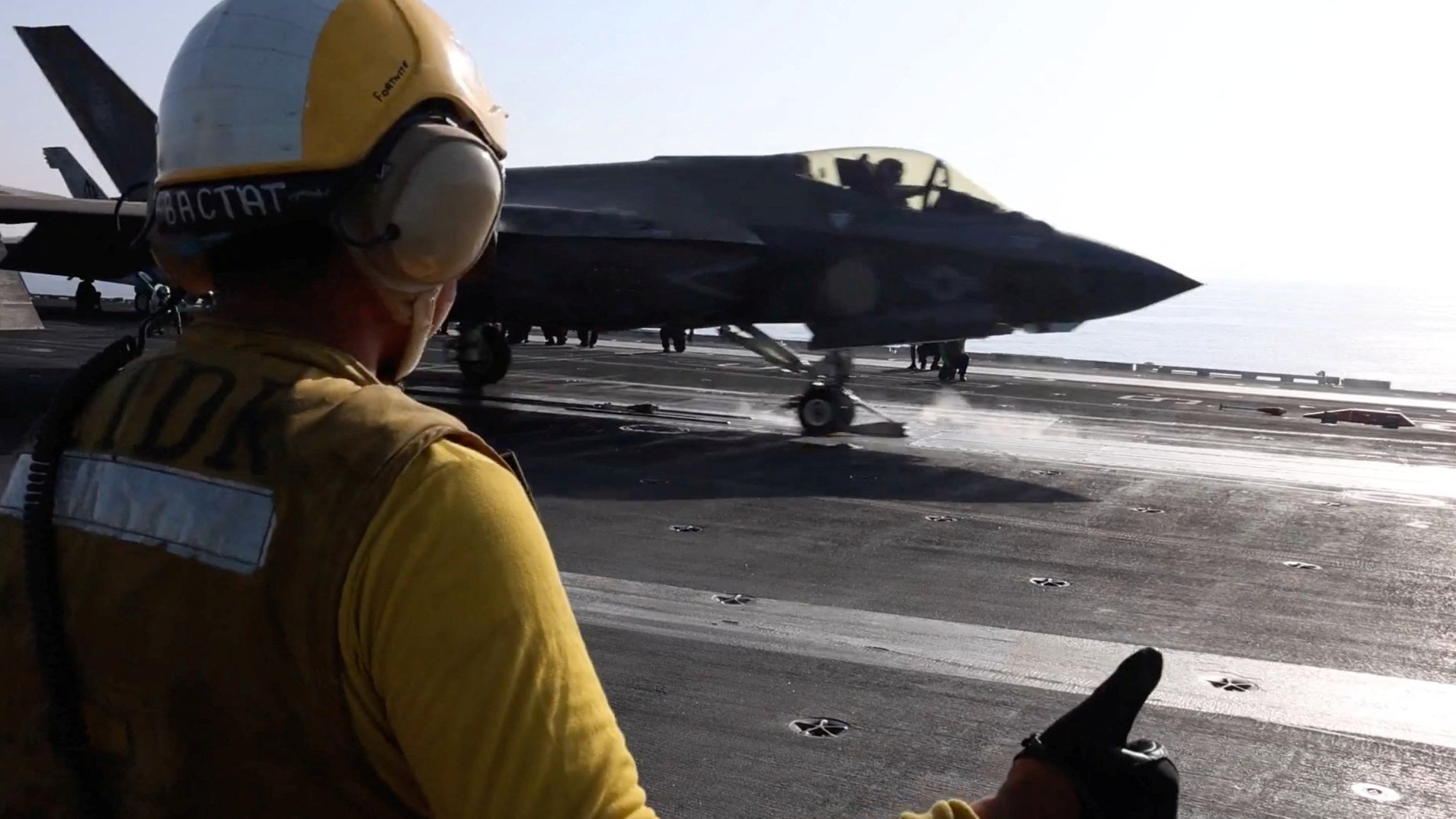
    The United States is transitioning to extensive deployment of conventional gravity bombs following assessments indicating significant degradation of Iranian air defense capabilities, according to US Secretary of War Pete Hegseth’s Wednesday announcement.

    This strategic shift comes as Washington confronts dwindling precision weapon inventories while maintaining aerial superiority over Iranian airspace. The new operational approach will utilize 500-pound, 1,000-pound, and 2,000-pound GPS and laser-guided bombs from what Hegseth described as a ‘nearly unlimited stockpile.’

    The decision marks a substantial tactical departure from previous reliance on sophisticated standoff munitions including cruise missiles and short-range ballistic missiles. While these advanced systems minimized pilot exposure to enemy defenses, their production demands greater time and financial resources compared to conventional gravity bombs.

    This development follows Middle East Eye’s exclusive reporting that Iran secured Chinese surface-to-air defense systems after the June 2025 US attacks on Iranian nuclear facilities. Despite US claims of complete air dominance, recent incidents suggest lingering Iranian capabilities—including Wednesday’s engagement where an Israeli F-35 reportedly shot down a Russian-made Yak-130 trainer aircraft operated by Iranian forces.

    Military analysts note the bomb strategy serves dual purposes: preserving precision missile inventories while leveraging cheaper alternatives made viable by suppressed air defenses. However, regional allies face growing concerns regarding interceptor shortages as Gulf states exhaust expensive air defense systems protecting urban centers against Iranian retaliation.

    The Pentagon faces global interceptor shortages, leaving Gulf partners awaiting replenishment while Iran simultaneously conserves its advanced ballistic missiles through increased deployment of lower-cost Shahed drones.

  • Israeli security forces believe Iran government ‘not close to collapse’

    Israeli security forces believe Iran government ‘not close to collapse’

    Israeli security officials have concluded that Iran’s ruling establishment remains functionally intact and shows no immediate signs of collapse despite sustaining substantial losses from coordinated US-Israeli military strikes, according to a report by Walla news. A military source within Israeli security forces indicated that Iranian authorities have adapted strategies based on lessons learned during the June 2025 conflict with Israel. While acknowledging Tehran’s military capabilities operate at a ‘moderate to weak’ level with evident operational confusion and significant challenges, the source emphasized that Iran maintains sufficient operational continuity and possesses ready replacements for any eliminated figures. The assessment notes Iran has encountered substantial difficulties in directing precision missile attacks against Israeli targets, resulting in a strategic shift toward increased attacks on Arab Gulf nations. This evaluation emerges amid conflicting statements from US and Israeli leadership regarding ultimate war objectives. President Donald Trump reiterated his administration’s commitment to preventing a nuclear-armed Iran while explicitly encouraging citizens to overthrow their government. Israeli Prime Minister Benjamin Netanyahu echoed similar sentiments predicting a ‘quick and decisive’ action to enable democratic government transition. Conversely, US Defense Secretary Pete Hegseth contradicted this narrative, denying regime change constitutes official war policy. Military officials confirmed approximately 3,500 combined strikes against Iranian targets, while Tel Aviv University’s Institute for National Security Studies reported Iran launched approximately 200 ballistic missiles and 100 drones toward Israel across 123 attack waves, alongside significantly larger deployments—500 ballistic missiles and 2,000 drones—targeting Gulf Arab states, particularly the UAE, indicating Tehran prioritizes regional neighbors despite identifying Israel as its primary adversary.

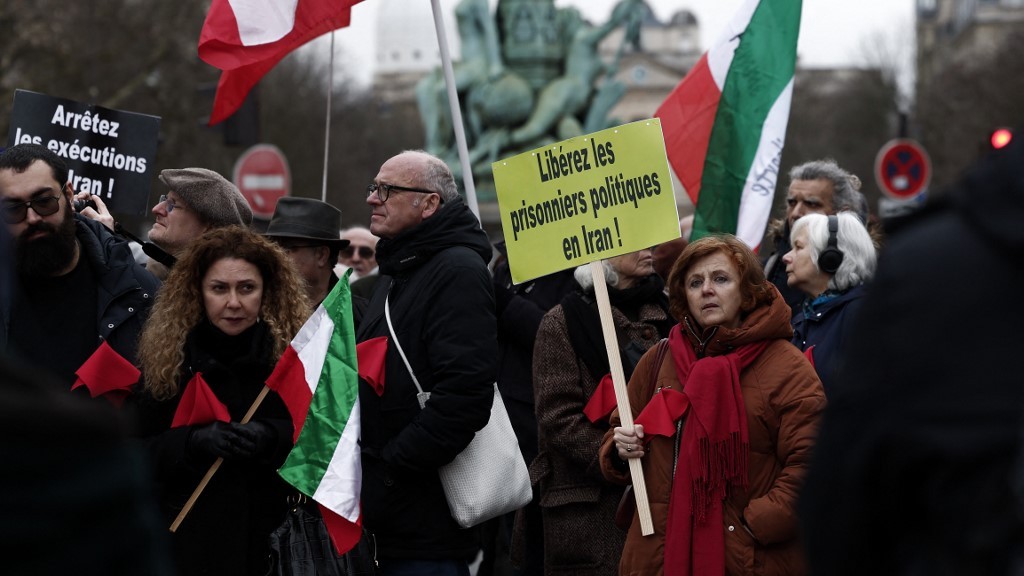
  • Families of Iranian political prisoners fearful of bombs, illness and secret executions

    Families of Iranian political prisoners fearful of bombs, illness and secret executions

    Amid ongoing US-Israeli airstrikes targeting Iranian military installations, grave concerns are mounting for the safety of political prisoners detained across the Islamic Republic. Multiple detention facilities, including the infamous Evin Prison in Tehran, are situated perilously close to military bases and Revolutionary Guards (IRGC) compounds, placing inmates directly in the line of fire.

    The collateral damage extends beyond immediate bombardment risks to include severe shortages of food, water, and medical supplies. Families express additional terror that authorities might exploit the wartime chaos to carry out unreported executions, echoing the 1988 mass killings during the Iran-Iraq conflict.

    Case studies highlight the desperation: The families of Jaber and Mokhtar Alboshoka, Ahwazi Arab cultural rights activists serving life sentences since 2011, have lost contact amid the attacks. Their cousin Kamil, based in London, articulated the dual fear of neglect and covert executions, noting that Sheiban Prison—where Jaber is held—adjoints an IRGC base making it particularly vulnerable.

    Prison conditions, already critical before the conflict, have deteriorated dramatically. The Narges Mohammedi Foundation reports dwindling medical access and food shortages in facilities from Qezel-Hesar to Lakan Prison. Kiana Rahmani, daughter of imprisoned rights campaigner Narges Mohammedi, pleaded for international attention, stating prisoners are ‘trapped between regime brutality and the thunder of explosions.’

    Former inmates confirm catastrophic overcrowding and health crises, with influenza spreading among 4,000 inmates at Sheiban Prison serviced by a single doctor. Minority groups, including Ahwazi Arabs and Kurds, face particular vulnerability, with both US and Israeli leaders attempting to leverage their grievances for geopolitical aims.

    The Kurdish women’s group KJAR expressed skepticism about Western intervention bringing genuine democracy, noting intensified security measures and worsening conditions. With civilian casualties from bombardment already exceeding 1,000, families of political prisoners fight to keep their loved ones from becoming forgotten casualties of war.

  • The devastating conflict where both sides have reasons to keep fighting

    The devastating conflict where both sides have reasons to keep fighting

    A Sudan Airways jet touched down at Khartoum International Airport on February 1, 2026, marking only the second commercial arrival since 2023. The 160 passengers erupted in celebration—hugging, cheering, and capturing selfies—as they stepped onto the tarmac of a capital city shattered by nearly three years of civil war. This symbolic moment occurred just weeks after Prime Minister Kamil Idris declared 2026 would be “the year of peace,” with the military-led government announcing its return to Khartoum.

    The scene contrasts starkly with the reality witnessed by BBC reporters months earlier. The airport terminal showed extensive damage, with unexploded munitions littering runways days after the Sudanese army recaptured it from the paramilitary Rapid Support Forces (RSF). Khartoum remains the epicenter of a conflict that erupted in April 2023, transforming government districts into blackened shells and forcing the administration to relocate to Port Sudan on the Red Sea.

    The devastation extends throughout the capital: ministries, banks, and office blocks stand burned and hollowed. The presidential palace remains too damaged for use, while the British embassy bears pockmarked bulletproof glass testimony to intense firefights. The UN describes Sudan as plunged into “an abyss of unfathomable proportions,” with widespread destruction, famine, and human rights violations affecting millions.

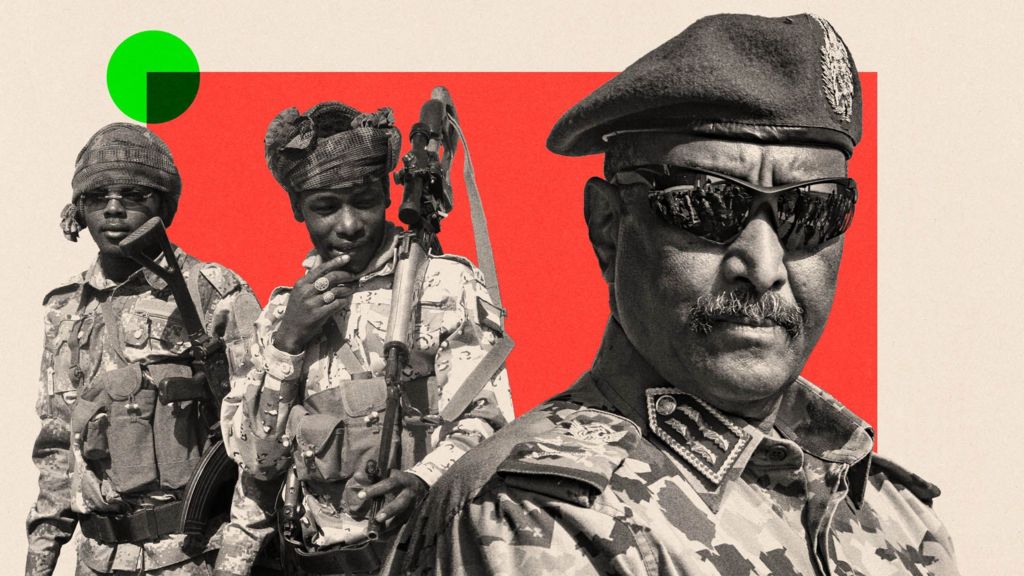
    This conflict represents a fundamental power struggle between the Sudanese Armed Forces (SAF) and the RSF—a paramilitary force originally created by ousted dictator Omar al-Bashir as his personal guard. Following Bashir’s 2019 removal, tensions between RSF leader Gen Mohamed Hamdan Dagalo (Hemedti) and army chief Gen Abdel Fattah al-Burhan erupted into full-scale warfare.

    The war has weaponized longstanding ethnic divisions, particularly between nomadic Arabs from the south and west (core RSF supporters) and Nile Valley Arabs from urban areas (traditional ruling class). In Darfur, RSF Arab militias have committed atrocities against non-Arab populations that UN experts say show “hallmarks” of genocide.

    International dimensions complicate the conflict further. Documented evidence suggests the United Arab Emirates supplies weapons to the RSF—a claim Abu Dhabi officially denies. Meanwhile, Sudan’s military employs Turkish and Iranian drones while receiving backing from Egypt, Qatar, and Saudi Arabia.

    Diplomatic efforts led by the Quad nations (US, Saudi Arabia, UAE, and Egypt) face significant obstacles. While the RSF has verbally accepted a peace roadmap beginning with a humanitarian truce, neither side has formally responded, and fighting has intensified rather than diminished. Army chief Burhan insists he cannot agree to any plan unless the RSF accepts surrender conditions.

    The conflict has created the world’s worst humanitarian crisis, with 25 million facing acute food shortages and 12 million displaced. Analysts fear even a ceasefire would be temporary without addressing fundamental issues: the military’s economic control, representation for marginalized regions, and accountability for widespread atrocities.

    With both sides viewing the conflict as existential and foreign powers continuing their support, many experts predict a prolonged war. Some officials compare the situation to America’s 20-year conflict in Afghanistan, while analysts warn of potential “balkanization” of Sudan if fighting continues for another decade or more—a scenario with devastating implications for the entire region.