分类: world

  • Two more candidates nominated for next UN secretary-general

    Two more candidates nominated for next UN secretary-general

    The campaign for the next United Nations Secretary-General has gained significant momentum with the formal nomination of two additional high-profile candidates. Official documents published on the website of the UN General Assembly President confirmed the new entrants to what is becoming a competitive international leadership contest.

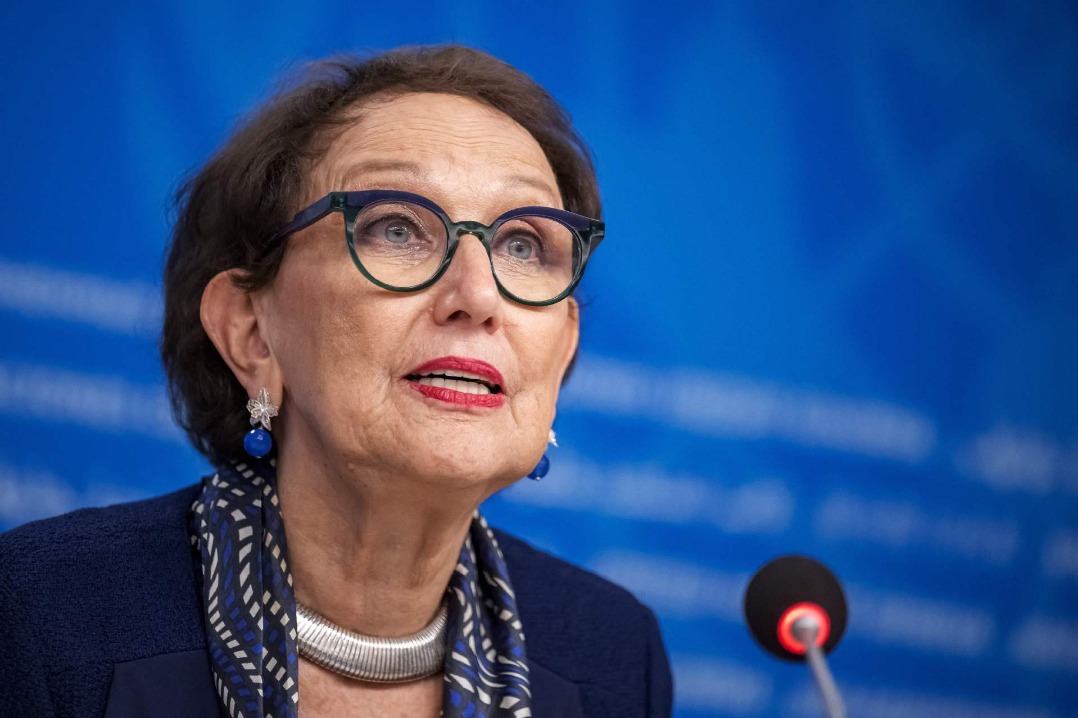
    Burundi, representing the African Union in its current chair capacity, has nominated Macky Sall, the former President of Senegal. Simultaneously, Costa Rica has presented Rebeca Grynspan, an accomplished economist and former Vice President of the Central American nation, as its candidate for the prestigious position.

    These nominations expand the field to four declared candidates seeking to succeed the current Secretary-General. The previously announced contenders include Michelle Bachelet, former President of Chile nominated jointly by Chile, Brazil and Mexico, and Rafael Grossi, the sitting Director General of the International Atomic Energy Agency, who received Argentina’s endorsement.

    In a significant development, UN General Assembly President Annalena Baerbock has circulated a detailed communication to member states outlining the procedural framework for candidate assessments. The interactive dialogues with aspiring candidates are scheduled for the week of April 20, 2026, according to the official correspondence.

    The evaluation process will be structured around the three foundational pillars of the United Nations: international peace and security, human rights protection, and sustainable development. Each candidate will present their strategic vision for the organization’s future direction, followed by an extensive question-and-answer session with representatives from member states.

    The presidential letter additionally established a firm nomination deadline, requiring all candidacies to be formally submitted before the interactive dialogues commence, with April 1, 2026 serving as the absolute cutoff for eligibility participation in the evaluation process.

  • ‘We got home!’ – Relief for Dubai passengers

    ‘We got home!’ – Relief for Dubai passengers

    Commercial air travel between Dubai and European destinations resumed operations Wednesday evening as Emirates flight EK0161 touched down at Dublin Airport. This arrival marked the first scheduled service from the UAE to Ireland following a multi-day suspension of flights due to regional security concerns.

    The flight suspension period coincided with heightened military tensions between the United States, Israel, and Iran. Aviation authorities had implemented temporary airspace restrictions over several Middle Eastern countries as a precautionary measure following targeted strikes against Iranian military installations.

    Passengers aboard the arriving aircraft expressed visible relief upon disembarking in Dublin. Travel documentation checks proceeded with standard security protocols, though airport officials reported no exceptional security measures beyond enhanced vigilance.

    Aviation experts confirm that the resumption of Dubai-Dublin service indicates a gradual normalization of air traffic patterns across the region. Airlines are currently implementing contingency plans to accommodate passengers affected by previous flight cancellations, with additional aircraft being deployed to clear backlogged routes.

    The International Air Transport Association issued a statement acknowledging the challenges faced by carriers during the disruption while emphasizing the industry’s commitment to passenger safety as the paramount concern in operational decisions.

  • Families of Kenyan recruits duped into fighting in Russia’s war on Ukraine demand their sons return

    Families of Kenyan recruits duped into fighting in Russia’s war on Ukraine demand their sons return

    NAIROBI, Kenya — Distraught Kenyan families delivered an emotional appeal to their nation’s parliament on Thursday, demanding an immediate ban on the recruitment of citizens for Russia’s military operations in Ukraine. The demonstration came after revelations that hundreds of Kenyans were deceived with employment promises only to find themselves deployed to active combat zones.

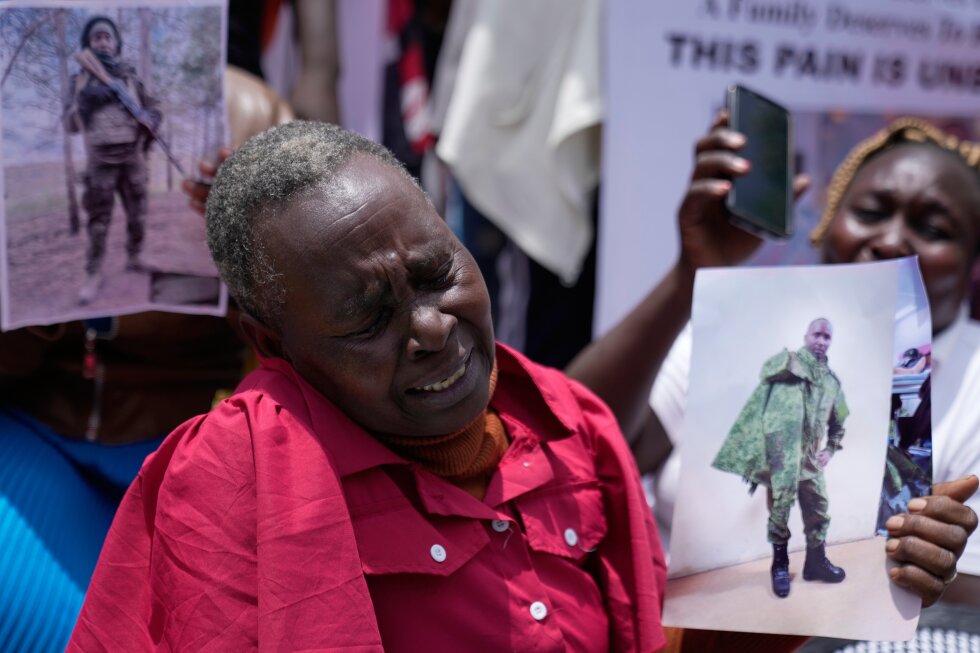
    Protesters marched through Nairobi’s streets carrying photographs of missing, wounded, or killed relatives, chanting slogans urging authorities to secure their loved ones’ return. Their visible anguish was underscored by a massive white banner bearing the stark declaration in bold red letters: ‘KENYANS AND FAMILIES DEMAND JUSTICE FOR THEIR SONS RECRUITED INTO RUSSIA MILITARY.’

    Official government data confirms alarming statistics: over 1,000 Kenyans were recruited to fight for Russia in Ukraine, with at least 89 currently stationed on front lines. The human cost includes one confirmed death, 39 hospitalized casualties, 28 missing in action, and an unknown number returnees bearing physical and psychological wounds.

    Foreign Minister Musalia Mudavadi previously announced plans for diplomatic engagement with Moscow, vowing to ‘rein in’ those exploiting Kenyan citizens through what he termed a ‘misadventure.’ Concurrent efforts focus on securing the release of Kenyans held as prisoners of war in Ukraine.

    Ukraine’s Ambassador to Kenya, Yurii Tokar, acknowledged one Kenyan currently held as POW, noting that standard protocol under the Geneva Conventions typically mandates prisoner releases upon conflict resolution. However, both Kyiv and Moscow have conducted multiple prisoner exchanges throughout the four-year war.

    An intelligence report presented to parliament last month alleged collusion between Kenyan and Russian government officials with recruitment agencies, systematically luring citizens to combat roles under false pretenses. Families are now demanding prosecution of those responsible for human trafficking, forced recruitment, and violations of international humanitarian and labor laws. Two Kenyan nationals have already been charged with human trafficking in connection with the scheme.

  • Perspective on the two sessions

    Perspective on the two sessions

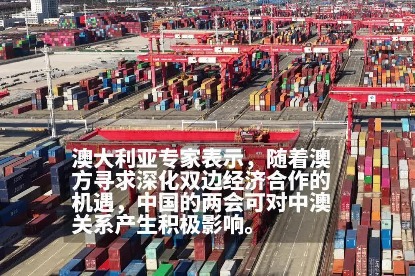
    Amid growing global economic fragmentation, the strategic partnership between China and Australia is emerging as a crucial stabilizing force in the Asia-Pacific region. According to Warwick Powell, an adjunct professor at Australia’s Queensland University of Technology, this bilateral relationship possesses unique capabilities to counteract the disruptive effects of trade wars and economic decoupling trends.

    The symbiotic economic relationship offers substantial mutual benefits that extend beyond conventional trade parameters. China provides Australian industries with unprecedented market access opportunities, cutting-edge technological expertise, and substantial investment capital. Conversely, Australia delivers premium raw materials, maintains a predictable regulatory framework, and contributes advanced agricultural innovations to the partnership.

    Professor Powell emphasized that this collaboration is particularly vital in developing resilient, diversified supply chains within critical future industries. The clean energy and biotechnology sectors stand to benefit significantly from the complementary strengths of both nations’ economies. This strategic alignment comes at a pivotal moment when global supply networks face unprecedented pressures and reorganization.

    The China-Australia economic partnership represents more than mere bilateral trade—it serves as a structural foundation for regional economic stability and technological advancement. As nations worldwide grapple with supply chain vulnerabilities, this collaboration offers a model for how major economies can create mutually reinforcing economic ecosystems that withstand global market disruptions.

  • DR Congo government says 200 killed after landslide at rebel-held mine

    DR Congo government says 200 killed after landslide at rebel-held mine

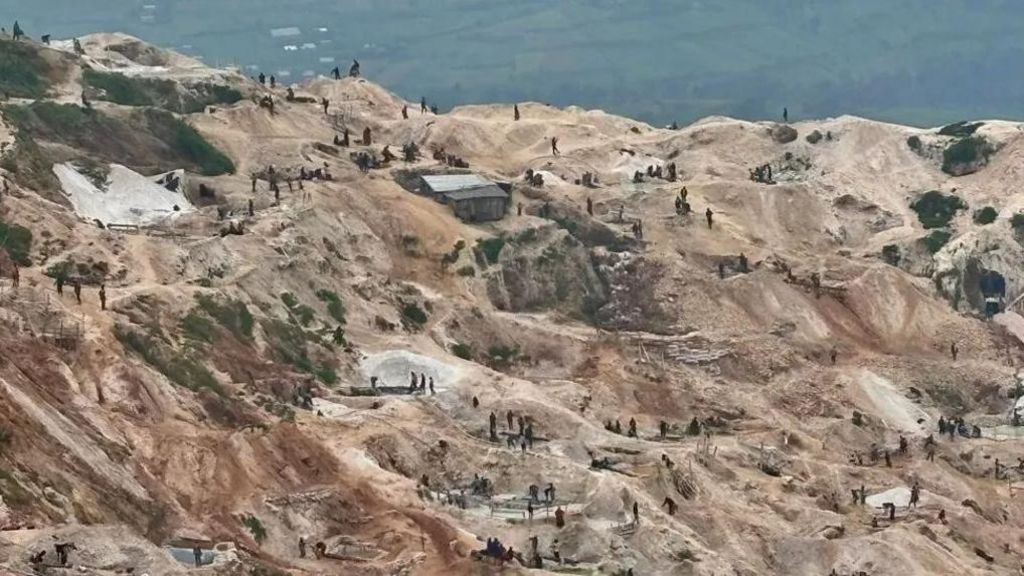
    A catastrophic landslide at the Rubaya coltan mining complex in eastern Democratic Republic of Congo has resulted in more than 200 fatalities, including 70 children, according to official government statements. The tragedy occurred Tuesday following torrential rains in this rebel-controlled territory that holds approximately 15% of global coltan reserves.

    The Congolese mines ministry issued a formal statement attributing the disaster to M23 rebel forces, accusing them of permitting extensive illegal mining operations without implementing basic safety protocols or maintenance standards. The ministry emphasized that the lack of official oversight had left miners completely vulnerable to such catastrophes.

    Contradicting the government’s account, local sources within Rubaya told BBC that the collapse resulted from government military attacks against rebel positions, claiming only six fatalities. The government has not responded to these counter-allegations.

    Rescue operations faced significant obstacles due to dangerous terrain and restrictions allegedly imposed by rebel forces on civilian movement. Many injured survivors have been evacuated to medical facilities in Goma, located approximately 70 kilometers east of the disaster site.

    The Rubaya mine represents a crucial node in the global electronics supply chain, as coltan ore contains tantalum—a vital component in manufacturing high-performance capacitors for smartphones, computers, and other electronic devices.

    This tragedy marks the second major collapse at the site within months, following a similar incident in late January that also claimed over 200 lives. When BBC journalists visited the area in July 2025, they documented perilous mining conditions with workers extracting the valuable mineral through manual digging methods amid dangerously unstable pits.

    The geopolitical context adds complexity to the disaster, as UN experts and the US government have accused Rwanda of supporting M23 rebels—allegations Rwanda denies. This week, the US imposed sanctions on the Rwandan army and four senior commanders. Meanwhile, Reuters reports that the Congolese government has included Rubaya on a shortlist of assets offered to the US under a minerals cooperation framework.

  • Iranian warship sunk by the US was sailing home after taking part in an exhibition hosted by India

    Iranian warship sunk by the US was sailing home after taking part in an exhibition hosted by India

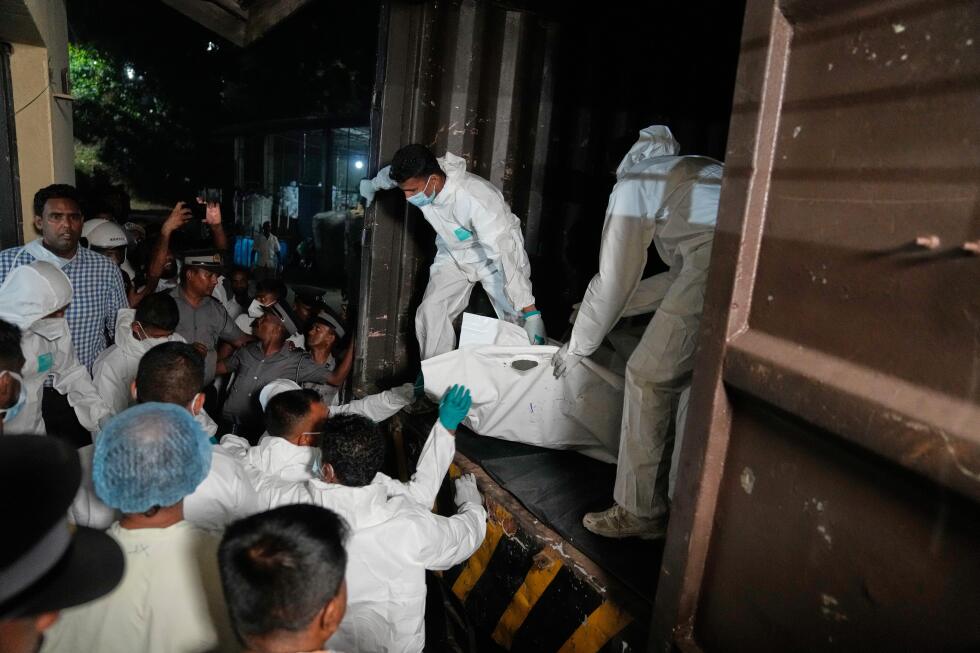
    A significant naval incident has unfolded in the Indian Ocean as Sri Lankan authorities confirmed the recovery of 87 bodies and the rescue of 32 sailors from the sunken Iranian frigate IRIS Dena. The vessel met its fate in international waters off Sri Lanka’s coast following a torpedo attack by a U.S. submarine—marking one of the rare instances of submarine warfare since World War II.

    The sunken warship had previously participated in naval exercises hosted by India, according to New Delhi’s statements. The IRIS Dena took part in both the International Fleet Review and the multilateral MILAN 2026 naval exercises organized by the Indian Navy in Visakhapatnam from February 15-25, which saw participation from 74 nations.

    U.S. Defense Secretary Pete Hegseth characterized the sunken Iranian vessel as a ‘prize ship,’ while President Donald Trump reiterated that eliminating Iran’s naval capabilities remains a key objective of ongoing military operations. The Pentagon released video footage showing the precise moment of the torpedo impact, depicting an underwater explosion that caused the vessel to break apart amid a massive plume of water.

    Iranian Foreign Minister Abbas Araghchi condemned the attack as ‘an atrocity at sea’ and warned that the United States ‘will come to bitterly regret’ the action. The incident has ignited serious concerns in India about maritime security in the Indian Ocean region, where New Delhi maintains substantial naval presence.

    Indian opposition leaders, including Rahul Gandhi of the Indian National Congress party, criticized Prime Minister Narendra Modi’s government for its silence regarding the incident. Former Foreign Secretary Kanwal Sibal noted that while India wasn’t politically or militarily responsible for the attack, the country held moral responsibility since the Iranian vessel had been operating in regional waters under India’s invitation.

    The sinking has underscored how U.S.-Israeli military operations against Iran are expanding beyond the Middle East, while simultaneously highlighting the complex diplomatic balancing act India must maintain between its relationships with the United States and Iran.

  • A Syrian man is convicted of stabbing a Spanish tourist at Berlin’s Holocaust Memorial

    A Syrian man is convicted of stabbing a Spanish tourist at Berlin’s Holocaust Memorial

    A German court has delivered a 13-year prison sentence to a Syrian national for the attempted murder of a Spanish tourist at Berlin’s Holocaust Memorial in February 2025. The Berlin District Court found Wassim Al M., identified under German privacy conventions, guilty of attempted murder and seeking membership in a foreign terrorist organization.

    The 20-year-old defendant, who arrived in Germany as an unaccompanied minor in 2023 and secured asylum status, traveled from his residence in Leipzig specifically to execute an attack in the name of the Islamic State. Presiding Judge Doris Husch revealed that the perpetrator selected the memorial site under the mistaken belief that he would encounter Jewish visitors there.

    On February 21, 2025, the assailant stabbed a 31-year-old Spanish tourist in the throat while shouting “Allahu akbar” (God is great). The victim survived the assault but continues to suffer significant physical and psychological consequences, remaining unable to work and undergoing ongoing treatment.

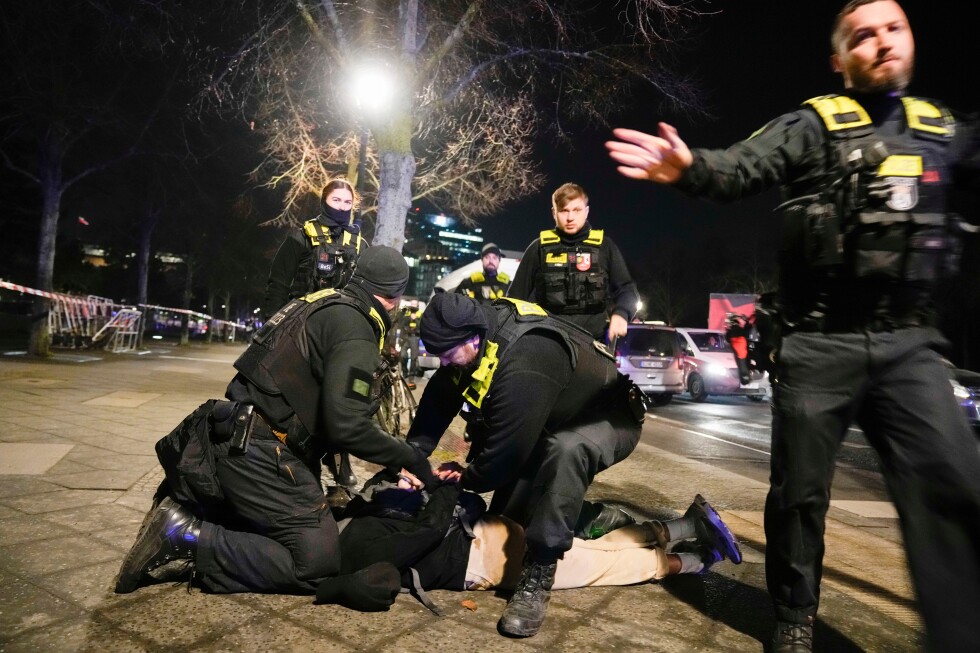
    The defendant was apprehended approximately three hours following the attack when he approached police officers with visible bloodstains on his clothing and hands. During trial proceedings, he expressed immediate regret for his actions, claiming he had been pressured by an online acquaintance he met while viewing Islamic State propaganda videos.

    The Memorial to the Murdered Jews of Europe, comprising 2,700 concrete slabs near Brandenburg Gate, stands as a solemn tribute to the six million Jewish victims of Nazi persecution. This security incident occurred just two days before national elections where immigration policy had emerged as a central issue following several deadly attacks involving immigrants in preceding months.

  • US, Israel launch fresh strikes on Iran

    US, Israel launch fresh strikes on Iran

    The Middle East faces a severe escalation of hostilities as combined United States and Israeli military forces executed renewed airstrikes against Iranian targets on Wednesday. Tehran responded with cross-Gulf retaliatory measures targeting American diplomatic installations, marking the sixth consecutive day of intensifying conflict that has critically disrupted regional energy infrastructure and international travel networks.

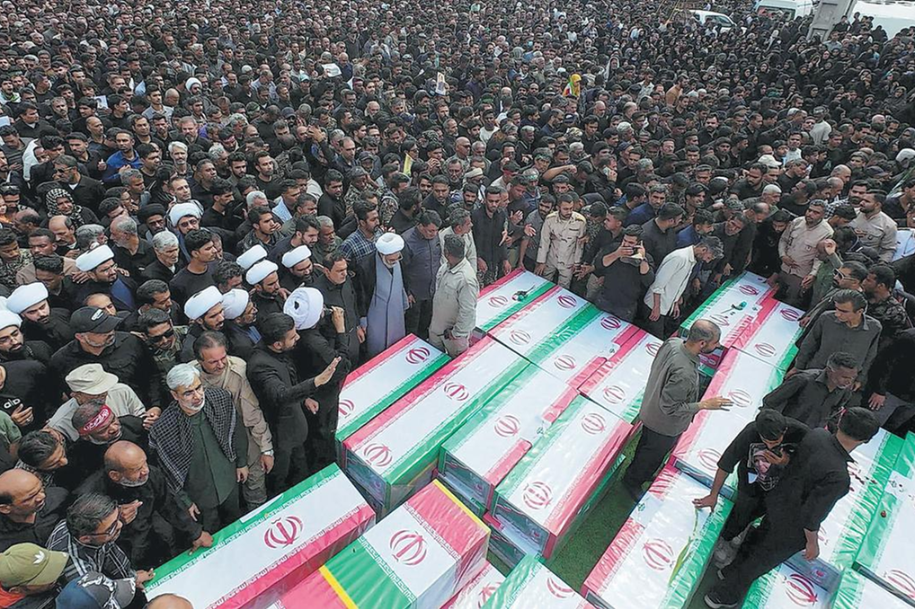
    US military authorities reported nearly 2,000 targets struck since initiating joint operations with Israel last Saturday—actions that resulted in the death of Iranian Supreme Leader Ali Khamenei. The ongoing confrontation has claimed at least 1,045 Iranian lives, with US officials indicating potential continuation for several weeks.

    Iran’s Assembly of Experts member Ahmad Khatami confirmed via state television that the process of identifying a new supreme leader is nearing conclusion, with candidates already shortlisted though not publicly named.

    Israeli defense forces targeted Iranian ballistic missile production and storage facilities, additionally claiming destruction of a covert underground nuclear command center. Iranian officials countered that uranium enrichment activities had been suspended since June, maintaining their nuclear program serves exclusively peaceful purposes.

    Defense Secretary Pete Hegseth confirmed the sinking of an Iranian warship by US submarine torpedo in the Indian Ocean, while drone attacks near the US Consulate in Dubai demonstrated Iran’s expanded retaliation strategy. Similar assaults targeted American embassies in Saudi Arabia and Kuwait, with Dubai authorities confirming no casualties despite visible explosions and temporary road closures.

    The United Arab Emirates, despite enduring over 1,000 attacks according to its Foreign Ministry, declared no intention of retaliating against Iran. Meanwhile, international governments including the United States and France are organizing emergency evacuations for citizens stranded amid widespread air travel disruptions.

    Iran’s Revolutionary Guards announced control over the Strait of Hormuz, warning vessels of potential attacks while the US Navy prepared escort operations for oil tankers. Regional experts warn of prolonged instability, citing risks of missile attacks, cyber warfare, and maritime security threats that could trigger global economic repercussions.

    Energy markets face immediate volatility as Saudi Arabia closed its largest domestic oil refinery and Qatar suspended liquefied natural gas production. Political analyst Rabi Mohamed projected sharp oil price surges and supply chain disruptions that would elevate global transportation and production costs, creating widespread economic uncertainty.

  • ‘It’s so good to be home’ – passengers on Dubai-Dublin flight

    ‘It’s so good to be home’ – passengers on Dubai-Dublin flight

    Dublin Airport witnessed emotional reunions on Wednesday evening as Emirates flight EK0162 from Dubai touched down, carrying nearly 400 passengers who had been stranded amid Middle East airspace closures. The flight marked the first direct arrival from Dubai in several days following the complete shutdown of regional airspace due to escalating military actions between the United States, Israel, and Iran.

    Among the relieved arrivals was Norita Geary, who described the overwhelming moment the aircraft landed: “Everyone clapped when the plane landed and we all cheered. It was unreal. I mean you see these things on television, you see them in movies but you just don’t think you’ll end up there yourself.”

    The atmosphere at Terminal 2 was charged with emotion as families embraced loved ones returning from what many described as a harrowing experience. Rushali Lakhani, another passenger, expressed her gratitude: “It was quite a stressful time but grateful and thanking our lucky stars really. A lot of sleepless nights, a lot of bangs. There were no airplanes flying so whenever we heard some noises we knew that it wasn’t good news.”

    Susan and Monica Miller recounted their traumatic experience being at Dubai Airport when the conflict erupted. “The local UAE fighter jets we could see them patrolling. We could hear some noises but because we were about 30 minutes west of the airport we weren’t in any immediate zones that were frightening,” Susan explained, adding that they are now planning “staycations for a little while.”

    International travelers also faced significant disruptions. Alex Anderson, a Frankfurt resident transiting through Dubai from Malaysia, described seeing missile trails during his approach: “We were shocked when we landed and found out. It was a bit of chaos.” He highlighted the “nerve-racking” experience of waiting in hotels amid canceled flights.

    Despite the tense situation, some long-term Dubai residents provided perspective. Mark O’Kane, who has lived in Dubai for 24 years, commented: “The defence systems in Dubai were fantastic. It would remind you a bit of the Troubles, you know, growing up you hear bombs. But life goes on.”

    A second relief flight carrying approximately 400 additional passengers is scheduled to arrive in Dublin on Thursday, offering hope to those still awaiting evacuation from the region.

  • Middle East war spirals as Iran hits Kurds in Iraq

    Middle East war spirals as Iran hits Kurds in Iraq

    The Middle East has plunged into a rapidly expanding regional conflict with devastating consequences across multiple nations. What began with US-Israeli strikes that killed Iran’s supreme leader Ayatollah Ali Khamenei on Saturday has now engulfed the entire region, creating global shockwaves through energy markets and international relations.

    Iran launched retaliatory strikes against Kurdish guerrilla groups in Iraq on Thursday, targeting what Tehran calls ‘separatist groups.’ According to Iranian officials, these operations serve as a clear warning that such organizations ‘will not be tolerated in any way.’ Simultaneously, Israel continued its bombardment of Tehran, with residents reporting fighter jets and explosions across the city.

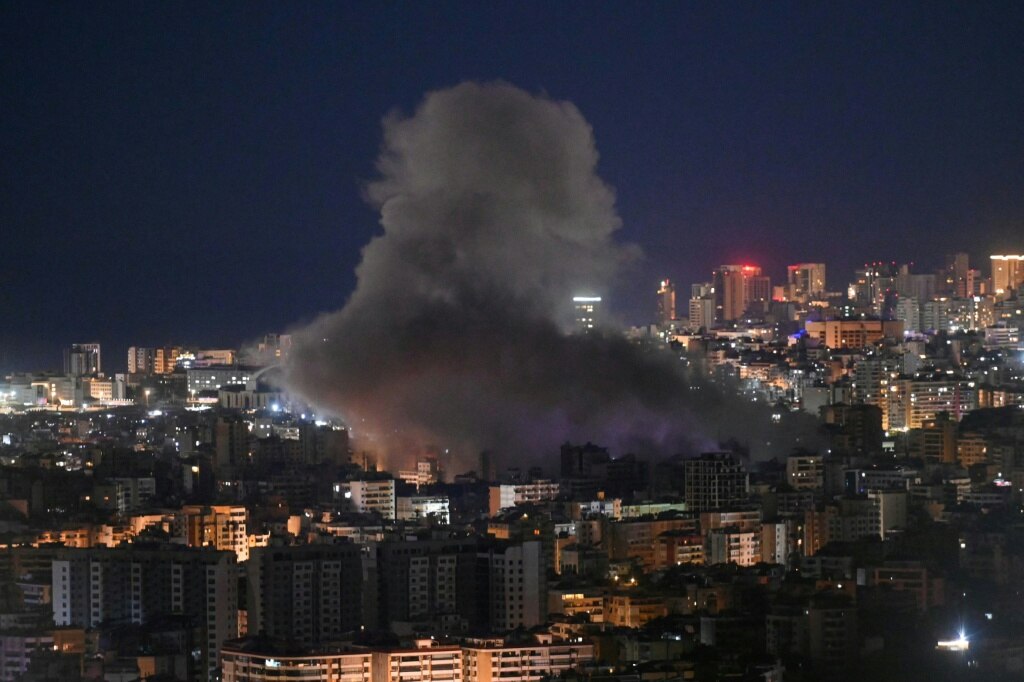
    The conflict has drawn in numerous regional actors. In Lebanon, Israeli strikes targeted Hezbollah command centers in south Beirut, reducing buildings to rubble and creating plumes of black smoke over the capital. Hezbollah’s leader has vowed to intensify fighting against Israel, declaring readiness for ‘ultimate sacrifice’ rather than surrender. Lebanese authorities report at least 72 fatalities and 83,000 displaced persons since hostilities began.

    The war has extended beyond the immediate region with global implications. A US submarine sank an Iranian warship near Sri Lanka—marking Washington’s first torpedoing of a vessel since World War II—resulting in significant casualties. NATO member Turkey became involved after intercepting a missile apparently aimed at a British base in Cyprus, leading to diplomatic tensions with Iran.

    Economic consequences are already severe. Iran’s Revolutionary Guards have effectively closed the Strait of Hormuz, a critical chokepoint for global oil transportation where tanker transits have dropped by 90%. This has triggered energy shortages worldwide, prompting South Korea to activate a $68 billion market stabilization fund and China to restrict fuel exports. The International Monetary Fund warns of a ‘prolonged period of flux’ for the global economy.

    Civilian casualties continue to mount across the region, with at least 1,045 military personnel and civilians reportedly killed according to Iranian media, though these figures remain unverified. The conflict has also devastated regional tourism during peak season, with mass cancellations creating what industry professionals describe as a ‘catastrophic’ situation.