分类: world

  • Israel orders civilians in half of southern Lebanon to leave

    Israel orders civilians in half of southern Lebanon to leave

    Israeli military authorities have issued a comprehensive evacuation directive for all residents residing south of Lebanon’s Litani River, signaling a significant escalation in cross-border hostilities. The order, communicated via social media by military spokesperson Avichay Adraee, affects hundreds of square kilometers and represents the most extensive displacement directive since fighting resumed earlier this week.

    The evacuation mandate coincides with confirmed Israeli military advancements into southern Lebanese territory, including the penetration of ground forces into the border town of Khiam approximately six kilometers from the Israeli frontier. This movement follows Tuesday’s authorization by Defense Minister Israel Katz for expanded military operations to secure additional positions in the contested region.

    Current hostilities mark the third day of renewed conflict between Israel and Hezbollah, triggered Monday when the Iranian-backed militia launched retaliatory strikes following the killing of Iranian Supreme Leader Ali Khamenei. Since then, Israel has conducted extensive aerial and ground operations across southern Lebanon, with particular focus on Beirut’s southern suburbs (Dahiyeh) and eastern regions.

    Lebanese health officials report at least 50 fatalities and 335 injuries from Israeli attacks since Monday, with overnight strikes claiming at least 11 additional lives. Medical infrastructure has sustained significant damage, including Bahman Hospital in Haret Hreik neighborhood which suffered collateral damage from a nearby building strike, injuring several healthcare workers.

    The conflict has expanded beyond traditional conflict zones, with an airstrike hitting a hotel in the predominantly Christian suburb of Hazmieh—marking the first Israeli attack near Beirut’s presidential palace and foreign embassy district. Meanwhile, Hezbollah has continued counterstrikes targeting Israeli military installations including the Haifa naval base and facilities near Ben Gurion Airport.

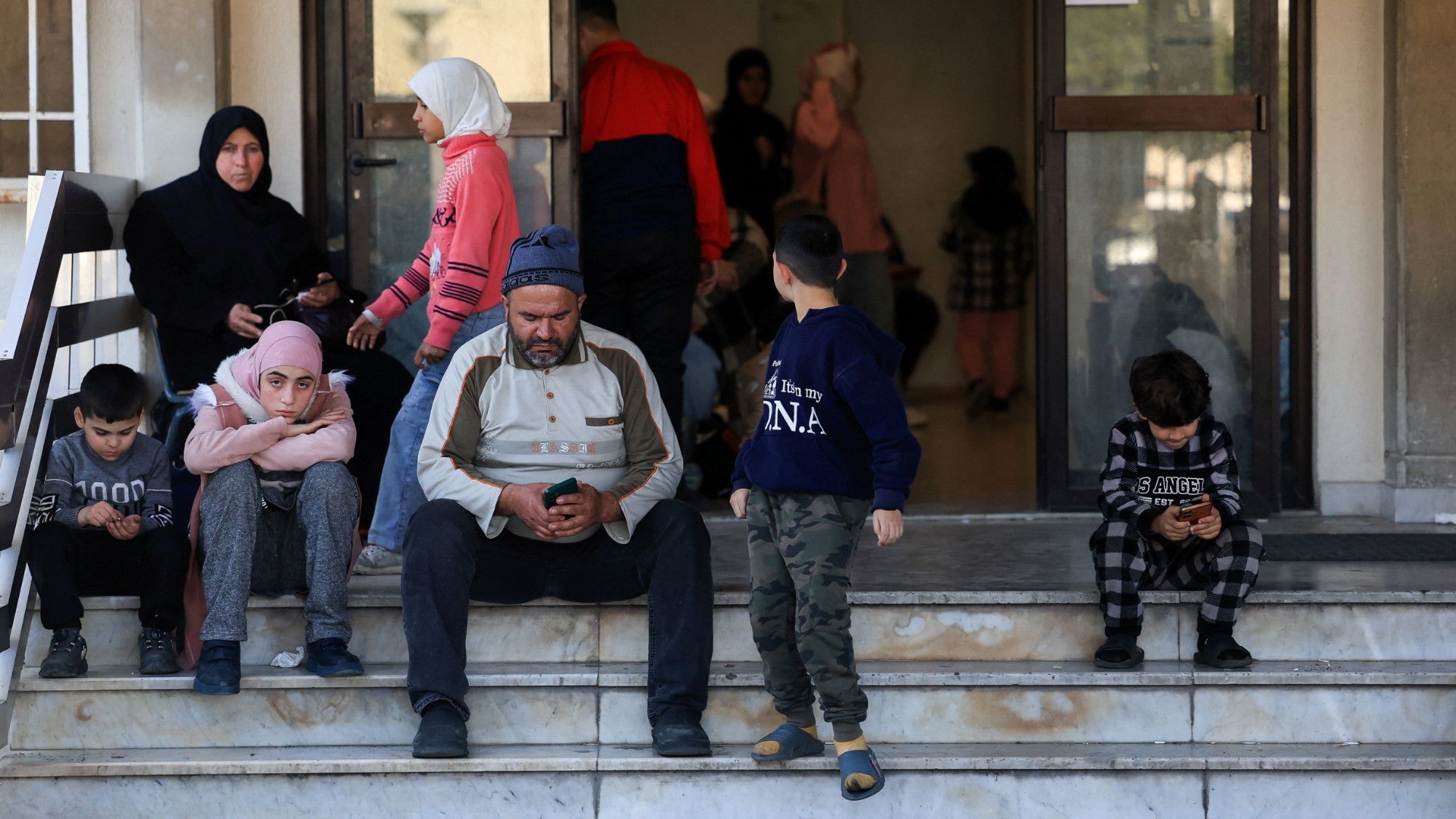
    Humanitarian concerns are mounting as Lebanon’s social affairs ministry reports approximately 65,000 displaced persons have registered at shelters, with an additional 10,000-20,000 estimated to be in transit or temporarily housed while awaiting formal registration.
  • ‘Isolated’ Iranian forces suspected of firing missile towards Turkey

    ‘Isolated’ Iranian forces suspected of firing missile towards Turkey

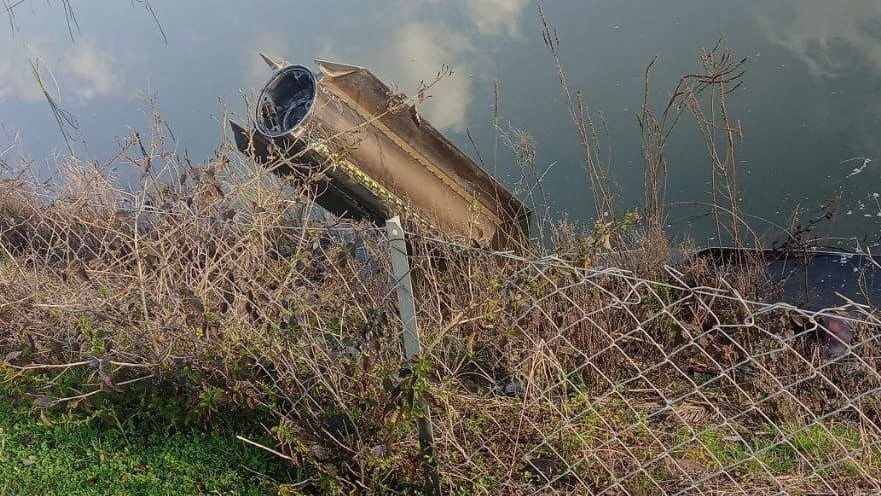
    A destabilizing incident occurred on Wednesday when a NATO missile defense system intercepted an Iranian ballistic missile heading near Turkish airspace. The event took place close to the southern city of Hatay, raising immediate concerns about regional escalation. According to sources speaking with Middle East Eye, the projectile may have been launched by isolated elements within Iran’s military, rather than representing a deliberate act by the central government in Tehran.

    This event is particularly notable as Iran had previously avoided Turkish airspace throughout its ongoing exchanges with the US and Israel. The missile was intercepted approximately 100 kilometers east of Turkey’s Incirlik Air Base, a strategic NATO asset, likely by alliance vessels stationed in the Eastern Mediterranean.

    Expert analysis suggests this incident may be a direct consequence of Iran’s ‘Mosaic’ doctrine—a decentralized military command structure designed for resilience. Oral Toga, an analyst at the Ankara-based Centre for Iranian Studies, explained that this system empowers regional commanders to operate autonomously, especially if communications with central command are severed. This decentralization, reportedly activated after recent strikes killed over 40 high-ranking Iranian officials, might have led to rogue elements firing without explicit orders.

    The situation was serious enough to prompt a diplomatic response. Turkish Foreign Minister Hakan Fidan formally protested to his Iranian counterpart, Abbas Araghchi, in a phone call, warning Tehran to prevent any actions that could widen the regional conflict. This diplomatic exchange underscores the delicate balance Turkey maintains as a NATO member hosting critical alliance assets, including an early-warning radar station, while navigating its complex relationship with Iran.

    Further compounding the situation, Iranian Foreign Minister Araghchi had previously acknowledged in an interview that some military units had become ‘independent and somewhat isolated,’ operating on pre-issued general instructions rather than specific orders. This admission, coupled with a separate missile interception report in Syria’s Qamishli on the same day, suggests a pattern of potentially rogue operations that Tehran may not fully control.

  • Russia blames Ukrainian naval drones as tanker sinks in Mediterranean

    Russia blames Ukrainian naval drones as tanker sinks in Mediterranean

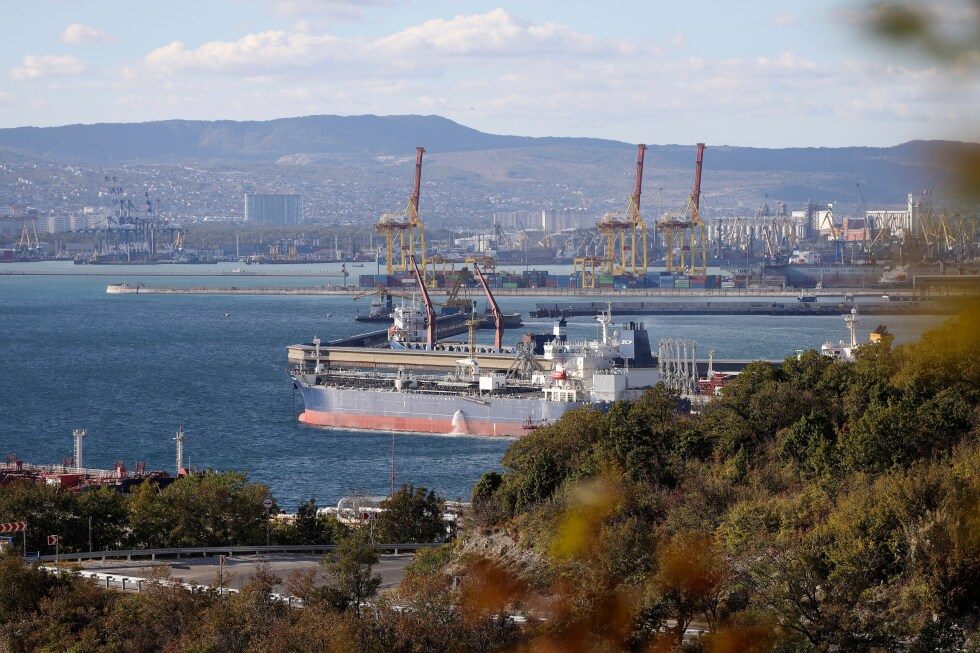
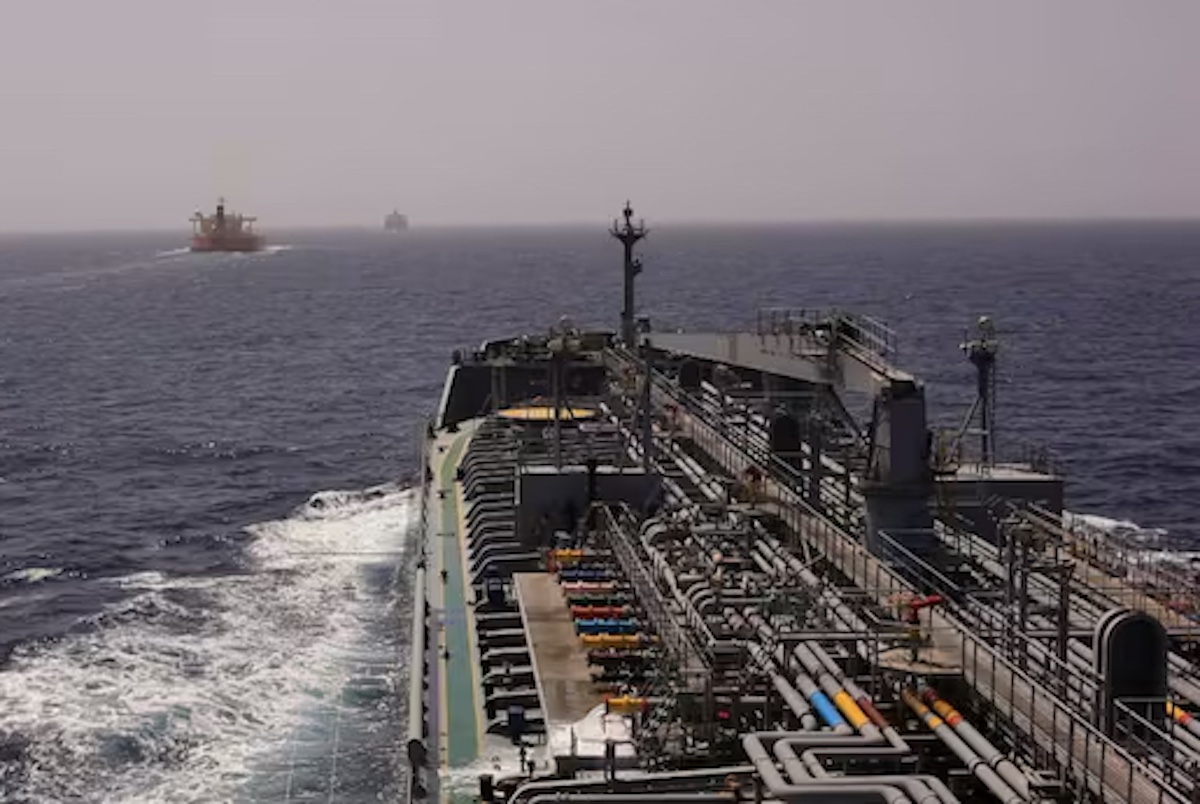
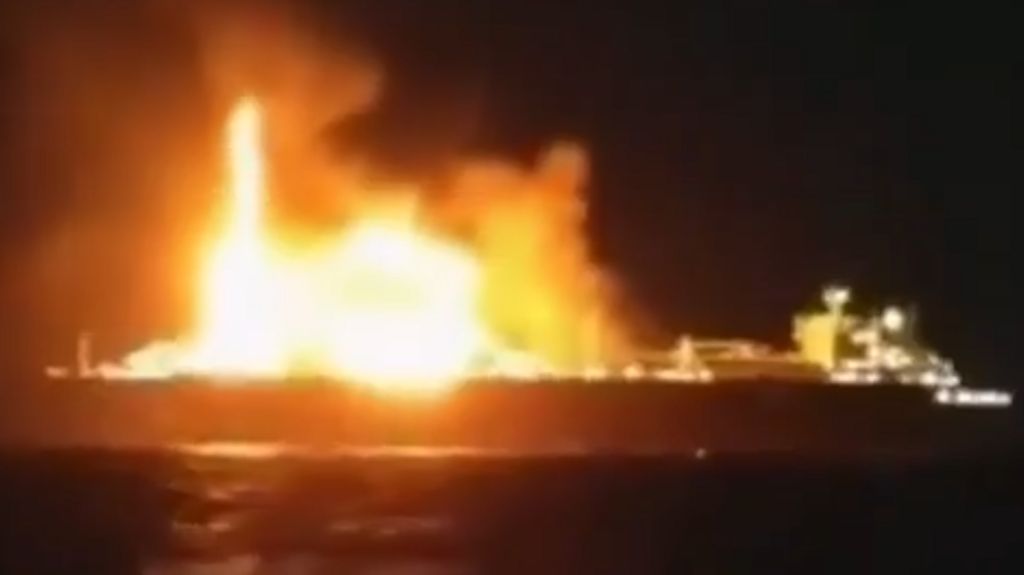
    A Russian liquefied natural gas (LNG) carrier, the Arctic Metagaz, has sunk in the Mediterranean Sea between Libya and Malta following a series of explosions and a major fire, according to Libyan port authorities. The incident has ignited a sharp diplomatic confrontation, with Russia directly accusing Ukraine of orchestrating a maritime drone attack from the Libyan coast.

    The tanker was transporting approximately 62,000 metric tonnes of LNG when the blasts occurred approximately 130 nautical miles north of the Libyan port of Sirte. Russia’s transport ministry confirmed that 30 Russian crew members were aboard. All were successfully rescued by Malta’s armed forces and were reported to be ‘safe and sound’ in a lifeboat by Maltese Home Affairs Minister Byron Camilleri.

    Unverified footage circulating on social media, shared by Serhii Sternenko—an adviser to Ukraine’s defence minister—purportedly shows the vessel engulfed in flames. Sternenko claimed the tanker sustained a ‘serious hole in the engine room compartment’ and was beyond repair, though the images’ origin remains unconfirmed.

    Russian President Vladimir Putin condemned the incident as a ‘terrorist attack,’ while his transport ministry escalated the rhetoric by labeling it ‘an act of international terrorism and maritime piracy.’ The ministry further accused the European Union of complicity but provided no concrete evidence to substantiate its claim that Ukrainian uncrewed sea drones were responsible.

    Ukraine’s State Security Service (SBU) has maintained official silence on the allegations. However, a Ukrainian government-linked social media account, United24, posted a cryptic tease, suggesting the drones were ‘Definitely. Maybe’ not part of its fleet.

    The Arctic Metagaz is considered part of Russia’s ‘shadow fleet’—a network of aging, often obscurely insured tankers deployed to circumvent Western sanctions aimed at crippling the oil and gas revenues funding Moscow’s war effort. The vessel was en route from Murmansk, Russia, to Port Said, Egypt, with cargo reportedly cleared under international rules.

    Marine tracking data indicates the tanker had deactivated its automatic identification system prior to the incident, a common tactic for sanctions evasion. While Kyiv has previously targeted Russian energy shipping in the Black Sea with naval drones, a confirmed strike in the distant Mediterranean would mark a significant and unprecedented escalation in its maritime campaign.

  • War in the Middle East: latest developments

    War in the Middle East: latest developments

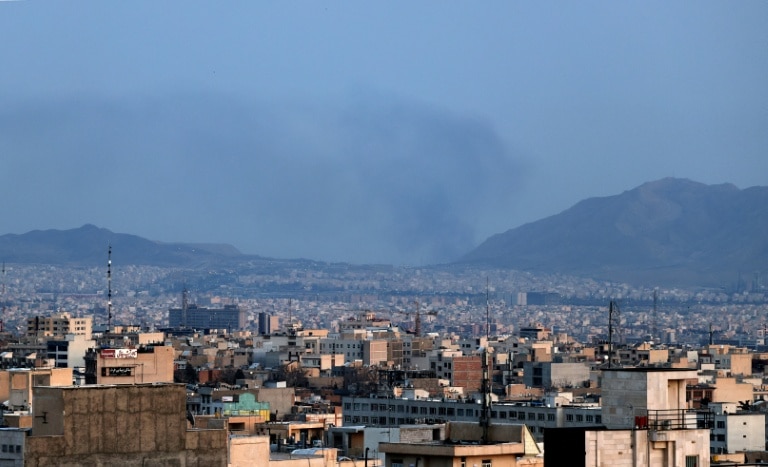
    The Middle East faces a severe escalation of conflict with multiple nations now embroiled in heightened military engagements. Iranian cities, including Tehran, experienced significant explosions and aerial bombardments as regional tensions reached critical levels.

    China has announced diplomatic intervention with Foreign Minister Wang Yi confirming Beijing’s deployment of a special envoy to mediate the crisis. ‘China has consistently served as a stabilizing force for peace and remains prepared to maintain its constructive involvement,’ Wang stated.

    Israeli military operations have expanded into southern Lebanon, with forces advancing into towns including Khiam, approximately six kilometers inside Lebanese territory. According to UNIFIL sources, this movement represents Israel’s effort to establish a defensive buffer zone against Hezbollah militants.

    Regional diplomacy faces strain as Qatar’s Prime Minister strongly criticized Iran’s foreign minister during a telephone conversation, accusing Tehran of attempting to provoke neighboring nations into broader conflict. Simultaneously, Turkey summoned the Iranian ambassador after a missile intended for a Cyprus base landed within Turkish borders.

    Maritime security has become a critical concern with Danish shipping conglomerate Maersk suspending all Gulf bookings following updated risk assessments. The strategic Strait of Hormuz witnessed dramatic developments as Omani naval forces rescued 24 crew members from a missile-stricken container ship. Iranian forces asserted complete control over the vital waterway shortly after former US President Trump declared readiness to provide naval escorts for tankers.

    The human cost continues to mount with Sri Lankan authorities recovering 87 bodies following the sinking of Iranian warship IRIS Dena, reportedly struck by US torpedoes. Iran’s official IRNA news agency reported 1,045 military and civilian casualties from US-Israeli strikes, though independent verification remains unavailable.

    Economic repercussions emerge as Kpler energy analysts report a 90% reduction in oil tanker traffic through the Strait of Hormuz since conflict initiation. European stock markets showed stabilization after substantial Asian losses triggered by soaring oil prices.

    Military operations continue with The Times of Israel reporting planned Israeli operations in Iran extending ‘at least one or two more weeks’ with thousands of additional targets identified. Iranian state television announced postponement of Ayatollah Ali Khamenei’s funeral citing anticipated unprecedented attendance, while succession deliberations remain ongoing.

    Regional defenses activated with the United Arab Emirates intercepting three missiles and 121 drones, while Qatar neutralized ten drones and two missiles. Iran’s Revolutionary Guards targeted opposition groups in Iraq’s Kurdish region, while missile barrages toward Jerusalem triggered air raid sirens before reported interceptions.

    International political tensions surface as Spanish Prime Minister Pedro Sanchez defiantly rejected war participation after Trump threatened complete trade termination over Spain’s refusal to permit US military base usage for Iranian operations.

  • Rising energy prices from the Iran war could help Russia pay for fighting in Ukraine

    Rising energy prices from the Iran war could help Russia pay for fighting in Ukraine

    The escalating conflict in the Middle East has triggered a dramatic reversal of fortunes for Russia’s energy-dependent economy, creating unexpected financial advantages for the Kremlin’s military operations in Ukraine. Following the disruption of nearly all tanker traffic through the critical Strait of Hormuz—which typically handles approximately 20% of global oil consumption—international energy prices have surged dramatically.

    Russia’s benchmark oil exports have climbed from December’s lows of under $40 per barrel to approximately $62, significantly exceeding the $59 per barrel threshold established in the Russian Finance Ministry’s 2026 budget projections. While Russian crude continues to trade at a discount to international benchmark Brent crude (which has risen above $82 from $72.87 before the U.S.-Israel strikes on Iran), the current pricing environment substantially strengthens Moscow’s financial position. Energy tax revenues constitute up to 30% of Russia’s federal budget.

    The economic turnaround follows a period of severe financial strain. In January, Russia recorded its largest monthly budget shortfall on record at 1.7 trillion rubles ($21.8 billion), with oil and gas revenues plummeting to a four-year low of 393 billion rubles ($5 billion). This previous decline resulted from weaker global prices and substantial discounts necessitated by Western sanctions targeting Russia’s “shadow fleet” of tankers with obscure ownership structures used to supply China and India.

    Beyond oil markets, the energy disruption extends to liquefied natural gas (LNG). Qatar’s decision to halt ship-borne LNG production has intensified global competition for available cargoes, positioning Russia as an increasingly attractive supplier. European futures markets have already reflected this tension with skyrocketing natural gas prices, raising serious questions about EU plans to completely cease Russian LNG imports by 2027.

    Energy experts emphasize that the duration of the Strait of Hormuz closure will be decisive. According to Alexandra Prokopenko of the Carnegie Russia Eurasia Center, a quick resolution would return Brent prices to approximately $65 per barrel with minimal impact on Russia’s budget. A medium-term scenario maintaining oil around $80 would provide “some fiscal relief,” while a prolonged closure with damage to Iranian refining infrastructure could drive prices to $108 per barrel—potentially accelerating inflation and pushing Europe toward recession while delivering “the largest windfall to Russia.”

    The evolving situation may force European policy reconsideration. Chris Weafer, CEO of Macro-Advisory Ltd, notes that even several weeks of LNG disruption could generate pressure to suspend plans banning new Russian supply contracts after April 25. EU member states including Hungary, Slovakia, Belgium, France, the Netherlands, and Spain continue significant Russian energy imports, totaling approximately 2 billion cubic meters of LNG monthly plus additional pipeline supplies.

    Russian officials have signaled readiness to capitalize on the situation. Deputy Prime Minister Alexander Novak stated that Russian oil remains “in demand” and that Moscow stands prepared to increase supplies to China and India. The head of Russia’s sovereign wealth fund meanwhile openly questioned whether European Commission leadership had adequately prepared contingency plans for the emerging energy crisis.

    As Simone Tagliapietra of the Bruegel think tank concludes: “Russia is a big winner from the war-related energy turmoil. Higher oil prices mean higher revenues for the government and therefore stronger capability to finance the war in Ukraine.”

  • Nigeria halts Christian pilgrimages to Holy Land over Middle East conflict

    Nigeria halts Christian pilgrimages to Holy Land over Middle East conflict

    The Nigerian government has implemented an immediate suspension of all religious pilgrimages to Israel and the occupied West Bank, responding to heightened security risks stemming from escalating Middle Eastern tensions. This decisive action was formally declared by the Nigerian Christian Pilgrim Commission (NCPC), the official agency overseeing Christian pilgrimage operations nationwide.

    The commission’s official statement emphasized that this preventive measure aims to safeguard the ‘safety and comfort’ of Nigerian pilgrims amidst rapidly deteriorating regional security conditions. The current crisis erupted following targeted U.S. and Israeli military strikes in Iran that resulted in the death of Supreme Leader Ayatollah Ali Khamenei, triggering retaliatory attacks by Iran against Israeli territories and U.S.-allied Gulf states.

    This security-driven suspension encompasses both government-coordinated pilgrimages and privately organized tour operations, effectively halting thousands of annual religious journeys. Aviation disruptions have compounded the situation, with multiple Middle Eastern countries closing their airspace and numerous flight cancellations stranding travelers across the region.

    Nigeria’s pilgrimage tradition represents a profound aspect of the nation’s religious fabric, particularly for its substantial Christian population concentrated in southern regions. Each year, thousands of Nigerian Christians undertake spiritually significant journeys to biblical sites in Jerusalem, Bethlehem, and Nazareth, often with financial support from state governments. Many participants save for years to undertake these pilgrimages, with Easter typically representing a peak travel period.

    The travel disruption has additionally affected Nigerian Muslims attempting to reach Mecca for Umrah pilgrimages, though unlike the fixed-date Hajj, Umrah can be performed throughout the year. Personal accounts illustrate the human impact of these travel restrictions, with prospective pilgrims like Alhaji Zaharaddeen Abubakar stranded in Kano after having secured travel arrangements. Travel industry representatives confirm that some passengers were already boarded and preparing for departure when flights were abruptly canceled.

  • Why Iran isn’t attacking America’s bases in Turkey

    Why Iran isn’t attacking America’s bases in Turkey

    In a calculated escalation of regional tensions, Iran has launched attacks against US military installations across Gulf states, citing their operational role in joint US-Israeli operations against Iranian interests. This development highlights Tehran’s selective targeting strategy, particularly notable for its exclusion of two strategically significant US bases in Turkey: Incirlik Air Base and Kurecik Radar Station.

    Geographic proximity alone would suggest Turkey-based facilities represent more immediate targets, sharing a direct border with Iran unlike the distant Gulf monarchies. Analysis reveals three fundamental reasons behind Iran’s deliberate avoidance of Turkish targets:

    1. Differential Risk Assessment: Iranian strategists perceive Gulf states as vulnerable targets with limited retaliatory capabilities. Their economies demonstrate fragility against drone warfare, while military inexperience—with limited exception of engagements against Houthi forces—reduces perceived escalation risks. Furthermore, historical sectarian tensions between Shiite-majority Iran and Sunni-led Gulf kingdoms create stronger animosity than exists with Turkey.

    2. Turkish Military Deterrence: Turkey’s armed forces have demonstrated formidable capability through sustained combat operations against Syrian Kurdish forces, intervention in Libya, and demonstrated proficiency in drone warfare during the 2020 Nagorno-Karabakh conflict. This proven operational effectiveness creates substantial deterrence, as Iran recognizes potential Turkish ground invasion capabilities that could compound existing pressure from US-Israeli aerial campaigns.

    3. Alliance Architecture: Turkey’s NATO membership introduces Article 5 considerations that could transform regional conflict into transatlantic confrontation. Additionally, Turkey’s strategic alliance with Azerbaijan presents second-front vulnerabilities, given northern Iran’s substantial ethnic Azeri population. Potential Azerbaijani intervention or NATO involvement through Turkish channels represents escalation Iran cannot presently afford.

    The strategic calculus indicates Iran perceives Gulf states as collectively weaker than solitary Turkey, with greater susceptibility to destabilization through limited strikes. This assessment, combined with respect for Turkish military capabilities and fear of alliance-triggered escalation, explains Tehran’s selective targeting despite all hosting US military assets.

  • Watch: BBC asks Hegseth about reports of strike on Iranian girls’ school

    Watch: BBC asks Hegseth about reports of strike on Iranian girls’ school

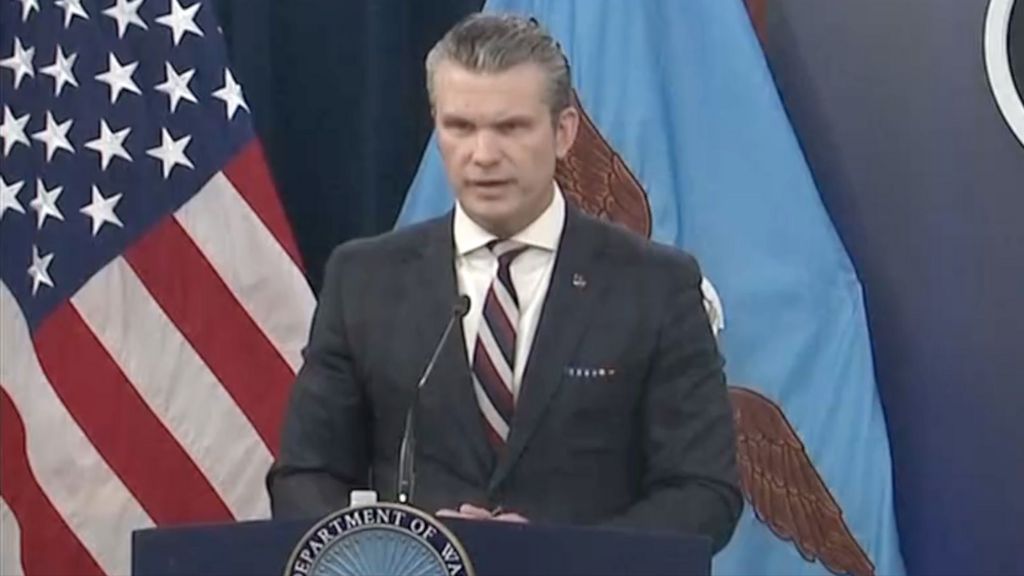
    During a televised interview with the BBC, U.S. Secretary of Defense Pete Hegseth addressed emerging reports concerning a military strike on a girls’ school located in Iran. When pressed for details and confirmation of U.S. involvement, Secretary Hegseth maintained a measured diplomatic stance, stating unequivocally that the incident was under active investigation by American authorities. He refrained from confirming any operational details or attributing immediate responsibility, emphasizing the procedural necessity of gathering and verifying facts before drawing conclusions. The exchange highlights the sensitive and often opaque nature of international military operations and the standard protocol of official inquiries in the immediate aftermath of such reports. The Secretary’s comments reflect the administration’s cautious approach to navigating complex geopolitical allegations, prioritizing verified intelligence over speculative claims.

  • Sri Lanka says an Iranian warship has sunk off its coast in the Indian Ocean

    Sri Lanka says an Iranian warship has sunk off its coast in the Indian Ocean

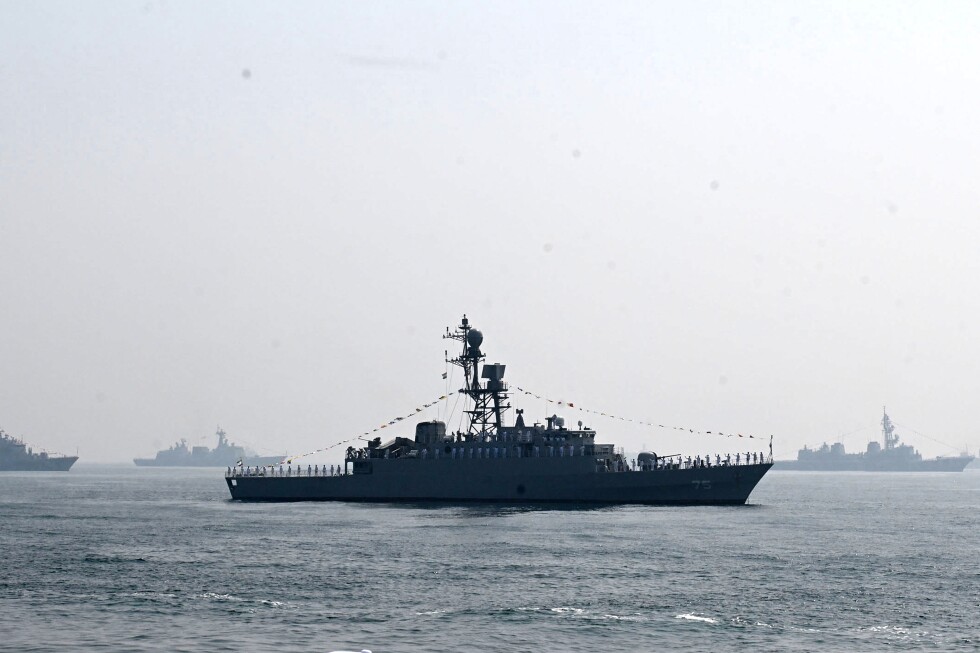
    COLOMBO, Sri Lanka — A significant naval confrontation unfolded in international waters off the coast of Sri Lanka this week, resulting in the sinking of a major Iranian warship by a U.S. submarine. The incident triggered a multinational rescue operation led by the Sri Lankan Navy, which successfully recovered 32 survivors from the stricken vessel.

    According to statements from U.S. Defense Secretary Pete Hegseth, the Iranian frigate IRIS Dena was struck and sunk by a torpedo launched from an American submarine operating in international waters. The confirmation came as search and rescue missions continued in the area.

    Sri Lankan Foreign Minister Vijitha Herath informed Parliament that upon receiving distress signals indicating the Iranian vessel was sinking with 180 personnel aboard, the island nation immediately deployed naval ships and air force aircraft to assist. Navy Commander Buddhika Sampath described the challenging rescue conditions, noting that when Sri Lankan forces arrived at the coordinates, the warship had already disappeared beneath the waves. ‘There were only some oil patches and life rafts,’ Sampath reported. ‘We found people floating on the water.’

    The rescued personnel, admitted to a local hospital, sustained various injuries. Dr. Anil Jasinghe, a senior health ministry official, confirmed one individual remains in critical condition, seven require emergency treatment, and others are being treated for minor injuries. Commander Sampath acknowledged the presence of several fatalities in the water but declined to provide specific numbers as recovery operations continue.

    The IRIS Dena represents one of Iran’s most advanced naval assets—a Moudge-class frigate equipped with heavy guns, surface-to-air missiles, anti-ship missiles, torpedoes, and helicopter capabilities. The vessel recently completed an international tour in 2023, visiting ports in South Africa and Brazil alongside support ship IRIS Makran.

    This incident occurs within the broader context of ongoing naval conflicts involving Iranian forces. U.S. Admiral Brad Cooper, leader of American military’s Central Command, revealed that at least 17 Iranian naval vessels have been destroyed during continuing hostilities, starkly stating, ‘We are also sinking the Iranian navy—the entire navy.’

    Both the IRIS Dena and its support ship had been previously sanctioned by the U.S. Treasury Department in February 2023, along with executives of an Iranian drone manufacturer accused of supplying weapons to Russia for use against civilian targets in Ukraine.

  • Hormuz doesn’t need to close to cripple Asia’s economies

    Hormuz doesn’t need to close to cripple Asia’s economies

    Asia confronts its most severe energy security challenge since the 1973 oil embargo as military tensions transform the Strait of Hormuz into an active theater of geopolitical conflict. The crisis escalated dramatically on February 28, 2026, when a joint US-Israel military operation eliminated Iran’s Supreme Leader Ayatollah Ali Khamenei, creating unprecedented disruption within Iran’s command structure and triggering uncompromising retaliation threats from Tehran.

    Iran’s explicit warning that it will ‘set fire’ to vessels attempting passage through the strategic waterway has shifted theoretical risk into operational reality. The strait serves as the world’s most critical energy corridor, facilitating approximately 20% of global oil shipments and comparable liquefied natural gas volumes. In 2025, nearly 20 million barrels per day—representing $600 billion in annual energy trade—transited through the narrow 33-kilometer passage between Iran and Oman.

    The geographical configuration grants Tehran asymmetric influence capabilities. Even without formal blockade implementation, drone strikes, missile threats, and naval harassment can render commercial transit prohibitively expensive. Insurance markets have responded with dramatically escalated premiums, effectively closing the strait through economic mechanisms rather than physical obstruction.

    Asia bears disproportionate vulnerability, with four-fifths of Hormuz-bound crude destined for Eastern markets. China, India, Japan, and South Korea account for the majority of these imports, with Japan and South Korea importing over 80% of their energy requirements through this corridor. While China has developed strategic petroleum reserves and increased Russian crude imports as hedging measures, neither approach fully offsets dependence on Gulf suppliers.

    The crisis exposes fundamental limitations in Asia’s energy security architecture. LNG markets face particularly severe constraints due to fixed liquefaction capacity, destination-bound contracts, and limited spare volumes. Any disruption to Qatari shipments would trigger direct competition between Asian and European buyers for alternative supplies, with price spikes permeating entire economic systems through electricity costs, industrial production, and agricultural inputs.

    Emerging Asian economies operating fuel subsidy regimes face additional fiscal pressure, while central banks confront renewed inflation-growth tradeoffs. The situation revives concerns about energy-driven economic reshaping reminiscent of the 1970s, testing whether Asia’s technologically advanced economies can overcome structural energy dependencies.

    While sustained total shutdown remains operationally challenging for Iran—particularly given Tehran’s own $67 billion annual oil export dependence—episodic disruption may sufficiently destabilize markets. Alternative pipelines developed by Saudi Arabia and UAE provide partial relief but cannot fully compensate for Hormuz capacity. The crisis ultimately reveals the geopolitical risks embedded within Asia’s hydrocarbon-dependent growth model and questions the region’s strategic autonomy in an era of intensifying US-China rivalry.