分类: world

  • Dirty laundry and chocolate bars: How Venezuelan prisoners smuggled messages out of jail

    Dirty laundry and chocolate bars: How Venezuelan prisoners smuggled messages out of jail

    In a remarkable display of resilience, Venezuelan political prisoners and their families developed ingenious methods to maintain communication under the brutal conditions of El Helicoide, Venezuela’s most notorious detention facility. The story centers on Adriana Briceño, who smuggled messages to her imprisoned husband Ángel Godoy hidden within chocolate bar wrappers, while he reciprocated by writing clandestine notes on dirty laundry returned from the jail.

    Originally conceived as a luxury shopping center in the 1950s, El Helicoide was never completed and eventually transformed into a symbol of state repression under President Nicolás Maduro’s government. The United Nations has documented its use for arbitrary detentions, forced disappearances, and systematic torture practices.

    Godoy, arrested without warning by security forces, endured 96 days of complete isolation before establishing limited contact with his family. His experience mirrors that of human rights activist Javier Tarazona, who suffered 1,675 days in detention under similar conditions. Both men describe punishment cells known as ‘little tigers’—vermin-infested spaces so cramped that prisoners had to alternate lying down, using cardboard over sewer holes as makeshift mattresses.

    The psychological torture extended beyond physical confinement. Guards deliberately disrupted prisoners’ sense of time by delivering meals at irregular intervals, while authorities systematically targeted detainees’ families. Briceño lost her state telecom job after 21 years of service following her husband’s arrest, while Tarazona faced threats against his 70-year-old mother during interrogations.

    Despite being charged with terrorism, treason, and incitement to hatred, neither prisoner received proper legal representation. Godoy never saw his case file or met his assigned lawyer during his year-long detention, while Tarazona saw legal counsel fewer than five times throughout his nearly five-year imprisonment.

    In January, Venezuela’s interim president announced plans to convert El Helicoide into a social and cultural center, a move rights groups characterize as an attempt to whitewash the facility’s dark history. While over 600 prisoners have been released since military operations began, hundreds remain detained according to prisoners’ rights organization Foro Penal.

    Both released detainees express extraordinary calls for national reconciliation despite their suffering. ‘Let us move forward without hatred, resentment, or bitterness to build that wonderful Venezuela,’ Godoy urges, embodying a profound resilience that transcends the brutality they endured.
  • Two-thirds of Cuba, including Havana, hit by blackout

    Two-thirds of Cuba, including Havana, hit by blackout

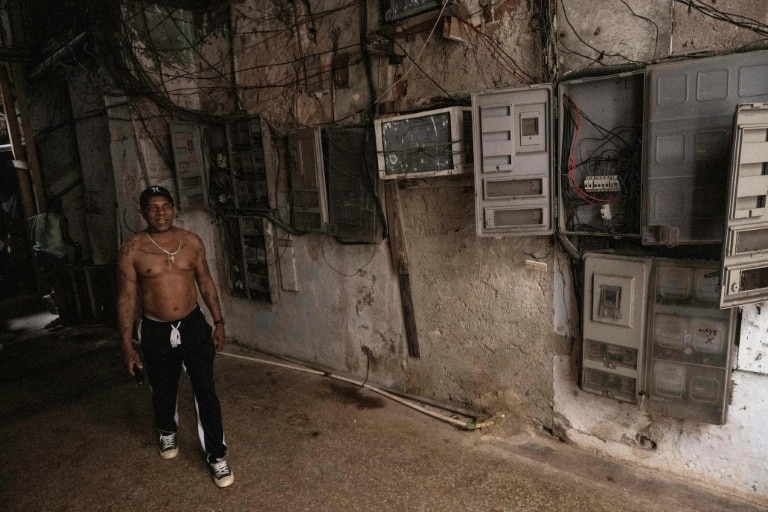
    A massive power failure has enveloped approximately two-thirds of Cuba, including the capital Havana, in a widespread blackout, exacerbating the nation’s severe energy crisis. The national electric utility UNE reported that the grid collapse originated from a sudden breakdown at the critical Antonio Guiteras thermoelectric plant shortly after noon on Wednesday.

    This incident represents the latest manifestation of an electricity generation system in disarray, where daily outages lasting up to 20 hours have become commonplace across the island nation of 9.6 million people. The structural deficiencies of Cuba’s power infrastructure have been dramatically compounded by fuel shortages stemming from geopolitical tensions.

    The crisis intensified significantly following the United States’ political maneuver against Venezuelan leader Nicolás Maduro on January 3. Maduro’s administration had previously supplied approximately half of Cuba’s fuel requirements. While Washington subsequently eased its oil embargo against Havana after regional warnings about potential humanitarian consequences, the Trump administration maintained substantial restrictions that have left Venezuelan oil shipments in limbo.

    Cuban authorities have implemented drastic measures including diesel sales suspensions, gasoline rationing, reduced hospital services, and expanded teleworking protocols. Public transportation has been sharply curtailed, triggering price surges for private shuttle services.

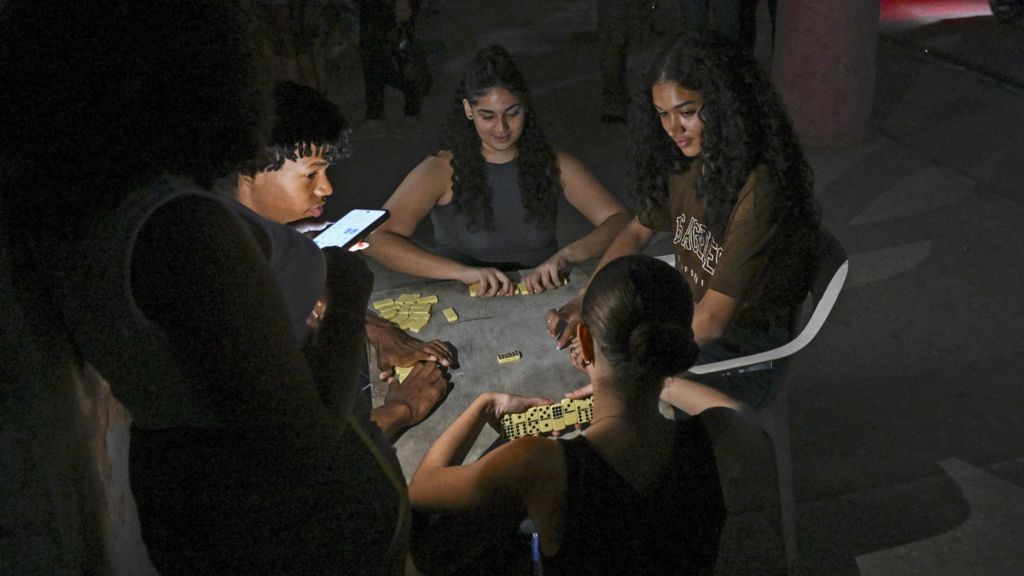
    The human impact is severe. Residents like Damian Salvador, father of a six-month-old infant, describe the situation as “the final blow,” with perishables including meat and baby formula spoiling without refrigeration. The blackout compounds existing shortages of fuel, medicine, and food that have plagued Cuba for years under the longstanding US trade embargo.

    Geopolitical dimensions continue to escalate. The Trump administration justifies its pressure campaign by citing Cuba’s hosting of foreign intelligence facilities and political repression as “extraordinary threats to US national security.” Meanwhile, Cuba finds itself increasingly isolated internationally, with Air France joining other carriers in suspending flights to Havana due to jet fuel shortages, and Ecuador expelling Cuba’s ambassador from Quito without explicit justification.

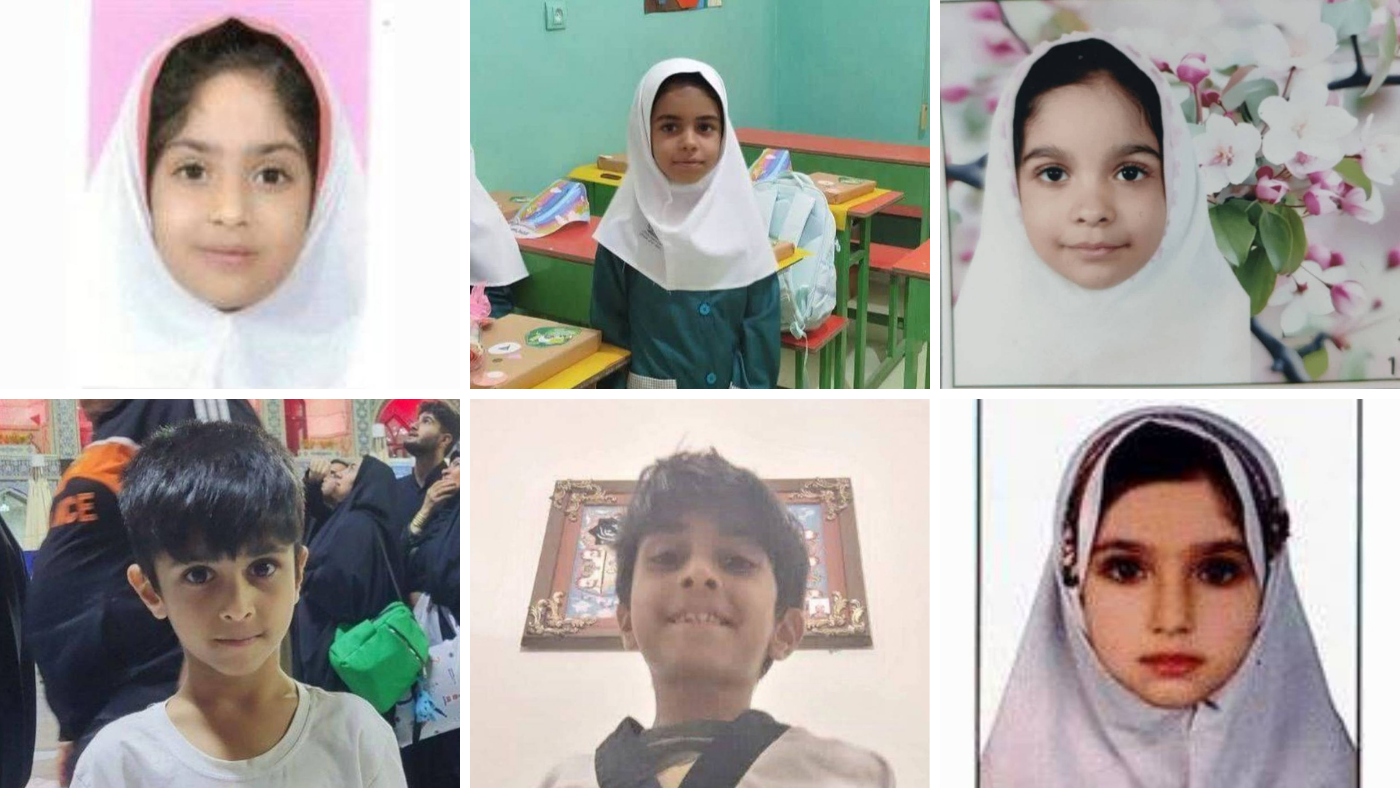
  • Names and ages of children killed in strike on Iranian school

    Names and ages of children killed in strike on Iranian school

    A devastating aerial assault on the Shajareh Tayyebeh primary school in Minab, Hormozgan province, has resulted in the deaths of at least 165 individuals, predominantly young children, according to multiple sources. The attack, attributed to joint US-Israeli military operations, employed a controversial ‘double tap’ tactic where a second strike targets first responders and survivors shortly after the initial explosion.

    Eyewitness accounts from Red Crescent medics describe a horrific scene where school administrators attempted to protect students by moving them to a prayer hall following the first impact. As parents arrived to retrieve their children, a subsequent missile struck the same shelter area, dramatically increasing the casualty count. School staff reported being rendered speechless by the overwhelming sounds of children’s screams and cries amidst the devastation.

    Middle East Eye has independently verified 61 victims through cross-referencing sources including Iran’s Gymnastics Federation, handwritten casualty lists, and Tasnim news agency reports. The documented fatalities include 25 boys, 26 girls, eight women, one man, and a two-month-old infant. Among the youngest confirmed victims were Sara Shayesteh (5), Ehsan Saleminia (6), and Salma Zakeri (6).

    US Secretary of War Pete Hegseth acknowledged the incident days after the strike, stating that an investigation was underway. The attack has sparked international condemnation and widespread mourning across Iran, with mass funerals attended by thousands of grieving community members.

    The extensive victim list includes:
    – Hana Dehqani, 8
    – Arya Bahadori, 9
    – Ahmad Soltani, 8
    – Athena Chamani-nezhad, 6
    – Mahna Zarei, 2 months
    – Mohammadreza Shahsavari, 8
    – Reza Ranjbar, 6
    – And numerous other children whose ages range from 5 to 12 years old

    This incident represents one of the deadliest attacks on an educational facility in recent Middle Eastern conflict, raising serious questions about targeting protocols and the protection of civilian infrastructure in warfare.

  • Israel ‘approved Lebanon attack’ hours before Hezbollah rocket fire

    Israel ‘approved Lebanon attack’ hours before Hezbollah rocket fire

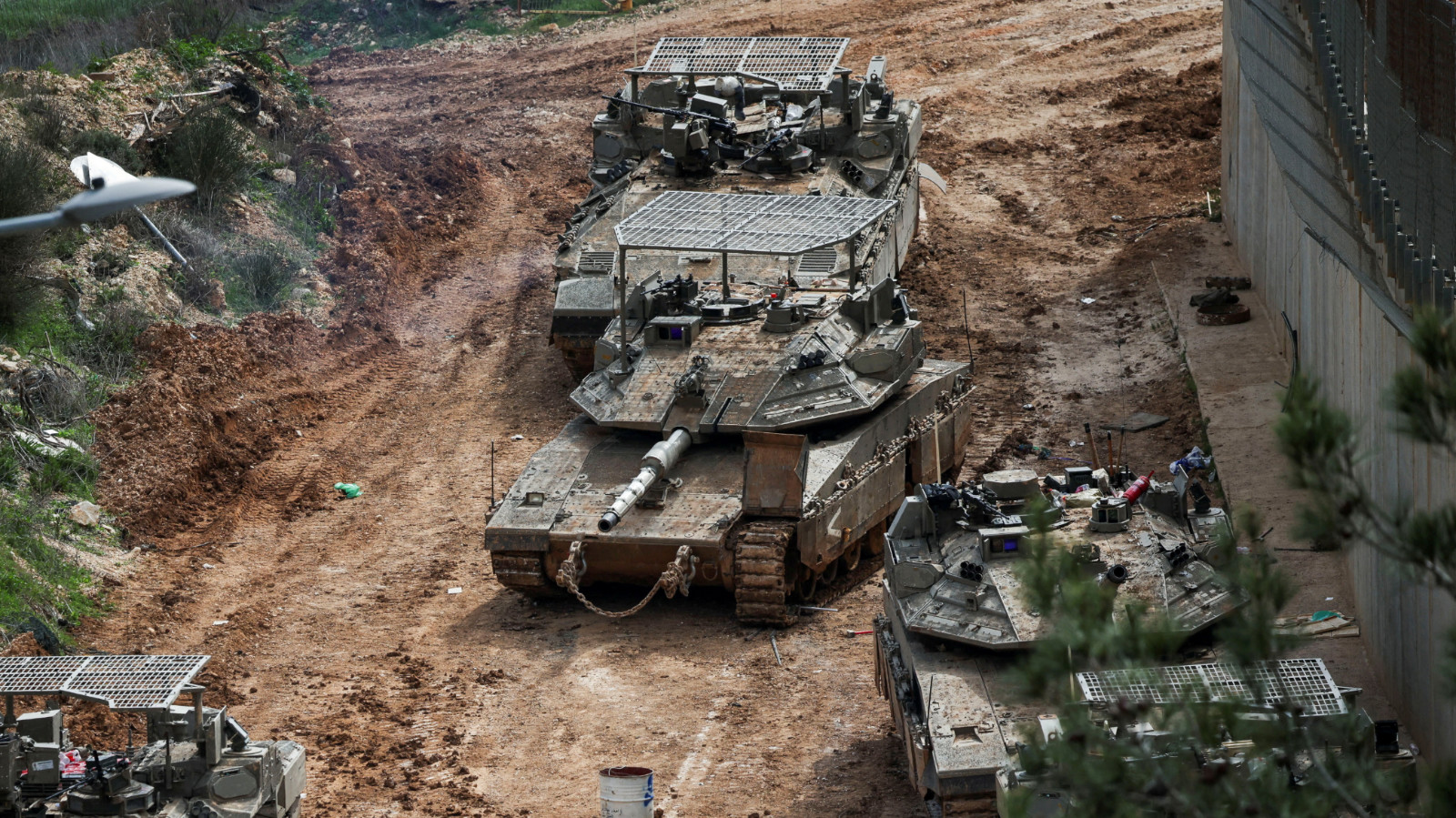
    Tensions between Israel and Hezbollah have escalated dramatically following a series of preemptive military actions, bringing the region to the brink of renewed full-scale conflict. According to intelligence reports from Israel’s Channel 12 News, the Israeli security cabinet approved offensive operations against Lebanon on Sunday night after receiving intelligence indicating imminent Hezbollah attacks. This decision came shortly before Hezbollah launched rocket barrets into Israeli territory, which the group characterized as both retaliatory for recent targeted assassinations and preemptive against anticipated Israeli aggression.

    Sources close to Hezbollah leadership revealed to Middle East Eye that the militant organization detected preparations for significant Israeli military action and opted to strike first to disrupt attack plans and facilitate civilian evacuations from vulnerable areas. The group’s leadership viewed this move as strategically necessary to mitigate potential casualties from an expected Israeli assault.

    In response to Hezbollah’s rocket attacks, Israel has intensified aerial bombardments across southern Lebanon and Beirut’s southern suburbs, particularly targeting the Dahiyeh area. Lebanese health authorities report at least 61 fatalities and 335 injuries resulting from the ongoing military operations. Israeli Defense Minister Israel Katz issued stark warnings on social media platform X, declaring that “Hezbollah will pay a heavy price” and threatening further escalation.

    The conflict has triggered massive displacement, with approximately 65,000 Lebanese citizens registering at emergency shelters and an additional 10,000-20,000 believed displaced but not yet registered. Israel’s Northern Command has ordered widespread evacuations south of the Litani River, affecting an estimated 300,000 residents.

    In a significant political development, the Lebanese government has moved to ban Hezbollah’s military and security operations, with Prime Minister Nawaf Salam demanding the group surrender its “illegal” weapons. Meanwhile, Israeli military leadership, including Chief of Staff Eyal Zamir, has emphasized that operations will continue until Hezbollah’s military capabilities are substantially degraded, asserting that the Lebanese government has failed to adequately disarm the organization.

    Rafi Milo, commander of Israel’s Northern Command, claims Hezbollah has “fallen into a strategic trap” as Israel implements attack plans developed over the past eight months. Israeli forces report striking approximately 250 targets across Lebanon and eliminating several senior Hezbollah commanders. Military officials have vowed to intensify operations in coming days regardless of Hezbollah’s actions, with potential targeting expanding to include major population centers such as Beirut, Tyre, and Sidon.

  • US sub sinks Iranian warship in intl waters near Sri Lanka

    US sub sinks Iranian warship in intl waters near Sri Lanka

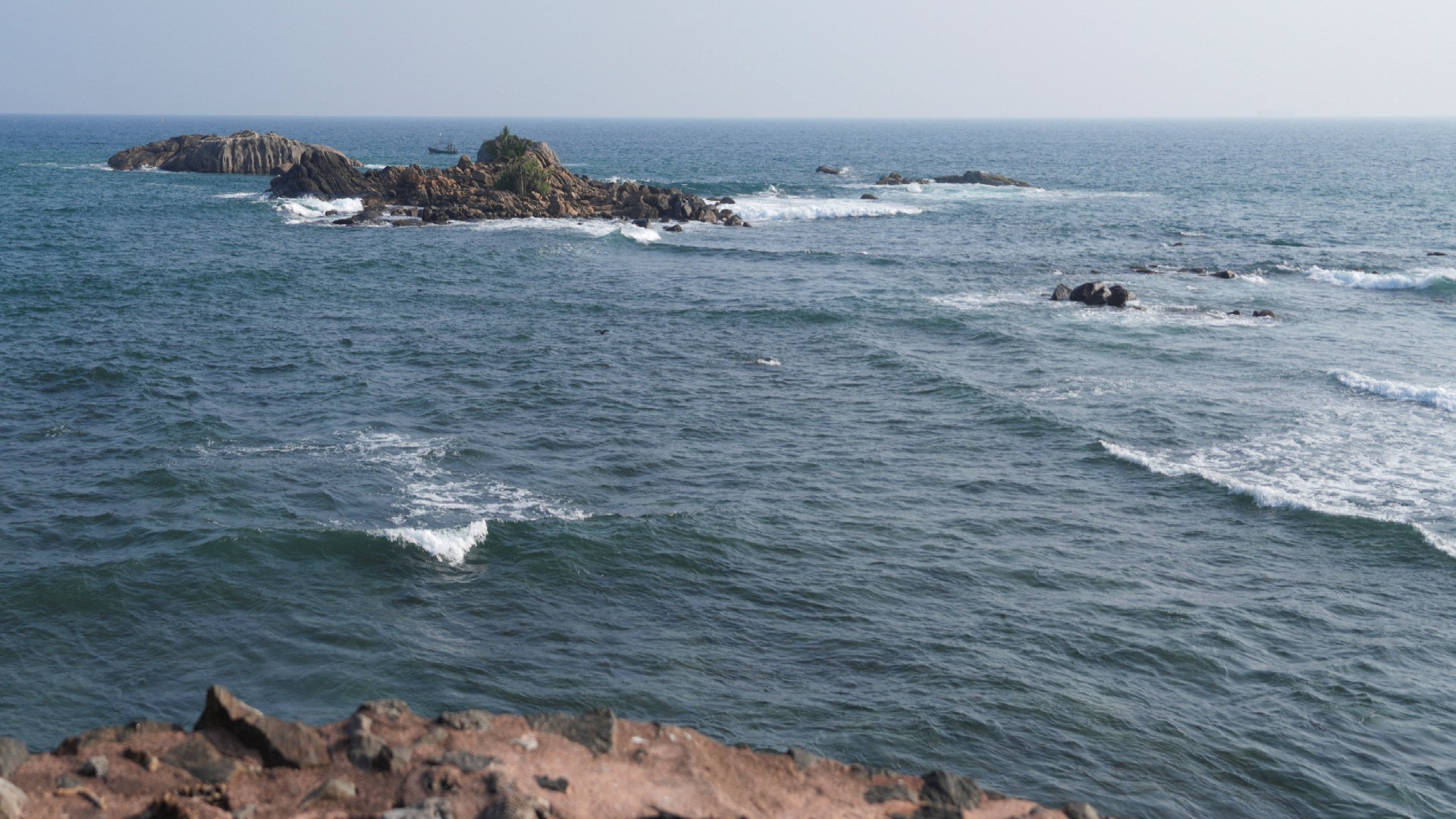
    In a significant naval escalation, a United States submarine has sunk an Iranian warship during a military operation in the Indian Ocean. The incident occurred in international waters off the southern coast of Sri Lanka, marking the first torpedo sinking of an enemy vessel by U.S. forces since World War II.

    U.S. Defense Secretary Pete Hegseth confirmed the engagement during a Pentagon briefing on Wednesday, stating, “An American submarine sunk an Iranian warship that thought it was safe in international waters. Instead, it was sunk by a torpedo.”

    The targeted vessel was identified as the IRIS Dena, a Soleimani-class frigate of the Iranian navy. According to Sri Lankan officials, the attack resulted in substantial casualties. Sri Lanka’s Deputy Minister of Foreign Affairs Arun Hemachandra reported that at least 80 crew members aboard the Iranian frigate were killed in the sinking.

    The incident represents a dramatic escalation in ongoing military operations between the United States and Iran. U.S. Central Command (CENTCOM) disclosed that American forces have now struck or sunk more than 20 Iranian vessels since joint U.S.-Israel military operations against Iran commenced on Saturday morning.

    Notably, the IRIS Dena had recently participated in multinational naval exercises held in the Bay of Bengal from February 18-25, according to official exercise documentation. The sinking has raised concerns about further regional instability and potential impacts on crucial shipping lanes in the Indian Ocean.

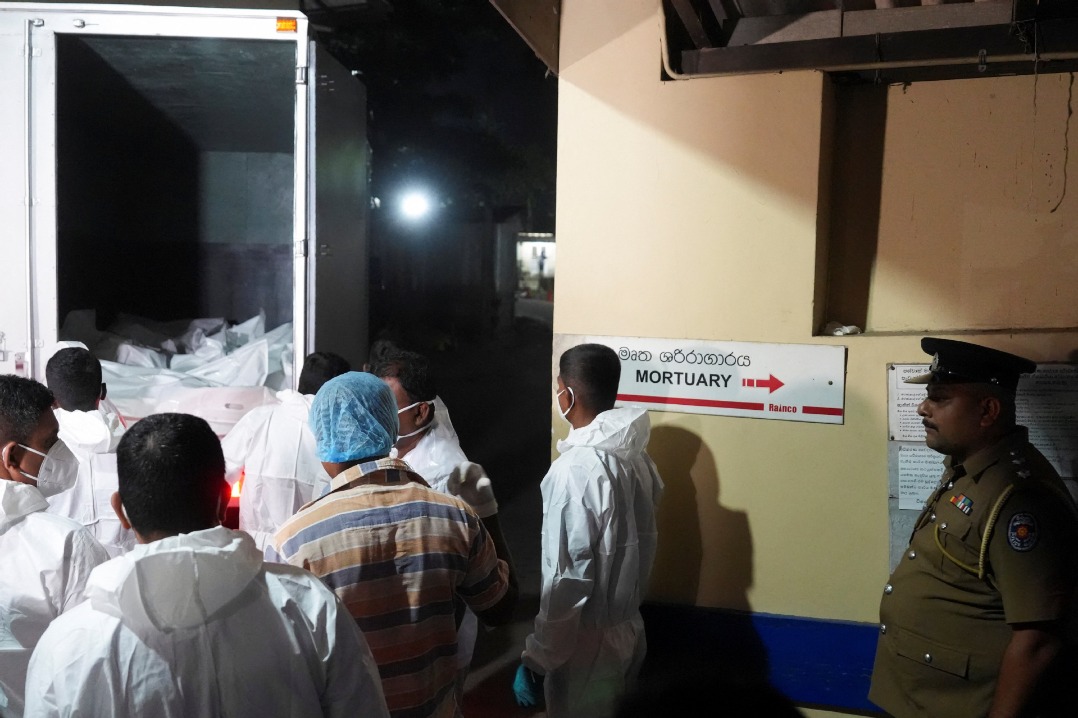
    Recovery operations are underway, with photographs showing bodies of Iranian sailors being transported to the mortuary at Karapitiya Hospital in Galle, Sri Lanka, highlighting the human cost of the confrontation.

  • Millions of Cubans plunged into darkness as fuel crisis deepens

    Millions of Cubans plunged into darkness as fuel crisis deepens

    A catastrophic power failure left millions of Cubans without electricity on Wednesday, marking one of the most severe blackouts in recent history as the nation grapples with an escalating energy crisis. The outage engulfed approximately two-thirds of the island, including the capital Havana, following an unexpected technical failure at the Antonio Guiteras thermal power plant located 100km east of Havana.

    This incident represents the latest manifestation of Cuba’s deteriorating energy infrastructure, which has been crippled by chronic fuel shortages exacerbated by intensified U.S. sanctions. The national electricity utility UNE immediately initiated restoration efforts, though the scale of the outage presented significant challenges to recovery operations.

    The current energy crisis has been compounded by multiple factors including aging infrastructure, reduced fuel imports from key ally Venezuela, and stringent U.S. embargo measures. Venezuela had previously supplied approximately 35,000 barrels of oil daily—covering nearly half of Cuba’s requirements—before the U.S. intervention in Venezuelan oil exports earlier this year.

    The repercussions extend beyond household electricity, with critical services including hospital emergency wards, dialysis treatment facilities, and water pumping stations experiencing severe disruptions. The energy shortage has also crippled public transportation systems and garbage collection services, creating secondary public health concerns.

    In a related development, Air France announced the suspension of its Havana services from late March through mid-June, citing insufficient aviation fuel availability. This follows similar decisions by other international carriers, further isolating the island nation and damaging its vital tourism industry.

    The current situation reflects the prolonged geopolitical tensions between the United States and Cuba that have persisted since the 1959 revolution. Recent measures under the Trump administration have explicitly targeted Cuba’s energy imports, threatening tariffs on nations providing oil to the Caribbean nation and actively intercepting fuel shipments destined for Cuban ports.

  • Turkey says Iranian missile over its airspace destroyed by Nato defences

    Turkey says Iranian missile over its airspace destroyed by Nato defences

    Turkish defense authorities confirmed on Wednesday that NATO air defense systems successfully intercepted and destroyed an Iranian ballistic missile transiting toward Turkish airspace. The incident represents a significant escalation in regional tensions and demonstrates NATO’s active defensive posture in the Eastern Mediterranean.

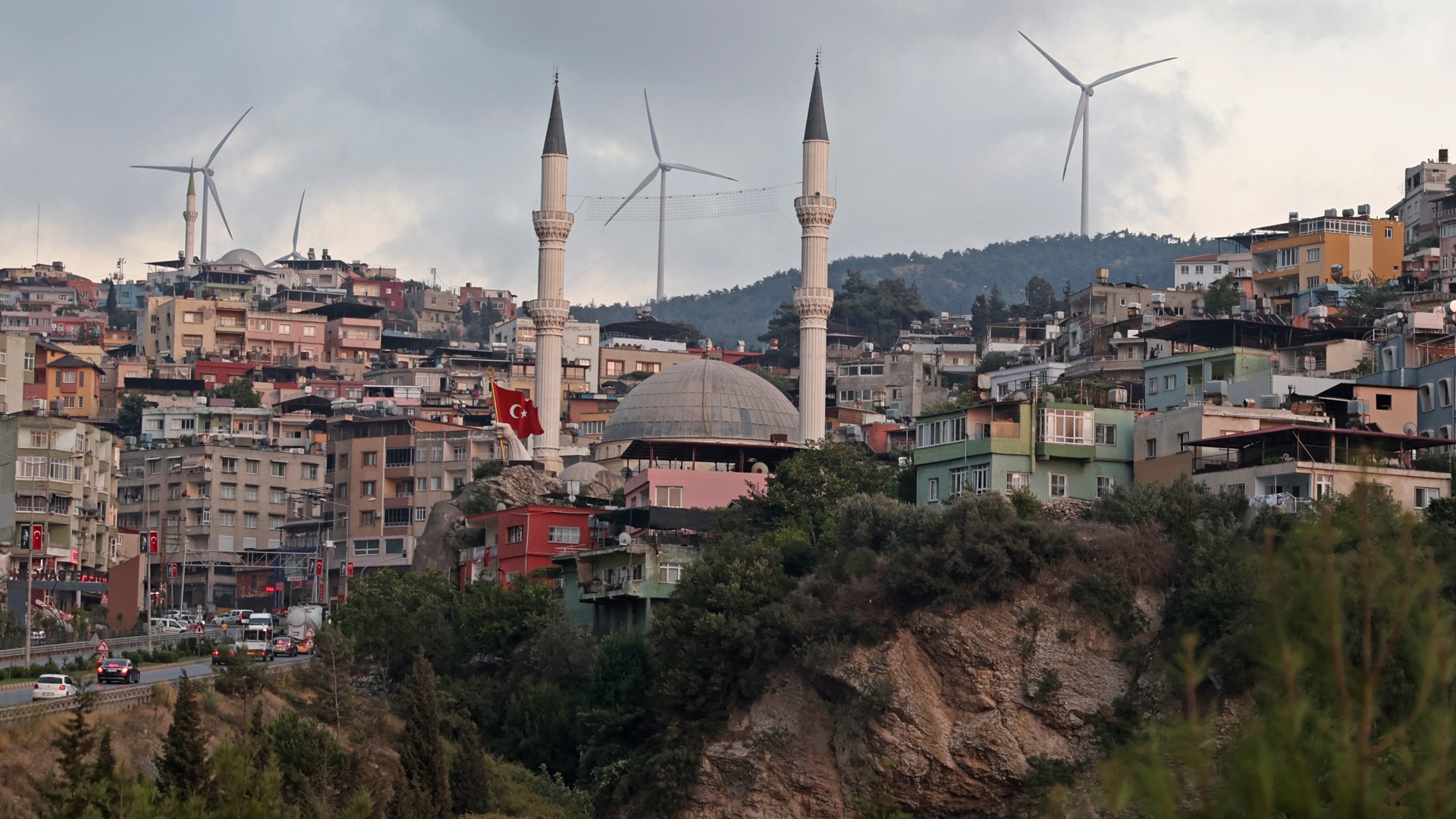
    According to official statements from Ankara, the projectile had traversed Iraqi and Syrian airspace before being neutralized by NATO’s integrated air and missile defense network. Ministry officials reported that missile fragments recovered in Hatay province’s Dortyol district confirmed the successful interception. The incident resulted in no casualties or property damage.

    Turkey’s defense ministry issued a stern warning following the interception, emphasizing the nation’s capability to protect its territorial integrity against any threat regardless of origin. While reaffirming Turkey’s commitment to regional stability, the statement explicitly reserved the right to respond to hostile actions against Turkish sovereignty.

    The incident occurs amid deteriorating regional security conditions following recent military actions against Iranian leadership. Iranian forces have employed a decentralized retaliation strategy, targeting Gulf nations with missile strikes that damaged infrastructure in Dubai and Saudi Arabia while disrupting Qatar’s LNG exports.

    Ankara’s diplomatic efforts to mediate between Washington and Tehran have collapsed following recent military actions. Turkish Foreign Minister Hakan Fidan acknowledged the failure of mediation attempts despite proposing creative solutions to nuclear and ballistic missile disagreements. Fidan emphasized that any successful negotiations would require multilayered engagement given the unpredictable nature of current hostilities.

    Meanwhile, Turkey’s pro-Kurdish DEM Party criticized external intervention in Iran, arguing that regime change should emerge from internal popular will rather than foreign imposition. The party expressed concern that current military actions fail to address the aspirations of Iran’s diverse ethnic communities while acknowledging the Iranian regime’s history of human rights abuses.

  • At least 200 dead in a Congo coltan mine collapse, authorities say, as rebels dispute toll

    At least 200 dead in a Congo coltan mine collapse, authorities say, as rebels dispute toll

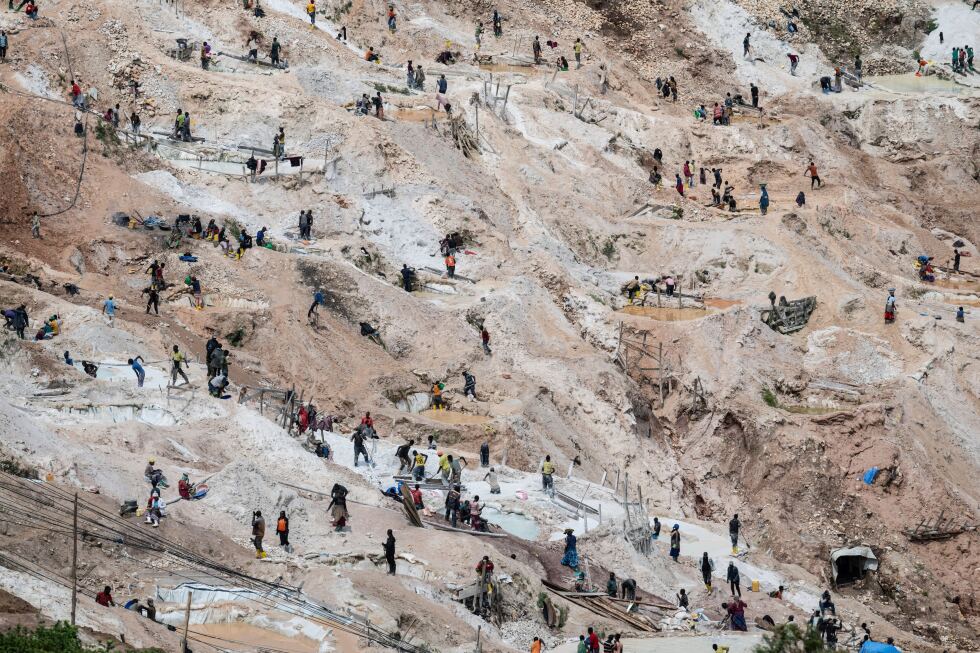
    A catastrophic mine collapse at a coltan mining operation in eastern Congo’s Rubaya region has resulted in massive casualties, with conflicting reports emerging about the actual death toll. Congolese authorities reported at least 200 fatalities from Tuesday’s incident, while the M23 rebel group controlling the mine claims only five deaths occurred.

    The Congolese Ministry of Mines confirmed the collapse occurred at the Rubaya mines, which have been under M23 control since the group seized the town in May 2024. This represents the latest in a series of mining disasters plaguing the mineral-rich but conflict-ridden eastern territories of the Central African nation.

    Fanny Kaj, a senior M23 official, vehemently disputed the government’s account, asserting that the incident resulted from ‘bombings’ rather than a structural collapse. ‘I can confirm that what people are publishing is not true. There was no landslide; there were bombings, and the death toll isn’t what people are saying. It’s simply about five people who died,’ Kaj stated.

    However, firsthand accounts from miners at the site contradict the rebel narrative. Ibrahim Taluseke, a miner who participated in recovery efforts, reported helping retrieve over 200 bodies from the rubble. ‘We are afraid, but these are lives that are in danger,’ Taluseke revealed. ‘The owners of the pits do not accept that the exact number of deaths be revealed.’

    The Rubaya mining region sits at the heart of eastern Congo’s protracted humanitarian crisis, where violence between government forces and various armed groups has displaced over 7 million people, including more than 300,000 since December alone. The M23 rebels, allegedly backed by Rwanda, have intensified the conflict through their recent resurgence.

    Coltan mining represents a critical economic activity for the region, with Congo supplying approximately 40% of global production in 2023 according to U.S. Geological Survey data. The black metallic ore contains tantalum, an essential component in manufacturing smartphones, computers, and aircraft engines. Since capturing Rubaya, M23 rebels have imposed taxes on coltan trade and transport, generating an estimated $800,000 monthly according to UN reports.

    The tragedy occurs amidst ongoing peace negotiations between Congolese and Rwandan governments, brokered by the United States. While the diplomatic process continues, fighting persists across multiple fronts in eastern Congo, resulting in continued civilian and military casualties. The recent agreement also facilitates increased access to critical minerals for U.S. government and American companies.

    This incident follows a similar collapse last month that claimed over 200 lives, highlighting the dangerous working conditions and regulatory challenges in rebel-controlled mining territories.

  • Freed Argentine officer urges release of remaining foreign prisoners in Venezuela

    Freed Argentine officer urges release of remaining foreign prisoners in Venezuela

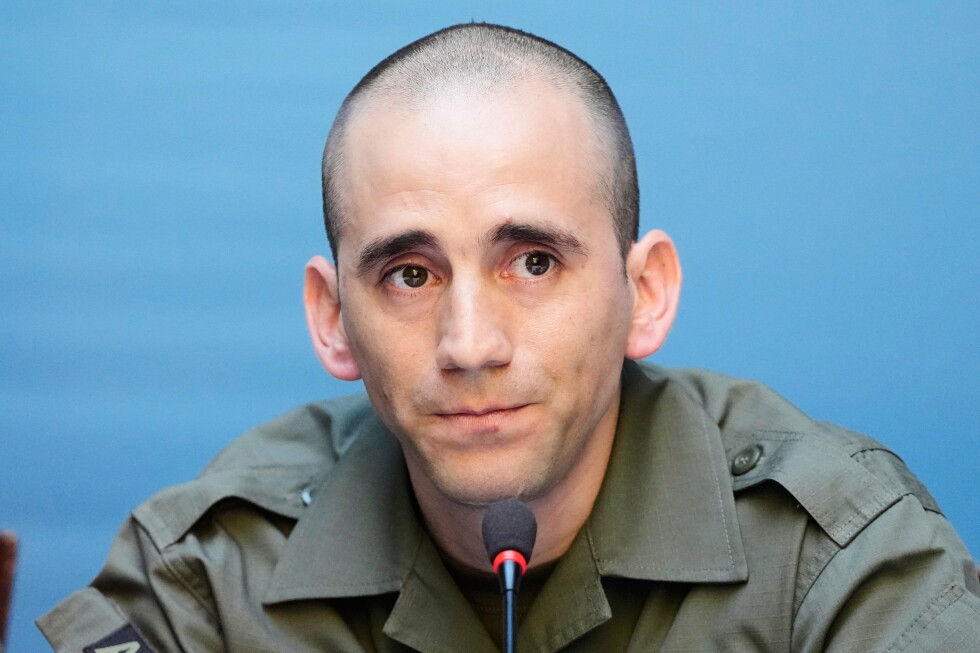
    BUENOS AIRES, Argentina — In his first public appearance since being released from Venezuelan custody, Argentine military police officer Nahuel Gallo made an emotional appeal Wednesday for the international community to secure the freedom of two dozen foreign nationals still detained at the notorious Rodeo I prison in Venezuela.

    Gallo, who endured 448 days of incarceration in a facility outside Caracas before his Sunday release, declared that he cannot truly consider himself free while these detainees remain imprisoned. “My mind is still in prison,” the officer stated during a press conference in the Argentine capital, where he was flanked by high-ranking officials including Foreign Minister Pablo Quirno.

    The Argentine government maintained that Gallo had traveled to Venezuela in December 2024 on personal leave to visit his Venezuelan partner and their son. However, Venezuelan authorities under then-Attorney General Tarek William Saab arrested him on espionage charges, alleging he had attempted “irregular entry” into the country while concealing what they described as a “criminal plan” beneath the pretext of a romantic visit. Saab further accused Gallo of connections to “international far-right groups.”

    Foreign Minister Quirno expressed gratitude to several nations including the United States, Italy, and Israel for their diplomatic efforts in securing Gallo’s release. The development occurs against a backdrop of heightened international scrutiny regarding Venezuela’s judicial system and human rights record.

    In a significant judicial development hours before the press briefing, Argentine Federal Judge Sebastián Ramos summoned Gallo to testify as a witness in an investigation into alleged crimes against humanity attributed to the administration of former Venezuelan President Nicolás Maduro. According to the summons obtained by The Associated Press, Gallo potentially possesses knowledge of “events carried out by the Venezuelan state apparatus” that are under examination.

    The recently freed officer declined to address the summons during the conference, instead requesting patience from journalists, indicating he remains unprepared to fully disclose his experiences. “I still can’t talk about the atrocities they committed,” Gallo stated, suggesting deeper revelations may emerge in time.

  • At least 87 killed in US attack on Iranian warship off Sri Lanka’s coast

    At least 87 killed in US attack on Iranian warship off Sri Lanka’s coast

    A devastating naval confrontation has escalated tensions globally after a U.S. submarine torpedoed and sank an Iranian warship in international waters off the coast of Sri Lanka. The attack resulted in the deaths of at least 87 Iranian sailors, according to statements from the country’s deputy foreign minister on Wednesday.

    U.S. Defense Secretary Pete Hegseth confirmed American involvement during a Pentagon briefing, starkly declaring that ‘the Iranian navy rests at the bottom of the Persian Gulf’ while presenting visual evidence of the strike. This operation marks the first direct military engagement against Iran’s forces outside the Middle Eastern theater since hostilities began.

    The targeted vessel, the Iranian frigate Iris Dena, carried a complement of 180 personnel when it was struck. Sri Lankan naval authorities immediately launched search and rescue operations, managing to recover 32 survivors who were transported to Karapitiya Hospital in Galle for emergency medical treatment. Tragically, circulating images depicted emergency workers transferring deceased sailors to hospital mortuaries.

    Navy Commander Buddhika Sampath reported that rescue teams arrived to find only an oil slick where the warship had submerged, with no other vessels or aircraft observed in the vicinity. ‘We are hopeful we can rescue more people and will continue operations until we are sure,’ Sampath stated, noting that 61 sailors remain unaccounted for.

    The maritime tragedy occurred following a distress signal received by Sri Lankan forces from the Iranian ship. Foreign Minister Vijitha Herath informed parliament that the rescue mission was initiated promptly upon receiving the emergency communication.

    This naval engagement forms part of the fifth day of intensified military actions between the United States, Israel, and Iran, with reported civilian casualties exceeding 1,000 individuals—including at least 153 schoolgirls according to witness-confirmed local reports. In retaliation for the ongoing offensive, Tehran has launched strikes against Israeli and U.S. military installations throughout the Middle East, significantly raising regional tensions and international concerns about broader conflict escalation.