分类: world

  • Exclusive: Iranian authorities prepare for civil war scenario

    Exclusive: Iranian authorities prepare for civil war scenario

    Iranian military and political leadership is undertaking extensive preparations for a potential internal civil war, anticipating that the United States and Israel will seek to instigate domestic unrest through separatist groups, according to internal sources within the Islamic Revolutionary Guard Corps (IRGC). These preparations, initiated after a intense 12-day conflict in June, represent a strategic shift in how Tehran plans to defend its territorial integrity.

    Senior security officials concluded that future warfare would likely mirror strategies employed in Iraq and Syria, where external powers leveraged internal divisions. Consequently, Iran’s conventional army and the IRGC have been granted expanded autonomous operational authority across western, southwestern, and southeastern provinces. This decentralization is designed to ensure military units can continue operations even if communication with central command in Tehran is severed.

    The Kurdish regions, particularly the provinces of Kurdistan, East Azerbaijan, and West Azerbaijan, have become a focal point for this new strategy. Iranian authorities anticipate that US and Israeli intelligence will empower Iranian Kurdish armed groups based in Iraq’s semi-autonomous Kurdistan region to launch attacks. In response, Iran has staged military exercises that are, in reality, the phased deployment of additional ground forces to these sensitive border areas since September.

    The threat is not confined to the northwest. The oil-rich, Arab-majority province of Khuzestan in the southwest has also seen its military command granted expanded powers to counter the separatist Ahwaziyya armed group. Similarly, Sistan and Baluchestan province in the southeast, a key narcotics trafficking route and Iran’s poorest region, is considered highly vulnerable to attacks from ethnic armed groups.

    The efficacy of this new preparedness was demonstrated in the rapid Iranian retaliatory strikes following recent attacks; retaliation was launched within an hour, a significant reduction from the 12-hour response time seen in the June conflict. IRGC sources revealed that missile unit commanders were pre-briefed on targets and authorized to act independently without awaiting orders.

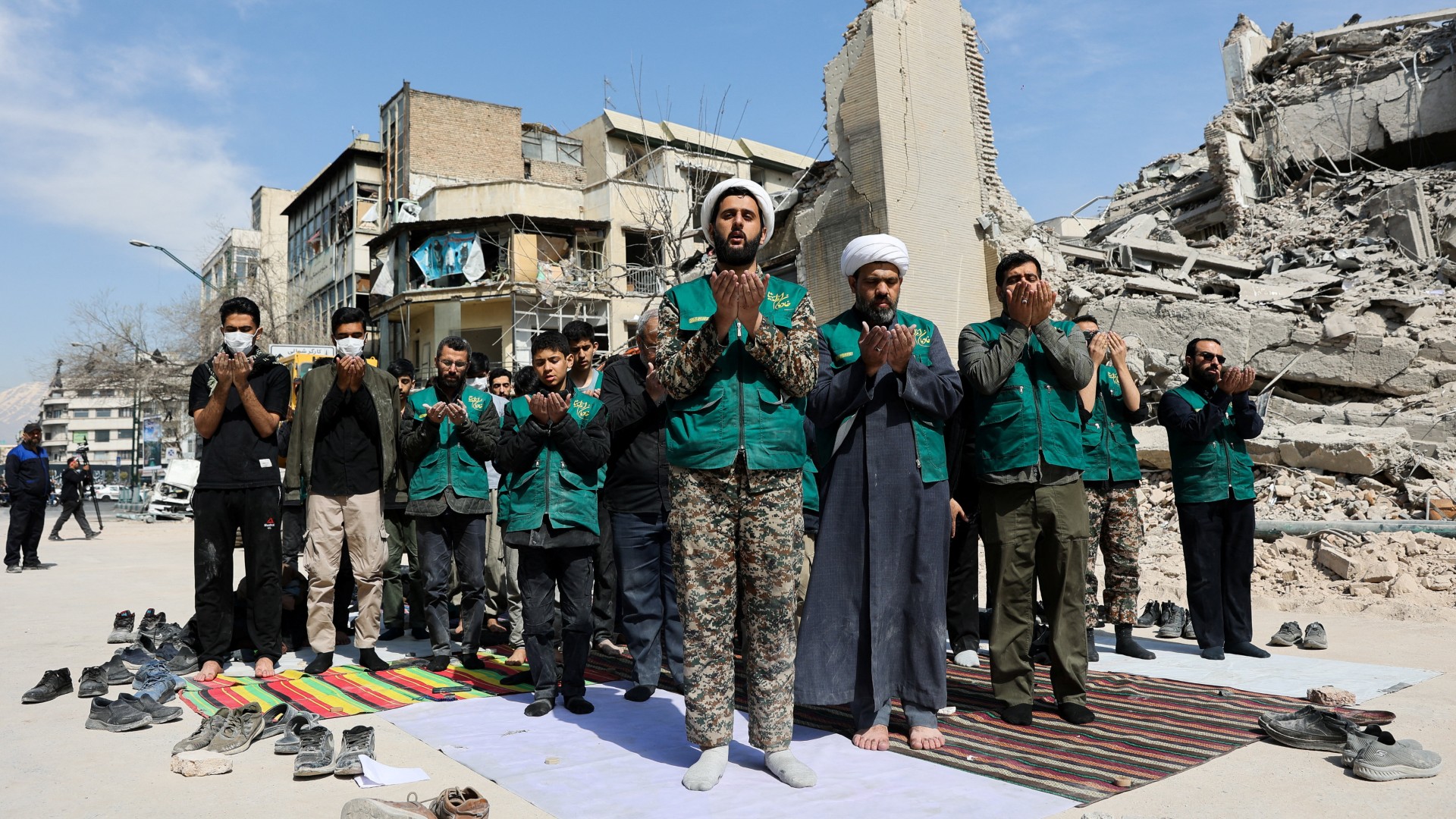
    Concurrently, a massive domestic mobilization is underway. The Basij paramilitary force, boasting a nominal membership of 19 million with one million active members, has been granted extensive new powers for urban warfare. These plain-clothed forces, now visibly armed with Kalashnikov rifles and manning checkpoints in major cities like Tehran and Isfahan, are tasked with maintaining order amid attacks that have targeted police infrastructure, diminishing their capacity. This mobilization was publicly endorsed by reformist figure Hassan Khomeini, who called for government supporters to gather in mosques and city squares, invoking historical symbolism of a ‘black-clothes’ uprising, to form resilient strongholds against potential chaos.
  • Azerbaijan furious with Iran as war spills over its border

    Azerbaijan furious with Iran as war spills over its border

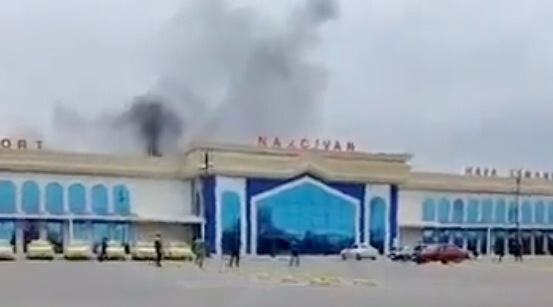
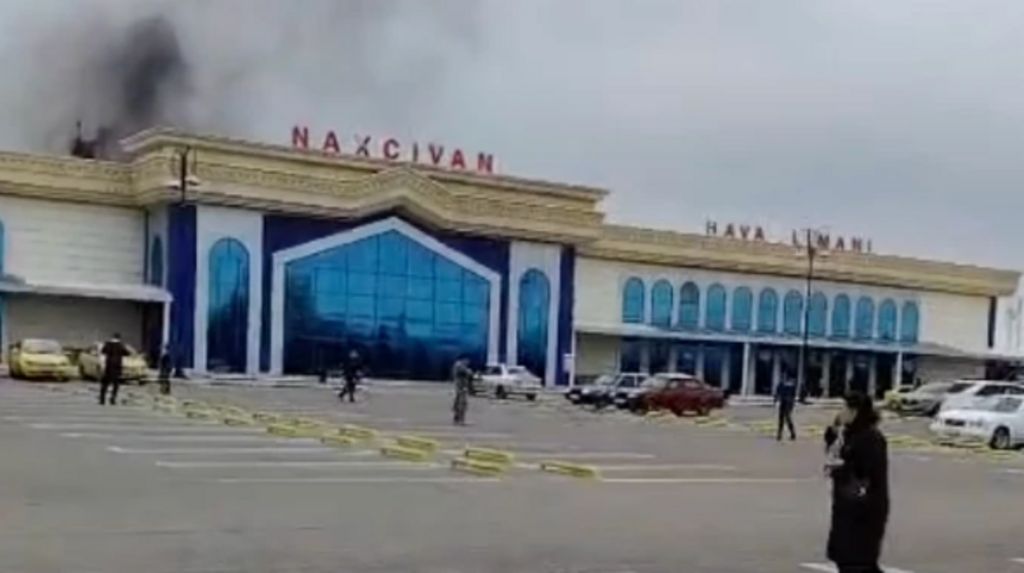
    Azerbaijan has accused Iran of conducting a drone strike on its Nakhchivan exclave, marking a significant escalation in regional tensions and drawing the Caspian nation deeper into Middle Eastern conflicts. The attack, which occurred on Thursday, targeted Nakhchivan Airport with one direct hit while additional drones struck near a school—injuring civilians—and were intercepted by Azerbaijani defenses.

    President Ilham Aliyev issued a vehement condemnation, labeling the assault an ‘act of terror’ and placing the nation’s military on high alert. In an unprecedented move, Aliyev delivered a scathing personal critique of Iranian forces, describing them as ‘ugly, cowardly and disgusting,’ while explicitly referencing Azerbaijan’s role as a ‘place of hope’ for ethnic Azeris within Iran—a deliberate provocation targeting Tehran’s sensitivities.

    Iran has categorically denied involvement, instead suggesting the strike may constitute an Israeli false-flag operation. The Islamic Republic maintains that Azerbaijan’s security partnership with Israel—including intelligence cooperation and oil exports—represents a direct threat to regional stability.

    The incident exposes longstanding geopolitical friction: Iran opposes Azerbaijan’s proposed land corridor to Nakhchivan through Armenia and resents Baku’s military victories in Karabakh conflicts, achieved partly with Turkish and Israeli support. Conversely, Azerbaijan perceives Iran’s support for Armenia as deliberate interference in its sovereign security matters.

    Complicating matters, Iran’s substantial ethnic Azerbaijani minority—estimated at 20-25 million—faces cultural suppression, including bans on education in their native language. Aliyev’s decision to highlight their plight signals a strategic shift, potentially leveraging domestic Iranian tensions as diplomatic retaliation.

    Despite both nations publicly denying intentions toward further escalation, the introduction of ethnic grievances into the confrontation creates unpredictable risks. Critical energy infrastructure, including the Baku-Tbilisi-Ceyhan oil pipeline supplying Europe and Israel, now faces heightened security concerns as regional hostilities intensify.

  • Lebanon: Israel orders everyone in Beirut’s Dahiyeh to leave

    Lebanon: Israel orders everyone in Beirut’s Dahiyeh to leave

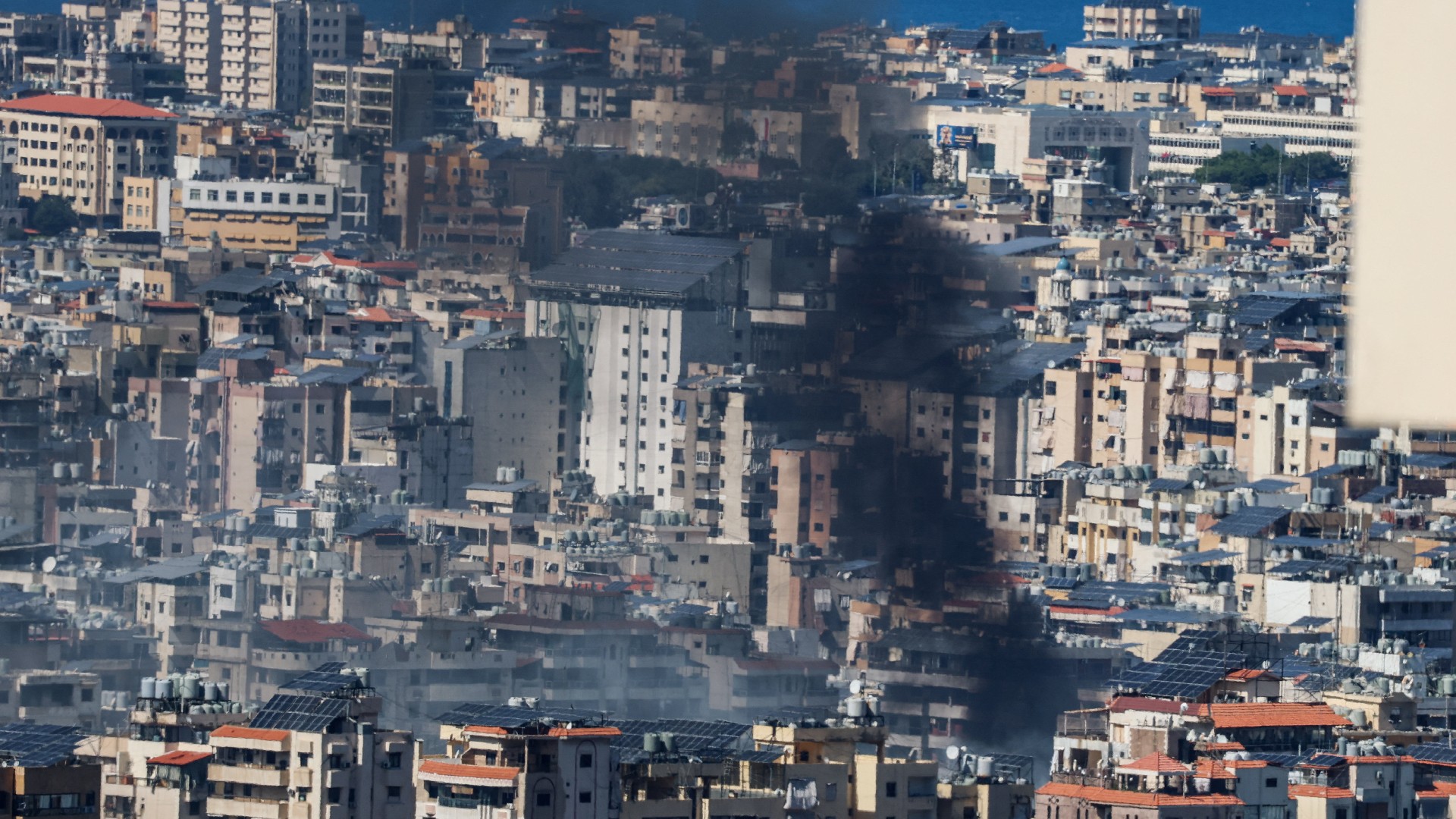
    The Israeli military has issued immediate evacuation directives for residents in Beirut’s southern suburbs, specifically targeting the Dahiyeh area, warning of imminent attacks for non-compliance. Military spokesperson Avichay Adraee communicated via social media platform X that movement southward would endanger lives, shortly before Lebanese media confirmed strikes hitting the Ghobeiry and Haret Hreik neighborhoods, though initial casualty reports remained unconfirmed.

    Accompanying the warnings, the Israeli military disseminated detailed maps outlining specific evacuation routes. Residents of Bourj Brajineh and al-Hadath were instructed to flee east towards Mount Lebanon, while those in Harat Hreik and Shiyah were directed north toward Tripoli and east via the Metn Expressway.

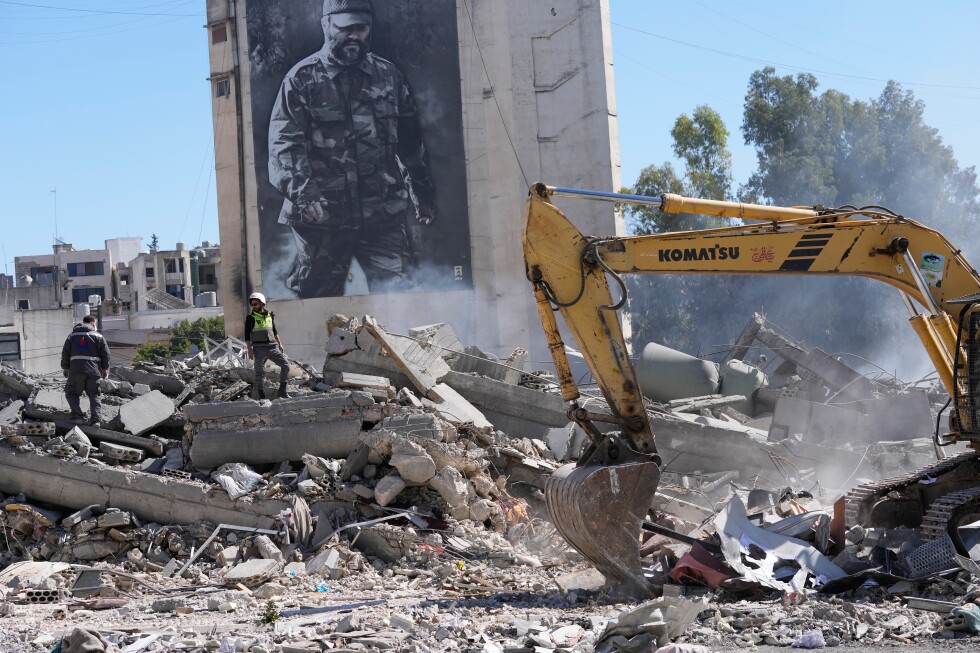
    This densely populated district, a known stronghold of Hezbollah support, has endured the fiercest Israeli assaults since the recent escalation of air and ground operations. A strike on Wednesday inflicted substantial damage to Bahman Hospital in Haret Hreik, wounding several healthcare personnel according to the Lebanese health ministry.

    The current evacuation mandate follows a broader Israeli directive for all Lebanese citizens south of the Litani River to relocate northward, a move covering hundreds of square kilometers and displacing over 300,000 people. Human Rights Watch has expressed grave concern, stating this forced displacement raises significant risks of violations under international humanitarian law.

    Concurrently, Lebanese state media reported Israeli forces making their deepest incursion since hostilities began, entering the southern town of Khiam approximately six kilometers from the border. This ground advance aligns with Israeli Defense Minister Israel Katz’s recent authorization for military operations to capture additional positions in southern Lebanon, where Israeli forces have maintained a presence since the 2024 conflict with Hezbollah.

    The escalation traces to Monday, when Hezbollah launched rockets into Israel, an act it stated was retaliation for the killing of Iranian Supreme Leader Ali Khamenei in a strike days prior. This marked a significant expansion of the US-Israeli conflict with Iran into Lebanese territory. The Lebanese health ministry reports at least 77 fatalities and 572 injuries in the renewed offensive. Israeli media indicates the government approved this new wave of attacks Sunday night, preceding Hezbollah’s rocket fire, with sources suggesting the group preemptively acted upon intelligence of an impending major Israeli decision against it.

  • Azerbaijan says Iranian drones hit passenger terminal of airport

    Azerbaijan says Iranian drones hit passenger terminal of airport

    In a significant regional escalation, Iranian drones have targeted the passenger terminal of an airport in Azerbaijan’s Nakhchivan region near the Iranian border. The Azerbaijani foreign ministry confirmed the attack and announced plans for “retaliatory measures,” marking the first instance of the Israeli-US conflict with Iran spilling over into its northern neighbor.

    Azerbaijani media reported additional drone incidents across various locations, though specific damage assessments remain unclear. Iran’s Deputy Foreign Minister Kazem Gharibabadi swiftly denied targeting neighboring countries, calling for a thorough investigation into the incident. He notably stated that only countries hosting military bases of Iran’s enemies would be targeted—a veiled reference to Azerbaijan’s close military relationship with Israel.

    In a contradictory statement, Iran’s General Staff attributed responsibility to Israel, claiming the attack was designed to falsely implicate Tehran. This development occurs amid complex demographic realities: Iran itself hosts a larger ethnic Azerbaijani population than Azerbaijan, with its West Azerbaijan province sharing a direct border.

    The attack follows intensified strikes by Israel and the US against Iranian targets beginning last Saturday, which have triggered mass crossings from Iran into Azerbaijan through the Astara border. Azerbaijan maintains particularly strong military ties with Israel, which supplied combat drones and hardware used in the 2020 Nagorno-Karabakh conflict.

    Meanwhile, Iran has responded to Western attacks by targeting US bases across multiple regional states including the UAE, Saudi Arabia, Oman, and Qatar. An anonymous Iranian foreign ministry official told Middle East Eye that Israel was behind several drone strikes against Saudi Arabia and at least one attack on Oman, though specific attribution remains contested.

    This incident exacerbates existing tensions between Baku and Tehran, compounded by calls from some Azerbaijani nationalists for unification with Iran’s Western Azerbaijan province—ambitions the government has officially denied while maintaining generally cordial relations.

  • UK says drone attack on Cyprus base was not launched from Iran

    UK says drone attack on Cyprus base was not launched from Iran

    A sophisticated drone attack on Britain’s Royal Air Force base at Akrotiri, Cyprus, has been attributed to pro-Iranian militia groups rather than direct Iranian military action, according to the UK Ministry of Defence. The Shahed-type drone successfully circumvented advanced detection systems by employing low-altitude, slow-speed flight tactics before striking a hangar housing American U-2 spy aircraft on Sunday.

    The aerial weapon detonated upon impact, creating a fireball at the facility, though officials confirmed no casualties occurred and critical equipment remained undamaged. Defence intelligence analysis determined the drone’s operational characteristics eliminated Iran itself as the launch point, pointing instead toward militia operations originating from Lebanon or western Iraq. However, investigators have been unable to definitively establish the precise launch location or identify the specific responsible actors.

    The incident has triggered significant diplomatic tensions between the UK and Cypriot governments. Cypriot authorities expressed strong criticism regarding Britain’s failure to intercept the incoming drone or provide timely warnings to local communities. The Cypriot high commissioner to the UK conveyed public anxiety, stating citizens feel ‘disappointed and scared’ by the security lapse.

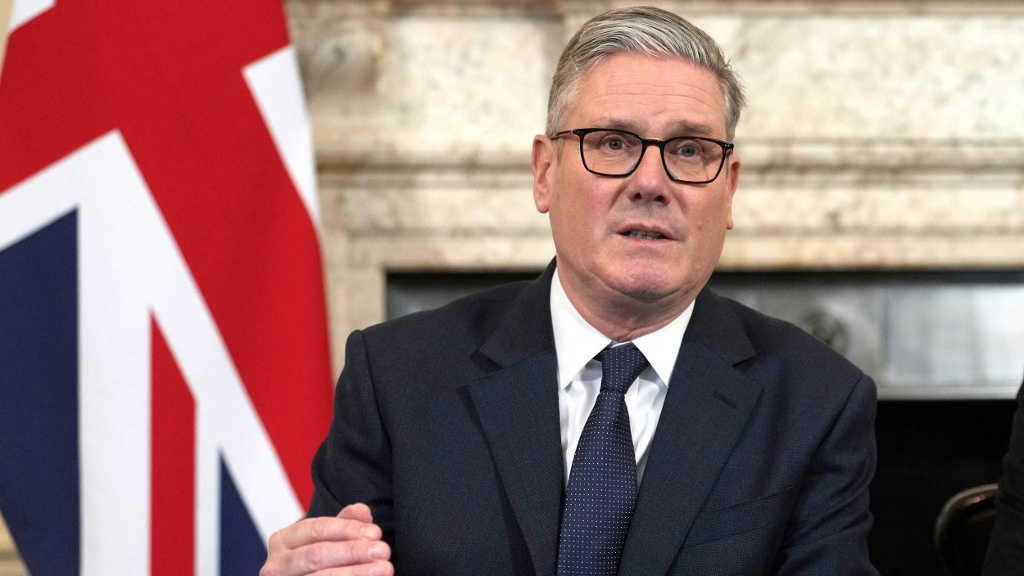
    In response to escalating regional tensions, France and Greece have deployed military reinforcements including F-16 fighter jets and anti-drone systems to Cyprus. The UK has additionally dispatched a Royal Navy destroyer to the region, scheduled to arrive next week. Prime Minister Keir Starmer has clarified that while US forces have permission to utilize UK bases for countering Iranian missile threats, the Cyprus facilities are not currently hosting American bomber operations.

  • Iranian warship hit by US torpedo did not carry ammunition, say Indian sources

    Iranian warship hit by US torpedo did not carry ammunition, say Indian sources

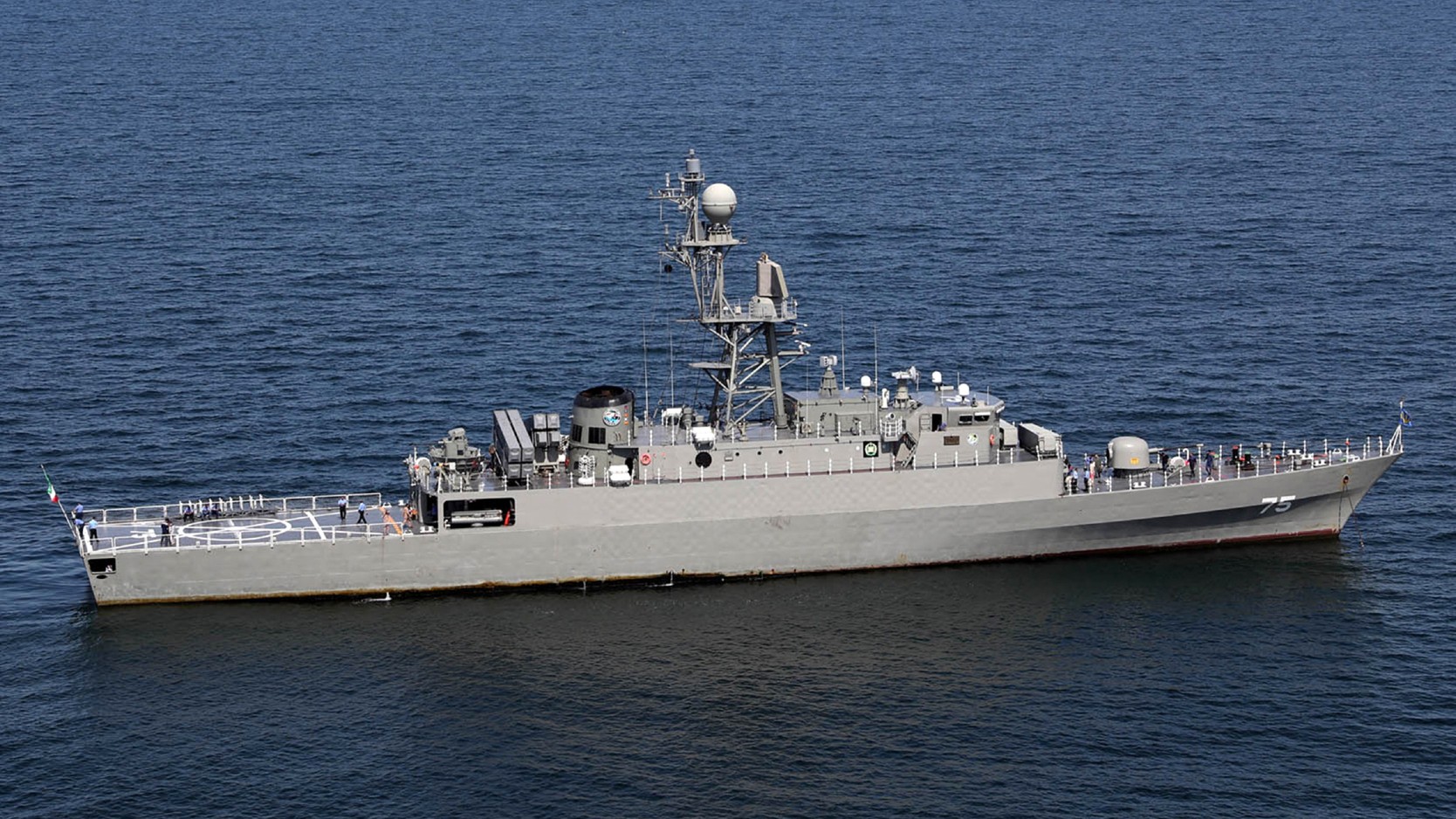
    A major international incident has erupted following the sinking of an Iranian warship by a US torpedo strike on Wednesday. The vessel, identified as the frigate IRIS Dena, was reportedly participating as a guest nation in the Milan 2026 multinational naval exercises, hosted by the Indian Navy, when it was targeted in international waters.

    According to former Indian Foreign Secretary Kanwal Sibal, the Iranian ship’s presence in the region was directly tied to India’s invitation. ‘The Iranian ship would not be where it was if we had not invited it to take part in our Milan exercise,’ Sibal stated, emphasizing that the vessel was ‘defenceless’ under the rules of the engagement, which prohibited participating ships from carrying live ammunition.

    The attack, confirmed by US Defense Secretary Pete Hegseth as the first sinking of an enemy vessel by torpedo since World War II, resulted in significant casualties. Sri Lankan Foreign Minister Vijitha Herath reported approximately 32 survivors were rescued, many with serious injuries. With the ship’s capacity estimated at 180 crew members, a majority are now presumed missing or deceased.

    Indian politician Supriya Shrinate publicly criticized Prime Minister Narendra Modi for his silence on the incident, noting on social media that the killed Iranian sailors ‘were our guests.’

    The unprovoked strike has drawn fierce condemnation from Iranian officials. Foreign Minister Abbas Aragchi denounced the action as ‘an atrocity at sea’ committed 2,000 miles from Iran’s shores and warned of impending consequences, stating, ‘Mark my words: the US will come to bitterly regret the precedent it has set.’

    In a developing aftermath, a second Iranian warship carrying over 100 sailors is currently positioned near Sri Lanka’s territorial waters. Officers aboard have reportedly requested an urgent port call, fearing a similar attack, though Sri Lankan authorities have not yet granted approval.

  • Ecuadorean troops find 35m-long ‘narco-sub’ hidden in nature reserve

    Ecuadorean troops find 35m-long ‘narco-sub’ hidden in nature reserve

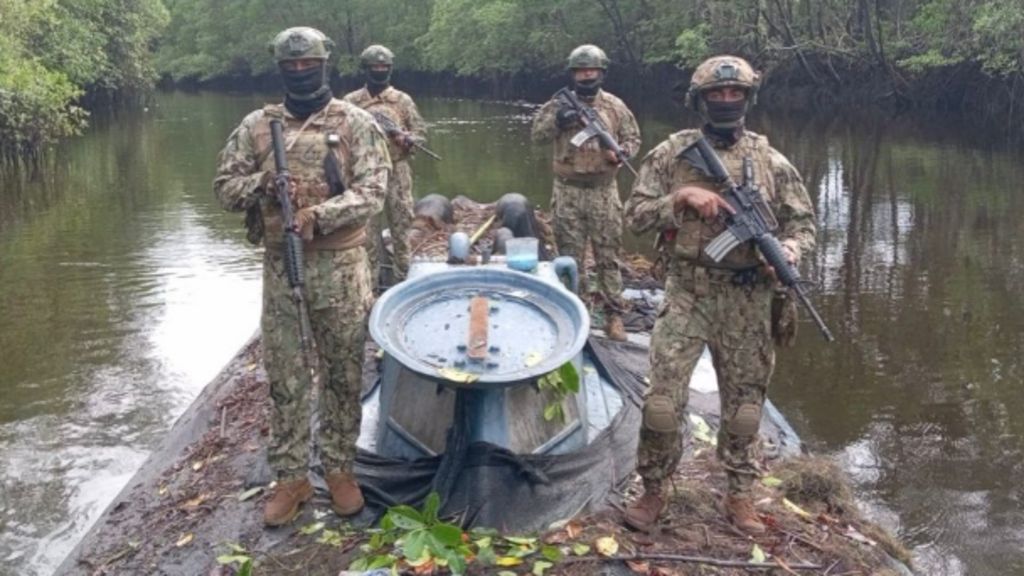
    Ecuadorian military forces have intercepted a sophisticated 35-meter (115-foot) semi-submersible vessel designed for transnational drug trafficking operations. The clandestine craft was discovered concealed within the mangrove swamps of the Cayapas–Mataje Ecological Reserve, located near Ecuador’s volatile border with Colombia.

    According to an official statement from Ecuador’s Defense Ministry, the narco-submarine was fully fueled with approximately 6,000 gallons (22,700 liters) of petroleum, indicating preparations for an extended narcotics smuggling journey. The military operation also uncovered an adjacent encampment functioning as a logistical coordination center for criminal operations, along with six high-speed boats, seven outboard motors, and numerous fuel containers.

    The discovery occurred shortly after President Daniel Noboa declared a ‘new phase’ in Ecuador’s comprehensive campaign against powerful drug cartels. The operation turned hostile when military personnel encountered armed resistance from unidentified individuals, though no casualties were reported. Notably, the defense ministry’s announcement did not reference any narcotics seizures or arrests during this specific intervention.

    Ecuador’s strategic positioning between Colombia and Peru—the world’s primary cocaine producers—has transformed the nation into a critical transit corridor for illicit drugs destined for markets in the United States, Europe, and Australia. This development coincides with strengthened security cooperation between the Noboa administration and United States authorities, including recent high-level discussions between Ecuadorian officials and General Francis Donovan, commander of US Southern Command.

    While US involvement in this particular operation remains unconfirmed, Washington has significantly intensified its counter-narcotics efforts in the region through ‘Operation Southern Spear.’ This initiative, launched in September, has reportedly targeted numerous suspected drug trafficking vessels in Pacific and Caribbean waters, resulting in over 150 fatalities.

  • Mideast war traps 20,000 seafarers, 15,000 cruise passengers in Gulf

    Mideast war traps 20,000 seafarers, 15,000 cruise passengers in Gulf

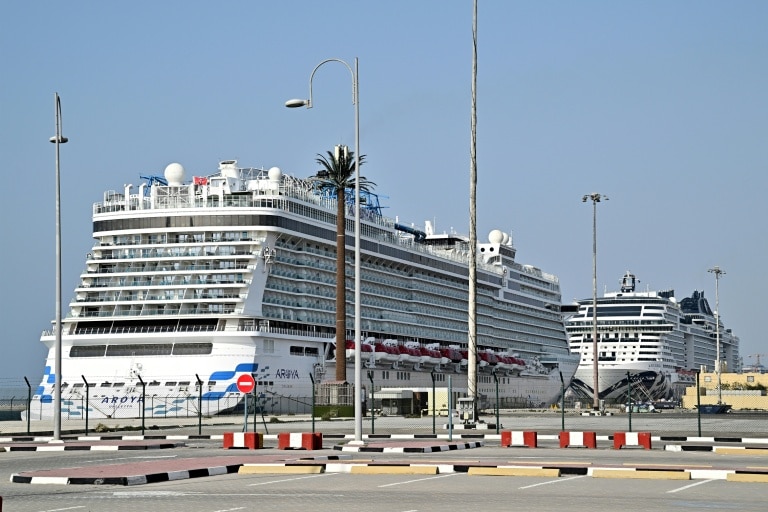
    The escalating Middle Eastern conflict has created an unprecedented humanitarian and logistical crisis in the Gulf region, leaving approximately 35,000 individuals stranded aboard vessels. According to the UN’s International Maritime Organization (IMO), this includes 20,000 professional seafarers and 15,000 cruise ship passengers whose mobility has been severely restricted.

    The maritime industry has officially escalated the threat level, redesignating the Strait of Hormuz, Gulf of Oman, and the broader Gulf as a ‘Warlike Operations Area.’ This critical classification grants maritime workers enhanced protections and reflects the severe deterioration of security in one of the world’s most vital energy transit corridors. Since the outbreak of hostilities, the IMO has documented seven separate maritime incidents, resulting in two fatalities and seven injuries.

    IMO Secretary General Arsenio Dominguez condemned the violence, stating, ‘Beyond the economic impact of these alarming attacks, it is a humanitarian issue. No attack on innocent seafarers is ever justified.’ He urged all shipping companies to exercise extreme caution while operating in the affected waters.

    The strategic Strait of Hormuz, a chokepoint for approximately one-fifth of global crude oil and significant liquefied natural gas supplies, has been effectively shut down by Iranian Revolutionary Guards, who claim ‘complete control.’ This blockade has triggered a massive operational halt, with shipping behemoths like Maersk suspending all new bookings. Energy intelligence firm Kpler reported a staggering 90% decline in oil tanker transits compared to the previous week.

    The economic repercussions are immediate and severe. Global oil prices surged dramatically, with West Texas Intermediate crude jumping over 5% to $78.88 per barrel—its highest point since last January. The international benchmark, Brent North Sea crude, also rose sharply by 3.6% to $84.34 per barrel.

    In a joint statement, the International Transport Workers’ Federation (ITF) and maritime employer representatives highlighted the scale of the disruption, noting that ‘hundreds of vessels are stranded.’ ITF General Secretary Stephen Cotton described the situation as the most severe he has witnessed in 32 years, citing profound diplomatic uncertainty. He clarified the grim reality for crews, explaining that even with the right to request repatriation, logistical constraints and minimum safe manning requirements make immediate evacuation impossible.

    This region now joins other globally recognized high-threat maritime zones, including parts of the Sea of Azov, the northern Black Sea, and the Gulf of Aden, all classified as Warlike Operations Areas.

  • Panic in Beirut as Israel warns people to evacuate from the city’s southern suburbs

    Panic in Beirut as Israel warns people to evacuate from the city’s southern suburbs

    BEIRUT — Panic engulfed Lebanon’s capital Thursday as unprecedented traffic gridlock paralyzed the city following Israel’s military directive ordering the complete evacuation of all southern Beirut suburbs. The emergency warning advised residents to “save your lives and evacuate your homes immediately” through specified routes toward central Beirut and northern areas.

    This blanket evacuation order for the Dahiyeh district—a known Hezbollah stronghold—signals an anticipated major Israeli bombardment operation. While Israel had previously issued warnings for areas south of the Litani River, this marks the first comprehensive evacuation mandate for Beirut’s southern suburbs since hostilities reignited between Israel and Hezbollah.

    The escalation follows Monday’s missile and drone attacks by Hezbollah into Israel—the first such assault in over a year—which came in response to recent U.S. and Israeli strikes on Iran. Israeli retaliation has included sustained bombardment of southern Lebanon and Beirut’s outskirts.

    According to updated figures, the conflict has already claimed 102 lives and displaced over 83,000 Lebanese citizens prior to Thursday’s evacuation order. The directive prompted urgent diplomatic intervention, with Lebanese President Joseph Aoun urgently contacting French counterpart Emmanuel Macron seeking intervention to prevent widespread strikes.

    Macron issued a statement demanding immediate de-escalation, calling for Hezbollah to cease fire toward Israel while urging Israel to refrain from ground interventions or large-scale operations in Lebanese territory. The French president confirmed communications with U.S. President Donald Trump, Israeli Prime Minister Benjamin Netanyahu, and Lebanese leadership, while announcing Paris would send humanitarian aid to Lebanon.

    Residents expressed both fear and frustration while fleeing. “We don’t put anything past them (Israel), they will strike us no matter where we go,” said Hadi Kaakour, a Dahiyeh resident. Another evacuee, Yousef Nabulsi, lamented: “We got sucked into a mess that we have nothing to do with. People have been displaced and are now staying on the streets, and this is wrong.”

    UNIFIL peacekeepers confirmed the first ground combat observations west of Kfar Kila near the Israeli border, including weapon fire and aerial attacks. This development follows Israel’s Tuesday announcement of additional troops moving into southern Lebanon, where Israeli forces have maintained presence since the November 2024 ceasefire.

    The Lebanese army has withdrawn from border areas as Israeli troops advanced, while Hezbollah has published statements and video evidence of attacks on Israeli forces, including missile strikes against tanks. The Israeli army confirmed two soldiers wounded by anti-tank fire in Lebanon on Wednesday.

  • Wary Europeans pledge ‘defensive’ military aid in Mideast war

    Wary Europeans pledge ‘defensive’ military aid in Mideast war

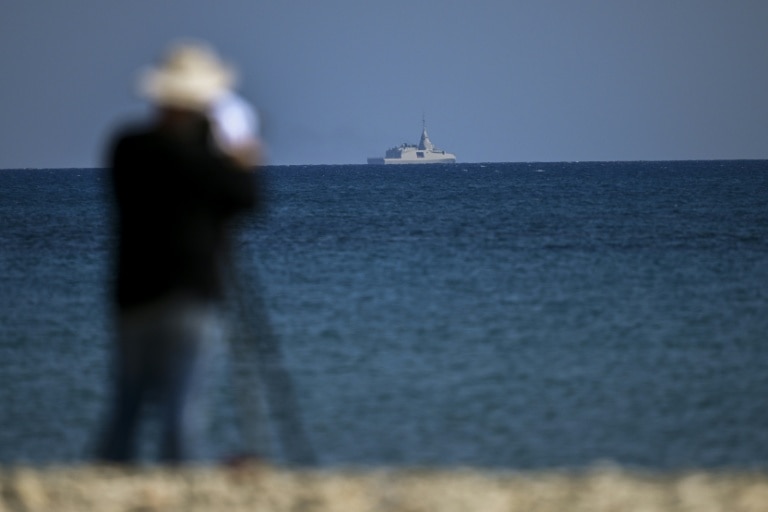
    European powers are cautiously escalating military deployments to the Eastern Mediterranean as the Israel-Iran conflict expands regionally, with multiple nations emphasizing strictly defensive postures while avoiding direct combat involvement. The collective response follows recent attacks on Cyprus and Western interests in the Gulf, creating a complex security challenge for EU members.

    Britain has dispatched HMS Dragon, a warship equipped with rapid-fire Sea Viper missile systems, alongside Wildcat helicopters carrying anti-drone Martlet missiles. This deployment complements four Typhoon fighter jets sent to Qatar, though Prime Minister Keir Starmer initially resisted US requests to utilize British bases for offensive operations, drawing criticism from former President Donald Trump.

    France has committed its nuclear-powered aircraft carrier Charles de Gaulle, carrying 20 Rafale fighter jets and advanced radar aircraft, to the region. Additional air defense units are being deployed to Cyprus, building on previous successful engagements by frigate Languedoc against Huthi rebel drones in the Red Sea. Paris has permitted US support aircraft to use Istres air base with strict guarantees against offensive operations.

    Greece has contributed two frigates and four F-16 fighter jets to Cyprus while allowing US access to its Souda Bay base in Crete. Italy plans to send naval assets alongside France, the Netherlands and Spain, plus anti-drone and missile defense systems to Gulf partners. Defense Minister Guido Crosetto emphasized that US aircraft using Italian bases would be limited to logistical support under existing agreements.

    Portugal authorized conditional use of its Lajes base in the Azores for defensive or retaliatory operations exclusively targeting military objectives. Spain, despite Prime Minister Pedro Sanchez’s vocal opposition to the conflict and refusal to permit US base access, will deploy its advanced frigate Cristobal Colon to provide aerial defense and potential civilian evacuation support around Cyprus.

    The coordinated but carefully constrained European response reflects balancing act between supporting allies and avoiding direct entry into the escalating Middle East conflict, with all participating nations explicitly characterizing their contributions as defensive measures.