分类: world

  • US eases sanctions on Russian oil sales to India during Iran conflict

    US eases sanctions on Russian oil sales to India during Iran conflict

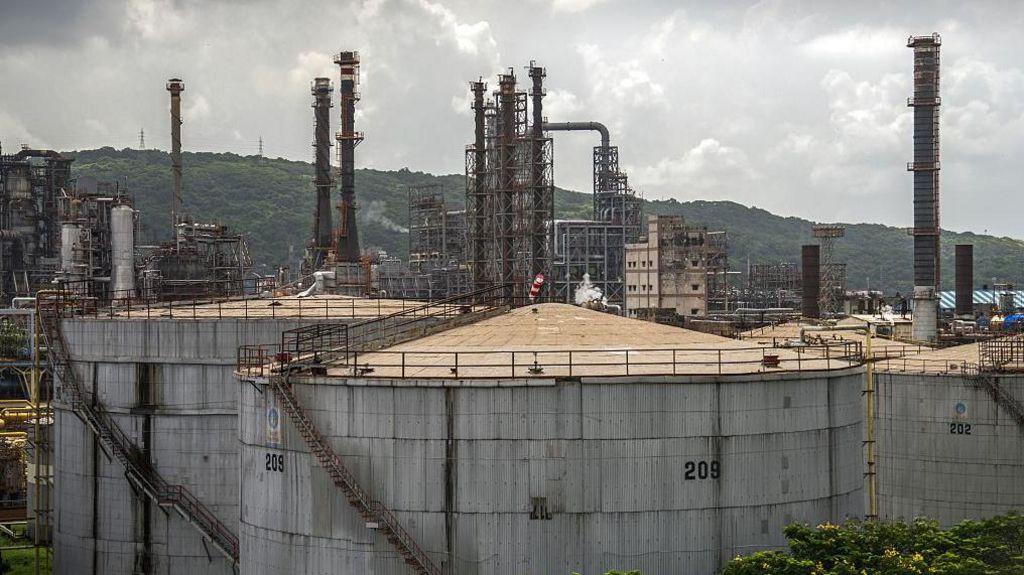
    In an unprecedented move to stabilize global energy markets, the United States has issued a temporary sanctions waiver permitting India to purchase Russian oil currently stranded at sea near the volatile Strait of Hormuz. This decision comes as escalating Middle Eastern tensions threaten to disrupt nearly half of India’s crude oil imports that transit through this critical maritime chokepoint.

    U.S. Treasury Secretary Scott Bessent characterized the 30-day authorization as a “deliberate short-term measure” designed to maintain global oil flow stability. The waiver specifically applies to Russian oil already immobilized at sea, with Bessent emphasizing that it would “not provide significant financial benefit” to Moscow while alleviating pressure caused by “Iran’s attempt to take global energy hostage.”

    The geopolitical context reveals multiple intersecting crises: Iran has threatened attacks on vessels attempting to navigate the Strait of Hormuz following the initiation of U.S. and Israeli military operations against Tehran. Simultaneously, the indefinite supply halt has triggered concerns about an impending energy crisis in India, which reportedly maintains only about 25 days of crude oil and gas reserves.

    Energy market analysts indicate that approximately 145 million barrels of Russian crude could potentially be redirected to Indian ports if commercial agreements are finalized under this waiver. However, research analysts caution that this measure doesn’t fundamentally alter India’s structural dependence on Middle Eastern supply chains, which account for roughly 2.5-2.7 million barrels per day of India’s oil imports.

    The waiver represents a notable policy shift for the Trump administration, which previously imposed 50% tariffs on India—including a 25% levy on Russian oil imports—alleging that India’s purchases were funding Russia’s war in Ukraine. This temporary authorization follows February’s trade agreement that reduced tariffs to 18% and reportedly involved Indian commitments to decrease Russian oil purchases in favor of U.S. and potentially Venezuelan supplies.

    Industry impacts are already materializing, with Petronet LNG issuing force majeure notices to Qatari suppliers and Indian buyers after LNG tankers were unable to reach loading terminals. The Gas Authority of India Ltd and Indian Oil Corp have begun reducing gas supplies to industrial customers, signaling the tangible effects of supply chain disruptions.

    Despite political pressures, India has consistently maintained its right to determine its trading relationships, defending Russian oil purchases as necessary to meet the energy needs of its vast population. With Russian oil comprising approximately 20% of India’s total imports, experts warn that prolonged closure of the Strait of Hormuz could trigger inflation and expand India’s fiscal deficit, underscoring the fragile balance between geopolitical constraints and energy security demands.
  • Sri Lanka takes control of an Iranian vessel off its coast after US sunk an Iranian warship

    Sri Lanka takes control of an Iranian vessel off its coast after US sunk an Iranian warship

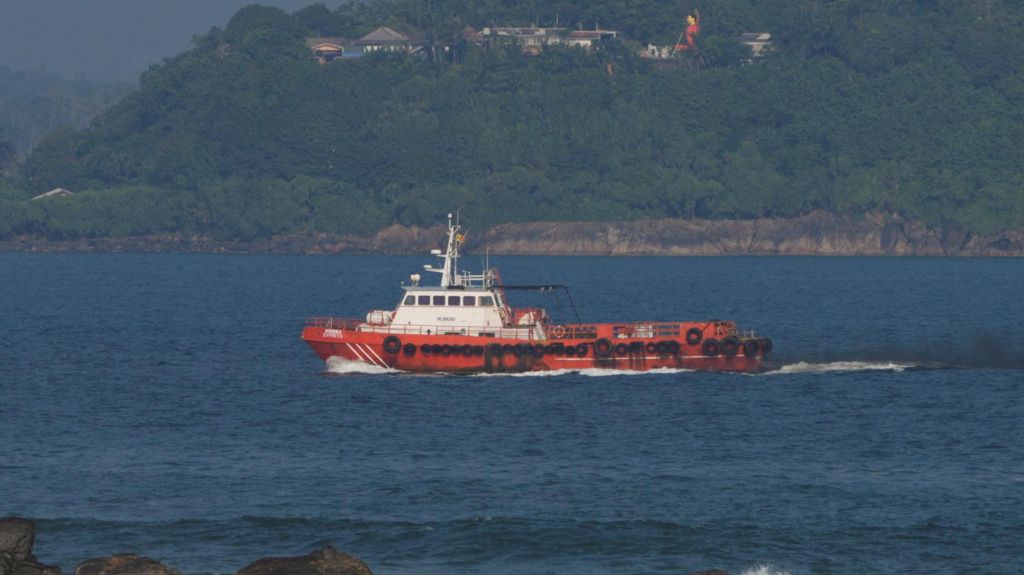
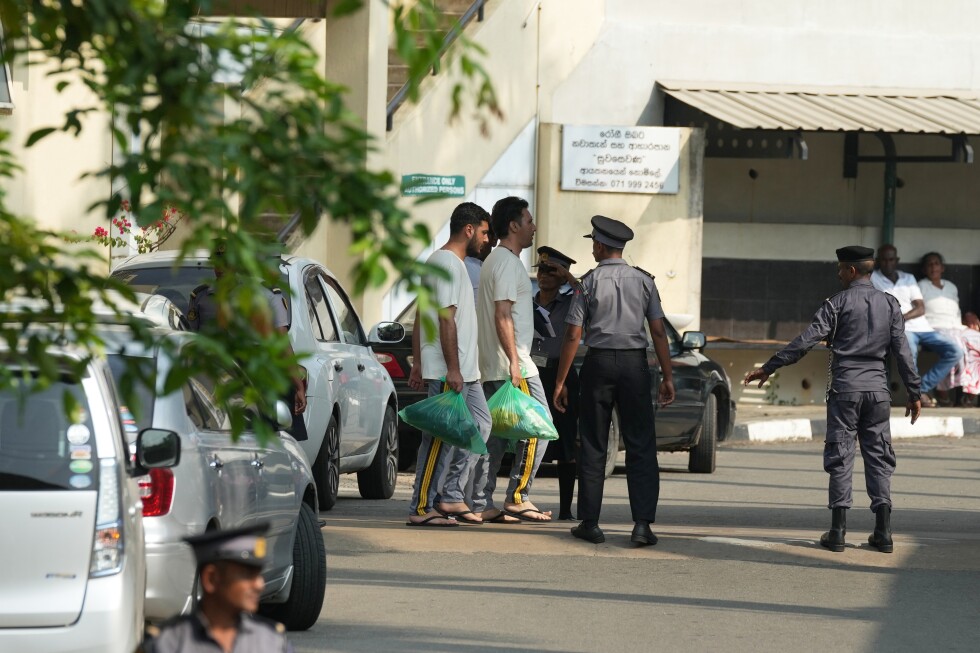
    COLOMBO, Sri Lanka — In a significant humanitarian gesture amid escalating maritime tensions, Sri Lankan authorities commenced the evacuation of 200 sailors from the Iranian vessel IRIS Bushehr on Friday. The operation follows the ship’s distress call after experiencing engine failure while positioned outside Sri Lankan territorial waters.

    This development occurs against the backdrop of heightened military alertness in the Indian Ocean, triggered by the unprecedented sinking of the Iranian warship IRIS Dena by a U.S. submarine earlier this week—one of the rare instances of submarine-surface vessel combat since World War II.

    Navy spokesman Commander Buddhika Sampath confirmed the ongoing disembarkation process, noting that crew members would undergo standard medical examinations and immigration formalities before temporary relocation to the Welisara naval base north of Colombo. The vessel itself will subsequently be towed to the eastern port of Trincomalee for repairs.

    Sri Lankan President Anura Kumara Dissanayake characterized the decision as a complex balancing act between humanitarian obligations, international maritime conventions, and the nation’s longstanding non-alignment policy. “We have to understand that this is not an ordinary situation,” Dissanayake stated during a press briefing, emphasizing that the move followed consultations with Iranian officials and the ship’s captain.

    The geopolitical implications extend far beyond technical assistance. The IRIS Dena had recently participated in multinational naval exercises hosted by India—involving 74 nations including the United States—before its fateful encounter in international waters. The sinking prompted Iran’s Foreign Minister Abbas Araghchi to condemn the action as an “atrocity at sea” and vow that the U.S. would “bitterly regret” the attack.

    Analysts observe that these events signal concerning expansion of Middle Eastern conflicts into the Indian Ocean, placing strategically positioned nations like Sri Lanka in diplomatically delicate positions. President Dissanayake reinforced his administration’s neutral stance on social media, affirming that “no civilian should die in wars” while maintaining that “every single life is as precious as our own.”

  • Israeli airstrikes hit S. Beirut after full evacuation warning

    Israeli airstrikes hit S. Beirut after full evacuation warning

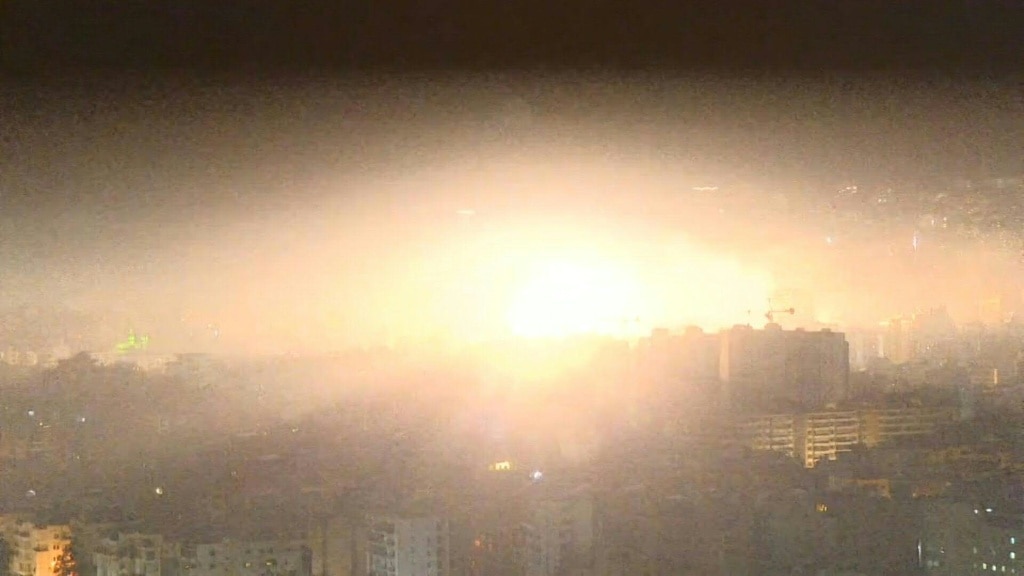
    BEIRUT – In a significant escalation of hostilities, Israeli warplanes conducted a new series of airstrikes on the southern suburbs of Beirut late Thursday. The military action followed an unprecedented full-scale evacuation warning issued by Israel for the entire Dahieh area, a known Hezbollah stronghold.

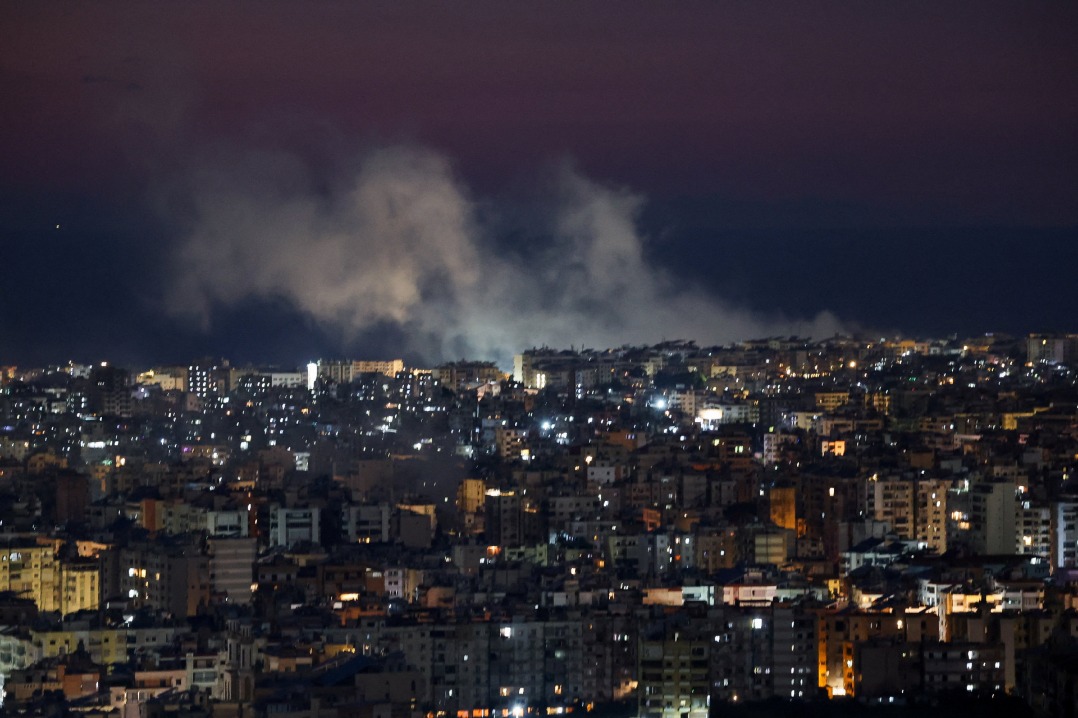
    The Israeli military’s urgent directive, demanding immediate departure of all residents from Beirut’s southern periphery, marked the first instance of such a comprehensive evacuation order for the region. The subsequent aerial bombardment created plumes of smoke visible across the city, as documented from vantage points in Baabda.

    Lebanese health authorities reported a mounting humanitarian toll, with official figures indicating 123 fatalities and 683 injuries resulting from Israeli operations since Monday. The violence has created a rapidly deteriorating security situation throughout southern Lebanon.

    Diplomatic channels saw intensified activity as Lebanese President Joseph Aoun engaged in urgent discussions with French President Emmanuel Macron. President Aoun detailed the deteriorating security conditions and specifically appealed for French intervention to prevent Israeli strikes on the southern suburbs of Beirut following the evacuation threats.

    In parallel developments, President Macron also conferred with Lebanese Parliament Speaker Nabih Berri. The French leader communicated his government’s readiness to initiate necessary diplomatic contacts and provide urgent humanitarian assistance to Lebanon, according to statements from the National News Agency.

    The current escalation cycle began when Hezbollah launched missile and drone attacks against Israel on Monday, characterizing the offensive as retaliation for the killing of Iran’s Supreme Leader Ali Khamenei and repeated Israeli military actions on Lebanese territory. Israel responded with extensive airstrikes targeting Hezbollah positions and deployed ground forces into southern Lebanon, signaling a potential expansion of the conflict.

  • Heavy attacks hit Tehran as Israel says war in ‘new phase’

    Heavy attacks hit Tehran as Israel says war in ‘new phase’

    The Middle Eastern conflict entered a perilous new chapter as heavy Israeli strikes targeted Iran’s capital, Tehran, on Friday. This escalation follows Israel’s declaration of a ‘new phase’ in its joint military campaign with the United States, specifically aimed at dismantling ‘regime infrastructure.’ Plumes of smoke were witnessed rising over the city in the aftermath of the attacks.

    The conflict, now in its seventh day, has triggered significant regional repercussions. Lebanon’s health ministry reported a rising death toll of 123 from Israeli airstrikes. In a separate incident, Qatar announced its air defenses had intercepted a drone targeting the Al-Udeid airbase, which hosts U.S. forces.

    U.S. Defense Secretary Pete Hegseth declared that ‘firepower over Iran and over Tehran is about to surge dramatically,’ signaling a prolonged and intensified campaign. This stance was echoed by Israeli Lieutenant General Eyal Zamir, who warned of ‘additional surprises’ designed to further degrade the Iranian regime’s military capabilities.

    In retaliation, Iran’s Revolutionary Guards launched missile salvos towards Tel Aviv. AFP journalists documented simultaneous waves of explosions in the Israeli city, with rocket trails visible in the sky over Netanya. The humanitarian cost continued to mount, with an Iranian state-run foundation claiming a death toll of 1,230 within Iran, though this figure remains unverified.

    The conflict has drawn in multiple nations. Hezbollah, backed by Iran, has engaged from Lebanon, prompting a mass exodus of civilians from Beirut’s southern suburbs. Displaced families sought refuge on beaches, with one evacuee, Yousef, questioning the purpose of the war. Further afield, incidents were reported from the Sri Lankan coast to Azerbaijan, and Gulf nations like Bahrain and Saudi Arabia reported intercepting projectiles.

    An information blackout in Iran, with internet connectivity at 1% of normal levels according to Netblocks, has obscured the full impact on the population. Evacuated students described scenes of terror as strikes shook Tehran. U.S. President Donald Trump inserted himself into the political future of Iran, dismissing the possibility of Ayatollah Khamenei’s son, Mojtaba, succeeding his slain father and stating he would ‘have to be involved’ in appointing a new leader who brings ‘harmony and peace.’
    Despite the escalation, Admiral Brad Cooper, head of U.S. Central Command, noted a significant decrease in Iranian ballistic missile and drone attacks since the conflict began. The crisis has already disrupted global markets, energy supplies, and travel, casting a long shadow over international stability.

  • Japan says a second Japanese person is detained in Iran and demands their early release

    Japan says a second Japanese person is detained in Iran and demands their early release

    TOKYO — Japan’s Foreign Ministry confirmed on Friday that a second Japanese citizen has been detained in Iran, escalating diplomatic concerns between the two nations. The ministry has formally demanded the immediate release of both detained individuals while confirming their safety and well-being.

    Government officials revealed that the second detention occurred prior to the February 28 military strikes on Iran conducted by the United States and Israel. While maintaining the detainee’s safety, Japanese authorities declined to provide specific details regarding the timing of detention or potential connections to the earlier case involving a Japanese journalist.

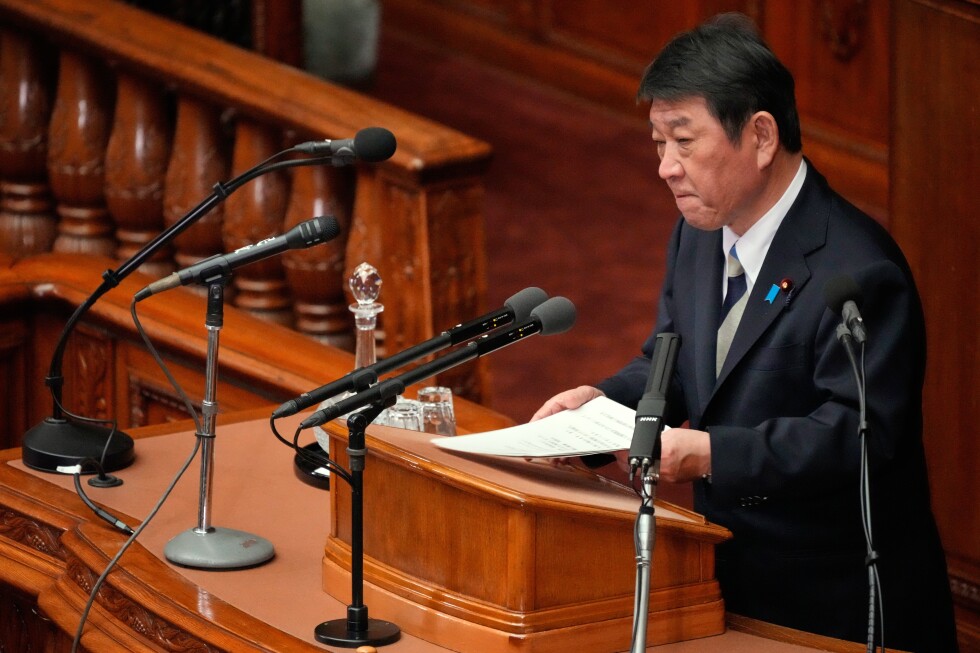
    Foreign Minister Toshimitsu Motegi addressed the situation during a parliamentary session, confirming that diplomatic channels have established contact with both detainees following the recent military actions. “The government is implementing comprehensive measures to support them, their families, and all affected parties,” Motegi stated, emphasizing Japan’s commitment to resolving the situation through diplomatic means.

    The minister further disclosed that during a meeting with Iran’s ambassador this week, he explicitly emphasized the critical importance of protecting the detainees and securing their prompt release.

    International press freedom organizations have identified the first detainee as Shinnosuke Kawashima, Tehran bureau chief for Japan’s public broadcaster NHK. According to the Committee to Protect Journalists, Kawashima was arrested on January 20 by Iran’s Islamic Revolutionary Guard Corps and subsequently transferred to Evin Prison on February 23. The CPJ has joined Japan in calling for the immediate release of all journalists detained for their professional activities.

  • Demand for minerals to power technology could triple by 2030, UN political chief says

    Demand for minerals to power technology could triple by 2030, UN political chief says

    UNITED NATIONS — The United Nations Security Council convened a high-level session Thursday focusing on the escalating global competition for critical minerals, with projections indicating demand could triple by 2030 and quadruple by 2040. The special session, initiated by the United States during its Security Council presidency, addressed the strategic importance of minerals including lithium, cobalt, and nickel in powering both the digital economy and global energy transition.

    UN Undersecretary-General Rosemary DiCarlo revealed that trade in raw and semi-processed minerals reached approximately $2.5 trillion in 2023, accounting for over 10% of global trade. “A decade ago, these minerals had limited strategic importance,” DiCarlo stated. “Today, they underpin technologies essential to national security and economic stability.”

    The session highlighted growing geopolitical tensions surrounding mineral access. U.S. Energy Secretary Chris Wright emphasized the security imperative of diversifying supply chains, noting that over-reliance on any single nation poses significant risks. This position reflects ongoing U.S. efforts to establish a critical minerals trading bloc with allied nations to counter China’s current dominance in the sector.

    Chinese Ambassador Fu Cong acknowledged the supply-demand imbalances emerging as the world enters “a new period of turbulence and transformation.” He advocated for enhanced international cooperation and promoted China’s G20-initiated ‘green mining’ transformation program as a solution for sustainable resource extraction.

    The geopolitical maneuvering extends to resource-rich nations experiencing instability. Venezuela has offered security assurances to mining companies operating in regions previously controlled by armed groups, while Congo’s President has proposed mineral access worth an estimated $24 trillion in exchange for U.S. support in combating rebels and developing infrastructure. Congo’s UN Ambassador Zenon Mukongo emphasized the private sector’s responsibility to ensure mineral extraction doesn’t finance armed conflicts or violate national laws.

  • Sri Lanka takes control of second Iranian vessel a day after US sub attack

    Sri Lanka takes control of second Iranian vessel a day after US sub attack

    The Pentagon has released footage documenting the precise moment a US submarine-launched torpedo struck and sank the Iranian frigate Iris Dena in the Indian Ocean. The attack, occurring approximately 44 nautical miles off the southern coast of Sri Lanka, resulted in the deaths of at least 87 Iranian crew members, with 32 survivors receiving treatment for serious injuries in a Galle hospital. Search operations continue for missing personnel.

    This naval engagement, described by US Defense Secretary Pete Hegseth as a demonstration of American military prowess and the first such torpedo sinking of an enemy vessel since World War II, marks a significant escalation in the widening Middle East conflict. Iranian Foreign Minister Abbas Araghchi condemned the act as an ‘atrocity at sea’ and vowed the US would ‘bitterly regret’ its actions.

    In a subsequent and diplomatically complex development, a second Iranian naval vessel, the Irins Bushehr, requested emergency docking at a Sri Lankan port citing a malfunctioning engine. After hours of deliberation, Sri Lankan President Anura Kumara Dissanayake authorized the vessel to dock at the port of Trincomalee in the northeast, deliberately avoiding the major commercial hub of Colombo to mitigate potential adverse impacts on the country’s maritime industry.

    The crew of 208 from the Irins Bushehr, comprising officers and sailors, are to be evacuated and brought to Colombo. President Dissanayake framed the decision as a demonstration of Sri Lanka’s commitment to humanitarian values and international conventions, stating the nation would ‘never hesitate to protect humanity’ while steadfastly safeguarding its neutrality. This incident places Sri Lanka, a nation with strong economic ties to both Iran and the US, squarely in the middle of the escalating conflict. The country, a longstanding adherent to a non-aligned policy since 1948, continues to stress its impartiality amidst the US-Israeli military campaign against Iran.

  • Canadian teen died from drowning after dingo attack in Australia

    Canadian teen died from drowning after dingo attack in Australia

    A comprehensive coronial investigation has concluded that Piper James, a 19-year-old Canadian backpacker, tragically drowned after being attacked by dingoes on K’Gari (formerly Fraser Island), Australia. The incident occurred on January 19th, when her body was discovered at dawn on a beach, encircled by approximately ten of the native wild dogs.

    The Queensland state coroner’s court officially stated that the cause of death was ‘drowning in the setting of multiple injuries, due to, or as a consequence of a dingo attack.’ While post-mortem examination revealed extensive bite marks, investigators determined these were inflicted after her death and were not the immediate cause. The investigation into the full circumstances remains ongoing.

    In response to the attack, at least six of the dingoes involved were subsequently euthanised. The dingo population on K’Gari, estimated at 200, is a protected native species under Australian law.

    Piper James had been employed at a local hostel in the weeks preceding the tragedy. Friends reported her intention to go for an early morning swim, a routine her mother confirmed was a cherished way for her daughter to feel free while watching the sunrise over the ocean.

    Her grieving parents, Angela and Todd James, memorialized Piper as a vibrant individual with a ‘kind spirit’ and an ‘infectious laugh,’ who had diligently saved for her Australian adventure after high school graduation.

    This marks the first fatal dingo attack on the island since 2001, when a nine-year-old boy was killed. A more recent non-fatal incident in 2023 saw a jogger forced into the ocean to escape an attack before being rescued by witnesses.

  • Diplomats tell Lebanon ban on Hezbollah worthless unless army steps in

    Diplomats tell Lebanon ban on Hezbollah worthless unless army steps in

    Amid escalating military operations in southern Lebanon, a critical diplomatic confrontation is unfolding behind closed doors. Israel and Western intermediaries have delivered a stark warning to Lebanese officials: symbolic government actions against Hezbollah hold no value without tangible enforcement on the ground.

    According to diplomatic sources, Israeli officials characterized Lebanon’s recent ban on Hezbollah’s military activities as “not worth the ink it was written with.” This message was subsequently reinforced by foreign diplomats with an even sharper ultimatum: unless the Lebanese Army actively confronts and pursues Hezbollah members, Israel will consider the government’s measures politically hollow.

    This diplomatic pressure arrives at a moment of extreme vulnerability for Lebanon. The government’s unprecedented decision to ban Hezbollah’s military activities—following the group’s resumption of cross-border fire after 15 months of restraint—represented a historic shift in internal power dynamics. Prime Minister Nawaf Salam explicitly asserted that the state alone holds the authority over decisions of war and peace.

    However, diplomatic communications suggest Israel’s calculations have advanced beyond mere pressure toward operational planning. Multiple Western diplomats have informed Lebanese officials that Israel has decided on a limited ground incursion into Lebanese territory. The described plan involves Israeli forces pushing up to 15 kilometers into southern Lebanon, establishing buffer zones, and eliminating perceived threats north of the Litani River while fully clearing areas to its south.

    More alarming military assessments, relayed through Egyptian sources, indicate potential for a two-front offensive from both southern and eastern axes, effectively isolating southern Lebanon from the Bekaa Valley. Israeli strategic thinking is increasingly framed as a “once and for all” operation against Hezbollah.

    The humanitarian consequences are already severe. Israel’s evacuation orders—extending from southern Lebanon to four neighborhoods in Beirut’s southern suburbs (the first such directive since 2006)—have displaced approximately 60,000 people. UNHCR reports at least 30,000 displaced individuals have entered collective shelters as Israeli strikes intensify across southern Lebanon, Bekaa, and Dahiyeh.

    Simultaneously, Syria’s military buildup along the Lebanese border appears designed to choke off weapons-smuggling routes to Hezbollah at international request, rather than preparation for offensive action. For Lebanese officials, the dilemma is brutally narrow: enforce the decision against Hezbollah and risk internal confrontation, or face Israel’s military intervention to redraw southern Lebanon’s military map permanently. The messages reaching Beirut may not merely be threats but an attempt to force a definitive choice upon a fractured state.

  • Iran war: 15,000 cruise ship passengers trapped in Gulf waters

    Iran war: 15,000 cruise ship passengers trapped in Gulf waters

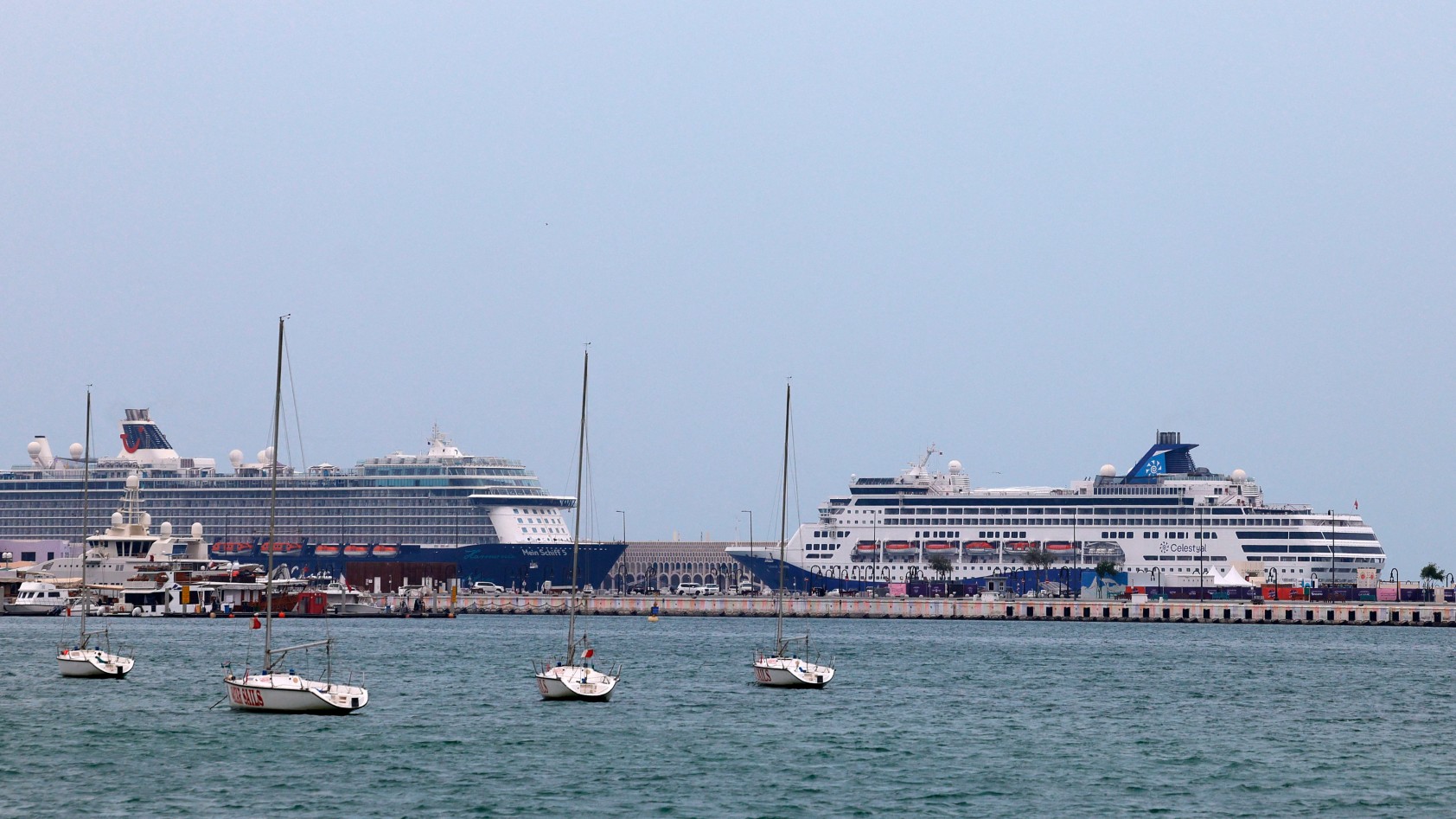
    A severe maritime crisis has unfolded in the Persian Gulf region, leaving approximately 35,000 individuals stranded amid escalating regional hostilities. According to the International Maritime Organization (IMO), a United Nations agency, this includes roughly 15,000 cruise ship passengers and 20,000 seafarers trapped as conflict has brought commercial shipping to a virtual standstill.

    The humanitarian and economic impact continues to grow as the vital Strait of Hormuz, typically one of the world’s most crucial oil transit channels, has been nearly closed by Iranian authorities following the outbreak of regional warfare. Maritime traffic through this critical chokepoint has plummeted dramatically, with seaborne traffic declining by 80% over a recent weekend and oil tanker transits experiencing a staggering 90% reduction compared to the previous week.

    IMO Secretary General Arsenio Dominguez condemned the situation, stating, ‘Beyond the economic impact of these alarming attacks, it is a humanitarian issue. No attack on innocent seafarers is ever justified.’ He reiterated calls for all shipping companies to exercise maximum caution when operating in the affected region.

    The human cost became tragically clear with reports that two Indian crew members, identified as Ashish Kumar and Dalip Singh, were killed in attacks on the Palau-flagged oil tanker Skylight in the Gulf of Oman. An estimated 23,000 Indian crew members remain stranded near the Hormuz Strait, unable to safely transit the region.

    This maritime freeze represents just one sector of the growing number of industries disrupted by the Middle East conflict, with tourism particularly severely affected. Global Forecasting projects inbound arrivals could fall by as much as 25% year-on-year by 2026 if the situation persists.