分类: world

  • BBC looks at how Cubans are living with fuel shortages

    BBC looks at how Cubans are living with fuel shortages

    Cuba is confronting one of its most severe energy crises in recent history, with widespread fuel shortages creating profound challenges for daily life. The BBC’s on-the-ground reporting from Havana reveals a population adapting to extended power outages and transportation paralysis. Correspondent Will Grant documents how citizens spend hours in queues for rationed gasoline while businesses operate on limited schedules due to unreliable electricity supply.

    The current situation stems from a complex combination of factors including tightened US sanctions, structural deficiencies in domestic infrastructure, and broader economic vulnerabilities. These elements have converged to create an energy emergency that impacts nearly every aspect of Cuban society.

    Interviews with local residents reveal innovative adaptation strategies, from carpooling initiatives to revived bicycle transportation. Many describe reorganizing their lives around the predictable unpredictability of power availability, scheduling cooking, work, and family activities during windows of electricity access.

    The energy deficit has particularly affected medical services, education, and food preservation, raising concerns about public health implications. Despite these challenges, the reporting captures a resilient population demonstrating remarkable ingenuity in navigating the crisis while maintaining hope for improved conditions.
  • Russia was behind parcel fires in UK and Europe, investigators say

    Russia was behind parcel fires in UK and Europe, investigators say

    European judicial authorities have revealed a sophisticated cross-border sabotage operation allegedly orchestrated by Russia’s military intelligence service. The coordinated investigation, spearheaded by Eurojust, has identified 22 individuals suspected of deploying incendiary parcels across multiple European nations and the United Kingdom.

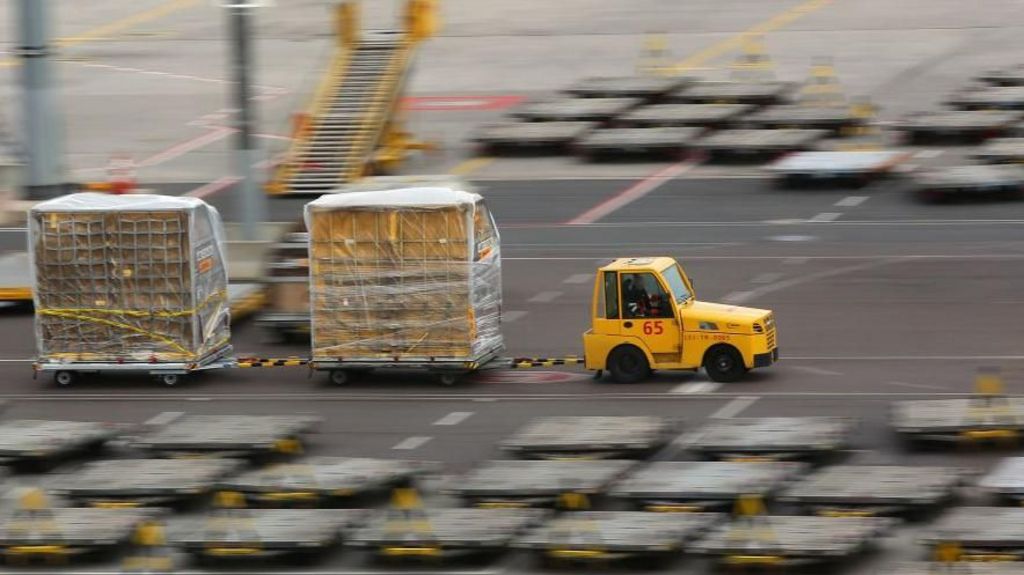
    The plot unfolded in July 2024 when several parcels containing concealed explosive devices were dispatched from Lithuania. These packages, cleverly disguised with electronic timers hidden within vibrating massage pillows, spontaneously ignited at various locations including a DHL distribution center near Birmingham, United Kingdom, and a sorting facility at Leipzig Airport in Germany.

    According to investigative findings, the operation extended beyond immediate European targets. Authorities discovered two test packages previously sent to destinations in the United States and Canada, with additional intercepted parcels in Amsterdam intended for similar transatlantic routes. Polish prosecutors characterized these incidents as tactical dry runs designed to potentially sabotage commercial flights to North American destinations.

    The suspected operatives, reportedly recruited from Russia, Latvia, Estonia, Lithuania, and Ukraine, were allegedly selected based on their vulnerable socioeconomic circumstances. European officials indicate that two cases have already progressed to judicial proceedings, though Russia has consistently denied involvement in sabotage operations against NATO member states.

  • Islamic militants abduct more than 300 people in northeastern Nigeria, officials say

    Islamic militants abduct more than 300 people in northeastern Nigeria, officials say

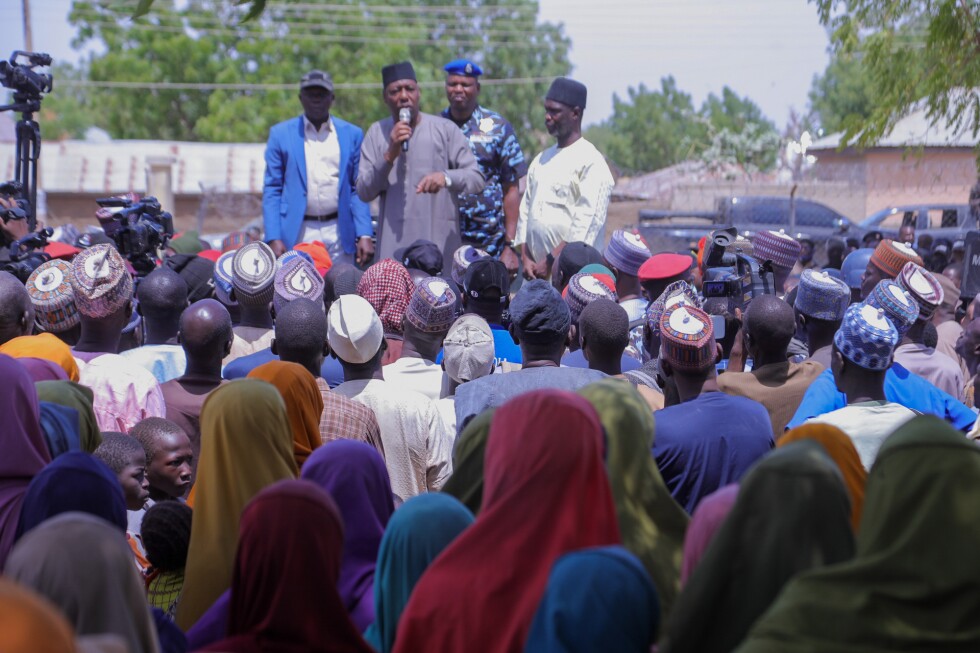
    ABUJA, Nigeria — Islamic extremist groups launched a series of coordinated attacks across northeastern Nigeria this week, culminating in the mass abduction of more than 300 civilians from the town of Ngoshe in Borno state on Friday. Local officials confirmed the large-scale kidnapping targeting women and children, marking one of the most significant security breaches in recent months.

    According to Bulama Sawa, an official from the Gwoza area, the Ngoshe assault appears to be retaliatory action following a Nigerian military operation that eliminated three high-ranking Boko Haram commanders. The attack demonstrates the militants’ continued operational capability despite sustained counterinsurgency efforts.

    Military spokesperson Uba Sani reported simultaneous assaults on multiple communities—Konduga, Marte, Jakana, and Mainok—between Wednesday and Friday. While Nigerian forces successfully repelled these attacks, Sani acknowledged significant military casualties, including the death of a senior officer and “a number of brave soldiers [who] paid the supreme price in the line of duty.”

    Security analysts point to evolving tactical capabilities among jihadist groups operating in the region. Ulf Laessing of the Konrad Adenauer Foundation noted increased cross-border coordination between militant factions and their adoption of drone technology for reconnaissance missions. “The army is fighting a ghost—fighters descending with motorbikes on villages and disappearing into the bush before the army can respond in time,” Laessing observed.

    The security landscape has grown increasingly complex with the convergence of multiple extremist organizations, including Boko Haram, its Islamic State-affiliated breakaway faction (Islamic State West Africa Province), and IS-linked Lakurawa. Additionally, the crisis has expanded to include Sahel-based militants from Jama’at Nusrat al-Islam wal-Muslimin, which conducted its first Nigerian attack last year.

    United Nations data indicates several thousand fatalities resulting from Nigeria’s security crisis, with analysts criticizing the government’s inadequate protection of civilians. The United States has deployed military advisors to assist Nigerian forces, but the persistent violence underscores the challenges in containing the multifaceted insurgency.

  • Ugandan students who fled Iran air strikes recall ‘ground trembling’

    Ugandan students who fled Iran air strikes recall ‘ground trembling’

    Emotional reunions unfolded at Uganda’s Entebbe International Airport as 43 students evacuated from conflict-ridden Iran returned home safely. The evacuation followed coordinated U.S. and Israeli airstrikes on Iranian targets on Saturday, which triggered retaliatory attacks by Iran against Israeli and U.S. allies throughout the Gulf region, creating widespread disruption across the Middle East.

    Uganda’s diplomatic mission in Tehran orchestrated the complex evacuation operation, arranging for students to travel by bus to the Turkish border before continuing to Istanbul for their flight home. The returning students provided harrowing accounts of their experiences during the bombardment. Oscar Nyegyema described to AFP the terrifying moments of the attacks: “We could hear the ground trembling, we could hear the ground shake. We really did not know whether we could make it out.”

    Nyegyema revealed that his university had been directly hit by an airstrike, leaving students “scared and devastated.” Despite the trauma, he expressed determination to return and complete his academic program as soon as conditions permit. Not all Ugandan students chose evacuation, however. According to Ugandan State Minister Balaam Barugahara, eight students voluntarily remained behind despite government offers of repatriation.

    Aloisius Ssegawa, one of the evacuated students, explained the financial concerns motivating those who stayed: “The truth is for these students, they believe that if they return home, the two years spent in their four-year degree study may go to waste because they may not be able to afford the ticket back to the university.”

    The personal costs of the conflict varied significantly among students. Jonan Gumushabe told Reuters he was merely days away from completing his degree when forced to evacuate. Sharon Twiine, who had been studying international relations at Ahlul Bayt International University in Tehran, described the experience as “scary, traumatizing” and indicated she would require psychological therapy before considering a return to her studies.

  • US must probe Iran school strike ‘very quickly’, UN says

    US must probe Iran school strike ‘very quickly’, UN says

    The United Nations has issued an urgent call for immediate investigation and accountability following a devastating airstrike that struck an elementary school in southern Iran, killing at least 150 people including numerous children. UN Human Rights Chief Volker Turk condemned what he described as “this absolutely tragic incident” during a Geneva press conference on Friday.

    The strike occurred in the town of Minab on the first day of recent hostilities, hitting the Shajare Tayyebeh elementary school during its morning session when approximately 170 students were present. The Norway-based rights organization Hengaw confirmed the timing coincided with peak school hours, raising serious concerns about international humanitarian law violations.

    Multiple investigations by major media outlets, including The New York Times and Reuters, have concluded that US forces were most likely responsible for the deadly strike. The Times analysis revealed that US military statements about attacking naval targets near the strategically vital Strait of Hormuz—where an Islamic Revolutionary Guards Corps (IRGC) base is located—strongly suggests American involvement. Social media evidence and witness accounts indicate the school was struck simultaneously with nearby IRGC facilities.

    General Dan Caine, the top US military officer, acknowledged Wednesday that American forces had been conducting strikes in southern Iran during the initial 100 hours of military operations, presenting maps that included Minab within targeted areas. This contrasts with Israel’s operations, which have primarily been concentrated further north.

    Turk emphasized the particular tragedy of striking “a civilian institution that should never be attacked,” noting the morning timing ensured maximum child casualties. He called for transparent investigations into the weapons used, timing decisions, and adherence to principles of distinction and proportionality in military engagements.

    The US Department of Defense has confirmed it is investigating the incident, though neither American nor Israeli authorities have officially claimed responsibility. Turk stressed that the investigating parties must “conduct this type of investigation very quickly” and ensure “accountability to be served, because obviously mistakes were clearly made.” He further emphasized the need for victim redress and comprehensive review of military operating procedures to prevent future tragedies.

  • Pakistan and Afghanistan claim killing dozens of the other side’s troops in relentless fighting

    Pakistan and Afghanistan claim killing dozens of the other side’s troops in relentless fighting

    The volatile border between Pakistan and Afghanistan has descended into what Islamabad terms an ‘open war,’ with both nations engaging in intense cross-border military exchanges. The clashes, now entering their ninth consecutive day, represent the most severe escalation of hostilities between the neighboring countries in recent history.

    Afghanistan’s Taliban-led government asserted that its forces successfully targeted multiple Pakistani military installations across several provinces, including Nangarhar, Kandahar, and Khost. The Defense Ministry in Kabul reported inflicting significant casualties on Pakistani troops, though specific numbers remain unverified.

    Conversely, Pakistan’s state media detailed comprehensive counter-strikes involving both air force and ground units. These operations reportedly targeted not only Afghan military positions but also bases belonging to the Tehrik-e-Taliban Pakistan (TTP), a militant organization that Islamabad claims operates with sanctuary in Afghanistan.

    The conflict stems from Pakistan’s longstanding accusations that the Afghan Taliban government provides safe haven to TTP militants—charges that Kabul consistently denies. Since the Taliban’s return to power in August 2021, TTP has dramatically increased its offensive operations within Pakistani territory.

    Civilian casualties are mounting amid the fighting. The United Nations Assistance Mission in Afghanistan (UNAMA) confirmed at least 56 civilian fatalities on the Afghan side, while Pakistani officials reported injuries from mortar shells landing in border villages.

    The international community faces challenges in mediating the conflict despite intervention attempts. Turkish President Recep Tayyip Erdogan has offered mediation services following discussions with Pakistani leadership, while Malaysian Prime Minister Anwar Ibrahim has engaged with Taliban officials. These diplomatic efforts seek to restore a ceasefire previously brokered by Qatar and Turkey in October, which has now completely collapsed.

    The remote and militarily restricted nature of the border region makes independent verification of casualty claims—which vary dramatically between the two sides—virtually impossible. Pakistan maintains its military operations will continue until Afghanistan demonstrates verifiable action against militant groups operating from its territory.

  • China urges global stability of energy and mineral supply chains amid Middle East tensions

    China urges global stability of energy and mineral supply chains amid Middle East tensions

    China’s top diplomat at the United Nations has issued a compelling appeal for international collaboration to safeguard global energy and critical mineral supply chains against escalating Middle Eastern tensions. Ambassador Fu Cong, China’s Permanent Representative to the UN, addressed the Security Council on Thursday, emphasizing the urgent need to maintain stability in vital maritime corridors and resource distribution systems.

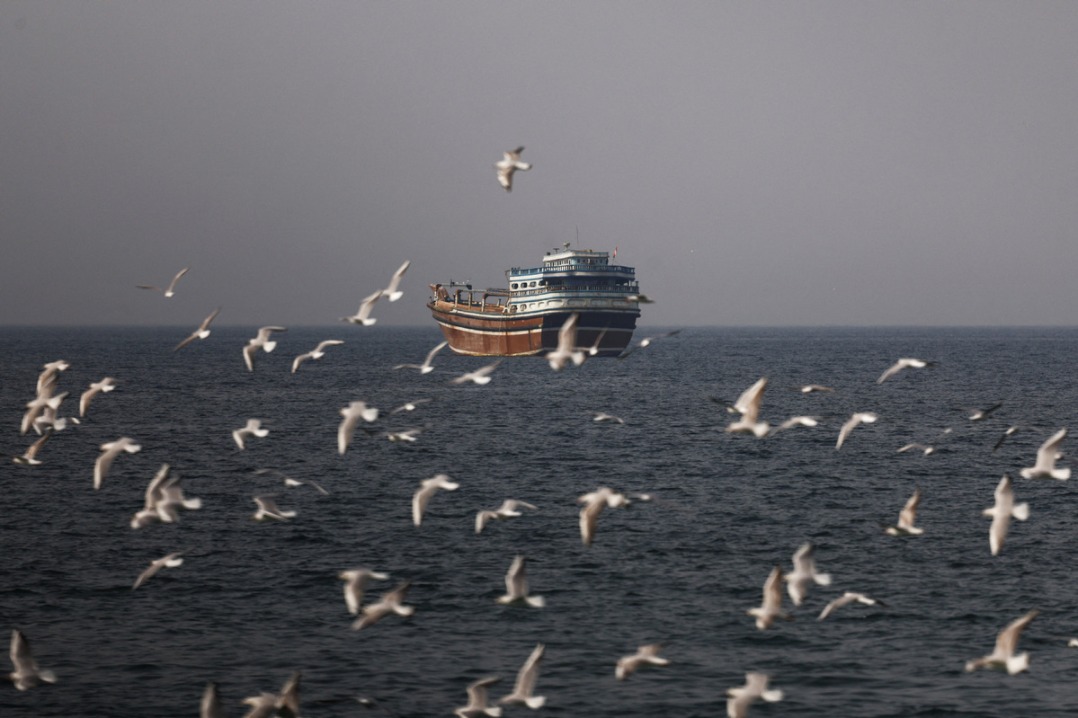
    The diplomatic intervention comes as the strategic Strait of Hormuz, a crucial artery for global energy transportation, faces significant disruptions following recent military developments. According to reports, Iran’s armed forces have threatened to block oil shipments through this critical waterway, resulting in damaged commercial vessels and suspended transit operations by shipping companies. These developments have created ripple effects across international energy markets, raising concerns about broader economic implications.

    Ambassador Fu articulated China’s position that geopolitical conflicts in resource-rich regions like the Middle East and Africa directly impact the normal production and transportation of essential resources. He urged all parties to adhere to UN Charter principles, resolve disputes through diplomatic dialogue, and protect non-military infrastructure. The Chinese representative emphasized that approximately 40% of global oil shipments traditionally pass through the Hormuz Strait, making its security paramount to international economic stability.

    The ambassador presented a comprehensive framework for addressing these challenges, advocating for a fair and transparent global economic order that avoids politicization of resource issues. He specifically warned against Cold War mentalities and the formation of exclusive blocs with geopolitical motivations. Fu emphasized that supply chain dynamics should remain governed by market mechanisms rather than political manipulation, which he stated would ultimately prove counterproductive to instigators.

    China also highlighted its own role as the world’s largest mineral producer, consumer, and trader, introducing the Green Minerals International Economic and Trade Cooperation Initiative launched during the G20 Leaders’ Summit. This initiative aims to promote sustainable development within the global mineral sector while maintaining stable and mutually beneficial supply chains. The Chinese position maintains that developing nations should exercise full sovereign rights over their natural resources while avoiding confinement to lower-value segments of global industrial chains.

  • Pakistani Shiites rally to denounce US-Israeli strikes on Iran as US Embassy issues a security alert

    Pakistani Shiites rally to denounce US-Israeli strikes on Iran as US Embassy issues a security alert

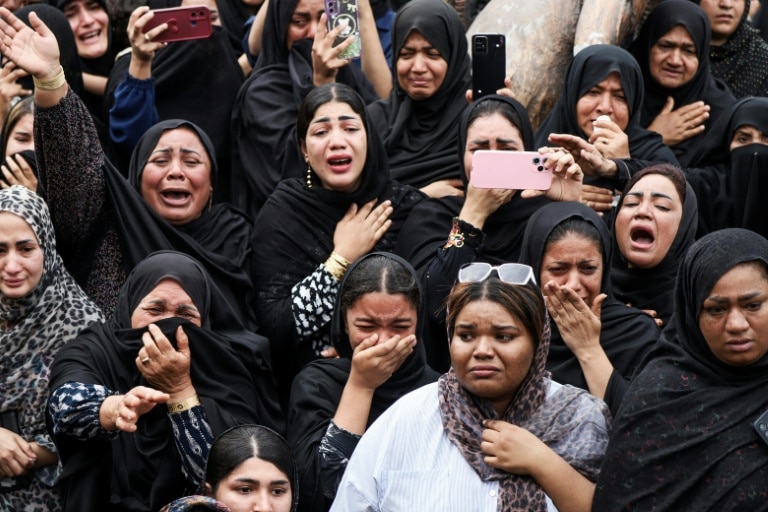
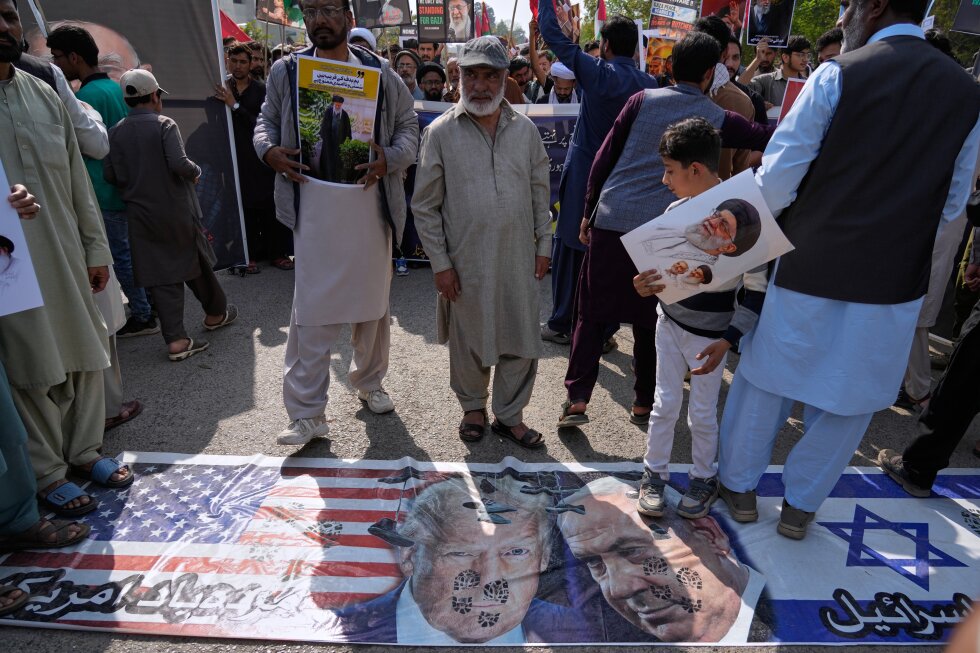
    Pakistani authorities deployed extensive security measures across major cities on Friday as hundreds of Shiite protesters demonstrated against the killing of Iranian Supreme Leader Ayatollah Ali Khamenei in U.S.-Israeli operations. The protests remained largely contained following violent clashes earlier this week that resulted in multiple casualties.

    In Islamabad, approximately 300 demonstrators staged a sit-in under heavy police surveillance, displaying portraits of the late Iranian leader while chanting anti-American and anti-Israeli slogans. Security forces preemptively blocked access routes to the U.S. Embassy using shipping containers, with protesters agreeing to maintain a 3-kilometer distance from diplomatic facilities.

    The port city of Karachi witnessed similar demonstrations, though protesters maintained a 4-kilometer buffer from the U.S. Consulate where violent confrontations occurred days earlier. Previous clashes in Karachi involved attempts to storm the consulate, resulting in police using batons, tear gas, and live ammunition that left 10 protesters dead and numerous injured. Additional fatalities were reported in northern regions including Skardu and Gilgit.

    Smaller Sunni Muslim groups also organized separate protests against U.S.-Israeli military actions in Iran, though these gatherings occurred at a distance from American diplomatic installations and concluded without violence.

    The U.S. Embassy issued multiple security advisories warning American citizens to restrict unnecessary movement and avoid travel to Balochistan province, Khyber Pakhtunkhwa, and Kashmir regions due to heightened risks of terrorism and kidnapping. Khamenei’s death has resonated deeply among Pakistan’s Shiite minority, which constitutes approximately 15% of the country’s 250 million population, reflecting the late leader’s significant religious influence across global Shiite communities.

  • War in the Middle East: latest developments

    War in the Middle East: latest developments

    The Middle East conflict has entered a perilous new phase with direct military engagements escalating rapidly across multiple fronts. Israeli forces have initiated a strategic bombing campaign targeting what they term ‘regime infrastructure’ in Tehran, with AFP journalists confirming powerful explosions throughout the Iranian capital. Simultaneously, Iranian media reports indicate significant casualties from U.S. and Israeli strikes in Shiraz, though these figures remain unverified independently.

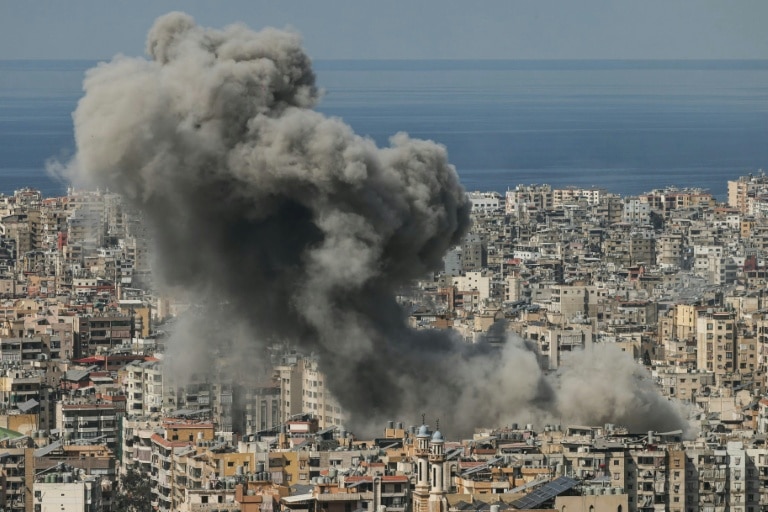
    Lebanon faces an escalating humanitarian emergency as Prime Minister Nawaf Salam warns of an impending ‘humanitarian disaster’ triggered by massive Israeli evacuation orders. These directives have precipitated large-scale population displacements from Hezbollah strongholds in Beirut’s southern suburbs and southern regions. The Lebanese health ministry reports the death toll from Israeli strikes has reached 123 since Lebanon’s involvement in the regional conflict began.

    Regional security concerns intensified as missile alerts activated across the Gulf. Dubai residents received emergency shelter directives via mobile alerts from the Emirati interior ministry, while Saudi Arabia reported successful interception of three drones east of Riyadh and three missiles targeting an air base. Qatar similarly announced its air defenses thwarted a drone attack aimed at the strategic Al-Udeid air base, the U.S.’s largest military installation in the region.

    Kuwait’s defense ministry disclosed that 67 military personnel have sustained injuries since the commencement of Iran’s retaliation campaign—the highest casualty count among Gulf militaries. Bahrain confirmed Iranian strikes damaged a hotel and residential buildings in Manama, revising earlier assessments.

    The international community has responded with calls for accountability. UN Human Rights Chief Volker Turk demanded ‘transparent and impartial investigations’ into an alleged deadly strike on an Iranian school, urging Washington to expedite its promised probe. Meanwhile, London authorities arrested four individuals—one Iranian and three dual UK-Iranian nationals—suspected of espionage activities targeting Jewish community locations on behalf of Iran’s intelligence service.

    U.S. President Donald Trump explicitly ruled out ground troop deployment to Iran, dismissing such considerations as a ‘waste of time’ given Tehran’s substantial military losses. In a notable development, Australian Prime Minister Anthony Albanese confirmed three Australian military personnel participated in a U.S. submarine operation that sank an Iranian naval vessel off Sri Lanka’s coast under a training arrangement. President Trump additionally expressed support for potential offensive operations by Iranian Kurdish fighters, characterizing such actions as ‘wonderful.’

  • Middle East conflict continues to expand

    Middle East conflict continues to expand

    The Middle East conflict escalated dramatically on Thursday as Gulf nations intensified diplomatic efforts to curb Iranian military actions while multiple battlefield developments signaled expanding regional turmoil.

    Qatari Prime Minister Sheikh Mohammed bin Abdulrahman Al Thani engaged in urgent communications with Iranian Foreign Minister Seyed Abbas Araghchi, explicitly urging Tehran to desist from further retaliatory strikes. This diplomatic intervention occurred alongside significant military developments across multiple theaters.

    In a notable maritime confrontation, a United States submarine eliminated an Iranian frigate within Sri Lanka’s territorial waters on Wednesday. The engagement resulted in over 80 casualties, with 32 sailors successfully rescued. Sri Lankan authorities confirmed a second Iranian warship was approaching their waters, though officials indicated the vessel was experiencing mechanical difficulties and sought port access rather than presenting an immediate threat.

    The conflict expanded beyond traditional battle zones as Azerbaijan reported Iranian drone strikes on its territory, injuring four civilians and prompting formal diplomatic protests. Meanwhile, Bahrain’s Defense Force disclosed extensive defensive operations, claiming destruction of 75 missiles and 123 drones since hostilities commenced.

    Energy infrastructure became a focal point as Iran’s Revolutionary Guards claimed responsibility for striking a US tanker in the Persian Gulf’s northern waters, setting the vessel ablaze. The United Kingdom Maritime Trade Operations documented a substantial explosion 30 nautical miles southeast of Kuwait’s Mubarak al-Kabeer Port, with subsequent oil leakage raising environmental concerns despite crew safety.

    In Washington, the US Senate rejected a bipartisan resolution that would have constrained presidential authority to conduct military operations against Iran without congressional approval. The measure, championed by Senators Tim Kaine and Rand Paul, failed along party lines amid Republican support for the administration’s current military stance.

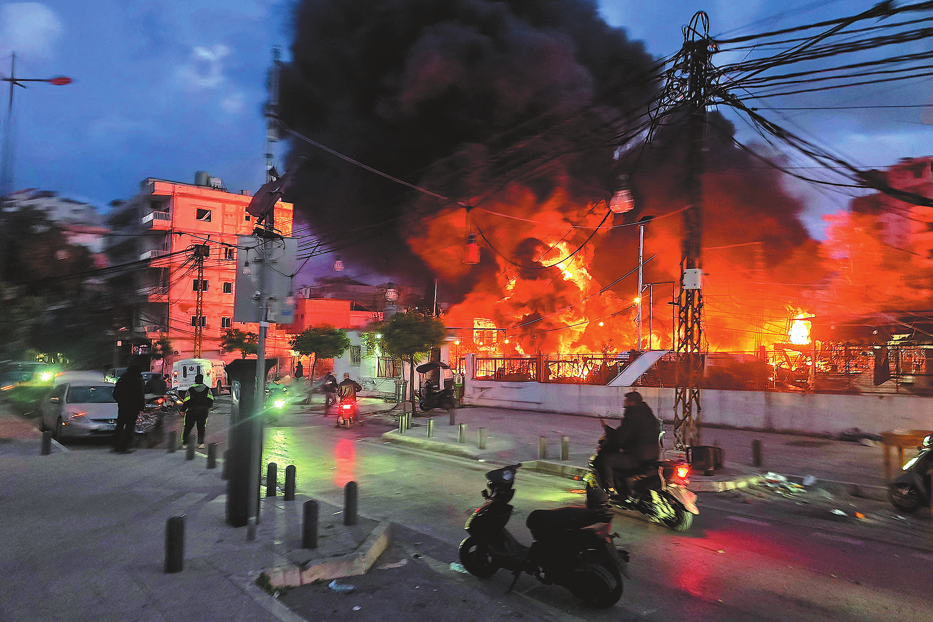
    Lebanon experienced further violence as Israeli drone strikes in Tripoli killed two individuals, including a Hamas official, and injured a woman. Iran issued stark warnings that Israeli diplomatic facilities worldwide would become legitimate targets if Iranian embassies in Lebanon faced assault.

    Evacuation measures intensified throughout the region, with Qatari authorities relocating residents near US embassy compounds and Omani officials coordinating multinational civilian extraction efforts. These developments followed attacks on US government and military installations in Saudi Arabia, Kuwait, and the United Arab Emirates.