分类: world

  • Israel confirms ban on 37 NGOs in Gaza, orders them to cease operations by March 1

    Israel confirms ban on 37 NGOs in Gaza, orders them to cease operations by March 1

    Israel has officially revoked the operating licenses of 37 international humanitarian organizations in Gaza, mandating complete cessation of their activities by March 1, 2026. The decision comes after these agencies failed to meet a December 31, 2025 deadline to comply with new security and transparency regulations imposed by Israel’s Ministry of Diaspora Affairs and Combating Antisemitism.

    The controversial regulatory framework, introduced in March 2025, required non-governmental organizations to provide comprehensive documentation including detailed staff information, funding sources, and operational structures. Israeli authorities maintain these measures are essential to prevent terrorist infiltration into humanitarian operations. Minister Amichai Chikli stated: ‘Humanitarian assistance is welcome—the exploitation of humanitarian frameworks for terrorism is not.’

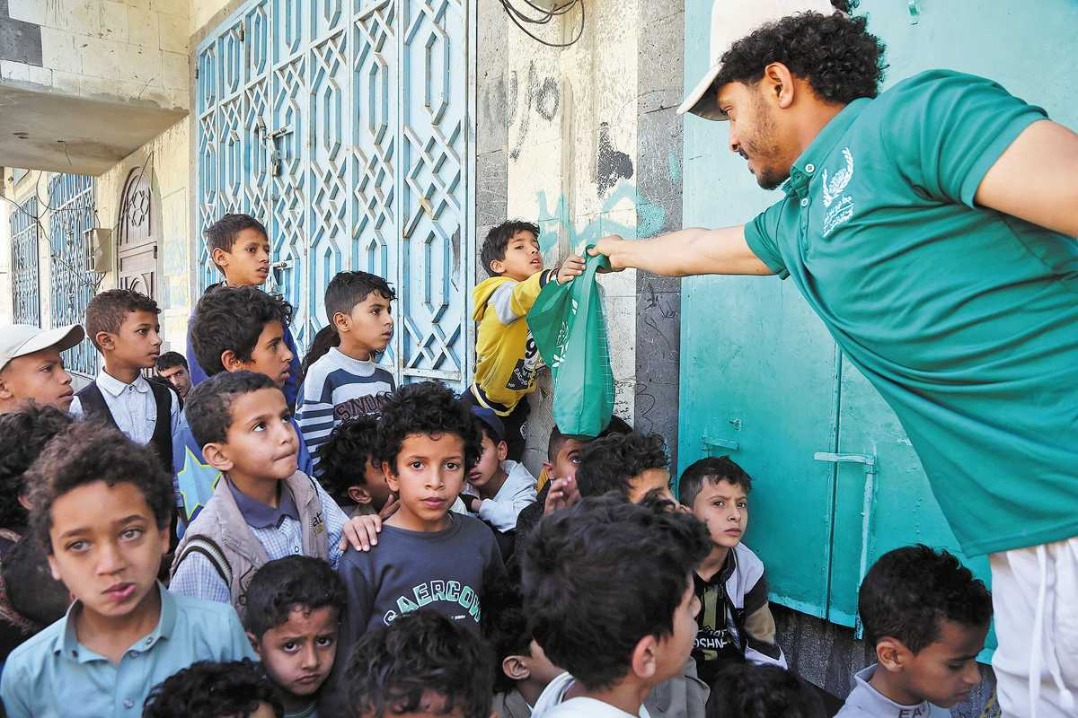
    Among the affected organizations are prominent international groups including Doctors Without Borders (MSF), Norwegian Refugee Council, World Vision International, and Oxfam. The ministry specifically accused MSF of employing two individuals with alleged ties to Palestinian militant groups Jihad and Hamas—claims MSF strongly denies, asserting they ‘would never knowingly employ people engaging in military activity.’

    The United Nations and multiple humanitarian organizations have condemned the move as a dangerous precedent that violates international humanitarian principles. UNRWA chief Philippe Lazzarini warned this represents a ‘weaponization of bureaucracy’ that undermines the fundamental principles of neutrality, independence, and impartiality in humanitarian work.

    With Gaza’s population already facing catastrophic conditions—where approximately 80% of buildings have been damaged or destroyed and 1.5 million residents remain displaced—the removal of these aid agencies threatens to exacerbate one of the world’s most severe humanitarian crises. The decision has drawn international criticism, with foreign ministers from ten nations including France and Britain urging Israel to guarantee humanitarian access to the besieged territory.

  • Like the ‘apocalypse’: Shock, pain after Swiss bar fire kills 40; hundreds hold vigil

    Like the ‘apocalypse’: Shock, pain after Swiss bar fire kills 40; hundreds hold vigil

    The Swiss Alpine resort of Crans-Montana remains in a state of profound grief following a catastrophic fire that engulfed the popular Le Constellation bar during New Year’s celebrations, claiming 40 lives and injuring over 100 revelers. The tragedy struck approximately at 1:30 AM local time (0030 GMT) on January 1st, 2026, as hundreds gathered for midnight festivities.

    Hundreds of local residents and visitors braved freezing temperatures Thursday evening for a solemn vigil at the disaster site. Mourners created an impromptu memorial with flowers and candles placed on a temporary table near police cordons, where white screening obscured the charred remains of the establishment. The atmosphere was characterized by stunned silence, whispered condolences, and emotional embraces among grieving community members.

    Eyewitness accounts conveyed the horror of the incident. One local resident, identified only as Mathys from neighboring Chermignon-d’en-Bas, described the scene as ‘the apocalypse,’ noting that the bar had been a regular weekend gathering spot for friends. ‘We thought it was just a small fire,’ he recounted, ‘but when we got there, it was war.’

    The tragedy’s personal impact was evident in numerous testimonies. Paulo Martins, a long-time French resident, revealed his son had narrowly avoided the disaster after changing plans at the last moment. Others reported friends and family members among the missing, injured, or deceased, including a 17-year-old currently receiving specialized burn treatment in Germany with 30% body coverage injuries.

    Religious services provided some solace, with a memorial mass at Montana-Station church focusing on themes of hope amidst overwhelming grief. Local businesses demonstrated solidarity through spontaneous closures, while the community’s multicultural fabric was reflected in mourners of various nationalities united in sorrow. As Veronica, an Italian resident for four decades, poignantly summarized: ‘The pain of others is everyone’s pain.’ Swiss authorities continue investigations into the fire’s cause while emergency services work to identify victims and support affected families.

  • Russia puts death toll from Ukrainian strike on occupied village at 27. Kyiv rejects accusation

    Russia puts death toll from Ukrainian strike on occupied village at 27. Kyiv rejects accusation

    Russian authorities have dramatically escalated their allegations against Ukraine, claiming a Ukrainian drone strike on a civilian gathering in the occupied village of Khorly has resulted in 27 fatalities. The incident reportedly occurred during New Year’s Eve celebrations at a local café and hotel in Ukraine’s Kherson region, which is currently under Russian control. According to Svetlana Petrenko, spokeswoman for Russia’s Investigative Committee, the attack also left 31 individuals hospitalized, including five minors. Russian officials have initiated a criminal terrorism investigation in response.

    Kyiv has issued a firm and comprehensive denial of these allegations. Dmytro Lykhovii, spokesman for Ukraine’s General Staff, asserted that Ukrainian forces strictly adhere to international humanitarian law and target exclusively military installations, Russian energy sector facilities, and other legitimate objectives. He emphasized that an official list of targets struck on New Year’s Eve had been published, which did not include any operations in the occupied parts of Kherson region. Lykhovii further characterized Russia’s claims as a disinformation campaign aimed at undermining ongoing peace negotiations.

    The exchange of accusations unfolds against a backdrop of intensified diplomatic efforts to end the nearly four-year conflict. Ukrainian President Volodymyr Zelenskyy recently stated that a peace agreement was ‘90% ready,’ while cautioning that critical territorial issues within the remaining 10% would prove decisive. This week also saw Moscow alleging a Ukrainian drone attack on President Putin’s residence, which Kyiv similarly dismissed as a fabricated pretext to disrupt talks.

    Meanwhile, the conflict’s violence continued elsewhere. Russian forces launched what local authorities described as one of their most massive drone assaults on Zaporizhzhia, damaging dozens of residential buildings and civilian infrastructure, though no casualties were reported. Ukraine’s Air Force stated that 86 of 116 incoming long-range drones were intercepted overnight. Simultaneously, the Russian Defense Ministry claimed its air defenses shot down 64 Ukrainian drones over multiple Russian regions, with the governor of Belgorod region accusing Ukrainian forces of a missile strike that injured two women.

  • Police in Finland arrest 2 in connection with damage to undersea telecom cable

    Police in Finland arrest 2 in connection with damage to undersea telecom cable

    Finnish law enforcement has taken decisive action following damage to critical underwater telecommunications infrastructure in the Gulf of Finland. Authorities confirmed Thursday the arrest of two individuals connected to the incident involving the cable belonging to Finnish telecommunications provider Elisa, which was damaged earlier this week between the capitals of Finland and Estonia.

    The damage, discovered Wednesday within Estonia’s exclusive economic zone, has prompted Helsinki police to launch a comprehensive investigation into charges of aggravated criminal damage, attempted aggravated criminal damage, and aggravated interference with telecommunications. In addition to the arrests, officials have imposed travel bans on two other persons of interest as the probe continues.

    The investigation centers on the vessel Fitburg, registered under the flag of St. Vincent and the Grenadines, which was transiting from Russia to Israel when the incident occurred. Finnish National Police Commissioner Ilkka Koskimäki revealed that the ship had been dragging its anchor for hours within Finland’s exclusive economic zone prior to the discovery of the cable damage. The ship’s 14 crew members, representing Russian, Georgian, Azerbaijani, and Kazakh nationalities, remain detained by Finnish authorities.

    Adding complexity to the case, Finnish Customs officials discovered structural steel in the vessel’s cargo that originated from Russia and falls under European Union sanctions. ‘Import of such sanctioned goods into the EU is prohibited under EU sanctions regulations,’ customs authorities stated, confirming their ongoing investigation into potential sanctions violations.

    This incident marks the second occurrence within a year involving damage to critical underwater infrastructure between Finland and Estonia. In a related case from Christmas Day 2024, Finnish authorities charged the captain and two senior officers of the Russia-linked oil tanker Eagle S with similar offenses. That vessel had been identified as part of Russia’s ‘shadow fleet’ of aging tankers with obscure ownership structures allegedly designed to evade Western sanctions during the ongoing conflict in Ukraine.

    Western security experts have increasingly viewed such incidents as potential components of widespread sabotage operations in Europe allegedly connected to Moscow following the 2022 invasion of Ukraine. These underwater cables and pipelines represent vital infrastructure that facilitates trade, energy security, and reduced dependence on Russian energy resources across Nordic, Baltic, and central European nations.

    Police officials have refrained from speculating about potential state-level involvement in the current case, maintaining that their investigation remains focused on establishing factual evidence and determining applicable legal violations under both Finnish law and EU sanctions regulations.

  • World rings in 2026 with fireworks

    World rings in 2026 with fireworks

    The world transitioned into 2026 with a symphony of celebrations spanning continents, blending traditional festivities with somber reflections on recent tragedies. From the Pacific islands to major global capitals, diverse cultures marked the occasion with unique customs while maintaining heightened security awareness.

    The first moments of 2026 emerged in the Pacific, with Kiritimati (Christmas Island), Tonga, and New Zealand leading the global countdown. Australia’s Sydney Harbour erupted in a spectacular pyrotechnic display featuring 40,000 effects spanning seven kilometers, including an innovative waterfall effect from the Harbour Bridge. The celebration occurred under reinforced security following December’s tragic attack that claimed 15 lives at a Jewish event, with organizers holding a minute’s silence at 11 PM to honor the victims.

    In Seoul, thousands gathered at the Bosingak bell pavilion where a bronze bell resonated 33 times at midnight—a Buddhist tradition symbolizing the 33 heavens and believed to usher in peace and prosperity. Rio de Janeiro’s Copacabana Beach hosted its renowned ‘Reveillon’ celebration with organizers attempting to surpass their 2024 Guinness World Record for the largest New Year’s Eve gathering.

    New York’s Times Square witnessed revelers enduring subzero temperatures to watch the traditional descent of the 5,600-kilogram ball, which subsequently rose again illuminated in red, white, and blue to commemorate America’s upcoming 250th anniversary. In a historic transition, Zohran Mamdani was sworn in as mayor in a decommissioned subway station shortly after midnight.

    European celebrations adopted quieter approaches, with Greece and Cyprus implementing low-noise pyrotechnics to create more inclusive environments for children and pets. However, the festive atmosphere was marred by tragedy in Crans-Montana, Switzerland, where a bar fire in the early hours claimed dozens of lives and injured approximately 100 people. Swiss authorities confirmed the ongoing identification process while declining to provide specific casualty figures during their preliminary assessment.

  • Dozens missing after boat carrying 200 migrants sinks off Gambia

    Dozens missing after boat carrying 200 migrants sinks off Gambia

    A vessel carrying approximately 200 migrants en route to Europe met with tragedy off the coast of The Gambia, resulting in at least seven confirmed fatalities and numerous individuals missing, according to official statements from the country’s defense ministry.

    The maritime disaster occurred around midnight on Wednesday near Jinack village in the North Bank Region. The ill-fated boat, which was attempting the perilous Atlantic crossing to Spain’s Canary Islands, subsequently overturned and was discovered stranded on a sandbank.

    Search and rescue operations led by The Gambian Navy have successfully recovered 96 survivors thus far, with emergency crews continuing their efforts to locate additional passengers. Ten of those rescued are reported to be in critical condition and receiving urgent medical treatment.

    Authorities indicate that several victims are not Gambian nationals, with identification procedures currently underway to establish their nationalities. The rescue mission has deployed multiple naval vessels alongside assistance from local fishing boats.

    This tragic incident highlights the increasingly common yet extremely dangerous migration route across the Atlantic Ocean that African migrants undertake in attempts to reach European shores. Official statistics reveal that nearly 47,000 individuals reached the Canary Islands in 2024 alone, while Spanish non-governmental organization Caminando Fronteras estimates that over 9,000 migrants have perished attempting this journey.

    The Gambia has emerged as one of the primary transit points for migrants embarking on hazardous sea and land journeys to Europe. In response to growing migration pressures, the European Union has recently established agreements with several North African nations aimed at reducing irregular migration patterns.

  • UAE citizens travelling to Georgia must have health, accident insurance under new rule

    UAE citizens travelling to Georgia must have health, accident insurance under new rule

    Beginning January 1, 2026, Emirati citizens planning travel to Georgia must obtain both health and accident insurance coverage that meets specific regulatory requirements. The UAE Ministry of Foreign Affairs (Mofa) has instituted this new mandate, which will apply to all citizens departing for Georgia on or after the effective date.

    The insurance documentation must satisfy three critical criteria: Policies must remain valid throughout the entire duration of stay, be issued in either English or Georgian languages, and provide coverage of no less than 30,000 Georgian Lari. The regulations permit policies from reputable international insurance providers, Georgian insurance companies, or coverage obtained through airline carriers.

    Notably, the requirement exempts holders of diplomatic, special, and mission passports from this insurance mandate. This regulatory change emerges as the UAE maintains its position as holder of the world’s most powerful passport for the seventh consecutive year according to the 2025 Passport Index by Arton Capital. The insurance requirement underscores the growing importance of comprehensive travel protection even for citizens of nations with strong international mobility privileges.

  • From Sudan to Yemen and Gaza, Middle East wars top the list of conflicts to watch in 2026, report says

    From Sudan to Yemen and Gaza, Middle East wars top the list of conflicts to watch in 2026, report says

    A comprehensive analysis by the International Crisis Group projects that global conflict levels will remain persistently high through 2026, with diplomatic solutions proving increasingly elusive across multiple critical regions. The organization’s annual ‘Conflicts to Watch’ report identifies ten major hotspots where peacemaking efforts range from tenuous to completely ineffective, with Middle Eastern nations featuring prominently on the list.

    The assessment presents a sobering evaluation of the current international security landscape, noting that traditional conflict resolution mechanisms have been substantially undermined by unconventional approaches to diplomacy. While acknowledging President Trump’s willingness to engage in unorthodox peacemaking attempts—including dialogue with leaders previously designated as terrorists—the report concludes these efforts have largely failed to mitigate global tensions and in some instances have exacerbated existing conflicts.

    Evidence of this escalation includes military actions in the Caribbean that resulted in significant civilian casualties, demonstrating a departure from previously stated diplomatic intentions. The report characterizes this approach as having fundamentally transformed international crisis management, potentially normalizing military force as an acceptable tool for powerful nations to achieve political objectives.

    In specific conflict analysis, the report details how initial progress toward a Gaza ceasefire was ultimately undermined, leading to substantial additional casualties before a fragile truce was eventually brokered. This arrangement, however, leaves fundamental issues unresolved and requires continuous diplomatic maintenance with uncertain prospects for success.

    The situation in Yemen presents a complex web of intersecting conflicts, with Houthi forces maintaining military capabilities despite extensive Israeli airstrikes, while Gulf allies Saudi Arabia and the United Arab Emirates find themselves supporting opposing factions in the ongoing civil war. Meanwhile, Iran’s nuclear program remains a persistent concern with little prospect for negotiated settlement in the current climate.

    Syria’s precarious stability faces multiple challenges including sectarian violence, limited political representation, persistent ISIS remnants, and the unresolved status of Kurdish-controlled territories. The report warns that without progress in negotiations, Damascus might attempt to reclaim these areas by force, potentially triggering Turkish intervention.

    In Sudan, the conflict has evolved into a de facto partition between the army-controlled center and east and Rapid Support Forces-held western territories. Despite diplomatic efforts led by Trump’s Africa envoy, fighting continues with no ceasefire agreement in sight.

    The report concludes that only high-level personal engagement from the U.S. president could potentially break the current deadlock in multiple conflict zones, though the prospects for such intervention remain uncertain.

  • Several reported killed in Iran protests over economic woes

    Several reported killed in Iran protests over economic woes

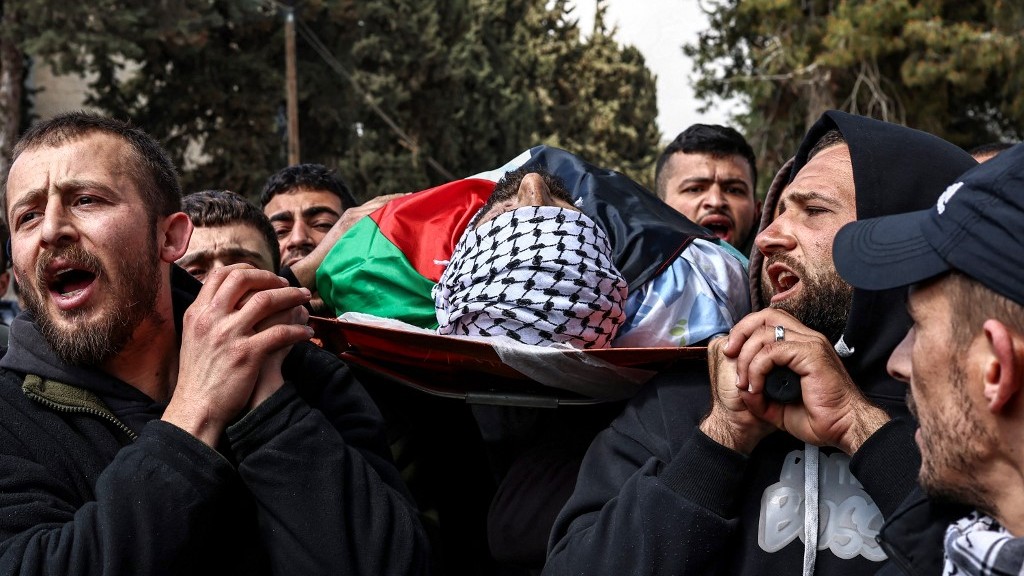
    Iran has been plunged into a new wave of civil unrest as nationwide protests over a severe economic crisis turned fatal, marking the most significant challenge to the clerical establishment in three years. Multiple casualties have been reported following violent clashes between security forces and demonstrators across several regions.

    According to reports from the semi-official Fars news agency and the human rights organization Hengaw, fatalities occurred in the western city of Lordegan. Official authorities confirmed one death in Kuhdasht, while Hengaw documented an additional fatality in Iran’s central Isfahan province. The Revolutionary Guards acknowledged that one member of its Basij paramilitary volunteer unit was killed and thirteen others wounded in Kuhdasht, attributing the violence to demonstrators who allegedly exploited the protest atmosphere.

    The current turmoil represents a dangerous escalation from initial demonstrations that began on Sunday when merchants and shopkeepers initiated strikes to protest the government’s handling of a catastrophic currency devaluation and spiraling inflation. The protests have since expanded to include student demonstrations and widespread bazaar closures, prompting the government to declare an official holiday on Wednesday citing cold weather conditions.

    This outbreak of civil disobedience occurs at a particularly vulnerable moment for Iran’s leadership. The nation’s economy has been crippled by comprehensive Western sanctions targeting its nuclear program, exacerbated by a costly 12-day aerial conflict with Israel in June 2025. These cumulative pressures have devastated Iran’s financial stability, with the national currency losing approximately half its value against the U.S. dollar throughout 2025 while inflation surged to 42.5 percent by December.

    In response to the escalating crisis, government spokesperson Fatemeh Mohajerani announced plans for direct dialogue with trade union and merchant representatives, signaling a potential conciliatory approach alongside the established security crackdown. Historically, Iranian authorities have employed stringent security measures and mass arrests to suppress protests concerning economic hardship, environmental crises, and civil liberties.

    The international community continues to monitor the situation closely as developments unfold across multiple Iranian provinces including Kermanshah, Khuzestan, and Hamedan, where Hengaw reports numerous detentions have occurred.

  • World Sports Summit concludes, signals Dubai’s growing influence on global stage

    World Sports Summit concludes, signals Dubai’s growing influence on global stage

    Two significant international developments have emerged, involving covert intelligence operations and a tragic criminal investigation. According to a Reuters exclusive report, the U.S. Central Intelligence Agency (CIA) successfully cultivated a high-level informant within the inner circle of the Venezuelan government. This asset provided critical intelligence that assisted American agencies in monitoring the activities and movements of President Nicolás Maduro. The revelation underscores the depth of U.S. intelligence penetration into the Caracas administration amid prolonged political tensions and sanctions. Separately, in a devastating incident in Switzerland, authorities have launched a criminal investigation into the management of a nightclub following a lethal fire. Swiss prosecutors are pursuing charges of killing by negligence against the club’s managers, alleging that a failure to adhere to safety protocols directly contributed to the fatalities. The investigation will scrutinize whether adequate fire prevention measures, emergency exits, and crowd management procedures were in place, highlighting a grim failure in public venue oversight.