分类: world

  • DNA, IP addresses: What US may ask visitors to submit, who will be affected

    DNA, IP addresses: What US may ask visitors to submit, who will be affected

    The United States Department of Homeland Security has unveiled a comprehensive overhaul of its Electronic System for Travel Authorization (ESTA) that would fundamentally transform entry procedures for visitors from visa-waiver countries. These proposed changes, currently open for public commentary, represent the most significant update to US travel screening protocols in recent years.

    While initial media attention focused on the mandatory disclosure of social media histories from the past five years—previously an optional field—this requirement constitutes merely one component of a far more extensive transformation. The proposed modifications would mandate the collection of unprecedented categories of personal data, including IP addresses, photographic metadata, and even biometric identifiers such as facial recognition, fingerprints, iris patterns, and DNA.

    The overhaul extends to practical application processes as well. The ESTA website would be decommissioned for new applications, making the mobile application the exclusive channel for submissions. Additionally, Romania faces removal from the Visa Waiver Program, thereby excluding its citizens from ESTA eligibility.

    Travelers from the 42 participating countries—including major US allies like the United Kingdom, Australia, Japan, and most European nations—would be required to provide:
    – Telephone numbers used over the past five years
    – Email addresses maintained throughout the previous decade
    – Comprehensive family member information (names, birth details, addresses, and contact numbers)
    – Business contact information
    – The extensive biometric data mentioned above

    These proposed measures aim to enhance security screening capabilities but raise substantial questions regarding privacy implications and the balance between national security and individual rights. The changes remain subject to public feedback before potential implementation, marking a pivotal moment in the evolution of international travel security protocols.
  • Israeli military confirms killing of top Hamas commander Raad Saad in Gaza City drone strike

    Israeli military confirms killing of top Hamas commander Raad Saad in Gaza City drone strike

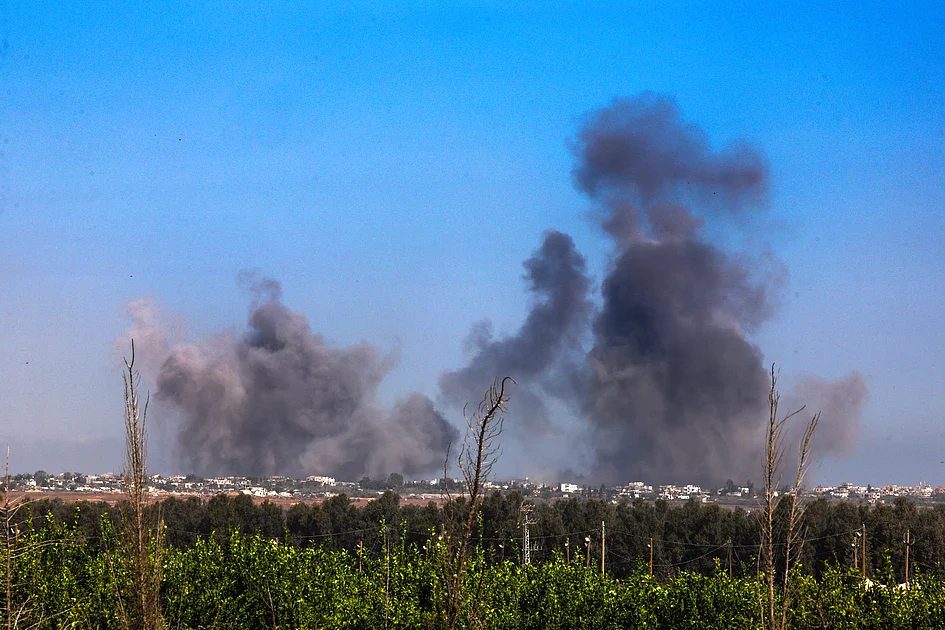
    A targeted Israeli drone strike in western Gaza City on Saturday resulted in the death of Raad Saad, a high-ranking Hamas military commander. The Israeli military confirmed the operation, stating it was coordinated with the Shin Bet intelligence agency and targeted what they identified as Hamas’s production headquarters.

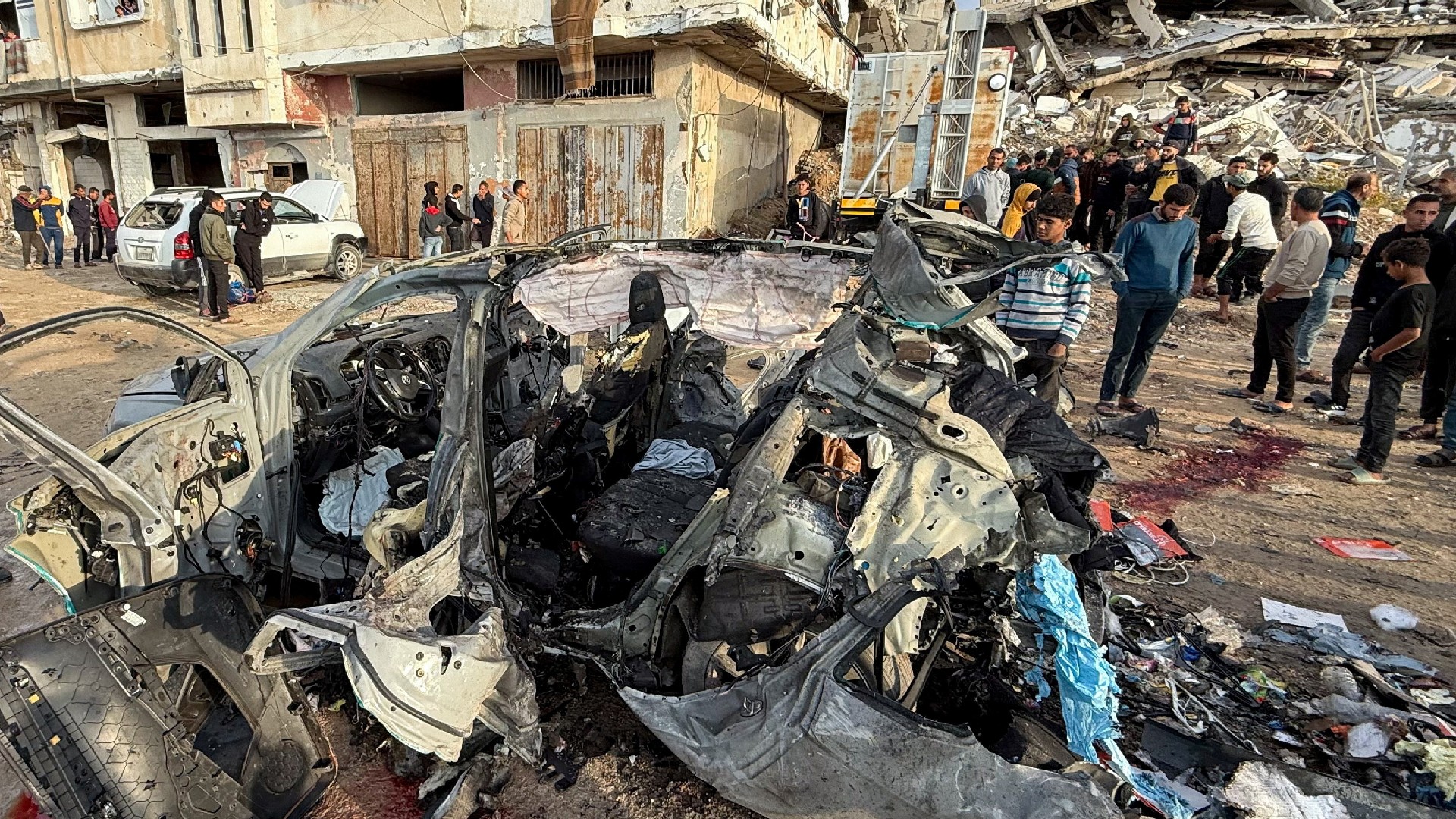
    According to Israeli media, the strike hit Saad’s vehicle near al-Nabulsi square, killing him and three others. Conflicting casualty reports emerged, with Gaza’s health ministry reporting four fatalities and at least 25 wounded, while Al Jazeera Arabic placed the death toll at five.

    The Israeli military described Saad as “one of the last senior veterans remaining in the Gaza Strip” who had held numerous leadership positions and was closely associated with Marwan Issa, deputy head of Hamas’s military wing. An Israeli defense official identified him as head of Hamas’s weapons manufacturing operations, with Reuters sources indicating he was second only to the group’s current military chief, Izz al-Din al-Haddad.

    Prime Minister Benjamin Netanyahu’s office stated the operation was ordered in response to a recent explosion that injured Israeli soldiers in Gaza. They characterized the strike as targeting Hamas’s efforts to “restore its capabilities and strengthen itself” in recent weeks.

    Hamas condemned the attack as “a blatant violation” of the October ceasefire agreement, accusing Israel of “deliberately seeking to undermine and sabotage the agreement through its escalating and continuous violations” in a Telegram post. The group did not confirm whether Saad was specifically targeted.

    In a significant diplomatic development, Axios reported that Israel had not provided advance warning of the strike to the United States government.

  • ‘We’re not afraid’: Life goes on for Indigenous Colombians despite volcano eruption risk

    ‘We’re not afraid’: Life goes on for Indigenous Colombians despite volcano eruption risk

    PUROCÉ, Colombia — Against the backdrop of an increasingly active Puracé volcano, local residents demonstrate a remarkable coexistence with the geological giant that defines their existence. Oliverio Quira, a 65-year-old indigenous farmer, continues his daily routine of tending cattle mere miles from the crater despite official warnings of potential eruption.

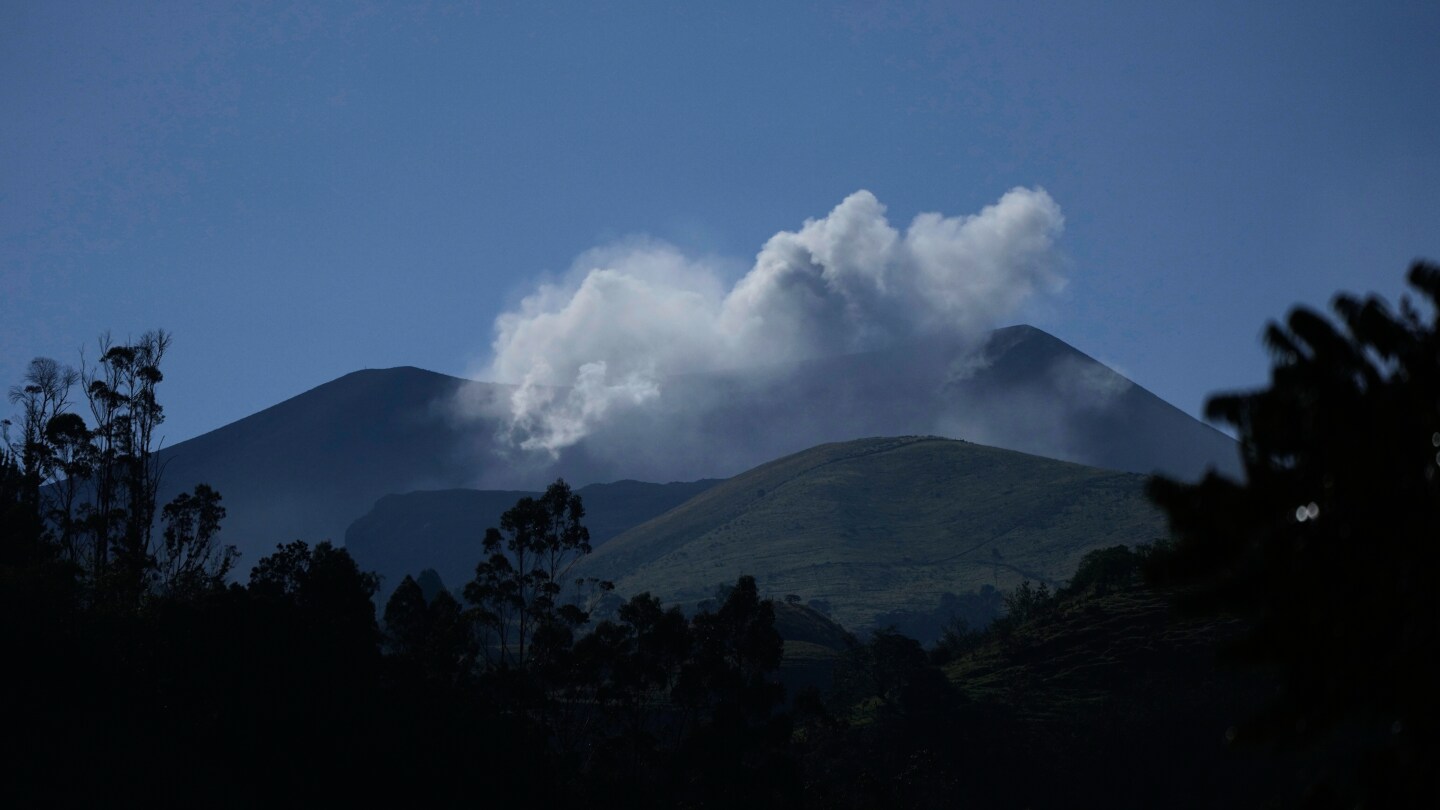
    Colombian geological authorities elevated alert levels on November 29th following significant seismic activity and ash emissions reaching 900 meters (approximately 3,000 feet) into the atmosphere. The 4,640-meter (15,200-foot) stratovolcano, one of Colombia’s most active with at least 51 documented eruptions since 1400, last experienced major activity in 1977.

    For the Coconuco Indigenous people who inhabit the Puracé Indigenous Reserve, the volcano represents far more than geological phenomena. “The volcano is our master; we have no reason to fear it,” explained Alfredo Manquillo, deputy governor of the reserve. “We respect it and perform rituals in its name.”

    These spiritual practices include offerings of corn, sweet plants, and guarapo—a traditional alcoholic beverage—to appease the mountain they consider both sacred entity and territorial protector. Community elders interpret the current activity as the volcano’s message requesting greater environmental stewardship, referencing past sulfur extraction and current tourism pressures.

    While emergency preparations advance, with authorities planning evacuation protocols for approximately 800 peripheral residents, many indigenous community members express reluctance to abandon their homes and livelihoods. Reinaldo Pizo, 75, who witnessed the 1977 eruption as a child, stated he would only evacuate if poisonous gases emerged, echoing sentiments shared by neighbors concerned about abandoning livestock and agricultural assets.

    Local officials acknowledge infrastructure challenges for potential mass evacuations, with Mayor Humberto Molano Hoyos coordinating temporary shelter arrangements. Community leaders emphasize the need for comprehensive emergency support including water storage, food supplies, and livestock protection measures to ensure viable evacuation compliance.

  • Senior Hamas commander Raed Saed killed in Gaza strike, Israeli media say

    Senior Hamas commander Raed Saed killed in Gaza strike, Israeli media say

    Israeli forces conducted a targeted military operation in Gaza City on Saturday, resulting in the death of senior Hamas commander Raed Saed, according to multiple Israeli media reports. The strike targeted a vehicle transporting Saed, who Israeli defense officials identified as one of the principal architects of the October 7, 2023 attacks against Israel.

    The operation represents the highest-profile assassination of a Hamas leader since the implementation of a ceasefire agreement in October. Gaza health authorities confirmed the strike resulted in four fatalities, though Israeli military officials initially declined to provide specific details about the target.

    Saed held multiple critical positions within Hamas’ military structure, serving as both the head of the organization’s weapon manufacturing division and the second-in-command of its armed wing, reporting directly to Izz eldeen Al-Hadad. Previously, he commanded Hamas’ Gaza City battalion, considered one of the group’s most substantial and well-equipped military formations.

    The ongoing conflict between Israel and Hamas originated with the October 7, 2023 attacks, during which Hamas-led militants killed approximately 1,200 Israeli civilians and seized 251 hostages. Israel’s subsequent military response has resulted in over 70,700 Palestinian casualties according to Gaza health officials, though Israel maintains its operations specifically target Hamas militants and infrastructure.

    While the October ceasefire has facilitated the return of hundreds of thousands of Palestinians to Gaza City and enabled increased humanitarian aid delivery, violence has persisted. Palestinian health authorities report at least 386 fatalities from Israeli strikes since the truce began, while Israel confirms three soldier deaths and numerous operations against militants during the same period.

  • Rain and rubble: Gaza families face a double threat in makeshift homes

    Rain and rubble: Gaza families face a double threat in makeshift homes

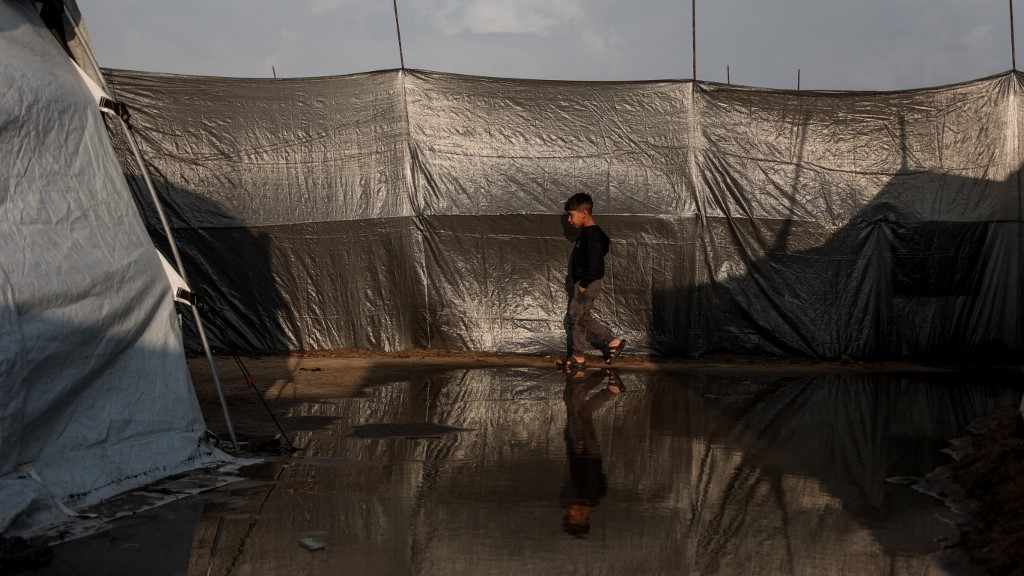
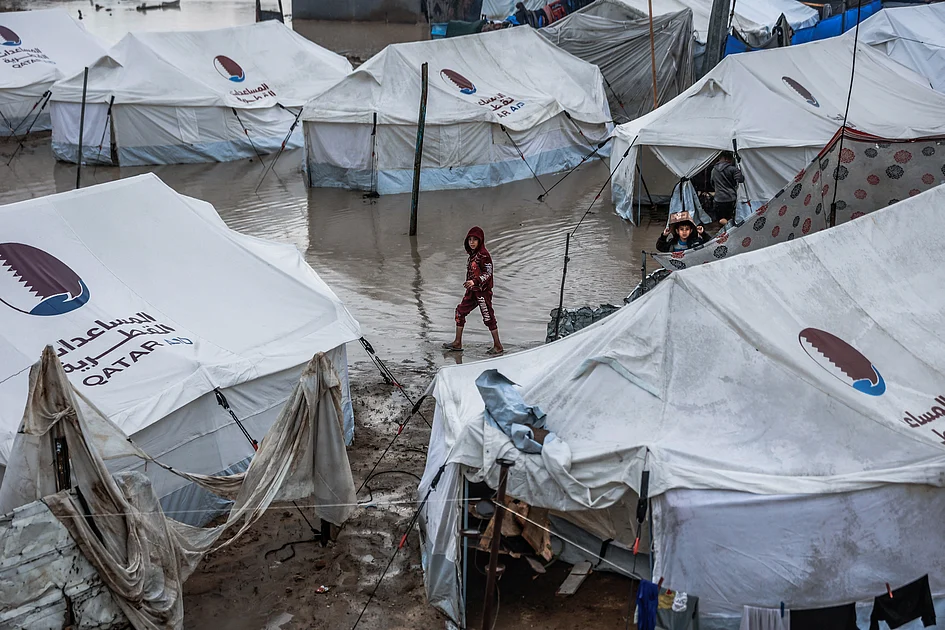
    Across Gaza’s displacement camps, families surviving in makeshift shelters face a new humanitarian emergency as winter storms overwhelm their fragile living conditions. Multiple households report catastrophic flooding, structural collapses, and sewage contamination amid freezing temperatures, creating life-threatening conditions for vulnerable populations.

    At al-Yarmouk stadium in central Gaza, Saber Dawas recounts his futile attempts to reinforce his family’s tent against relentless rain. Despite borrowing money for plastic tarpaulins and wooden supports, the structure collapsed during recent storms, soaking all possessions and leaving his seven daughters shivering through flooded conditions. His youngest child, a two-year-old with stomach cancer and compromised immunity, now battles influenza without access to medication. “I wish I had died before reaching a day where I watch my daughters freezing while I can’t provide them warmth,” he told Middle East Eye.

    Nearby, Sanaa al-Ayubi’s family shelters in equally dire circumstances. Her husband, a double amputee from Israeli airstrikes that destroyed their Tel al-Hawa home in December 2024, now crawls through sewage-contaminated floodwaters after their tent’s central pole snapped. The malfunctioning sewage infrastructure has created biohazard conditions, with bacteria forming on her husband’s residual limbs and most bedding ruined by contamination. Despite contacting municipal authorities, no assistance has arrived.

    In northern Gaza’s al-Karama neighborhood, widow Nesma Hassan and her four-year-old daughter occupy the remnants of their bomb-damaged home. Though two rooms remain partially roofed, winter winds tore away protective coverings, leaving them scooping water throughout nights while huddling in corners. The child now exhibits trauma responses to thunder and wind noises echoing through the rubble.

    Gaza’s civil defense reports at least 11 fatalities and 11 injuries from partial building collapses during the three-day storm period, with emergency teams responding to 13 structural failures and hundreds of flooded tents. The agency has prioritized water pumping and drainage channel clearance, but overwhelming needs outstrip available resources.

    Many displaced residents express bitter irony that their suffering continues despite ceasefire declarations, with one father questioning: “Is this what a ceasefire looks like? Instead of being in our homes we are dying of cold in fragile tents.”

  • Fear grips Congo’s Uvira as M23 rebels take control, displacing 200,000

    Fear grips Congo’s Uvira as M23 rebels take control, displacing 200,000

    UVIRA, Democratic Republic of Congo — A palpable atmosphere of apprehension grips the strategic eastern Congolese city of Uvira following its recent capture by the Rwanda-backed M23 rebel faction, marking a significant escalation in regional hostilities despite a recently mediated Washington peace agreement.

    The Associated Press obtained exclusive access to the city, which represented the final major governmental stronghold in South Kivu province after February’s fall of Bukavu. This strategic victory enables M23 to solidify an extensive corridor of influence throughout eastern Congo.

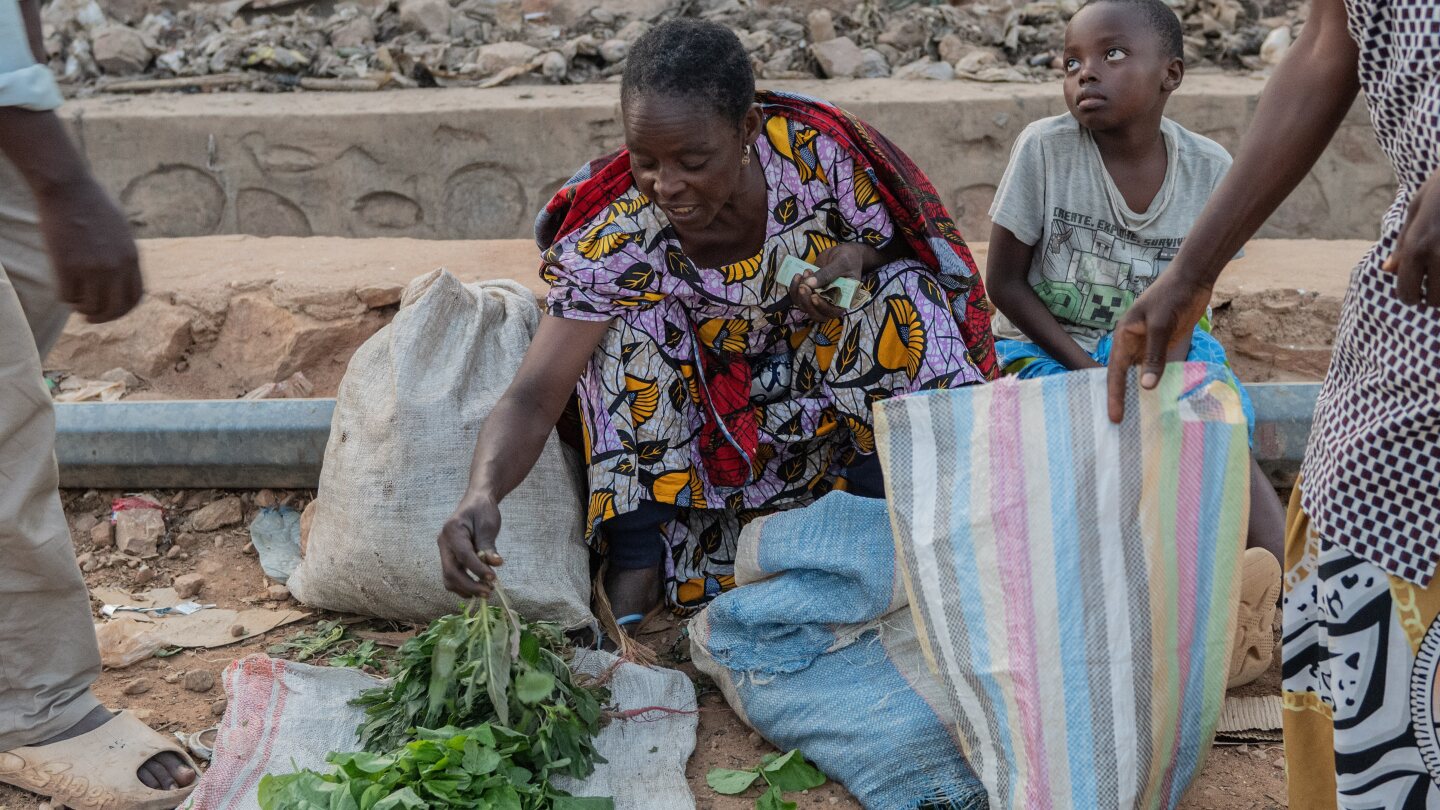
    Regional authorities confirm the rebel offensive, initiated earlier this month, has resulted in approximately 400 casualties and displaced nearly 200,000 civilians. As of Saturday, Uvira remained paralyzed by tension—commercial banks shuttered, vehicular traffic nonexistent except for military patrols, and residents fearful of venturing outdoors after nightfall amid armed rebel patrols.

    Local resident Maria Esther, a 45-year-old mother of ten, described the stagnant economic conditions: “While some fled, we remained. But normalcy hasn’t returned—we cannot resume our livelihoods without monetary circulation.” Another inhabitant, Joli Bulambo, expressed relief that the casualty count remained lower than initially feared.

    This military advancement occurs despite the Washington Accords brokered by the United States and signed by Congolese and Rwandan leadership. U.S. Secretary of State Marco Rubio publicly condemned Rwanda’s alleged violation of the agreement through continued support of M23 operations, promising consequential actions against deal “spoilers.”

    The conflict’s expansion toward Burundi’s border raises concerns about potential regional spillover, with reports of artillery shells landing in Burundian territory. Eastern Congo’s mineral-rich territories host over 100 armed groups, with M23 experiencing dramatic growth from hundreds to approximately 6,500 combatants since 2021 according to UN estimates.

    Diplomatic tensions intensified as Congolese Foreign Minister Thérèse Kayikwamba Wagner accused Rwanda of undermining the peace process, urging UN sanctions and restrictions on Rwandan mineral exports and peacekeeping contributions. Meanwhile, M23 deputy coordinator Bertrand Bisimwa claimed ceasefire agreements remain “theoretical” without practical implementation.

    Rwandan officials counter-accused Congo of declaring intentions to continue fighting in M23-held territories, justifying rebel retaliation. While Rwanda denies supporting M23, it acknowledges maintaining military presence in eastern Congo for national security purposes, estimated by UN experts at up to 4,000 troops.

  • Two US soldiers and interpreter killed by IS gunman in Syria, US military says

    Two US soldiers and interpreter killed by IS gunman in Syria, US military says

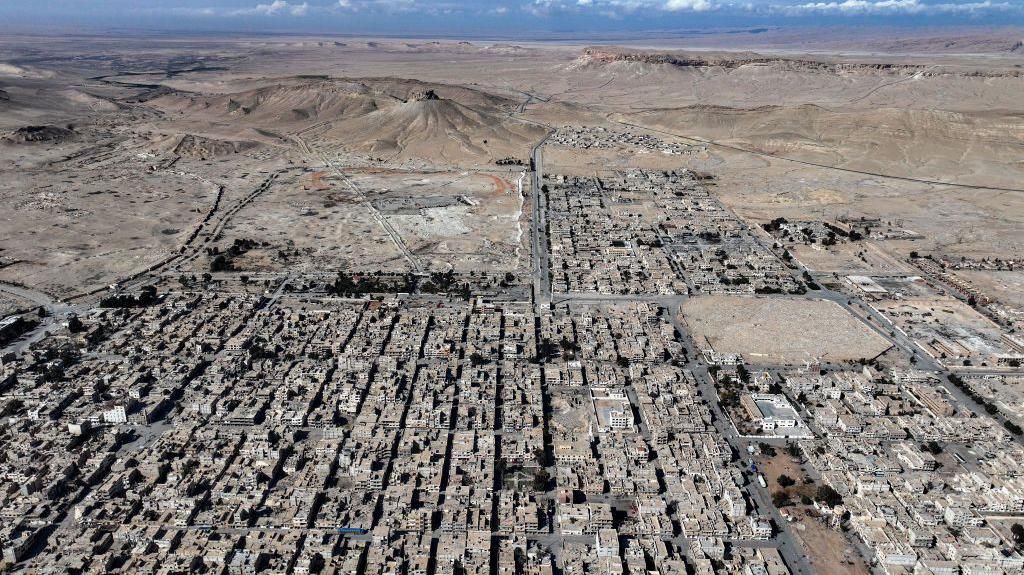
    A deadly assault on a joint U.S.-Syrian military patrol near the historic city of Palmyra has resulted in significant casualties, marking a severe escalation of violence in the region. According to U.S. Central Command, an Islamic State gunman orchestrated a lone-wolf ambush that killed two American soldiers and a civilian interpreter, while wounding three additional U.S. service members. Syrian state media confirmed that two of their personnel were also injured in the coordinated attack.

    The incident occurred during what Pentagon spokesperson Sean Parnell described as ‘a key leader engagement’ in a contested area beyond the Syrian president’s full control. While no group has immediately claimed responsibility, initial assessments from defense officials strongly point to ISIS operatives. The UK-based Syrian Observatory for Human Rights offered conflicting reporting, suggesting the attacker might have been affiliated with Syrian security forces.

    The timing proves particularly significant as it follows recent diplomatic developments between the formerly adversarial nations. Last month, Syrian President Ahmed al-Sharaa met with Donald Trump at the White House, characterizing the encounter as the dawn of a ‘new era’ in bilateral relations. Syria’s recent inclusion in the international coalition against Islamic State underscores the complex partnership evolving between the two governments.

    U.S. Defense Secretary Pete Hegseth delivered a stern warning following the attack: ‘Let it be known, if you target Americans – anywhere in the world you will spend the rest of your brief, anxious life knowing the United States will hunt you, find you, and ruthlessly kill you.’ Echoing this commitment, Tom Barrack, U.S. ambassador to Turkey and special envoy for Syria, condemned the ‘cowardly terrorist ambush’ and reaffirmed America’s dedication to ‘defeating terrorism with our Syrian partners.’

    The global coalition, which Syria recently joined, continues its mission to eliminate remaining ISIS elements and prevent the flow of foreign militants to the Middle East. The identities of deceased American personnel are being withheld pending family notifications.

  • Iran seizes foreign tanker carrying 6 million liters of ‘smuggled diesel’ in Gulf of Oman

    Iran seizes foreign tanker carrying 6 million liters of ‘smuggled diesel’ in Gulf of Oman

    Iranian naval forces have intercepted and seized a foreign-flagged oil tanker transporting approximately six million liters of allegedly smuggled diesel fuel in the Gulf of Oman. The incident occurred overnight Friday to Saturday, according to reports from Iranian state media.

    The Fars news agency, citing officials from Iran’s southern Hormozgan province, reported that the vessel had deliberately disabled all navigation systems prior to its interception. The tanker was carrying a multinational crew of 18 seafarers from India, Sri Lanka, and Bangladesh at the time of its seizure.

    This maritime interception represents the latest in a series of similar operations conducted by Iranian authorities in the strategic waterways of the Persian Gulf region. The Iranian government maintains that such actions are legitimate enforcement measures against fuel smuggling operations that exploit Iran’s subsidized domestic fuel prices.

    The seizure occurs within a complex geopolitical context, coming just two days after United States forces captured an oil tanker off the Venezuelan coast. Washington authorities stated that vessel was transporting oil from both Venezuela and Iran, highlighting the ongoing maritime tensions involving multiple international actors.

    Iran’s retail fuel prices rank among the world’s lowest due to substantial government subsidies, creating significant economic incentives for smuggling operations to transport fuel to neighboring markets where prices are substantially higher. Iranian forces have established regular patrols and interception protocols to combat what they describe as illegal fuel transportation activities in these crucial shipping lanes.

  • Gaza hit by heavy rains, 16 dead in a single day as temperatures drop to 8°C

    Gaza hit by heavy rains, 16 dead in a single day as temperatures drop to 8°C

    A severe winter storm has exacerbated the already dire humanitarian situation in the Gaza Strip, resulting in at least 16 fatalities within a 24-hour period. Storm Byron brought torrential rains and plunging temperatures to the war-ravaged territory, with nighttime temperatures dropping to approximately 8°C (46°F), creating life-threatening conditions for displaced populations.

    The Gaza civil defence agency, operating under Hamas authority, reported multiple tragic incidents across the territory. Three children were confirmed dead from exposure to the extreme cold, including nine-year-old Hadeel al-Masri and several-month-old Taim al-Khawaja in Gaza City, and eight-month-old Rahaf Abu Jazar in Khan Yunis. Structural collapses claimed additional lives, with six fatalities occurring when a house collapsed in Bir al-Naja and two more recovered from rubble in Gaza City’s Sheikh Radwan neighborhood.

    Heavy rainfall has flooded the makeshift tent settlements that now dominate Gaza’s landscape, where most buildings have been destroyed or damaged by prolonged conflict. Displaced families described desperate conditions, with mattresses and bedding soaked through and no dry clothing available. “We spent the night holding onto the tent pole so it wouldn’t fly away in the strong wind,” recounted Samer Morsi, a 22-year-old sheltering in Deir el-Balah.

    UN officials expressed grave concerns about the compounding health risks. Jonathan Crickx, UNICEF spokesman in Gaza, highlighted “absolutely appalling hygiene and sanitary conditions” with open sewage pools forming near displacement camps. The World Health Organization warned that winter conditions combined with poor water and sanitation would likely drive a surge in acute respiratory infections and preventable waterborne illnesses.

    Despite a ceasefire that has partially eased aid restrictions, humanitarian supplies remain insufficient to address the immense needs of Gaza’s population, nearly all of whom have been displaced during more than two years of conflict.

  • A collection of archives detailing the crimes of Japan’s Unit 731 released

    A collection of archives detailing the crimes of Japan’s Unit 731 released

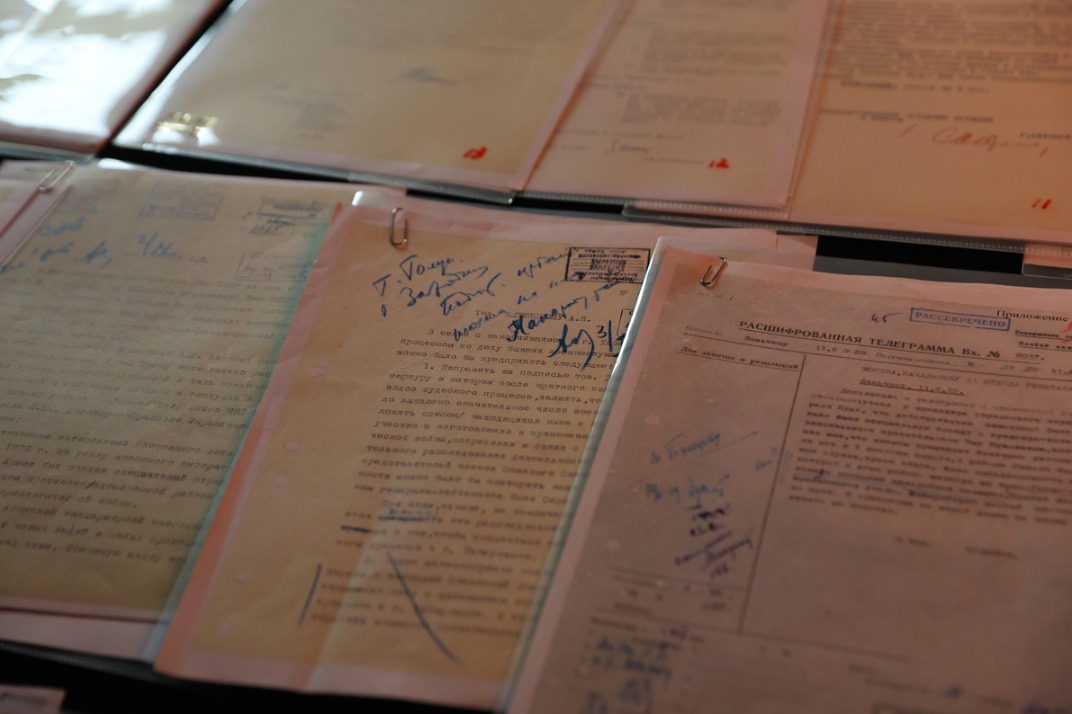
    China’s National Archives Administration has unveiled a significant collection of historical documents exposing the wartime atrocities committed by Japan’s notorious Unit 731. The release coincides with the 12th National Memorial Day for Nanjing Massacre Victims, creating a powerful juxtaposition of historical remembrance.

    The newly publicized archives contain comprehensive Soviet interrogation records and detailed investigation reports spanning from May 1939 to December 1950. These documents provide irrefutable evidence of Japan’s systematic biological warfare operations against China during World War II, revealing the imperial army’s extensive program of human experimentation and biological weapons development.

    Historical experts analyzing the materials emphasize that these records confirm the premeditated and state-sponsored nature of the crimes committed. The documentation includes firsthand accounts from unit members, detailed descriptions of experimental procedures, and evidence of coordinated biological attacks on Chinese civilian populations.

    The archival release represents a significant contribution to the historical record of Pacific Theater warfare, offering researchers and historians unprecedented access to primary source materials that detail one of the most disturbing chapters of biological warfare in modern history. The timing of the disclosure reinforces China’s ongoing efforts to document and memorialize victims of Japanese wartime aggression.

    International historians have long sought greater access to Unit 731 documentation, with many previous records remaining classified or destroyed at the end of World War II. This release provides crucial insights into the operational structure, scientific methodologies, and ethical violations committed under the guise of military research and development.