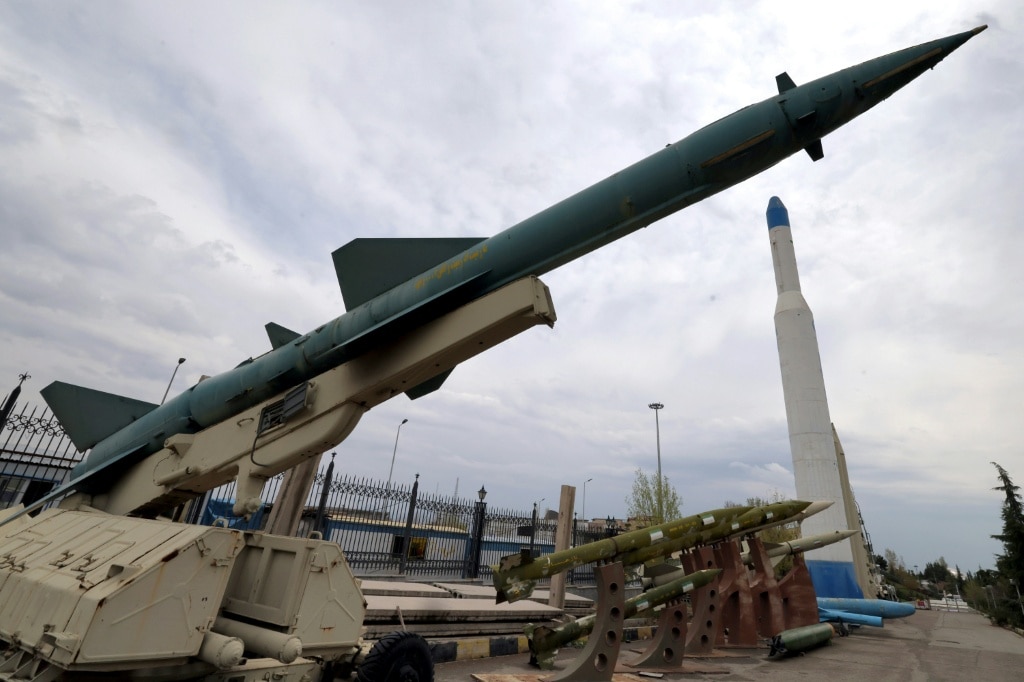
Fifty-five minutes ago, Agence France-Presse compiled the most recent round of developments in the ongoing Middle East war, a conflict that has entered its fifth week of active combat between the US-Israeli alliance and Iranian-aligned groups, sending ripples across global politics, energy markets and international diplomacy.
分类: world
-
China and Pakistan issue five-point plan for ‘immediate ceasefire’ in war on Iran
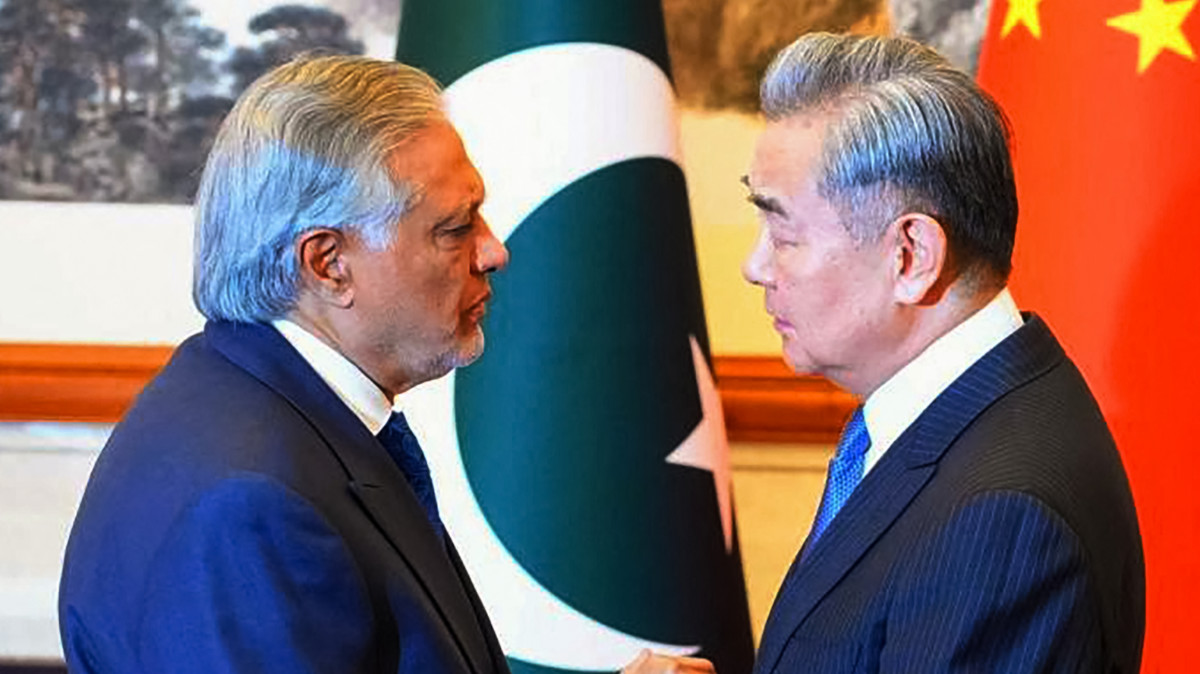
Against the backdrop of a escalating regional conflict that has roiled global energy markets since it began in late February 2025, China and Pakistan have jointly put forward a landmark five-point framework aimed at de-escalating tensions and bringing an end to the US-Israeli war on Iran. The proposal was made public this Tuesday, following high-level bilateral talks between Chinese Foreign Minister Wang Yi and his Pakistani counterpart Ishaq Dar in Beijing.
During the meeting, the two senior diplomats reaffirmed their commitment to strengthening strategic communication and coordinated action on the Iran crisis, pledging to continue pushing for a diplomatic resolution to the ongoing violence. This proposal marks the first time a major global power has laid out a clear, formal pathway to end the conflict that has upended stability across the Middle East.
China, the world’s second-largest economy, holds significant stakes in regional stability: it is the top importer of crude oil from both Iran and Saudi Arabia, and maintains deep strategic, military and diplomatic ties with Pakistan, which has long served as an informal mediator between Washington and Tehran. As regional intelligence outlet Middle East Eye first exclusively reported, China has supplied military support to Iran following the US-Israeli offensive launched in June 2025. In exchange for oil, Iran has replenished its air defense systems with Chinese-made missile batteries, and MENA region officials confirm Tehran has also acquired small quantities of offensive weaponry and unmanned aerial vehicles from China. One senior Arab diplomat told Middle East Eye that Tehran views Beijing as a critical guarantor for any future peace agreement reached with the United States.
The five-point proposal opens with a clear call for an immediate cessation of all hostilities across the Middle East, and the launch of inclusive peace negotiations without unnecessary delay. The joint statement stresses that China and Pakistan back all relevant parties entering talks with a commitment to resolving disputes through peaceful means, and obligate all sides to rule out the use or threat of force throughout the negotiation process.
The plan also demands an immediate halt to all attacks targeting civilian populations and non-military infrastructure, explicitly naming energy facilities, desalination plants, power grids, and peaceful nuclear infrastructure including operating nuclear power plants as sites that must be protected. To date, Israeli forces have carried out repeated strikes on Iranian gas fields, energy production facilities and industrial manufacturing hubs. US President Donald Trump has openly threatened to “obliterate” Iran’s entire energy grid in retaliation for Tehran’s seizure of control over the Strait of Hormuz, a threat that widely violates international norms, as large-scale attacks on an adversary’s critical energy infrastructure are generally recognized as war crimes. For its part, Iran has responded to Israeli strikes by launching thousands of missiles and drones against energy installations and civilian infrastructure across Israel and Arab Gulf states.
The widespread targeting of energy production infrastructure has already sent global oil and natural gas prices soaring to multi-year highs, while Iran’s new control over the Strait of Hormuz — one of the world’s most critical energy chokepoints — has emerged as the central flashpoint of the conflict. Maritime sources who spoke to Middle East Eye confirm Iran has established a fully functional independent transit system for commercial vessels passing through the waterway, and Lloyd’s List, a leading global maritime intelligence publication, records that Iran has collected as much as $2 million in transit fees from commercial vessels in individual cases. On Tuesday, Iranian state media reported that the Iranian parliament formally approved legislation to formalize the collection of tolls from all commercial ships transiting the Strait.
Under the United Nations Convention on the Law of the Sea (UNCLOS), coastal states are prohibited from charging transit fees for foreign vessels passing through their territorial waters, though neither the United States nor Iran is a contracting party to the convention. Notably, China and Pakistan’s joint proposal explicitly rejects Iran’s push to monetize access to the strait. The joint statement emphasizes that “the Strait of Hormuz, together with its adjacent waters, is an important global shipping route for goods and energy,” and calls for the immediate restoration of unimpeded normal passage through the strategic waterway.
The final pillar of the five-point plan calls for the establishment of a comprehensive regional peace framework rooted in multilateral cooperation and upholding the primacy of the UN Charter in international relations. This proposal marks a significant step forward in international efforts to end the conflict that threatens to expand into a wider regional war and trigger a sustained global energy crisis.
-
Leaked UN report reveals Haftar family is smuggling oil and arms in Libya
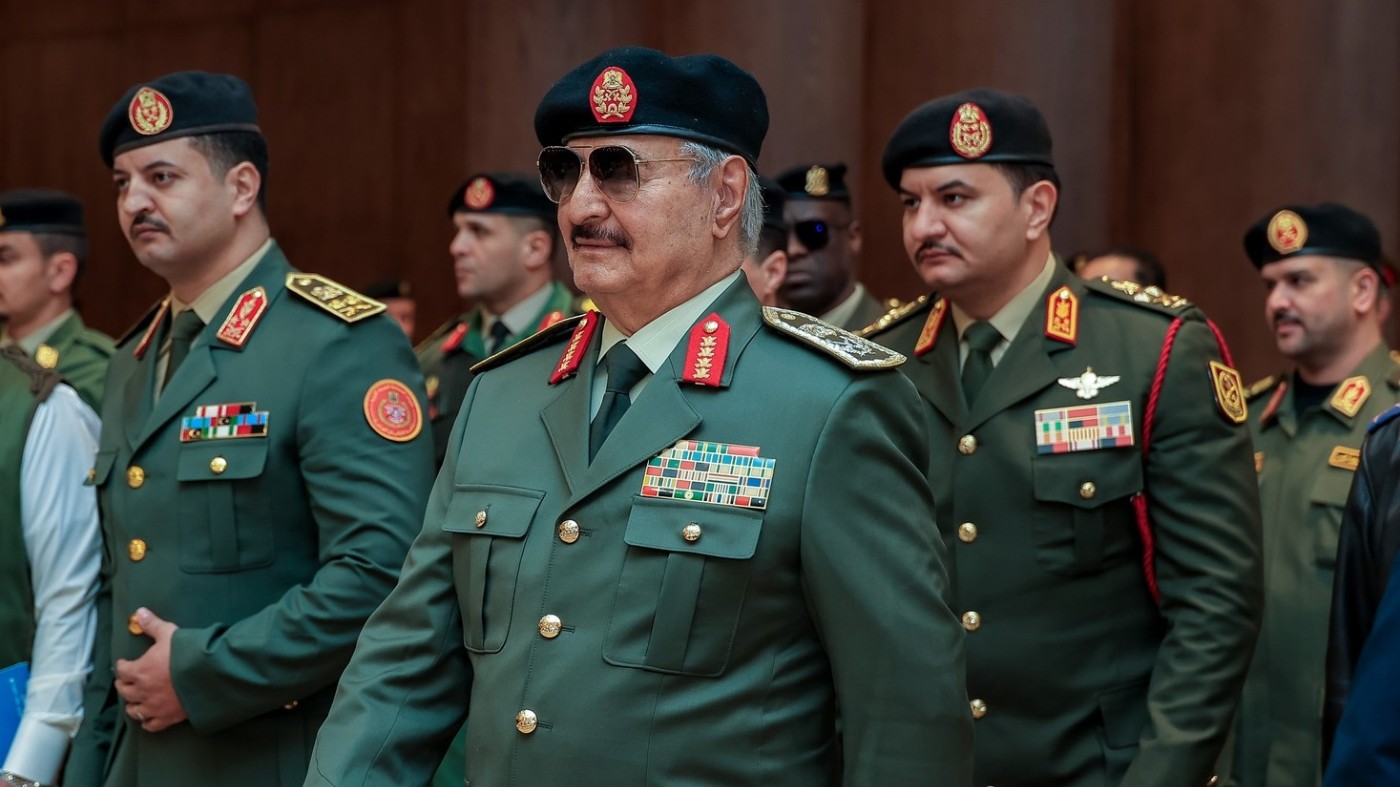
A confidential draft report compiled by a United Nations panel of experts, obtained exclusively by Middle East Eye ahead of its official publication, has pulled back the curtain on extensive illicit activities linking the powerful Haftar family to transnational smuggling networks operating out of eastern Libya. The 288-page investigative document, set for public release on 9 April, connects senior leadership of the Libyan Arab Armed Forces (LAAF) – led by veteran eastern commander Khalifa Haftar and his son Saddam Haftar – to a sprawling web of illegal activity, including unauthorized oil exports, unreported fuel smuggling, large-scale capital flight, coordinated criminal financial networks, and unauthorized arms transfers to Sudan’s Rapid Support Forces (RSF).
Consistent with prior reporting from Middle East Eye, the report documents that Subul al-Salam, a Libyan militia formally aligned with Haftar’s LAAF, has acted as a key intermediary to move weapons and other contraband to the RSF. The Sudanese paramilitary group, which receives backing from the United Arab Emirates, faces widespread international accusations of perpetrating genocide in the Darfur region of Sudan amid the country’s ongoing civil conflict.
Beyond arms trafficking, the investigation uncovered a marked expansion of illicit fuel smuggling operations originating from the eastern Libyan port of Benghazi, with new smuggling infrastructure built out across both Benghazi and the major oil export hub of Ras Lanuf to facilitate the illegal trade. The report also details a surprising level of coordinated illicit business between the Haftar-aligned eastern Libyan administration and its main political rival, the internationally recognized Government of National Unity based in Tripoli, particularly in the country’s critical oil sector.
Libya’s economy is almost entirely reliant on hydrocarbon exports, with oil and gas revenue accounting for more than 90% of all state income. UN investigators found that armed factions connected to Saddam Haftar and Ibrahim Dbeibah – the national security adviser to Libyan Prime Minister Abdul Hamid Dbeibah, who is also Dbeibah’s nephew – have systematically infiltrated and taken control of decision-making at every level of Libya’s state-run National Oil Corporation (NOC). The panel’s findings confirm that the NOC’s official budget has been misused as a front to divert public funds to networks tied to these armed groups, severely eroding the state oil firm’s institutional independence.
The report calculates that total recorded oil revenue for Libya in 2025 hit $18.78 billion – nearly $10 billion lower than the projected revenue that should have entered state coffers, with the missing sum largely traced to unreported and diverted illicit exports.
One of the report’s most damning findings centers on Arkenu, Libya’s first private oil company, which the UN panel concludes is indirectly controlled by Saddam Haftar through a network of proxies, most notably Rafat al-Abbar, a former deputy oil minister in the internationally recognized Tripoli-based government. Between October 2024 and February 2026, the investigation found Arkenu diverted more than $3 billion in earned oil revenue to offshore bank accounts outside Libyan state control. Just months after its founding in 2023, Arkenu exported roughly 7.6 million barrels of crude oil between May and December 2024, valued at an estimated $600 million, with a large share of that revenue never transferred to Libya’s Central Bank as required by law.
The UN panel emphasizes that the contractual agreement between Arkenu and the NOC violates core Libyan national laws: Arkenu failed to pay required taxes to the state and never fulfilled key contractual obligations. The report names both Abbar and Belqacem Shengeer, a former member of the NOC’s board of directors, as key operatives advancing Saddam Haftar’s interests in the oil sector. Abbar is described as playing an instrumental role in placing political pressure on NOC leadership at critical institutional levels to prioritize the financial interests of Saddam Haftar and his inner circle. The former deputy minister built a parallel shadow decision-making structure within the NOC by leveraging his close alliance with Haftar, who in turn relies heavily on Abbar to extend his influence and capture profits across the sector. Shengeer, for his part, is identified as the technical mastermind behind Arkenu’s creation; though he formally holds a position with the Tripoli-based NOC, he resides in Benghazi, the seat of Haftar’s eastern administration. To move its illicit crude exports, Arkenu has leveraged subsidiaries of major established energy traders including the United Arab Emirates’ BGN Energy, according to the report.
In addition to smuggling and corruption in the energy sector, the UN investigation documents other controversial international ties to the LAAF: the force has conducted formal military training exercises in Belarus, Pakistan’s chief of army staff personally presented advanced Eyes weapons systems to both Khalifa and Saddam Haftar, and a well-established permanent air bridge connects the UAE to territories under Haftar family control. The report explicitly confirms that the LAAF as an institution has been directly involved in coordinating cross-border overland fuel smuggling operations, using ports and logistics networks that fall under its full territorial control.
-
Strange figures and unexplained killings: The clues Mossad infiltrated Iran’s protests
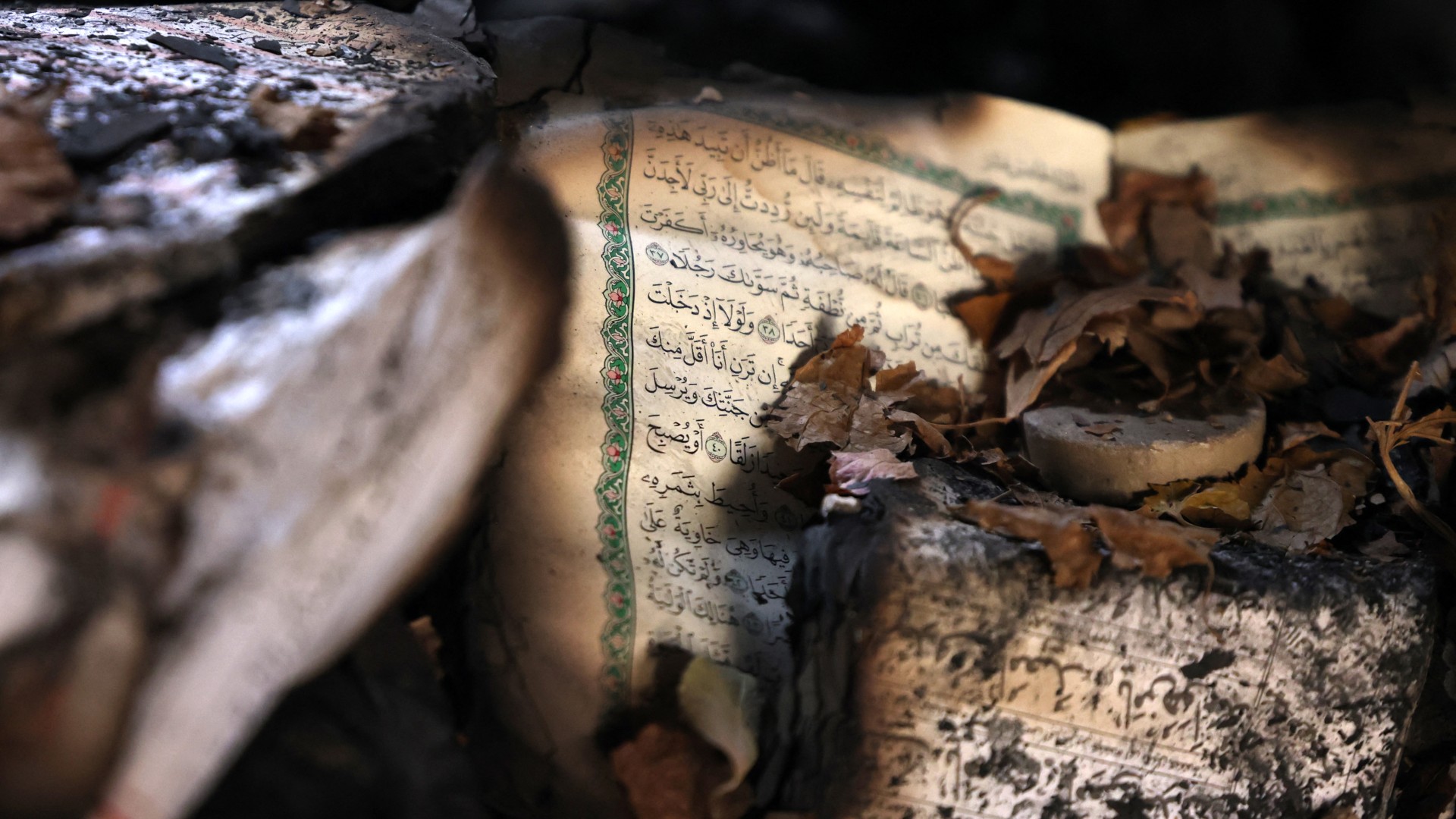
For Iranians, the nationwide anti-government protests that shook the country in January 2026 already feel like a distant, traumatic memory. What began as popular unrest has since been overshadowed by weeks of relentless cross-border strikes from the United States and Israel, and the growing threat of a full-scale ground invasion. But for many Iranians who witnessed the demonstrations firsthand, bizarre, unaccountable incidents that unfolded during the uprising continue to nag at their collective memory.
The protests first erupted at the turn of the year, sparked by soaring inflation that pushed already strained household budgets to breaking point. What started as localized anger over rising prices at Tehran’s Grand Bazaar quickly ballooned into a nationwide movement channeling broad public discontent with the Islamic Republic’s decades of rule. As the demonstrations gained momentum, senior foreign figures made extraordinary claims about their involvement: former U.S. Secretary of State Mike Pompeo openly noted that Mossad agents were marching alongside protesters, while Israel’s Heritage Minister Amichai Eliyahu publicly confirmed Israeli operatives were active on the ground inside Iran. In late March, The New York Times further revealed that Mossad’s director had briefed senior Israeli and U.S. officials ahead of the regional outbreak of war, asserting that his agents embedded within Iran were capable of triggering a new uprising and toppling the government from within.
Middle East Eye, the outlet reporting this investigation, has not been able to independently verify these claims. But a review of eyewitness testimony, official statements, and established patterns of Israeli covert activity inside Iran points to the strong possibility of some form of external meddling during the unrest. Mossad has maintained a network of operatives inside Iran for years, carrying out high-profile sabotage operations and targeted assassinations of nuclear scientists, military commanders, and even senior Palestinian political leaders including Hamas’ Ismail Haniyeh. During the 12-day Israeli war on Iran in June 2026, Israeli intelligence also demonstrated its ability to infiltrate the highest ranks of Iran’s armed forces, with multiple agents operating openly on the ground. Since the U.S.-Israeli campaign against Iran launched on February 28, Iranian authorities say they have arrested at least 45 people across multiple cities, charging all detainees with espionage and collaboration with hostile foreign states.
After days of escalating unrest, Iranian security forces moved to crush the demonstrations with brute force on January 8. Official government figures put the total death toll at 3,117, including protesters, security personnel, and innocent bystanders. But opposition groups say the real number of fatalities is far higher: the U.S.-based human rights monitor HRANA estimates that at least 7,015 people were killed during the crackdown. Iran’s police, security services, Islamic Revolutionary Guard Corps (IRGC), and Basij paramilitary have a well-documented history of responding to popular protests with deadly violence, most infamously during the 2022 Mahsa Amini-led uprising. Even by that brutal standard, the death toll from January’s unrest is exceptionally high.
Iran’s ruling establishment has directly blamed Mossad-linked operatives for many of the civilian deaths that occurred during the unrest. Mehdi Kharatian, an unofficial security advisor closely aligned with Iran’s central leadership, drew a parallel to Israel’s widely condemned 2024 pager attack in Lebanon, when Israeli intelligence remotely detonated thousands of Hezbollah communication devices, killing 37 people and wounding more than 2,900. That coordinated attack served as the opening salvo of a devastating bombing and ground campaign against the Lebanese armed movement. Kharatian argued a similar strategic provocation was at play in Iran: “A shock had to come to Iran, like the Lebanese pager attack. Blood had to be shed in Iran to influence world public opinion and prepare the ground for a military attack.”
Multiple protest participants who spoke to MEE described incidents that had no precedent in past Iranian uprisings or government crackdowns. One eyewitness on the outskirts of Tehran reported encountering a group of non-local protesters blocking a major highway. The organizer of the blockade could not even give directions to a nearby residential side street, confirming he had no ties to the local area. Another protester who attended a January 8 demonstration in east Tehran described a small, coordinated group of masked protesters dressed all in black who led the crowd in chants—an organized “black bloc” tactic common in Western protests but virtually unknown in Iran. “They moved together, and when clashes with security forces began, they disappeared immediately,” the source recalled.
Witnesses also shared multiple accounts of unclaimed attacks on bystanders far from protest zones, carried out by unknown assailants using weapons not standard for Iranian security forces. One eyewitness, watching unrest from their rooftop in a northern Iranian city near the Caspian Sea, described seeing a street sweeper draw a concealed revolver and shoot two young girls who were walking through a residential alley far from the center of protests. A separate account from an IRGC source in Qazvin, 150 kilometers west of Tehran, documented the killing of a mother and her young son on a quiet street with no protest activity, shot with a weapon that did not match any issued to Iranian security, intelligence, or Basij units.
While there is no definitive confirmation of why foreign operatives would target random civilians, multiple public statements confirm that foreign powers openly signaled their on-the-ground presence before and during the protests. A Persian-language X account widely believed to be linked to Mossad posted on December 29: “Let us come out to the streets together. The time has come. We are with you. Not just from afar and in words. We are with you in the field as well.” Eliyahu echoed this days later, telling reporters, “I can assure you that our people are working there right now.” Pompeo went even further, posting on X: “Happy New Year to every Iranian in the streets. Also to every Mossad agent walking beside them…”
Despite Iranian officials’ repeated claims of Mossad involvement in the violence, most protesters who spoke to MEE rejected these assertions. A veteran Tehran-based political science professor, who requested anonymity for his own safety, explained that deep public distrust of the ruling regime means even credible claims of foreign meddling fall on deaf ears. “We’re dealing with a society carrying a deep and painful wound of the protests and now the war,” he said. “The regime has taken the cycle of violence so far that even if such incidents were true, people wouldn’t believe it. At this point, anything the government says is automatically dismissed as a lie by a population that has been suppressed for too long.”
Having lived through every major wave of anti-establishment protest since 1999, the professor noted that the level of violence during the January crackdown is unlike anything the country has seen before. “When I was a student during the 1999 movement, we were calling for reform. But every wave of protest since then has been crushed with greater violence. We’ve reached a point where you can’t talk logic with young people who want nothing short of revenge.”
-
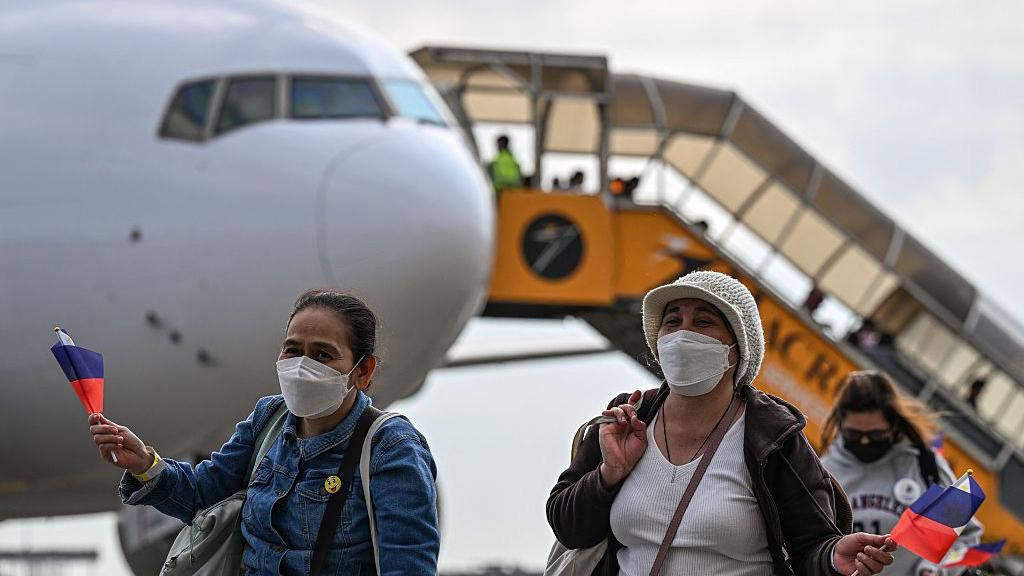
Asia’s migrant workers debate if Gulf jobs are worth deadly risk of Iran war
As escalating conflict between the U.S.-Israel bloc and Iran turns wealthy Gulf Arab states into potential targets for cross-border strikes, thousands of migrant workers who once powered these regional economies are fleeing, while those trapped navigate constant fear and upended life plans. For low-wage migrant workers who have built decades of livelihoods supporting their families back home, the sudden outbreak of violence has turned their pursuit of economic stability into a fight for survival.
Norma Tactacon, a 49-year-old Filipino domestic worker stranded in Doha, Qatar, has spent 20 years working across Qatar, Saudi Arabia, and the United Arab Emirates to fund her children’s education. Her goal is simple: see her 23-year-old son graduate from a police academy and her two older daughters complete nursing degrees, qualifications that would open doors to high-paying overseas work that can lift her entire family out of poverty. The minimum wage for Filipino domestic workers in the Middle East hits $500 per month, four to five times the earnings of an equivalent role back in the Philippines – a gap that has kept Tactacon working far from home for decades. Now, as sirens wail and missile strikes make headlines across the region, she spends her days praying for safety. “I get scared and nervous every time I see pictures and videos of missiles in the air,” Tactacon told the BBC. “I need to be alive to be there for my family. I’m all that they have. I hope the world will be peaceful again and things go back to the way they were. I pray that the war will stop.” The conflict has forced her to reconsider her decades-long plan; she is now weighing a return to the Philippines to launch a small business with her husband, even if it means giving up the higher wages that have supported her family for years.
Tactacon’s uncertainty is shared by millions of migrant workers across the Gulf. Data from the International Labour Organisation puts the total number of migrant workers in the region at 24 million, making it the world’s top destination for cross-border labor migration. Most of these workers come from low- and middle-income South and Southeast Asian nations: India, Pakistan, Bangladesh, Sri Lanka, the Philippines, and Indonesia. The ILO notes that the majority hold low-wage, precarious positions with limited access to healthcare or emergency support, leaving them disproportionately vulnerable when conflict breaks out.
Already, the conflict has claimed the lives of at least 12 South Asian migrant workers. Among them is 29-year-old Dibas Shrestha, a Nepali security guard based in Abu Dhabi. Shrestha had been saving for years to rebuild his parents’ family home, which was destroyed in the 2015 Nepal earthquake that killed hundreds. His uncle Ramesh had repeatedly urged him to return home, but Shrestha enjoyed his role and felt secure in Abu Dhabi, even dismissing early reports of escalating tensions as exaggerated. “We have many relatives who’ve moved to the Gulf for work, so we were very worried for all of them,” Ramesh told the BBC. “He was their only son. So kind, and very smart.” Shrestha was killed in an Iranian strike on Abu Dhabi on March 1.
Just 120 kilometers away in Dubai, 55-year-old Bangladeshi water tank supplier Ahmad Ali was killed by debris from an intercepted missile. Ali had worked in the UAE for years, sending $500 to $600 back to his family in Bangladesh every month – a sum that transforms the lives of working-class families in the low-income South Asian nation. His son Abdul Haque had joined him in Dubai before returning to Bangladesh before the conflict began. Ali, who did not own a smartphone and rarely followed the news, had no idea how serious the escalating tensions had become. “He really liked the people in Dubai, he said they were welcoming, that it was a great place to live,” Abdul said. “It’s not safe now, nobody wants to lose a father.”
Another early victim was 32-year-old Filipino caregiver Mary Ann Veolasquez, who was injured in a ballistic missile strike on her Tel Aviv apartment as she helped her patient reach safety.
As violence escalates, source nations across Asia have scrambled to repatriate their citizens. But widespread travel disruptions from missile threats have closed direct air routes from major Gulf hubs including Dubai, Abu Dhabi, and Doha, forcing evacuees to take long, overland detours to catch repatriation flights. As of March 23, the Philippine government has flown nearly 2,000 Filipino migrant workers and their dependents back to Manila. One recent repatriation flight required 234 workers from Kuwait, Qatar, and Bahrain to travel eight hours by land to Saudi Arabia to meet 109 other evacuees before boarding their flight home. Roughly half of the Philippines’ more than two million overseas workers are based in the Middle East, and their remittances account for 10% of the country’s total GDP, making the crisis both a humanitarian and economic threat for the nation.
Bangladesh faces similar stakes: most of its 14 million overseas migrant workers are based in the Middle East, and their remittances are a core pillar of the national economy. Since the conflict began, Dhaka has repatriated nearly 500 workers and arranged at least two additional evacuation flights from Bahrain.
For some migrant workers, however, leaving is not a viable option. Su Su, a 31-year-old operations specialist at a Dubai real estate firm, fled Myanmar’s ongoing civil war – which has gripped the country since the 2021 military coup – to build a new life in Dubai. For her, returning to Myanmar is not an option. She has adapted to the new risk of conflict in Dubai, working from home and keeping an emergency evacuation bag packed, a habit she developed during years of unrest in Myanmar. “This is just a habit I got from Myanmar,” she said. Even so, she remains cautiously optimistic: “The feeling here is more calm. I believe at the end of the day, we will be fine.”
As the conflict continues, the exodus of migrant workers is accelerating, with international tourists already avoiding the region entirely. For the millions of workers who built their lives in the Gulf chasing economic opportunity, what was once a path out of poverty has become a test of survival, with their futures and the fates of their families back home hanging in the balance.
-
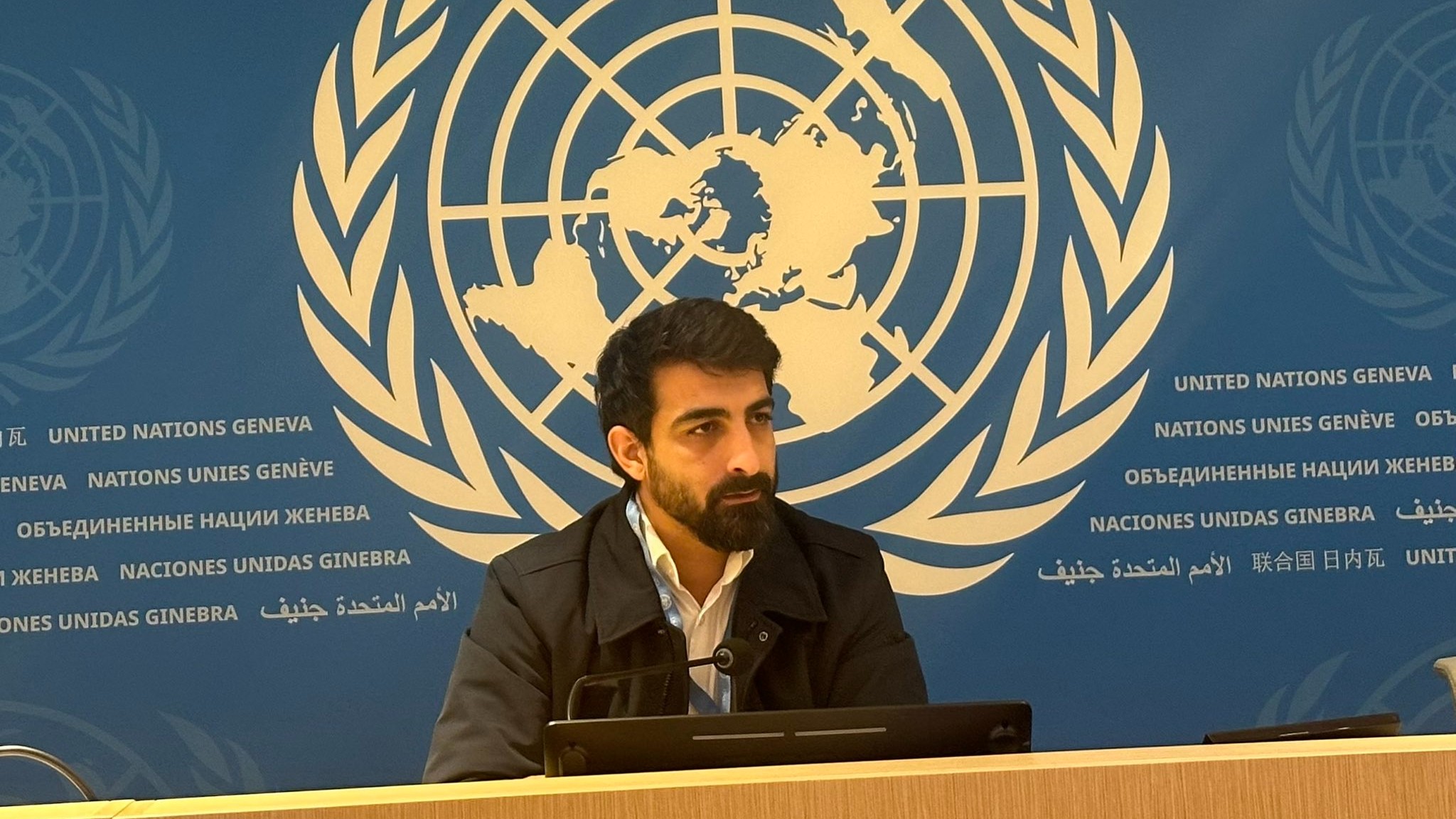
UN diplomat resigns over claims of planned nuclear strike on Iran
In a shocking development that has sent ripples through the international community, a non-governmental organization representative to the United Nations announced his resignation Friday, stepping down to publicize explosive allegations that the global body is actively planning for a scenario involving the use of nuclear weapons against Iran.
Mohamad Safa, who has served as the permanent UN representative for the Patriotic Vision Association (PVA) — an NGO granted special consultative status with the UN Economic and Social Council (Ecosoc) — since 2016, and had led PVA as executive director since 2013, said he abandoned his decades-long diplomatic career specifically to disclose the information he encountered in his role. Safa claimed that a number of senior UN officials have prioritized advancing the interests of a powerful external lobbying bloc rather than upholding the core mission and values of the United Nations.
In a widely shared social media post accompanying an image of the Iranian capital Tehran, Safa launched a sharp rebuke of what he frames as war-mongering rhetoric from hawkish policymakers who have pushed for confrontation with Iran. “This is a picture of Tehran. For you uneducated, untraveled, never-served, warhawks licking your chops at the thought of bombing it. It’s not some low population desert,” he wrote. “There are families, children, family pets. Regular working class people with dreams. You’re sick to want war. Tehran is a city of nearly 10,000,000 people. Imagine nuking Washington, Berlin, Paris, London, or beyond, bombed with nuclear weapons.”
Safa emphasized the urgency and unprecedented gravity of the situation he is exposing: “I don’t think people understand the gravity of the situation as the UN is preparing for possible nuclear weapon use in Iran… I gave up my diplomatic career to leak this information. I suspended my duties so as not to be part of or a witness to this crime against humanity.”
Safa’s bombshell allegations come just days after top World Health Organization (WHO) officials confirmed they are already gearing up for a worst-case nuclear catastrophe scenario, should escalating U.S. and Israeli military action against Iran spiral into full-scale conflict. Speaking to Politico, WHO Regional Director Hanan Balkhy spelled out the organization’s deepest concerns: “The worst-case scenario is a nuclear incident… and that’s something that worries us the most.” Balkhy stressed that any nuclear event in the region would leave devastating, multi-generational consequences that would impact not just the Middle East, but the entire global community. She added that WHO planning covers all potential nuclear-related emergencies “in its broader sense,” including both targeted attacks on Iranian nuclear infrastructure and the direct deployment of nuclear weapons.
Balkhy’s warning is far from an isolated alarm. Just one week prior, Mohamed ElBaradei, Nobel Peace Prize laureate and former director general of the International Atomic Energy Agency (IAEA), echoed grave concerns about the risk of nuclear weapons use in the current escalating conflict. When asked by Middle East Eye whether a nuclear strike against Iran could be ruled out completely, ElBaradei responded: “Should I one hundred percent exclude it? No. Do I pray every night that it doesn’t? Yes. If you have a crazy leader and they feel that they are losing, I don’t exclude it.”
Amid this mounting tension, Iranian political leaders have moved in recent days to debate withdrawing from the Treaty on the Non-Proliferation of Nuclear Weapons (NPT), following intensified U.S. and Israeli strikes that have hit civilian Iranian nuclear sites. On Friday, Ebrahim Rezaei, spokesperson for the Iranian parliament’s national security commission, argued that continued membership in the NPT holds no value for Iran, stating that the treaty “has had no benefit for us.”
Iran has been a non-nuclear-weapon state party to the NPT since 1970, bound by legal obligations to not develop or acquire nuclear weapons, with its nuclear program subject to regular international verification under the treaty framework. By contrast, Israel has never joined the NPT, and is not bound by any of the treaty’s legal obligations.
This report included contributions from journalist Carolina Pedrazzi, and was originally published by Middle East Eye, an outlet that provides independent, on-the-ground coverage of the Middle East, North Africa and surrounding regions.
-
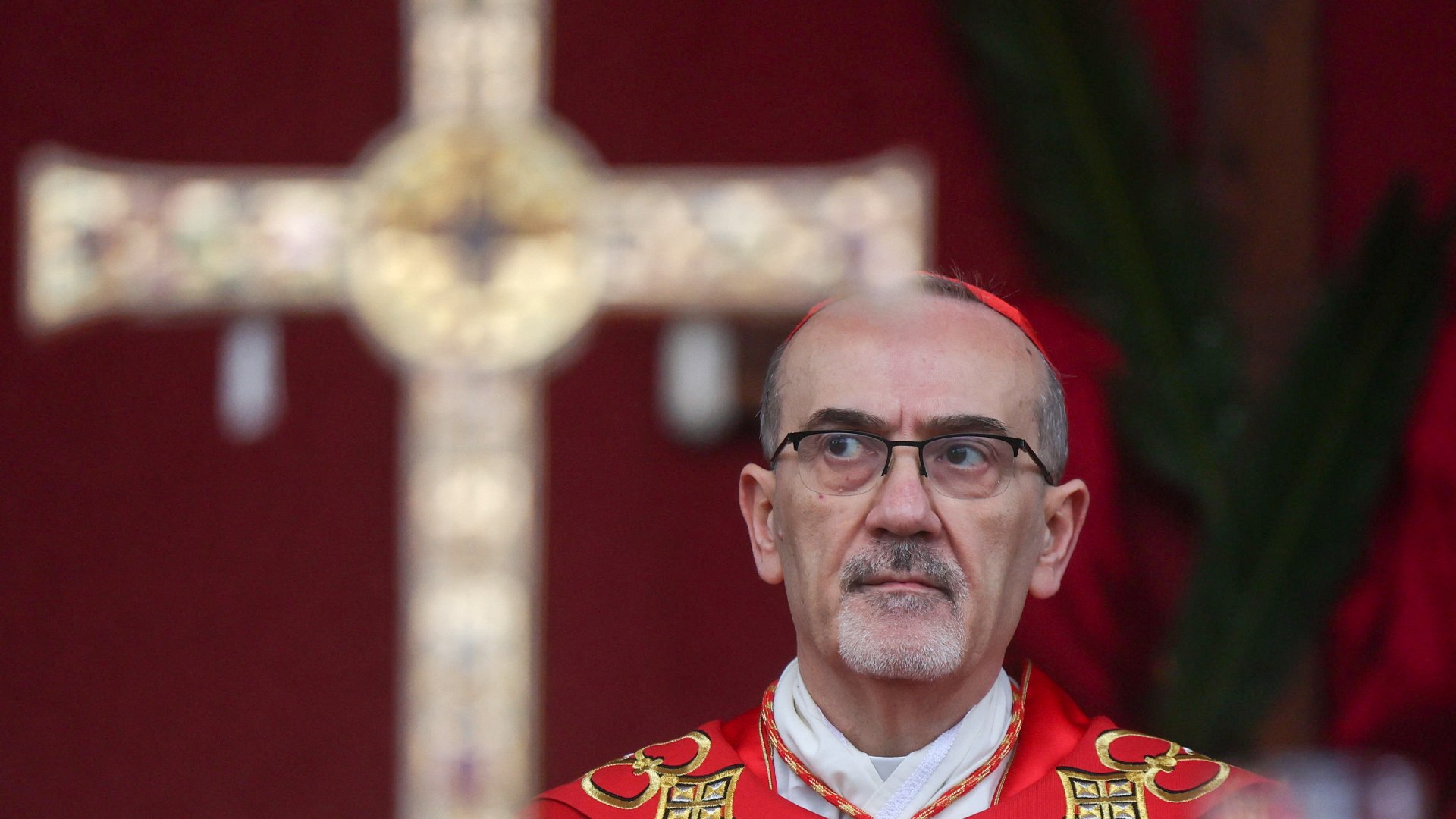
Jerusalem’s Christians urge church leaders to challenge harsh Israeli restrictions
On Palm Sunday 2026, a major incident that sparked global attention unfolded in Jerusalem: Israeli security forces blocked Cardinal Pierbattista Pizzaballa, the top-ranking Catholic Patriarch of Jerusalem, from reaching the Church of the Holy Sepulchre, Christianity’s most sacred site, where he intended to lead traditional holy week prayers. The incident quickly drew an outpouring of international sympathy for the cardinal, but a on-the-ground reporting visit to the ancient church, located in Jerusalem’s Old City Christian Quarter, a day later revealed a sharp rift within the local Palestinian Catholic community over the patriarch’s response to the blockade.
Weeks before the incident, after Israel joined the United States in military strikes against Iran, the Old City has been largely sealed off to visitors. Israeli security forces are deployed at every entrance gate, imposing strict access controls to all religious holy sites in the area. For most of the holy month of Ramadan and the recent Eid al-Fitr holiday, Al-Aqsa Mosque, the third-holiest site in Islam, has remained entirely closed to Muslim worshippers.
Israeli authorities publicly defend the sweeping restrictions, citing credible safety risks stemming from Iranian missile attacks. Small fragments from intercepted Iranian missiles have indeed caused minor damage across Jerusalem in recent weeks. But Palestinian residents of the Old City are uniformly skeptical of this justification, arguing the access limits are actually a deliberate tactic to further entrench Israel’s long-standing control over the occupied East Jerusalem territory. Israel has occupied East Jerusalem, including the Old City, since the 1967 Six-Day War, and the International Court of Justice reaffirmed the international community’s consensus that this occupation is illegal under international law in a 2024 ruling.Many local Palestinian Catholics say Pizzaballa, an Italian cleric widely respected and celebrated in global Catholic circles, responded to the blockade with too much deference to Israeli authorities. Boutros, a local Catholic shopkeeper who requested a pseudonym for personal safety, told reporters the cardinal should have directly confronted the blocking soldiers rather than quietly agreeing to turn back. “He should have found a way,” Boutros said. “If necessary, he should have prayed in the street.”
After being turned away, Pizzaballa instead held an alternate service at the Church of All Nations on the Mount of Olives, located just outside the Old City walls. Boutros criticized the patriarch’s willingness to enter into negotiations over access to the holy site with Israeli officials, arguing that any negotiation implicitly recognizes Israel’s contested authority over the occupied Old City. “By negotiating, you acknowledge the authority of the Israelis,” he explained.
Shortly after the Sunday incident, Israeli Prime Minister Benjamin Netanyahu announced he had ordered Israeli officials to grant Pizzaballa “full and immediate access” to the Church of the Holy Sepulchre. Israeli police confirmed they had reached a formal agreement with church leadership to allow planned Easter celebrations to proceed. In a public statement following the agreement, the Latin Patriarchate said it had maintained “continuous dialogue with the authorities, including the Israeli police”, and thanked Israeli President Isaac Herzog for his “prompt attention and valued intervention”. The statement also appeared to endorse Israel’s safety justification for the original restrictions, noting that “naturally, and in light of the current state of war, the existing restrictions on public gatherings remain in force for the time being”. This marked the first time in hundreds of years that a sitting Jerusalem Patriarch was unable to celebrate Palm Sunday mass at the Church of the Holy Sepulchre, according to the Patriarchate’s own records.
But for local Palestinian Christians, this outcome is far from a victory. Many see the entire incident as a reflection of a long-standing pattern of excessive deference to Israeli occupation by senior Christian religious leaders across all denominations—Catholic, Orthodox, Armenian, and other groups. Critics argue church leaders have prioritized protecting the limited status and privileges Israel grants them over advocating for and serving their local congregations.
During on-the-ground interviews in the Old City’s narrow alleyways, most local residents declined to share their full names, due to surveillance and pressure from Israeli security forces. One local Palestinian woman returning home with groceries pointed to the near-empty streets, a stark contrast to the crowded, festive atmosphere that normally marks the lead-up to Easter. “There are no celebrations. At this time of year the city should be crowded. They are killing any sense of joy,” she said.Constant, intrusive Israeli military and police presence around the Church of the Holy Sepulchre itself already violates the decades-old “status quo” agreement that grants full control of the site to Christian religious authorities, residents and rights groups note. The International Centre of Justice for Palestinians (ICJP), a London-based legal advocacy group, has condemned the blockade of Pizzaballa as a “flagrant act of religious persecution”, drawing a parallel to repeated Israeli infringements on the authority of the Jerusalem Waqf, the Muslim custodian body that manages Al-Aqsa Mosque.
The ICJP also accuses Israel of blatant religious double standards. Even amid the current conflict with Iran, Israeli authorities allowed large public Jewish Purim celebrations to take place across Jerusalem earlier this month, when Iranian missile strikes were already occurring. Israeli media documented young, intoxicated celebrants dancing in costumes in the streets with loud music, but no restrictions were imposed on these events. Meanwhile, access restrictions targeting Palestinian Christian and Muslim worshippers remain fully in place.
When reporters arrived at the Church of the Holy Sepulchre during the visit, its main doors remained closed, and Israeli security gestured for the press team to move away when they approached. An Israeli security flag hangs above the church entrance, a symbol for local Palestinians of illegal foreign occupation. For the city’s Palestinian Christian community, the restrictions on worshippers are not a well-intentioned safety measure as Israel claims—they are a deliberate, cruel act of colonial domination that erodes their centuries-old connection to their most sacred site.
Boutros summed up the widespread despair among local residents: “The church is older than countries and empires. When I was a boy, my father would take the day off to go to the Old City to enjoy the traditions. Now who really wants to come to the Old City to be bullied by the Israeli police?” The frustration felt by local Christians is shared broadly across the Old City’s Palestinian community, who face daily humiliating searches, harassment, and restrictions on their movement as part of Israel’s ongoing occupation. -
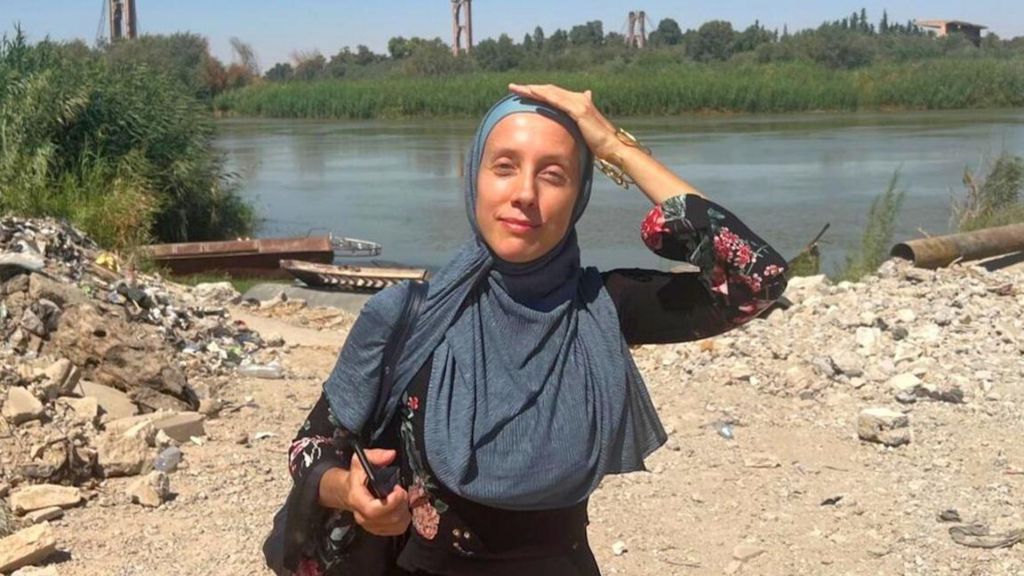
US journalist Shelly Kittleson kidnapped in Baghdad
A seasoned American freelance conflict reporter has been abducted in central Baghdad, launching a joint search operation by Iraqi and U.S. security authorities that has already led to the arrest of one suspect linked to an Iran-aligned militia, according to senior officials from both nations.
Veteran journalist Shelly Kittleson, who has reported from conflict zones across Afghanistan, Iraq and Syria for multiple international outlets and is based in Rome, Italy, was taken captive on the evening of Tuesday, confirmed Al-Monitor, a U.S.-based publication that has featured Kittleson’s work. Local reporting indicates the abduction took place near a hotel in the heart of the Iraqi capital, Al-Monitor added.
Shortly after the kidnapping, Iraq’s Ministry of Interior announced that security forces launched an urgent manhunt for the abductors based on detailed intelligence. During the pursuit, one of the kidnappers’ vehicles overturned after the driver attempted to evade capture, and one suspect was taken into custody. Iraqi authorities did not immediately name the suspect in their public statement, referring only to the group as “unknown individuals”, but a senior U.S. State Department official confirmed the detained individual has ties to Kataib Hezbollah, an Iran-backed militia group designated as a terrorist organization by many Western governments.
U.S. Department of State spokesperson Dylan Johnson, Assistant Secretary of State for Global Public Affairs, confirmed the abduction of an American journalist, though he did not publicly name Kittleson in his post to social platform X. Johnson noted that the State Department had previously fulfilled its obligation to warn the journalist of active threats against her, and that U.S. officials are continuing to coordinate closely with the Federal Bureau of Investigation (FBI) to secure her swift and safe release. Multiple U.S. sources confirmed that officials reached out to Kittleson multiple times to alert her to the dangers she faced, with the most recent warning coming as late as Monday night, just one day before her abduction.
Alex Plitsas, a CNN national security analyst who serves as Kittleson’s emergency contact, told CBS News — the U.S. partner of the BBC — that U.S. authorities specifically warned Kittleson that Kataib Hezbollah was plotting to kidnap or kill female journalists, and that her name was included on a target list held by the militia. Plitsas added that Kittleson dismissed the warning, believing the threat information to be unsubstantiated. A second anonymous source familiar with the situation confirmed this account to CBS.
In a statement provided to the BBC, a State Department representative said: “Due to privacy and other considerations, we have nothing further to share at this time.” Al-Monitor released an official statement saying it is “deeply alarmed” by Kittleson’s kidnapping, and issued an urgent call for her immediate and unharmed release.
An anonymous senior Iraqi official confirmed to CBS that Iraqi security operations are being coordinated “at the highest level” of government to secure Kittleson’s freedom. The Iraqi Interior Ministry reiterated in its statement that ongoing operations are focused on tracking down the remaining at-large perpetrators, rescuing Kittleson, and bringing all involved in the “criminal act” to justice under Iraqi law.
Multiple sources familiar with the ongoing response told CBS that senior security and intelligence agencies from both nations, including the FBI, the U.S. National Security Council, U.S. Army Delta Force, and the Iraqi Counter-Terrorism Service, are in constant communication to coordinate the search and rescue effort.
Baghdad earned a reputation as one of the world’s most dangerous cities for abductions during the height of sectarian conflict following the 2003 U.S.-led invasion, but kidnapping rates have dropped sharply in recent years as overall security across Iraq has stabilized.
-
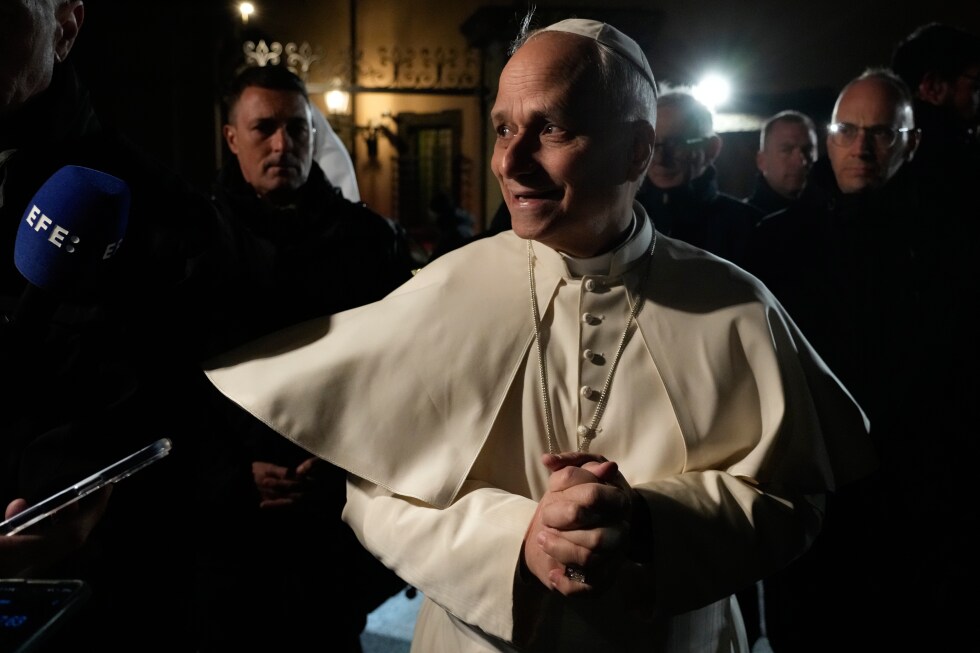
Pope Leo XIV urges an Easter end to the US-Israel war on Iran, calling for dialogue
VATICAN CITY – On Tuesday, as Pope Leo XIV departed the papal summer retreat of Castel Gandolfo on the outskirts of Rome, the U.S.-born pontiff shared a message of urgent hope with reporters: that the ongoing U.S.-Israel war on Iran could reach a ceasefire before the start of Easter celebrations, the most sacred observance on the Christian calendar.
Citing recent public comments from former U.S. President Donald Trump indicating a desire to wind down the conflict, Pope Leo expressed his expectation that the administration would seek an exit path to de-escalation. “Hopefully he’s looking for a way to decrease the amount of violence, of bombing, which would be a significant contribution to removing the hatred that’s being created, that’s increasing constantly in the Middle East and elsewhere,” the pontiff told reporters.
The pope’s appeal came during Holy Week, the period leading up to Easter that centers on reflection, penance, and preparation for the commemoration of Jesus Christ’s crucifixion and resurrection. Reflecting on the disconnect between the holy season and global conflict, Pope Leo noted that what should be a time of quiet peace and self-examination has been overshadowed by widespread suffering. “It should be the holiest time of the year. It is a time of peace, a time of reflection. But as we all know, again, in the world, in many places we are seeing so much suffering, so many deaths, even innocent children,” he said. “We constantly make the call for peace, but unfortunately, many people want to promote hatred, violence, war.”
Pope Leo’s latest remarks extend a broader public push against the misuse of religion to justify armed conflict, a message he first laid out earlier this month during Palm Sunday Mass in St. Peter’s Square. During that service, the pontiff declared that God rejects the prayers of leaders who wage war and invoke religious belief to legitimize their violence, offering special intercession for Christian communities across the Middle East grappling with the fallout of regional conflict.
Recent weeks have seen multiple global leaders on different sides of active conflicts twist religious doctrine to back their military actions. U.S. Defense Secretary Pete Hegseth has repeatedly leaned on his personal Christian faith to frame the war on Iran as a struggle between a Christian nation and its purported evil enemies. Meanwhile, Russia’s Orthodox Church has characterized Moscow’s full-scale invasion of Ukraine as a “holy war” against a Western world it decries as morally corrupt.
As Holy Week progresses, Pope Leo will carry forward the centuries-long traditions of the papacy leading into Easter. On Holy Thursday, he will perform the traditional foot-washing rite at the Basilica of St. John Lateran, a ritual that honors Jesus’ act of humility toward his disciples before his crucifixion. On Good Friday, he is set to lead the annual Way of the Cross procession through Rome’s iconic Colosseum, an event commemorating Christ’s suffering and death, where he will personally carry the processional cross. The Easter Vigil, held after dark on Holy Saturday, will see the pope baptize new converts into the Catholic Church, before he leads the main Easter Sunday Mass in St. Peter’s Square and delivers his iconic Urbi et Orbi blessing to the city of Rome and the world from the basilica’s central loggia.
-

Italian Christmas meal tragedy turns into murder inquiry
In a quiet small municipality of Pietracatella, located 161 miles southeast of Rome, a tragic pre-Christmas gathering last year has sparked an ongoing murder probe after investigators discovered deadly ricin poisoning in the bodies of a mother and her teenage daughter who died days after the meal.
Fifty-year-old Antonella Di Ielsi and her 15-year-old daughter Sara Di Vita began showing severe symptoms of illness shortly after sharing the holiday lunch at the family home. Di Ielsi’s husband Gianni, a former mayor of Pietracatella, also fell ill after the meal and was hospitalized, but ultimately made a full recovery. The couple’s oldest child did not attend the gathering, and escaped any exposure to the toxin.
When the pair first arrived at the hospital, attending doctors misdiagnosed their condition as common food poisoning. Suspecting the illness came from contaminated fish or wild mushrooms, medics discharged Di Ielsi and Di Vita after initial observation. But their condition deteriorated dramatically just a short time later, forcing emergency readmission to the intensive care unit at Cardarelli Hospital in nearby Campobasso.
Dr. Vincenzo Cuzzone, head of the hospital’s intensive care unit, described to local media how the toxin attacked the victims’ bodies at an extraordinary rate. “Liver failure developed first, followed by complete multi-organ failure at a truly unparalleled speed,” he explained. Without any known antidote to counteract the ricin, medical teams were powerless to stop the progression of the poisoning, and both victims eventually died.
Initially, authorities linked the deaths to errors in the initial diagnosis, opening a manslaughter investigation into the doctors who approved the discharge of the two patients. That narrative shifted dramatically after comprehensive laboratory testing, conducted at facilities in both Italy and Switzerland, confirmed the presence of ricin, a naturally occurring potent toxin derived from castor beans. Even a tiny dose of ricin can trigger fatal organ failure, and there is currently no effective antidote for ricin poisoning.
With this new evidence in hand, Italian prosecutors have reclassified the case as a murder investigation. As of the latest updates, law enforcement has not yet identified any persons of interest or established a clear motive for the poisoning.