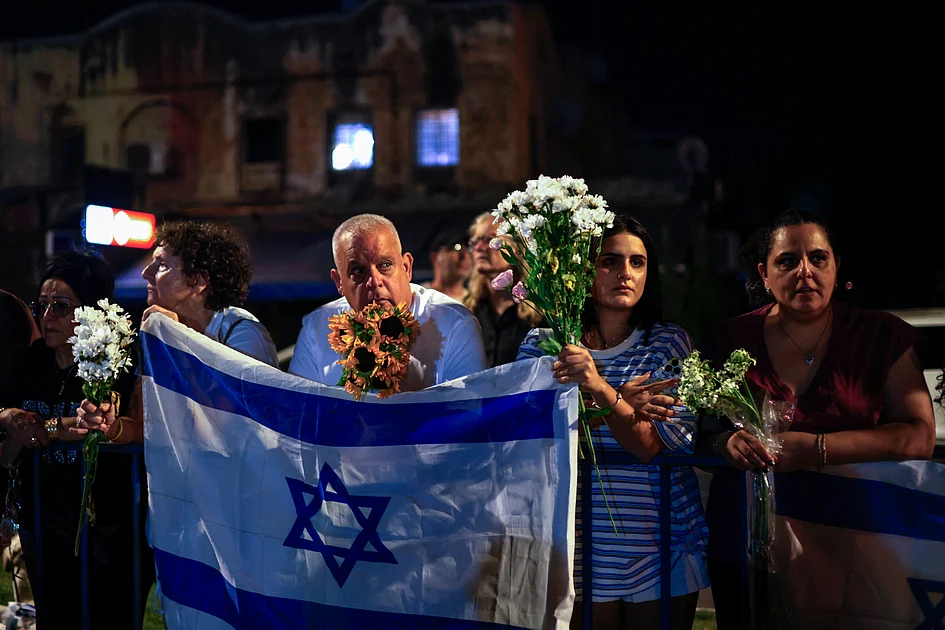
Israeli media reported on Saturday that the partial remains of three deceased individuals transferred from Gaza to Israel are not those of any hostages held in the Palestinian territory. The International Committee of the Red Cross (ICRC) confirmed late on Friday that it facilitated the transfer of the remains to Israeli authorities for identification. However, DNA testing conducted by Israeli forensic authorities revealed that the remains did not match any known hostages. Hamas stated on Saturday that it initially offered three samples from unidentified bodies for testing, but Israel insisted on receiving the full remains, a condition Hamas later agreed to. Currently, the bodies of 11 hostages, including two foreign nationals, are believed to remain in Gaza. Since a US-brokered ceasefire took effect on October 10, following a two-year war, Hamas has released 20 living hostages and handed over the remains of 17 others. The ceasefire, which left unresolved issues such as the disarmament of Hamas and a timeline for Israeli withdrawal, has been periodically tested by outbreaks of violence.
分类: world
-
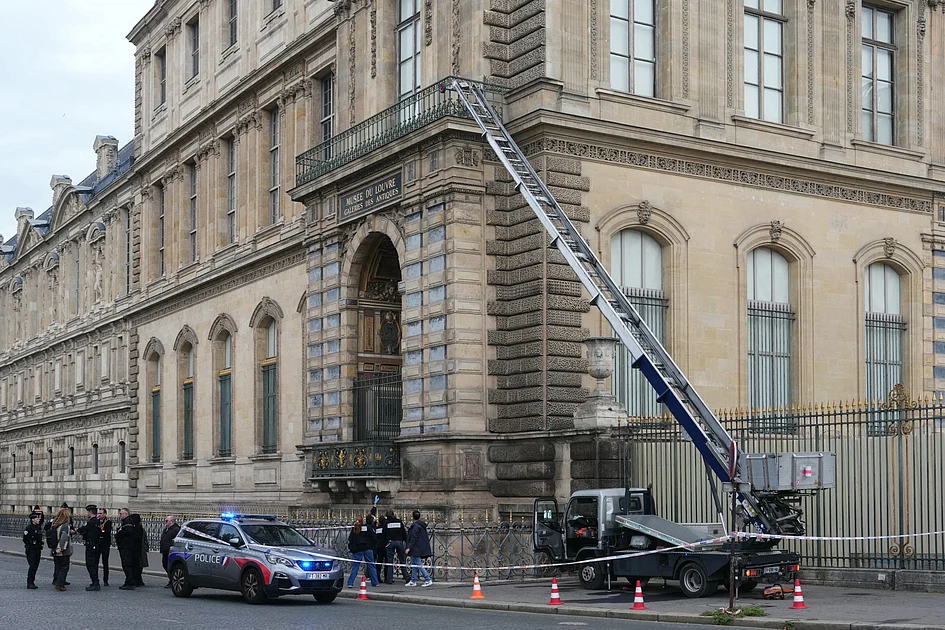
Louvre heist suspects appear before Paris magistrates
Several individuals implicated in a brazen jewel heist at the Louvre Museum in Paris have appeared before magistrates, marking a significant development in the high-profile case. The Paris public prosecutor’s office confirmed the court appearance on Saturday but did not disclose the exact number of suspects involved. The audacious theft, which occurred last month, saw thieves armed with power tools execute the robbery in broad daylight, making off with jewelry valued at an estimated $102 million in just seven minutes. French authorities initially apprehended two suspects, followed by the arrest of five additional individuals this week, including a key figure in the operation. The arrests were concentrated in and around Paris, notably in the northern suburb of Seine-Saint-Denis. The first two suspects, who partially confessed to the charges, face accusations of theft and criminal conspiracy. They are believed to have been the primary perpetrators who entered the museum while two accomplices waited outside. Despite the arrests, the stolen jewels remain unaccounted for, leaving investigators to continue their search for the missing loot.
-
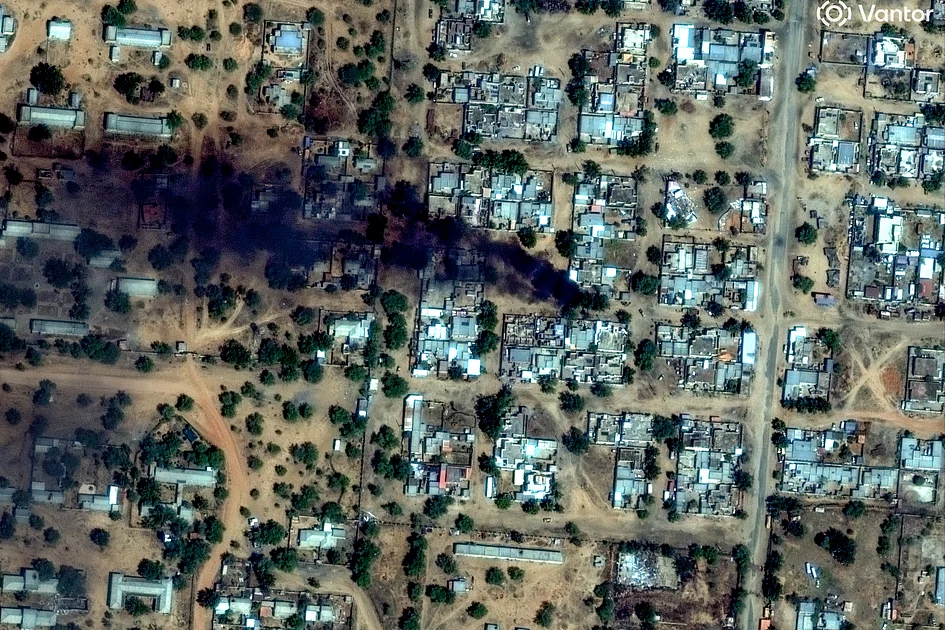
Sudan: New satellite images suggest mass killings continue in Al Fasher
New satellite imagery analyzed by Yale University’s Humanitarian Research Lab indicates that mass killings are likely continuing in and around Al Fasher, Sudan, following the city’s capture by the paramilitary Rapid Support Forces (RSF). The RSF seized Al Fasher on Sunday, marking the fall of the Sudanese army’s last stronghold in the Darfur region after an 18-month siege. Reports from survivors describe horrific atrocities, including the execution of children in front of their parents, widespread looting, and the abduction of civilians. The Yale report identified at least 31 clusters of objects consistent with human bodies across neighborhoods, university grounds, and military sites, suggesting a grim toll on the population. Tens of thousands remain trapped in the city, while over 65,000 have fled. The RSF claims to have arrested fighters accused of abuses, but UN officials have questioned their commitment to accountability. The conflict has deepened Sudan’s division, with the RSF now controlling all five state capitals in Darfur, effectively splitting the country along an east-west axis.
-
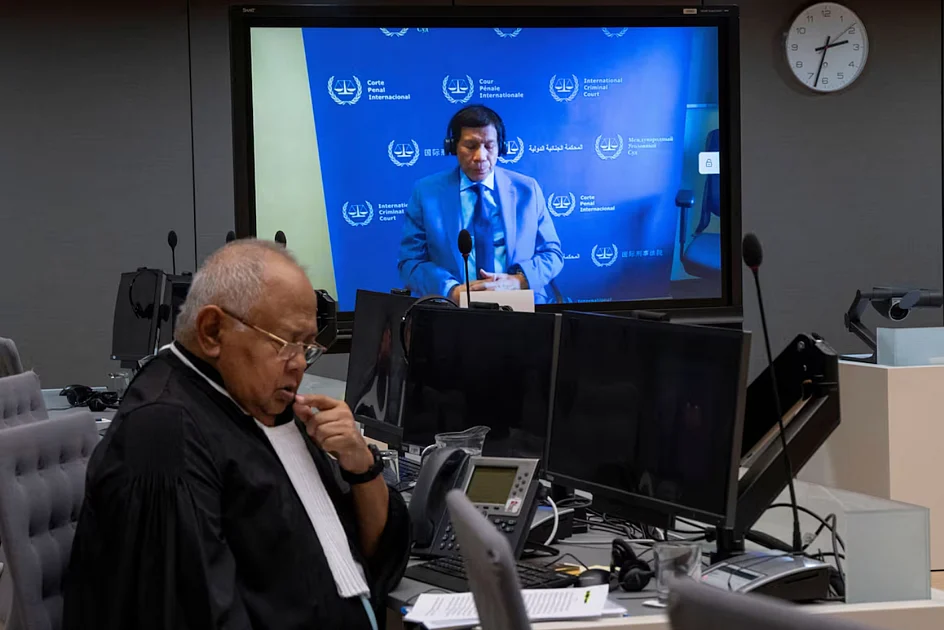
ICC prosecutors urge Appeals Chamber to keep ex Philippine president Duterte detained
The Office of the Prosecutor (OTP) at the International Criminal Court (ICC) has strongly advocated for the continued detention of former Philippine President Rodrigo Duterte, urging the Appeals Chamber to dismiss his request for temporary release. In a public redacted filing submitted on October 31, the prosecution defended the September 26 ruling by Pre-Trial Chamber I, which denied Duterte’s interim release under the Rome Statute. The prosecution argued that Duterte’s defense failed to identify any legal or factual errors in the initial decision to detain him. The chamber had previously emphasized that Duterte’s detention is essential to ensure his appearance at trial, prevent obstruction of justice, and halt any potential continuation of alleged crimes. The prosecution highlighted Duterte’s significant political influence and extensive network of loyal supporters, including his daughter, Philippine Vice-President Sara Duterte, and his recent election as mayor of Davao City, as factors that could enable him to evade justice. They also dismissed Duterte’s health-related arguments for release, stating that his medical claims were insufficient and that detention posed no serious risk to his well-being. The OTP further justified the use of public information, such as media reports and NGO findings, to support their case, noting that such sources are routinely accepted in ICC proceedings. The prosecution concluded that the risks of Duterte fleeing or obstructing justice are not hypothetical but substantiated by his political connections and international reach.
-

9 killed in stampede at Andhra Pradesh’s Venkateswara temple
A devastating stampede at the Venkateswara Temple in Andhra Pradesh’s Srikakulam district on Saturday resulted in the deaths of nine individuals, with many more injured. The incident occurred as a large crowd of devotees gathered at the temple, leading to a chaotic surge that overwhelmed the area. Andhra Pradesh Governor S. Abdul Nazeer expressed profound grief over the tragedy, while Prime Minister Narendra Modi offered condolences to the bereaved families and announced financial assistance for the victims. Modi stated, ‘I am deeply pained by the stampede at Venkateswara Swamy Temple. My thoughts are with those who have lost their loved ones, and I pray for the swift recovery of the injured.’ The Prime Minister’s National Relief Fund will provide Rs. 2 lakh to the families of the deceased and Rs. 50,000 to the injured. This incident is the latest in a series of deadly crowd crushes at Indian religious gatherings, highlighting ongoing safety concerns. In recent months, similar tragedies have occurred at campaign rallies, festivals, and rituals across the country, underscoring the urgent need for improved crowd management and safety measures.
-
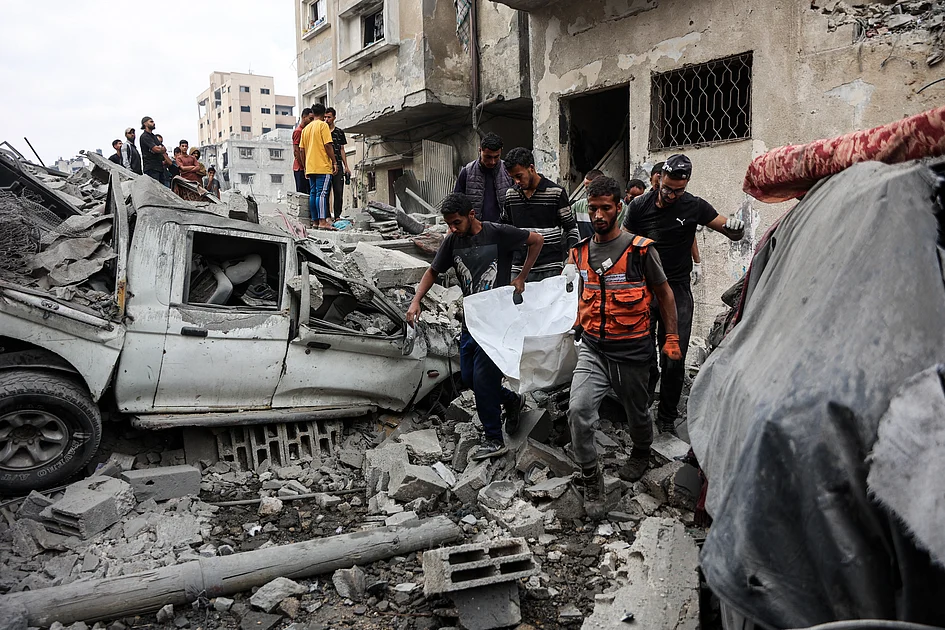
Israel army says Gaza bodies received Friday not hostages
The Israeli military announced on Saturday that three bodies received from Gaza through the Red Cross on Friday were not those of hostages held in the Palestinian territory. Forensic analysis confirmed that the remains did not belong to any of the 11 deceased captives still expected to be returned under a US-brokered ceasefire agreement. Since the truce began on October 10, Hamas has returned 20 surviving hostages and initiated the process of repatriating the bodies of deceased captives. Among the 17 bodies already returned are 15 Israelis, one Thai national, and one Nepalese national. Israel has accused Hamas of delaying the return of the remaining bodies, while the Palestinian group claims the process is time-consuming due to the difficulty of locating remains buried in Gaza’s rubble.
-
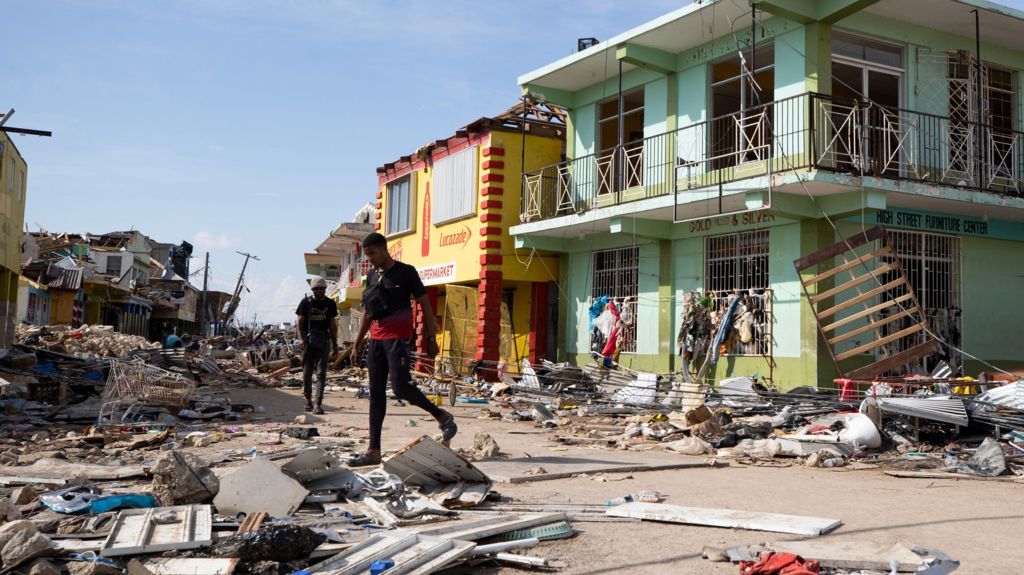
UK aid for Hurricane Melissa reaches Jamaica as Britons to be evacuated
In the aftermath of Hurricane Melissa, one of the most devastating storms to hit the Caribbean, the UK has stepped up its support for Jamaica. An aid flight carrying over 3,000 emergency shelter kits arrived in the early hours of Saturday, marking the beginning of a £7.5 million regional emergency package. This funding will also match donations to the International Red Cross and Red Crescent, with King Charles and Queen Camilla contributing to the cause. Despite the aid, distribution efforts have been hampered by fallen trees, landslides, and widespread destruction. Hurricane Melissa, a category five storm, made landfall in Jamaica on Tuesday, claiming at least 19 lives and leaving entire communities in ruins. The storm also caused significant damage in Haiti and Cuba, with dozens of fatalities reported. Jamaica’s Information Minister Dana Morris Dixon described the devastation as unprecedented, with entire areas flattened and communities cut off. The UK has allocated £2.5 million in immediate financial support, with an additional £5 million announced by Foreign Secretary Yvette Cooper. The British Red Cross reported that 72% of Jamaica remains without electricity, and around 6,000 people are in emergency shelters. The King and Queen’s donation will support the International Federation of Red Cross and Red Crescent in providing essential services, including search and rescue, healthcare, and clean water. However, logistical challenges persist, with landslides and debris blocking roads, delaying aid delivery to the hardest-hit areas. Fuel shortages and long queues at petrol stations have added to the crisis, as residents seek generators to power their homes or vehicles to reach safer locations. The UK is also organizing its first chartered flight to evacuate British nationals from Kingston’s Norman Manley International Airport on Saturday evening. The Foreign Office has urged travelers to register their presence on the island and check with airlines for commercial flight availability.
-
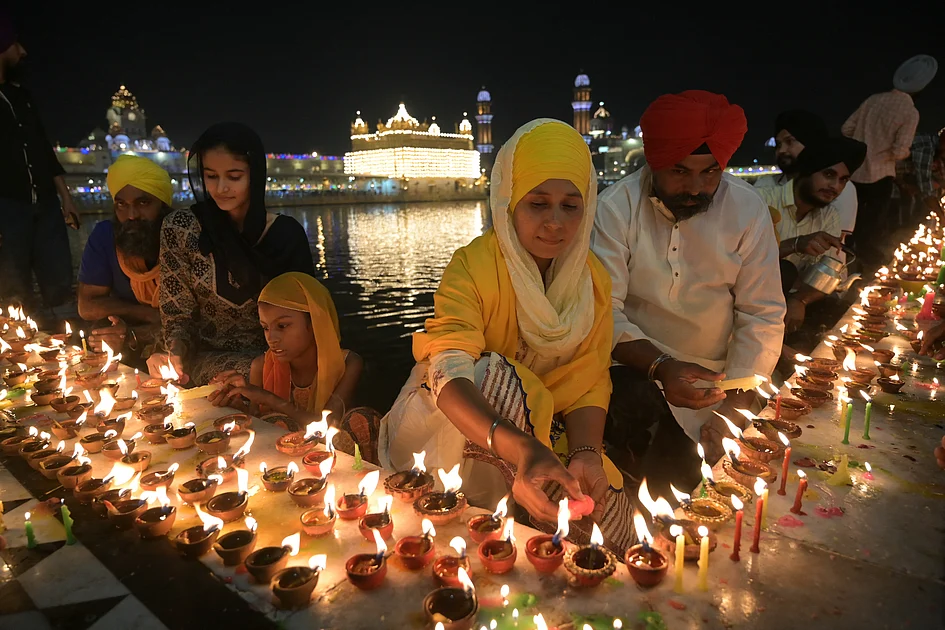
Pakistan grants hundreds of Indian Sikhs visas to attend 10-day festival
In a significant diplomatic gesture, Pakistan has granted over 2,100 visas to Indian Sikh pilgrims, marking the first major easing of travel restrictions since tensions between the two nations escalated in May 2025. The visas were issued for a 10-day religious festival in Nankana Sahib, the birthplace of Guru Nanak, the founder of Sikhism. This move comes despite ongoing hostilities between the nuclear-armed neighbors, which saw deadly clashes earlier this year, resulting in over 70 casualties and the closure of the Attari-Wagah land border to general traffic. The Pakistan High Commission in New Delhi confirmed the issuance of visas, emphasizing the importance of facilitating religious tourism. The festival, set to begin on Tuesday, is expected to draw tens of thousands of Sikh pilgrims to Pakistan. The Attari-Wagah border, a colonial-era creation that divides Punjab between India and Pakistan, remains a symbolic site of both conflict and cultural exchange, hosting daily flag ceremonies that attract visitors. While New Delhi has yet to officially comment, Indian media reports suggest that the government has permitted select groups to travel for the event. This development highlights the complex interplay between religion, diplomacy, and regional tensions in South Asia.
-
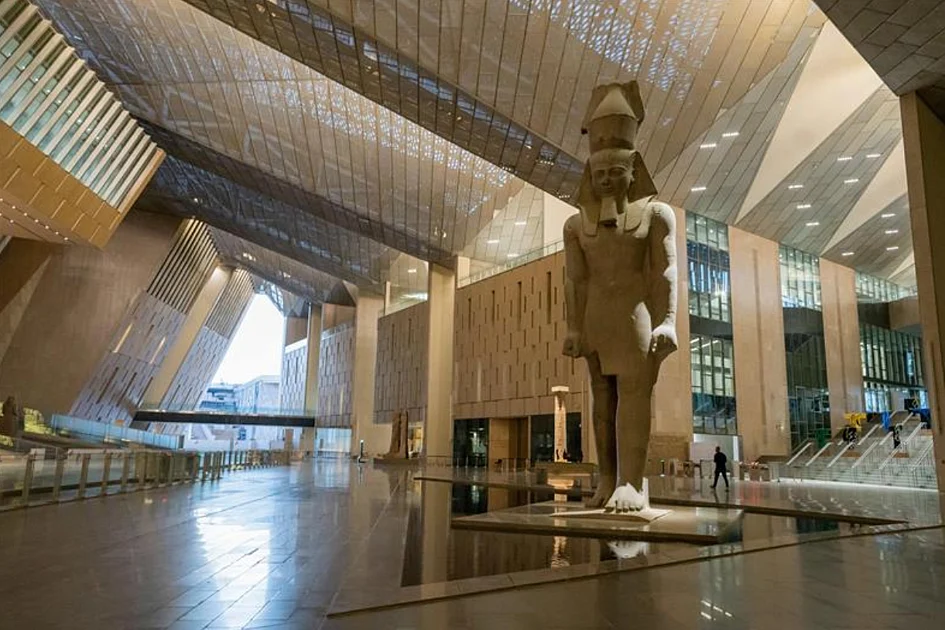
The Grand Egyptian Museum set to open: Things to know as you plan your visit
Egypt is poised to unveil its monumental cultural achievement, the Grand Egyptian Museum (GEM), with a grand opening ceremony on November 1, 2025. This event, attended by global dignitaries, will precede the museum’s public debut on November 4. Situated on the Giza Plateau, just two kilometers from the Great Pyramids, GEM spans over 500,000 square meters and houses more than 100,000 artifacts, offering an unparalleled journey through Ancient Egypt’s history from prehistoric times to the Roman era. The museum, dubbed the largest dedicated to a single civilization, features 12 exhibition galleries, including the complete collection of King Tutankhamun’s treasures, King Khufu’s Solar Boats, and a 20-meter-high hanging obelisk. Visitors will be greeted by an 11-meter-tall statue of King Ramses II and can explore the Grand Staircase adorned with statues of ancient kings, providing breathtaking views of the Pyramids. GEM’s opening is expected to revitalize Egypt’s tourism sector, which has faced challenges in recent years. Practical details for visitors include accessible transportation options, varied ticket prices, and guided tours in Arabic and English. The museum’s complex also offers dining options, and photography is permitted for personal use. With its rich exhibits and strategic location, GEM is set to become a must-visit destination for history enthusiasts worldwide.
-
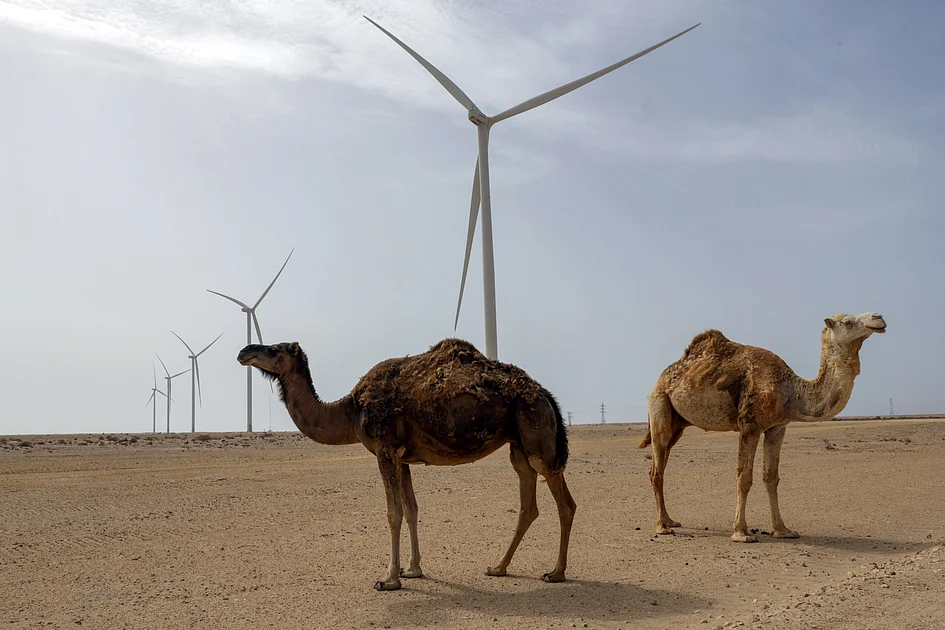
UN Security Council backs Morocco’s plan for Western Sahara autonomy
The United Nations Security Council has adopted a resolution supporting Morocco’s proposal for autonomy in Western Sahara, marking a significant step in resolving the decades-long territorial dispute. The resolution, drafted by the United States, emphasizes that genuine autonomy under Moroccan sovereignty could be the most viable solution to the conflict between Morocco and the Algeria-backed Polisario Front, which seeks independence for the region. Western Sahara, a vast desert territory comparable in size to Britain, has been a flashpoint of contention since Spain’s withdrawal in 1975. The UN Security Council’s resolution calls for renewed negotiations based on Morocco’s 2007 autonomy plan, which envisions local governance while retaining Moroccan control over defense, foreign affairs, and religious matters. The resolution also extended the mandate of the UN peacekeeping mission in Western Sahara, MINURSO, for another year. While 11 council members voted in favor, Russia, China, and Pakistan abstained, and Algeria did not participate in the vote. Algeria’s UN Ambassador Amar Bendjama criticized the resolution, stating that it disregarded the Polisario Front’s proposals and emphasized that the future of Western Sahara should be determined by its people. Morocco’s King Mohammed VI hailed the resolution as a ‘new chapter’ in asserting the ‘Moroccanness of the Sahara’ and called for dialogue with Algeria. Meanwhile, the Polisario Front rejected the resolution, vowing not to engage in any process that legitimizes Moroccan control. The resolution also requested UN Secretary-General Antonio Guterres to conduct a strategic review of MINURSO’s mandate within six months. The move aligns with growing international support for Morocco’s position, including backing from the US, France, Britain, and Spain, signaling a shift in global diplomatic perspectives on the issue.